
Comprehensive Overview of Human Rights Violations
Exploring Global Patterns, Cases, and Critical Issues
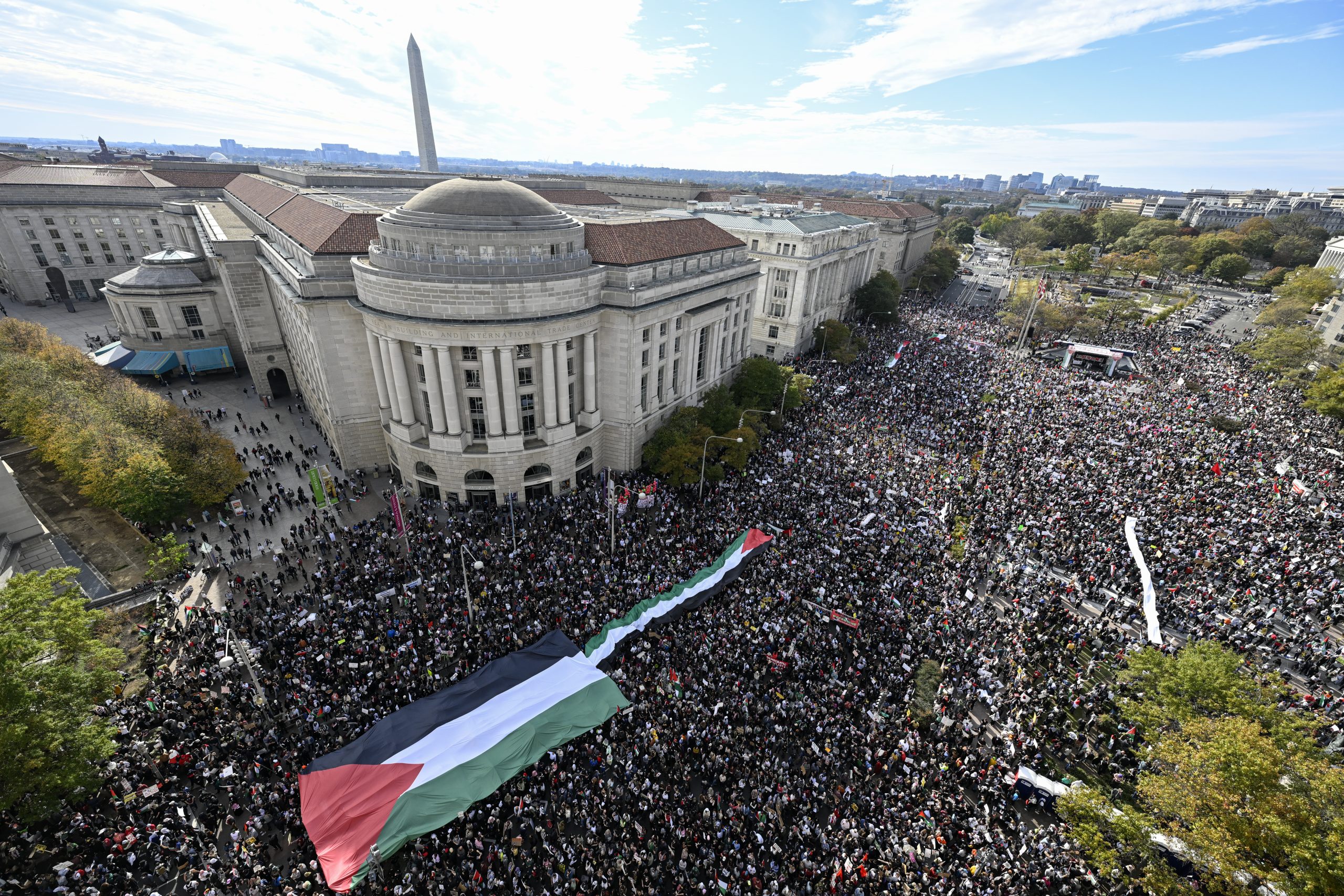
Key Highlights
- Multiple Forms: Human rights violations encompass abuses ranging from political repression to systemic discrimination, affecting civil, political, economic, social, and cultural rights.
- Global Spread: Incidents span across conflict zones, authoritarian regimes, and even developed nations, reflecting issues in countries such as the United States, China, Iran, and beyond.
- Complex Causes: Contributing factors include political conflicts, suppression of dissent, economic disparities, and discriminatory practices that require international attention and legal recourse.
Understanding the Scope of Human Rights Violations
Human rights are universal rights inherent to all human beings, irrespective of nationality, ethnicity, religion, or any other status. They include civil, political, economic, social, and cultural rights, and violations occur when these rights are infringed upon unlawfully or unethically. In today’s interconnected world, human rights violations are not confined to a single region or population group; rather, they manifest globally in diverse forms. A systematic examination reveals that these abuses derive from a myriad of sources including state actors, armed groups, and, in some instances, private entities engaged in corporate malfeasance.
Categories of Human Rights Violations
Civil and Political Rights Violations
This category includes numerous infringements such as:
- Torture and Cruel Treatment: In many areas, especially in conflict zones or under authoritarian regimes, instances of torture and inhumane treatment are reported. Such actions, often justified under security pretexts, violate core principles of human dignity.
- Arbitrary Detention and Enforced Disappearances: The use of detention without trial or due process, along with enforced disappearances, are markers of state abuse intended to suppress dissent and instill fear among populations.
- Suppression of Fundamental Freedoms: Restrictions on freedom of expression, assembly, and association impede societal progress by silencing voices that challenge prevailing power structures.
- Extrajudicial Actions: Extrajudicial killings and the use of disproportionate force by law enforcement are common tactics used by regimes to eliminate opposition or minority groups.
Economic, Social, and Cultural Rights Violations
These violations affect an individual’s livelihood and quality of life and include:
- Forced Labor and Exploitation: Millions are subjected to forced labor, often in abject conditions, and face exploitation that strips them of basic human dignity.
- Denial of Basic Services: Inadequate access to healthcare, education, and housing are critical issues, particularly in impoverished regions where disadvantaged groups are left vulnerable.
- Discrimination: Systemic discrimination based on race, gender, sexual orientation, or religion further marginalizes affected communities, often resulting in intersectional layers of disadvantage.
Global Trends and Regional Examples
The global landscape of human rights violations reveals both common challenges and region-specific dynamics. Nations under authoritarian rule, conflict-stricken areas, and even some democratic societies have been recorded as experiencing significant violations.
Violations in Conflict Zones and Authoritarian Regimes
Conflict Zones
War and internal conflicts significantly contribute to the occurrence of human rights abuses. In countries engulfed in prolonged conflict, such as regions in Ukraine, Sudan, Myanmar, and the Sahel, legal and institutional checks on power are often absent, leading to widespread atrocities. Key issues include:
- War Crimes: Acts such as torture, forcible displacement, rape, and the execution of civilians are frequently recorded in regions experiencing armed conflict.
- Child Soldiers and Forced Recruitment: Armed groups often forcibly recruit minors into their ranks, placing them in direct harm and obstructing their development and future opportunities.
- Deliberate Targeting of Civilians: Civilians often find themselves in the crossfire or are deliberately targeted as part of broader strategies of ethnic or political repression.
Authoritarian Regimes
In nations with authoritarian governance, human rights abuses tend to be systematic and extensive. Authoritarian regimes often employ state machinery to maintain control, leading to:
- Censorship and Suppression of Dissent: Governments may impose strict limitations on free expression, curbing the ability of citizens and media outlets to report on governmental abuses.
- Political Repression: Opposition figures, human rights advocates, and political activists are particularly vulnerable to arbitrary arrest, enforced disappearances, and extrajudicial killings.
- Surveillance and Privacy Intrusions: Advanced state surveillance technologies can be misused to monitor, track, and undermine dissenting voices under the guise of national security.
Regional Focus: Case Studies of Human Rights Abuses
Bangladesh
Bangladesh has been a significant case study for human rights violations, particularly in the context of political protests. A severe crackdown on student-led protests has led to numerous casualties, with estimates indicating that over a thousand individuals lost their lives. These events have raised critical questions regarding the proportional use of force by authorities and the implementation of democratic norms in political dissent.
United States
Despite being a developed nation with established democratic institutions, the United States faces its own set of human rights challenges. Issues include:
- Racial Discrimination and Police Brutality: Minority communities, particularly Black Americans, have been disproportionately affected by police violence. Reports document significant discrepancies in the treatment of these communities during law enforcement actions.
- Restrictions on Reproductive Rights: Several states have instituted laws that severely limit access to abortion and other reproductive health services, raising concerns about bodily autonomy and human dignity.
- Arbitrary Detentions: Instances such as the continued detention at facilities like Guantanamo Bay without due process underscore issues related to legal safeguards and human rights in the context of national security.
China
In China, human rights issues persist in various regions and communities. One of the most highlighted concerns involves the treatment of ethnic minorities, including the Uyghurs in Xinjiang. The state’s stringent policies have led to allegations of forced labor, mass detention, and pervasive surveillance measures. Additionally, China’s broader censorship policies restrict freedom of expression and dissent, under the auspices of maintaining national stability.
Iran
Iran has garnered international scrutiny for persistent human rights abuses, particularly concerning the use of torture and extrajudicial measures. Documented reports include systematic arbitrary detentions, public floggings, and executions, which have drawn condemnation from human rights organizations and international bodies. The prevalence of these practices underscores the broader issues of political repression and state-sponsored violence.
Israel and Gaza
Although the situation in Israel and Gaza is heavily politicized, multiple reports address severe restrictions on humanitarian aid, water access, and freedom of movement. Additionally, accusations have been made about potential genocidal practices, further accentuating the gravity of violations in this region.
Key Drivers Behind Human Rights Violations
The recurring instances of human rights violations are driven by a complex interplay of political, economic, cultural, and social factors. Understanding these root causes is essential for devising comprehensive responses and interventions.
Political Instability and Authoritarianism
Many human rights abuses are institutional in nature, where state power is unrestrained by independent oversight. Political instability coupled with authoritarian regimes creates an environment where laws are manipulated to favor those in power, and legal safeguards are either weak or non-existent. Such conditions foster environments in which torture, arbitrary detention, and extrajudicial killings can occur without substantial repercussions.
Economic Inequalities and Social Exclusion
Economic disparities and social exclusion frequently facilitate human rights violations on the basis of class, ethnicity, or gender. When access to basic services like healthcare, education, or employment is unevenly distributed, marginalized communities are often left without the means to assert their rights or seek justice. This systemic neglect not only exacerbates individual suffering but also contributes to long-term generational disadvantages.
Cultural and Ideological Conflicts
Cultural and ideological differences sometimes become drivers of conflict and discrimination, particularly in multi-ethnic societies. The imposition of one cultural or religious norm over others often results in systemic bias, where minority communities face unjust policies ranging from restrictive laws to outright violence. These cultural conflicts are compounded by political instruments that are used to justify the marginalization or exclusion of particular groups.
International Legal Frameworks and Mechanisms
The international community has developed several legal frameworks and institutions aimed at safeguarding human rights. These mechanisms are essential for both documenting violations and providing a basis for legal recourse in cases of abuses.
United Nations Frameworks
The United Nations (UN) has formulated several treaties and declarations to safeguard human rights. Notably:
- The Universal Declaration of Human Rights (UDHR): Adopted in 1948, the UDHR lays the foundation for modern human rights standards and asserts that all human beings are entitled to dignity, freedom, and equality.
- International Covenant on Civil and Political Rights (ICCPR): This legally binding treaty obligates signatory nations to uphold civil and political rights, including fair treatment, freedom of expression, and protection from arbitrary actions by the state.
- International Covenant on Economic, Social and Cultural Rights (ICESCR): This covenant focuses on ensuring access to basic necessities such as healthcare, education, and adequate living conditions.
Regional Human Rights Bodies
Beyond UN mechanisms, several regional institutions support human rights enforcement. These include the European Court of Human Rights, the Inter-American Commission on Human Rights, and regional tribunals in Africa and Asia. These bodies investigate abuses, monitor compliance with human rights laws, and provide avenues for victims to seek justice.
Challenges in Enforcement and Accountability
Despite the existence of comprehensive legal frameworks, enforcing human rights remains a complex challenge. Several factors contribute to the difficulties in achieving accountability for violations:
Sovereignty vs. International Oversight
Many nations emphasize state sovereignty, often resisting international scrutiny. This tension between national self-determination and global human rights standards complicates efforts to secure justice for victims of abuses. Moreover, political considerations sometimes result in selective enforcement where geopolitical interests overshadow purely humanitarian concerns.
Weak National Institutions
In countries where institutional frameworks are undeveloped or compromised, there is limited capacity to investigate, prosecute, or redress human rights violations. Corruption, lack of transparency, and political interference often impair judicial processes, making it challenging for victims to secure justice through legal recourse.
Impact of Globalization and Corporate Influence
The intertwining of global economics and politics has led to new forms of human rights abuses, particularly those related to corporate behavior. Surveillance-based business models and exploitative labor practices have emerged as modern mechanisms of human rights infringements. In these cases, accountability may be diffused among state actors, business interests, and complex supply chain networks, hindering clear avenues for redress.
Data Analysis and Comparative Overview
To understand the broader implications of human rights violations, we can compare various metrics and aspects across regions. The following table provides a comparative overview of selected factors related to human rights abuses in different regions:
| Region/Country | Key Violations | Political Environment | Challenges to Enforcement |
|---|---|---|---|
| Bangladesh | Excessive use of force in protests, political repression | Authoritarian tendencies with political instability | Weak judicial recourse, politicized media |
| United States | Police brutality, restrictions on reproductive rights, arbitrary detentions | Democratic institutions; however, systemic racism persists | Political polarization, legal challenges in rights protection |
| China | Suppression of dissent, forced labor, censorship | Authoritarian regime with strong state control | State sovereignty, lack of independent judiciary |
| Iran | Torture, extrajudicial actions, restrictions on freedom | Authoritarian governance with religious justification | Political repression, inadequate legal reforms |
| Conflict Zones (e.g., Ukraine, Myanmar) | War crimes, forced displacement, targeting of civilians | Unstable political and military environments | Lack of international enforcement, active conflict |
Paths Toward Improvement and International Responses
The complexities inherent in human rights violations require multifaceted and coordinated responses. International organizations, governments, NGOs, and local communities all play roles in mitigating abuses and supporting victims.
Strengthening Legal and Institutional Frameworks
Enhancing national legal frameworks is essential for effective enforcement of human rights. This involves:
- Judicial Reforms: Bolstering judicial independence and transparency ensures that human rights violations are investigated and prosecuted impartially.
- Legislative Initiatives: Enacting and updating laws to cover emerging forms of abuse, including those associated with technological advances and corporate practices, is critical for safeguarding rights in modern societies.
- Capacity Building: International assistance and training for local law enforcement and judicial institutions can help build the necessary capacity to handle complex human rights cases.
International Cooperation and Accountability
Improving oversight through international cooperation is equally crucial. The following measures have proven effective in some contexts:
- International Tribunals and Court Systems: Bodies such as the International Criminal Court (ICC) play a pivotal role in addressing grave human rights violations when national legal systems fail to act.
- Sanctions and Diplomatic Pressure: Economic sanctions and diplomatic isolation have been used as tools to compel states to desist from abusive practices.
- Human Rights Monitoring and Reporting: Continuous monitoring by independent organizations ensures that violations are documented and publicized, maintaining pressure on perpetrators to change their policies and practices.
Role of Civil Society and Awareness Campaigns
Civil society and grassroots organizations are indispensable in the fight against human rights abuses. Their roles include:
- Advocacy and Awareness: Public campaigns, media reports, and online activism help raise awareness and mobilize support for victims.
- Legal Assistance and Support Networks: NGOs often provide legal aid and psychological support to survivors of human rights abuses, ensuring a safer path toward justice.
- Community Empowerment: By organizing community-based watch groups and local networks, civil society can monitor abuses more effectively and foster local accountability.
Future Directions and the Importance of Global Vigilance
While the landscape of human rights violations is fraught with challenges, the continued effort of global communities remains essential for making progress. Future directions include:
- Enhanced International Legal Instruments: There is a growing call for the reform or creation of international frameworks that can respond more rapidly and effectively to new forms of human rights violations, particularly those related to technology and corporate influence.
- Technology and Transparency: The increasing use of digital platforms for documentation and reporting is a double-edged sword; however, it offers opportunities to highlight abuses in real time while also requiring safeguards against surveillance and misinformation.
- Education and Cultural Change: Fostering a culture of human rights through education, both at school levels and in professional sectors, can gradually shift societal attitudes toward greater intolerance for violations. Empowering individuals with knowledge about their rights creates a foundation for broader societal change.
Addressing human rights violations is not limited to addressing immediate acts of abuse; it involves systematic, long-term efforts to change policies, strengthen legal systems, and promote cultural respect for all individuals. The role of governments, international organizations, and civil society must be coordinated if we are to see a meaningful reduction in human rights abuses globally.
Conclusion and Final Thoughts
Human rights violations remain a critical global dilemma impacting millions of lives across diverse regions. As highlighted, the spectrum of abuses ranges from overt political repression and torture to systemic discrimination and economic exploitation. The persistent nature of these violations highlights the complexity of balancing national sovereignty with international legal frameworks designed for human rights protection.
Addressing these issues effectively requires strong national reforms, enhanced international cooperation, and proactive civil society engagement. Legal reforms that secure judicial independence, robust international oversight through bodies like the ICC, and vigilant grassroots movements all contribute to a more equitable global society.
Additionally, the emergence of new challenges related to globalization, surveillance technologies, and corporate influence further underscores the need for adaptive and forward-looking human rights regulations. Stakeholders must remain committed to ensuring that every individual enjoys the freedoms and entitlements guaranteed by the universal human rights norms. By combining legal, social, and educational efforts, it is possible to gradually create environments where dignity, justice, and equality prevail.
As human rights violations continue to adapt to modern challenges, global vigilance, timely reporting, and sustained international pressure are essential in supporting communities most affected by these abuses. In doing so, societies can progressively build resilience against the persistent threat of human rights violations, while fostering an environment that respects and celebrates human dignity.
References
- Amnesty International Report - Amnesty International
- Human Rights Violations in Bangladesh - Economic Times
- Human Rights in the United States - Amnesty International
- Human Rights in Iran - Amnesty International
- World Report on Human Rights - Human Rights Watch
- BBC Report on Human Rights Violations - BBC
- United Nations Report on Human Rights - United Nations
Recommended Further Exploration
Last updated February 20, 2025