
The Genesis and Promotion of Human Security
Tracing the origins and key players in the evolution of human-centric security paradigms.
Key Highlights of Human Security
- UNDP's Role: The United Nations Development Programme (UNDP) played a pivotal role in introducing and popularizing the concept of human security, particularly through its 1994 Human Development Report.
- Key Figures: Individuals such as Mahbub ul Haq at UNDP, along with the Commission on Human Security co-chaired by Sadako Ogata and Amartya Sen, were instrumental in shaping and advocating for human security.
- Shift from State-Centric to Human-Centric Security: Human security marked a paradigm shift from the traditional state-centric security approaches to focusing on the safety and well-being of individuals and communities.
The Intellectual Roots of Human Security
The concept of human security emerged in the early 1990s, gaining traction through various intellectual and political currents. Its roots can be traced back to the peacebuilding efforts of the 1980s and the human-centered development approaches of the 1970s. This evolution signified a departure from traditional, state-centric notions of security, challenging the conventional focus on military threats and territorial integrity.
The traditional concept of security was based on the security of states, an outcome of the Treaty of Westphalia (1648). Human security broadens this view to include the multifaceted threats to individuals.
UNDP's Pioneering Role
The 1994 Human Development Report
The United Nations Development Programme (UNDP) is widely credited with popularizing the concept of human security through its 1994 Human Development Report. This report introduced a new perspective on security, shifting the focus from the state to the individual. The report emphasized that security should encompass freedom from fear and freedom from want, addressing a wide array of threats beyond military aggression.
The UNDP's work, particularly under the guidance of former Pakistani Finance Minister Mahbub ul Haq, was instrumental in cultivating a holistic paradigm of human development that included human security.
The Commission on Human Security
Shaping the Definition and Advocacy
In 2001, the Commission on Human Security was established to further develop and promote the concept. This independent commission was co-chaired by Sadako Ogata and Amartya Sen. Its mandate included mobilizing support for human security and providing a clear framework for its implementation.
The Commission played a crucial role in defining human security as an approach to help protect and empower people and communities in the face of a variety of threats. Their work helped to solidify human security as a key consideration in international policy and development initiatives.
Japan's Active Engagement
Financial and Political Support
Japan has been a significant proponent of human security, both financially and politically. In 1999, Japan established the UN Trust Fund for Human Security to operationalize the concept. Successive Prime Ministers of Japan, including Keizo Obuchi, Yoshiro Mori, and Junichiro Koizumi, actively supported and promoted human security in their engagements with the United Nations.
Japan's commitment to human security is also reflected in its Official Development Assistance (ODA) charter, where human security is one of the basic policies. The Japan International Cooperation Agency (JICA) has been actively mainstreaming the concept and approaches of human security in its projects related to agricultural and rural development.
Expanding the Scope of Security
From Military Threats to Comprehensive Well-being
The human security concept broadens the definition of security to include various non-military threats, such as poverty, disease, environmental degradation, and human rights violations. This comprehensive approach recognizes that security is not solely about protecting states from external aggression but also about ensuring the well-being and dignity of individuals.
UN Secretary-General Kofi Annan emphasized the importance of human security in his speeches, stating that ensuring human security is, in the broadest sense, the United Nations’ core mission. This perspective aligns with the UN's purposes of maintaining international peace and security, promoting economic and social development, and upholding human rights.
The Evolution of Human Security
From Concept to Implementation
The concept of human security has evolved significantly since its formal introduction in the 1990s. Initially, it served as a critique of traditional security studies, which were primarily concerned with state power and military capabilities. Over time, human security has become a framework for addressing complex, interconnected challenges that affect individuals and communities worldwide.
The evolution of human security involves continuous adaptation to emerging threats and challenges. The UNDP's 2022 Special Report on Human Security highlighted new threats arising from the Anthropocene, including climate change, pandemics, and increasing inequalities. These evolving challenges require innovative approaches and collaborative efforts to ensure the protection and empowerment of all people.
Diverse Perspectives and Applications
Integrating Human Security into Various Sectors
The principles of human security have been integrated into various sectors, including health, development, and international relations. Organizations like the World Health Organization (WHO), UNICEF, and the Food and Agriculture Organization (FAO) have incorporated human security considerations into their programs and policies. These efforts aim to address the root causes of insecurity and promote sustainable solutions that enhance human well-being.
Human security also plays a crucial role in peacebuilding and conflict resolution. By addressing the underlying factors that contribute to violence and instability, such as poverty, inequality, and social exclusion, human security initiatives can help prevent conflicts and build more resilient societies.
Visualizing the Dimensions of Human Security
The following table illustrates the seven dimensions of human security as outlined in the 1994 Human Development Report by the UNDP. These dimensions provide a comprehensive framework for understanding the multifaceted nature of human security threats and the interconnectedness of various aspects of human well-being.
| Dimension of Human Security | Description | Examples of Threats |
|---|---|---|
| Economic Security | Ensuring basic income and livelihoods | Unemployment, poverty, lack of access to resources |
| Food Security | Ensuring access to adequate and nutritious food | Famine, malnutrition, lack of access to food |
| Health Security | Ensuring access to healthcare and protection from diseases | Pandemics, lack of access to healthcare, malnutrition |
| Environmental Security | Protecting people from environmental degradation | Climate change, pollution, natural disasters |
| Personal Security | Protecting people from physical violence and threats | Crime, domestic violence, armed conflict |
| Community Security | Protecting communities from disintegration | Ethnic tensions, social exclusion, discrimination |
| Political Security | Ensuring human rights and political freedoms | Political repression, human rights violations, lack of participation |
Human Security Explained
This video provides a comprehensive overview of human security, covering its definition, historical development, significance, and challenges. It underscores the shift from traditional state-centric security to a more human-focused approach, emphasizing the importance of protecting individuals from a wide range of threats, including economic, health, and environmental risks. The video highlights the role of human security in fostering sustainable development, peacebuilding, and the protection of human rights, making it a crucial concept for understanding contemporary global challenges.
Visualizing Human Security in Action
The images below showcase various aspects and applications of human security, illustrating its relevance in different contexts and its impact on people's lives. These visuals highlight the multifaceted nature of human security and its importance in addressing global challenges.
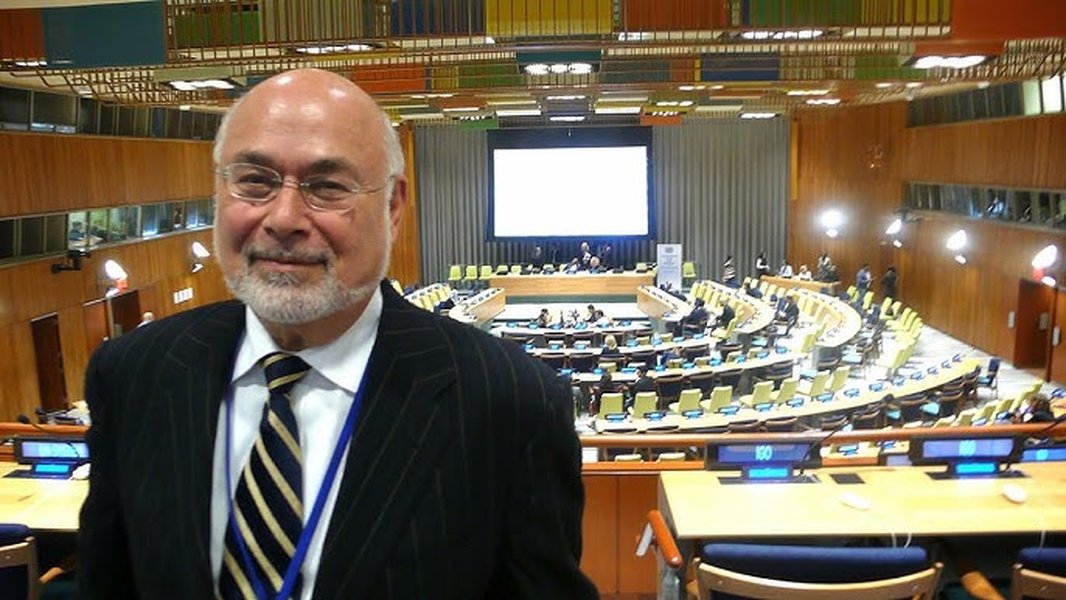

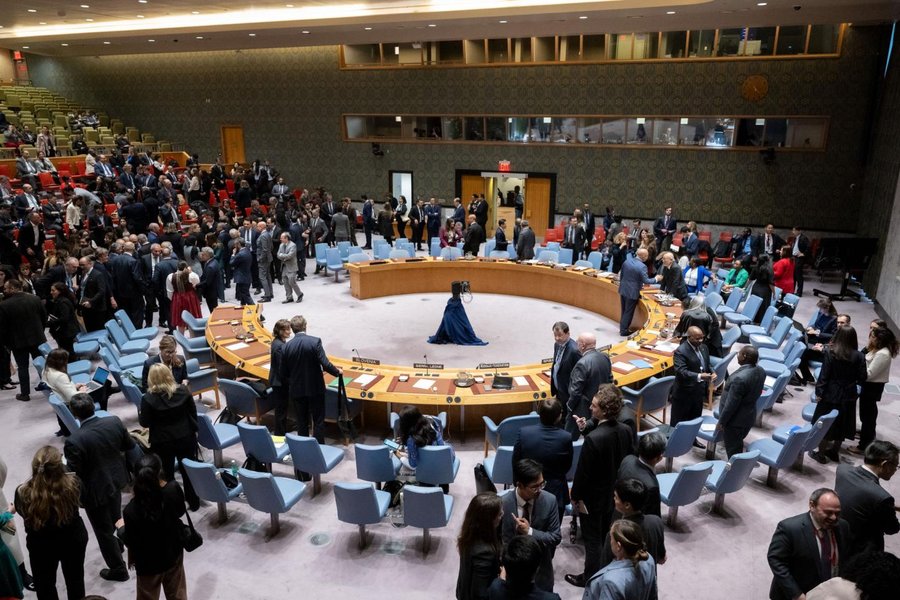
These images represent various facets of human security, from high-level discussions at the UN Security Council to the Human Security for All (HS4A) initiative. They underscore the global effort to prioritize human well-being and safety in the face of diverse threats. The images highlight the importance of integrated approaches that consider economic, social, and environmental factors to achieve comprehensive human security.
FAQ
What is the primary focus of human security?
Human security focuses on protecting individuals and communities from a wide range of threats, including poverty, disease, violence, and environmental degradation. It shifts the focus from state-centric security to human-centric security, emphasizing the well-being and dignity of individuals.
How does human security differ from traditional security?
Traditional security primarily focuses on protecting the state from external military threats and ensuring territorial integrity. Human security broadens this scope to include non-military threats that affect individuals and communities, such as economic insecurity, health crises, and environmental disasters.
Who were the key figures in promoting human security?
Key figures in promoting human security include Mahbub ul Haq at UNDP, who spearheaded the 1994 Human Development Report, and Sadako Ogata and Amartya Sen, who co-chaired the Commission on Human Security. Additionally, various UN Secretaries-General, such as Kofi Annan, have been vocal advocates for human security.
What role has Japan played in advancing human security?
Japan has been a significant proponent of human security, providing financial support through the UN Trust Fund for Human Security and integrating human security principles into its Official Development Assistance (ODA) policies. Successive Prime Ministers of Japan have also actively promoted human security on the international stage.
What are the main dimensions of human security?
The main dimensions of human security, as outlined in the 1994 Human Development Report, include economic security, food security, health security, environmental security, personal security, community security, and political security. These dimensions provide a comprehensive framework for understanding the multifaceted nature of human security threats.
References
Last updated April 11, 2025