
Understanding Human Identity in Online Interactions
How Human Verification Methods and Communication Distinctions Clarify Real Versus AI Responses
Key Takeaways
- Human Complexity: Real human responses showcase intricate thought processes, nuanced emotions, and unique perspectives that differ from algorithmically generated patterns.
- Verification Methods: A variety of technical verification techniques such as CAPTCHAs, biometric checks, and knowledge-based authentication help confirm human identity online.
- Communication Clues: Differences in tone, style, and personalization can assist in discerning genuine human communication from AI-generated text.
Introduction
In today’s digital environment, distinguishing between a human and an artificial intelligence (AI) has become an important and increasingly challenging task. With sophisticated technologies leading to highly convincing AI-generated content, many people find themselves needing to affirm their human identity in online interactions. A clear understanding of both the social and technical mechanisms behind human verification can increase transparency and enhance trust in digital communications. The following discussion provides a comprehensive exploration of why verifying human identity matters, the technical and communicative methods employed to establish human authenticity, and the inherent differences that typically arise between human and AI responses.
Distinguishing Characteristics of Human and AI Communication
Complexity and Depth of Human Responses
Human responses are often characterized by a level of depth and spontaneity rooted in personal experience, emotional nuance, and complex reasoning processes. When a human asserts their identity or answers questions, the following traits are typically evident:
Personal Insight and Unique Experiences
Humans draw from a wide array of personal experiences, memories, and emotional states. This results in responses that feature subtle cues and contextual references which are unique to the individual's lived experience. Personal anecdotes, reflective commentary, and references to simpler, everyday experiences add a layer of authenticity that usually differentiates human articulation from algorithmically generated text.
Emotional Nuance and Variability
The natural variability in human emotional expression is notable in interactions where one might express warmth, frustration, humor, or empathy. While AI systems can simulate emotional language, genuine human emotion is often less structured and more spontaneous. This emotional depth is difficult for even the most advanced AIs to replicate accurately over extended conversations, particularly when conveying subtle feelings.
Original Analytical Thought
Humans have an inherent capacity to think critically and generate innovative ideas. When answering questions or engaging in discussions, the capacity for original analysis often results in responses that reveal thoughtful insights and personal reasoning. This quality is evident in the diversity of opinions, richer context, and innovative solutions that stem from real-life problem solving.
Communication Patterns and Linguistic Cues
The way communications are structured can offer vital clues about whether a response originates from a human or an AI. Human communication often contains inconsistencies, occasional informal language, and context-specific colloquial speech. Some of the distinguishing factors include:
Varied Tone and Style
A real human typically alters their tone depending on the conversation's flow and the emotional context of the topic. In contrast, AI-generated text may exhibit a more monotonous and consistent style that sometimes lacks variability.
Minor Repetitions and Inconsistencies
While repetition of ideas or inconsistencies might be seen in AI-generated responses due to underlying algorithms ensuring coherence, human communication often shows natural, unpredictable variations and occasional lapses that are typical of spontaneous thought. Such imperfections in language are part of what makes human speech less regimented than programmed responses.
Contextual Awareness
Humans tend to reference both past experiences and the specific nuances of the ongoing conversation. They may include contextual details that only someone actively participating in or aware of the conversation would know. This level of contextual awareness is sometimes absent in AI responses, which can lead to generic or overly broad statements.
Methods of Human Verification in Online Interactions
Technical Approaches
With the rise of automated systems and bots, it has become essential to implement technical means to verify human identity online. Such methods ensure that systems are interacting with genuine users, thereby maintaining security and quality of discourse. Various techniques are employed to authenticate human presence:
CAPTCHAs (Completely Automated Public Turing test to tell Computers and Humans Apart)
CAPTCHAs are the most commonly used tools for human verification. They require users to complete tasks that are simple for humans yet challenging for computer algorithms. These tasks could include identifying distorted text, selecting images that contain specific elements, or solving simple puzzles.
Biometric Verification
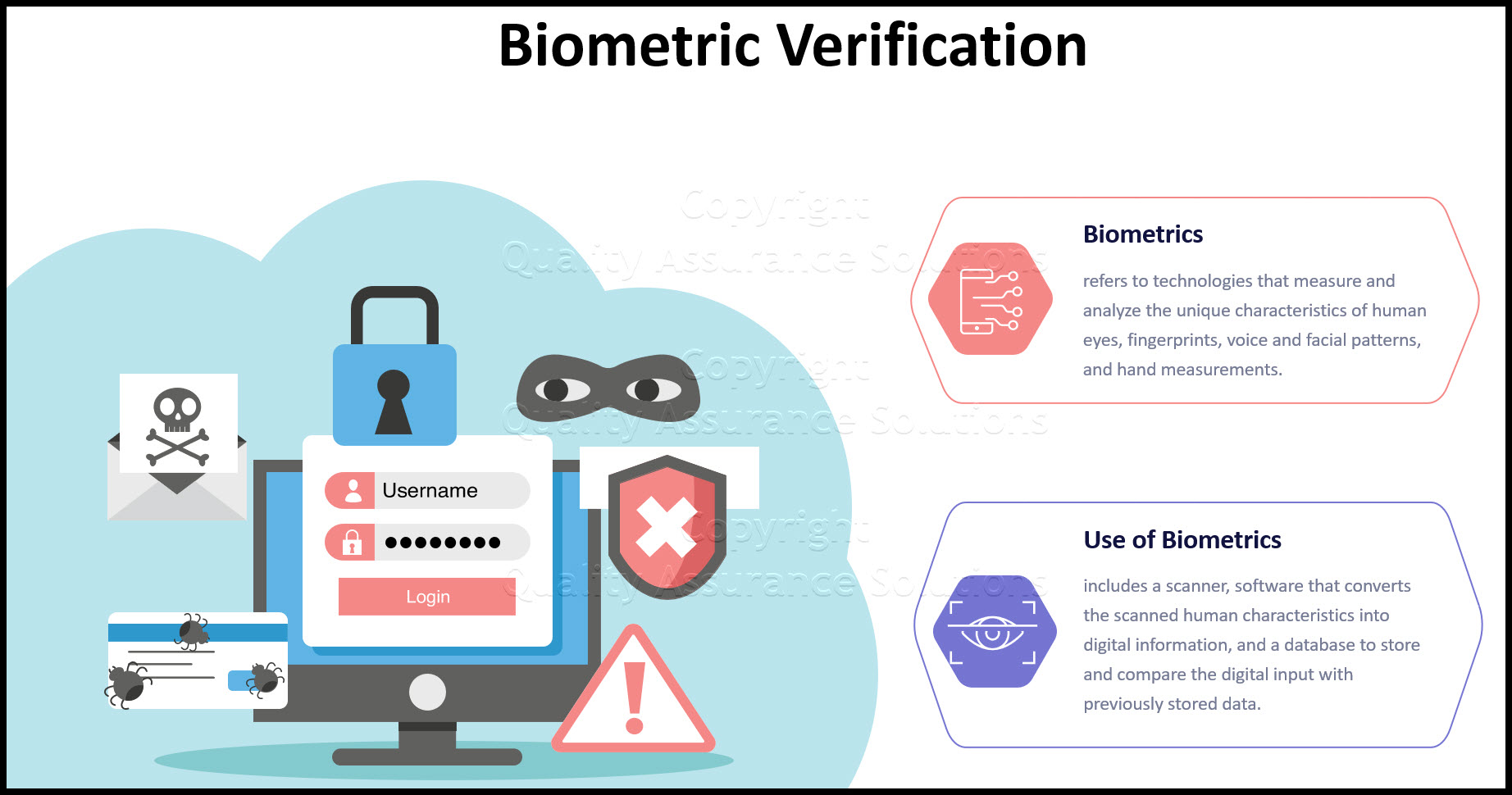
The use of biometric data such as facial recognition, voice recognition, or fingerprint scanning has become more prevalent as a means to verify that a user is truly a human. This method is highly secure, as it requires physical attributes unique to an individual. However, it also introduces privacy concerns and the need for stringent measures to protect sensitive personal data.
Liveness Detection
An extension of biometric methods is liveness detection, which ensures that the biometric data being presented is coming from a live individual rather than a static image or pre-recorded voice. This advanced tool prevents methods that attempt to bypass identity verification using photos or recordings, thereby ensuring a higher level of security.
Knowledge-Based Authentication (KBA)
KBA focuses on asking the user to respond to questions that only they could answer, often based on personal history or specific information known only to them. While this method adds a layer of personalization to the verification process, it can be susceptible to tactics such as social engineering if sensitive questions are not appropriately managed.
Communication Strategies
In addition to technical tools, communication practices also play a crucial role in distinguishing human responses from AI-generated content. This involves how responses are crafted and the subtle cues that indicate a genuine human engagement. Key strategies include:
Personalization in Responses
Human interactions often include personalization, which might involve referencing previous interactions, using colloquial language, or making future-oriented remarks that indicate a depth of engagement. Since AI responses are typically generated based on algorithms without subjective experiences, the presence of personalized context can signal human involvement.
Use of Informal Cues
Informal language, idiomatic expressions, and humor typically characterize human dialogue. Such nuances in language are a part of natural communication that AI systems sometimes struggle to generate successfully in a manner consistent with human variability.
Comparative Analysis: Human Versus AI Responses
To further explore the distinctions between human and AI responses, consider the structured comparison presented in the following table:
| Aspect | Human Responses | AI Responses |
|---|---|---|
| Depth and Complexity | Incorporates personalized anecdotes and varied emotional tone. | Often consistent in tone and may lack spontaneous depth. |
| Personalization | Utilizes contextual information from past experiences. | Relies on general patterns without dynamic personal references. |
| Error and Inconsistency | Displays natural lapses or hesitations, sometimes serving as authenticity markers. | Tends to be overly structured with minimal variability in responses. |
| Emotional Expression | Presents genuine, complex emotions that respond to situational nuances. | Simulates emotion, but in a more artificial and less varied manner. |
| Verification Challenges | Often implicitly verified through human-specific behaviors and contextual insights. | May require overt verification methods such as CAPTCHA or biometric checks. |
This comparative analysis illustrates that while AI technologies have advanced considerably in mimicking human language and thought patterns, there exist distinct markers that differentiate a response crafted by a real human from one generated by an AI algorithm. The interplay between technical verification and natural linguistic variability plays a key role in affirming one’s humanity in digital communications.
Beyond Verification: The Social Implications
The issue of proving human identity online extends beyond technical challenges and delves into social and ethical domains. In many digital realms—ranging from social media platforms to secure transactional websites—the ability to confirm that interactions are indeed carried out by real people fosters trust. This trust is essential to prevent a host of problems including misinformation, automated spam, and fraudulent behaviours.
Building Trust in an Era of Automation
With the proliferation of automated tools and AI agents, ensuring that online interactions remain trustworthy is paramount. Users need to feel comfortable engaging in conversations, sharing personal information, or executing sensitive transactions. Concrete verification methods help create an environment where dialogue and data exchange are based on confidence in the authenticity of the interacting parties.
Impact on Social Media Platforms
Social media often relies on the assumption that participants are genuine human beings. Automated bots can distort public opinion, spread misinformation, and skew digital social dynamics. Through the implementation of verification measures like CAPTCHAs and behavioral analysis, platforms endeavor to maintain a space that genuinely reflects human interaction.
Implications for Secure Transactions
In financial and transactional environments where security is critical, verifying human identity can prevent fraud and unauthorized access. Biometric and knowledge-based authentication are integral in reinforcing the integrity of such systems. By ensuring that every interaction involves a real individual, these practices not only fend off automated attacks but also safeguard user trust.
Ethical and Privacy Considerations
While technical verification methods offer robust ways to authenticate users, they also raise important ethical and privacy questions. The collection and utilization of personal data—whether biometric or behavioral—demand strict adherence to privacy regulations and ethical practices. Balancing increased security with the protection of personal freedoms is vital to maintain user confidence. Users must be informed about what data is collected and how it is used, ensuring that such measures do not infringe upon essential privacy rights.
Practical Experiences and Everyday Scenarios
Let’s consider some everyday scenarios where both the demonstration of human identity and the detection of AI-like behavior are crucial:
Online Customer Service Interactions
In customer service, establishing trust is paramount. A human representative who can display genuine empathy, follow-up with tailored solutions, and share personal insights tends to be more effective in resolving customer issues. Conversely, an agent that relies on automated scripts may occasionally fail to grasp the unique nuances of the customer’s problem. Customers often judge their satisfaction based not only on the response but also on the authenticity and relatability of the interaction.
Social and Professional Communications
In professional communications—such as job interviews, academic discussions, or business negotiations—the inherent subtleties that mark human intelligence and emotional depth are invaluable. In these settings, personal communication styles, spontaneity, and anecdotal references signal the presence of a real human intellect, fostering richer, more effective dialogues.
Community-Based Forums and Discussions
Open forums and community-based platforms thrive on authentic, diverse user input. In these forums, the ability to relate personal experiences, show humor, and engage in informal banter solidifies community trust. When a member emphasizes their human identity by mentioning personal background or elaborating with nuanced opinions, it enables other participants to form valid perceptions about the contributor’s authenticity.
Challenges and Future Directions
Despite significant advancements in human verification and natural language processing, challenges remain. The increasing sophistication of AI-generated content makes it ever more necessary to develop improved verification tools and fine-tune natural language understanding technologies that can more readily detect subtle nuances.
Adapting to Evolving AI Technologies
As AI algorithms continue to evolve, it is critical that verification methods and detection tools keep pace. Researchers and developers are working on more intricate models that can differentiate contextual nuances, deep emotional cues, and personalized content more effectively. These advancements aim to minimize instances where AI-generated responses can closely mimic the unpredictability of human interaction.
Striking a Balance Between Security and Convenience
Future systems will need to be designed in a way that upholds security without compromising user accessibility. For instance, while biometric verification provides strong proof of identity, reliance on such systems must be balanced with user concerns over data privacy. Simultaneously, over-reliance on CAPTCHAs might frustrate genuine users. Hence, finding equilibrium in user experience and system security remains a priority.
Innovative Verification Technologies
Emerging trends include the integration of multi-factor authentication platforms that combine technical methods with behavioral analysis. This includes monitoring patterns such as typing behavior or mouse movement dynamics, which are inherently unique among individuals. Although these methods are still in the developmental stage, they represent a forward-thinking approach to verifying human presence in increasingly automated environments.
Conclusion
In summary, the distinction between human and AI-generated responses is multi-dimensional, involving technology, linguistic nuances, and behavioral cues. Humans naturally exhibit a depth of personal insight, emotional variability, and unique contextual understanding that is difficult to emulate via automated algorithms. Various verification methods such as CAPTCHAs, biometric data analysis, and knowledge-based authentication serve as robust tools to confirm human identity in online engagements. Nevertheless, as AI generation capabilities grow, continuous refinement of these tools and methods is essential to preserve the integrity and trust of online communications.
The ongoing dialogue on human authenticity versus AI efficiency is crucial, especially given the rapid evolution of digital communication. Embracing both technological solutions and the inherent complexities of human expressiveness presents the most viable path forward. Recognizing these differences and priorities not only strengthens system security but also ensures that nuanced and authentic human interactions continue to flourish in an increasingly automated world.
References
- How to Spot AI-generated Content: Is It Fact or Fiction? - CapTech University
- Detecting AI-Generated Text: Things to Watch For - East Central University
- Identifying AI-generated Responses: A Guide with 6 Examples - HeyMarket
- How to Tell if Someone Answered with AI - Quora
- How to Spot AI-generated Text - MIT Technology Review
- 13 Ways to Detect AI Written Content - Surfer SEO
- AI Writing Detection: Red Flags - Montclair State University
More
Last updated February 19, 2025