
The Impact of Humanoid Robotics & Artificial Intelligence on Process Automation
Exploring efficiency, adaptability, and new collaborative paradigms in industrial automation
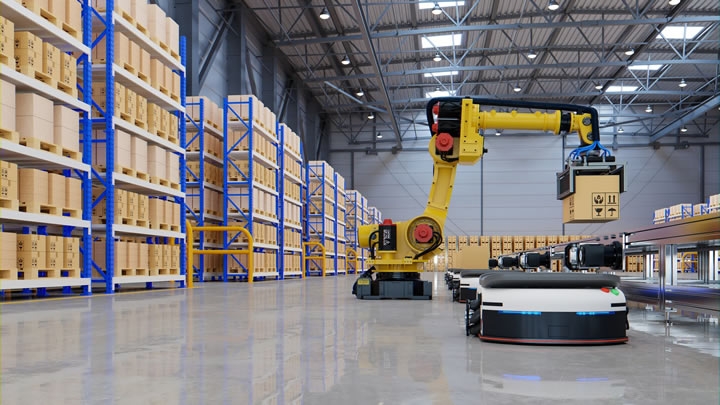
Key Highlights
- Enhanced Efficiency & Productivity: Robots performing repetitive and high-precision tasks continuously in diverse industries.
- Flexible Operations & Real-Time Learning: Adaptability to various tasks with AI-driven self-improvement and decision-making.
- Improved Safety & Human-Robot Collaboration: Increased workplace safety and operational synergy through intelligent automation.
Overview of Humanoid Robotics and AI in Process Automation
Humanoid robotics integrated with artificial intelligence (AI) profoundly transform process automation across multiple industries such as manufacturing, logistics, healthcare, and even aging services. These technologies work synergistically to offer remarkable improvements in efficiency, safety, and operational flexibility.
Humanoid robots are machines designed to mimic human physical forms, enabling them to interact with environments created for people. When paired with AI, they are capable of learning from data, making autonomous decisions, and executing tasks with high degrees of precision. This combination addresses challenges like labor shortages, repetitive tasks, and complex decision-making processes in dynamic environments.
Advantages of Integrating Humanoid Robotics with AI
Increased Efficiency and Productivity
Using humanoid robots in process automation introduces unprecedented efficiency gains. Their human-like design allows them to navigate spaces crafted for humans, handling tasks that are repetitive, dangerous, or require a delicate touch. Unlike human workers, these robots can operate continuously without fatigue. When equipped with AI, they further enhance productivity by learning and adapting to subtle changes in task requirements.
The robust design of such systems ensures that tasks ranging from assembly line production to quality inspection are executed with consistency and precision. Statistical analysis of production metrics in many industries has shown reduced cycle times and minimized errors when these advanced systems are deployed. Additionally, AI algorithms monitor production data in real time and make necessary adjustments, increasing throughput while maintaining high standards of quality.
Flexibility and Adaptability in Operations
Traditionally, automation was limited to fixed tasks and uniform production environments. With AI-driven humanoid robots, the paradigm has shifted toward adaptive automation, where robots can quickly switch between different tasks without specialized reprogramming. This is achieved through machine learning techniques that enable them to recognize patterns and learn from varying operational contexts.
Modern production environments benefit from this flexibility by easily adapting to fluctuations in product demand. For example, a single robot may perform precision assembly during one shift and then reconfigure to manage logistics or quality control during the next. AI algorithms simultaneously optimize the workflow, ensuring that production runs smoothly even as needs change. This level of dynamism in process automation not only shortens downtime but also maximizes resource utilization.
Enhanced Safety and Quality Control
Safety in industrial settings is significantly improved through the incorporation of humanoid robots. By taking on hazardous duties such as handling toxic chemicals or operating in dangerous environments, these robots reduce the risk of injury among human workers. Advanced sensor arrays and AI-driven decision-making capabilities ensure that hazardous conditions are detected early and responded to swiftly.
Moreover, the high precision of these robots minimizes errors in production. AI-powered quality control algorithms continuously monitor output data, identifying defects and ensuring consistency. Real-time corrections lead to fewer reworks, better product quality, and reduced waste. In particular, the integration of AI with robotics has been highly beneficial in sectors such as automotive production and electronics, where even minor inaccuracies can cause significant downstream issues.
Real-Time Decision-Making and Learning
The combination of real-time data processing and machine learning has transformed how tasks are executed on factory floors. Humanoid robots are now capable of making decisions based on live sensor data and historical performance metrics. This is particularly advantageous for process automation where conditions may change rapidly. For instance, should an irregularity be detected in an assembly line, an AI-enabled robot can adjust its actions immediately to preserve the integrity of the product.
These capabilities are underpinned by advanced neural networks that allow the robots to continuously refine their operations. They account for variables like temperature fluctuations, production line bottlenecks, and material inconsistencies. Over time, their proficiency increases, leading to self-optimization in production workflows that ultimately augments overall efficiency.
Industry Applications and Real-World Impact
Manufacturing and Logistics
One of the most significant impacts of humanoid robotics combined with AI is seen in manufacturing and logistics. Industries facing labor shortages and high demands for precision have adopted these systems to achieve better output levels. Robots engaged in repetitive tasks such as assembly, welding, painting, and packaging have become a staple in many production lines.
Furthermore, robots are now being employed in logistics environments to manage warehousing operations. Tasks such as inventory control, order fulfillment, and sorting are executed with superior accuracy and speed. The ability of these robots to work non-stop and adapt to various operational needs has drastically reduced the lead times in supply chain management.
Healthcare and Elderly Care
Beyond traditional industries, humanoid robotics and AI are making significant inroads into the healthcare sector. In hospitals and elder care settings, robots are being deployed to assist with routine tasks such as patient monitoring, medication delivery, and even providing physical assistance. Their consistent performance and precision reduce the workload on healthcare professionals, allowing doctors and nurses more time to focus on patient care.
Robots in healthcare also improve the overall quality of care by ensuring adherence to strict protocols and reducing human errors during procedures. Their assistance in areas like remote diagnostics and telepresence consultations is revolutionizing the accessibility and reliability of medical services.
Automotive and Electronics Industries
The automotive and electronics sectors have seen substantial benefits from the integration of humanoid robotics. In automotive assembly, robots not only construct vehicles but also perform inspections and maintenance routines accurately. The adaptability of these robots means they can shift operations rapidly to suit the fast-paced changes inherent in these industries.
Similarly, the electronics industry utilizes these robots for delicate tasks such as assembling small components and circuit boards. Their ability to handle intricate tasks with minimal error margins significantly enhances product quality and reliability. AI algorithms further ensure that production processes are continuously refined, resulting in lower defect rates and higher throughput.
Emerging Sectors and Future Trends
While manufacturing and logistics remain at the forefront of robotic integration, other sectors are beginning to explore the potential of humanoid robotics and AI. Industries such as hospitality, retail, and even entertainment are investigating how these systems can improve customer service, optimize operations, and create novel user experiences.
In these contexts, robots may assist with tasks like customer consultations, room service deliveries, and interactive information kiosks. The future may also see their involvement in M&A due to technological convergence, where robots provide analytical services or handle rudimentary administrative tasks in corporate environments.
Challenges and Considerations in the Integration Process
Job Displacement and Workforce Transformation
One of the most debated issues with increased automation is the potential displacement of human workers. As humanoid robots become more capable, there is understandable concern over job losses in traditional roles. However, the transformation also presents the opportunity for new roles dedicated to robotics engineering, AI development, and system maintenance.
With thoughtful workforce restructuring, companies can leverage these technologies to augment rather than replace human labor. Upskilling and reskilling programs are vital in ensuring that workers transition into roles that work in tandem with robotic systems. This collaborative integration minimizes negative socio-economic impacts while maximizing productivity gains.
Dependence on Advanced Technologies
As organizations integrate humanoid robots with AI, there remains an inherent risk of over-dependence on these advanced technologies. Failure in one segment—whether due to a software glitch or mechanical issue—can lead to significant disruptions in production. Ensuring robust fail-safes and redundant systems is therefore key to mitigating these risks.
The interplay between software reliance and physical machinery necessitates stringent cybersecurity and maintenance protocols. Investment in these areas not only protects against failures but also safeguards sensitive data used in optimizing operations. In short, balancing technological advancement with risk management is critical to sustainable automation.
Ethical and Bias Considerations
AI systems are only as unbiased as the data they are trained on. Humanoid robots, when deployed in roles that involve decision-making based on AI algorithms, must be carefully monitored to prevent perpetuation of biases. This is especially relevant in applications such as healthcare assistance or public service roles where fairness and accuracy are paramount.
Responsible AI development involves comprehensive testing, transparent methodologies, and continual updates to the datasets these systems learn from. Organizations must prioritize ethical artificial intelligence to ensure that the benefits of automation are realized equitably.
Comprehensive Comparative Overview
Summary of Key Attributes
The integration of humanoid robotics and artificial intelligence in process automation can be summarized through essential attributes that span operational efficiency, flexibility, safety, and adaptability. The following table highlights these key aspects:
| Attribute | Description | Impact |
|---|---|---|
| Efficiency & Productivity | Robots executing tasks continuously without fatigue, and AI optimizing workflow in real time. | Reduces production time, lowers error rates, and boosts overall output. |
| Flexibility | Ability to adapt to multiple roles and changing production needs with minimal reprogramming. | Enhances operational versatility and rapidly responds to market demands. |
| Safety & Quality | Performing hazardous tasks with advanced monitoring and error-detection capabilities. | Improves workplace safety and ensures consistency in quality control. |
| Real-Time Learning | AI algorithms facilitate continuous improvement and decision-making based on data. | Allows for immediate adjustments in production processes, reducing downtime. |
| Cost Efficiency | Initial high investments balanced by long-term savings from reduced labor and error corrections. | Optimizes operational budgets and increases return on investment. |
Future Directions and Progressive Integration
Greater Autonomy and Scalability
Future developments in humanoid robotics and AI are likely to lead to even more autonomous systems capable of self-diagnosis, proactive maintenance, and workflow self-optimization. The evolution toward greater autonomy includes the capability to reconfigure themselves in response to environmental and operational changes without direct human intervention.
Scalability represents another major trend as production environments become more modular. This means that instead of massive, fixed setups, companies will have smaller, more agile robotic units that can be deployed where needed. Scalability paired with AI-driven self-improvement will revolutionize traditional models of process automation.
Enhanced Human-Robot Collaboration
While concerns around job displacement are prevalent, the future of automation lies in collaborative frameworks where robots support human workers. Human-robot collaboration involves integrating robots into existing teams to assist with manual tasks, data processing, and service delivery. This collaborative synergy ensures that human judgment is complemented by the precise mechanical capabilities of robots.
Such systems not only maintain or improve productivity but also enhance overall job satisfaction by transferring routine tasks to machines. This allows human employees to focus on creative and customer-oriented roles that require empathy and critical thinking—domains where AI and robotics are not equipped to fully replace human capability.
Responsible Adoption and Ethical Implications
As the technological landscape evolves, so too must industry standards and ethical practices. Businesses increasingly recognize the importance of developing frameworks that ensure fairness, accountability, and transparency in the use of AI-driven robots. Ensuring proper oversight and updates to AI training data is paramount. Organizations are investing in research and development to address issues of bias and to provide adequate training for the workforce to adapt to new roles.
Responsible adoption is not solely a matter of ethics but also a strategic measure that enhances long-term viability. Effective policies ensure that the benefits of automation are widely distributed while mitigating risks of dependency, job displacement, and ethical missteps.
In-Depth Analysis: Integration, Challenges, and the Path Forward
Synergistic Integration in Production Ecosystems
The combination of humanoid robotics and AI is being incorporated into end-to-end production ecosystems. In many modern plants, these robots perform tasks that once required specialized human skills, such as intricate assembly or real-time adjustments during production cycles. The adaptive nature of these systems means that they not only execute tasks but also generate data that informs further optimization.
This integration results in a continuous feedback loop where data from sensors, quality control systems, and operational metrics influence AI algorithms to enhance performance incrementally. As a result, operational efficiencies are maximized, waste is minimized, and production quality improves significantly.
Addressing Socio-Economic Challenges
Although the adoption of humanoid robotics propelled by AI presents transformative benefits, it also raises socio-economic concerns. One of the foremost challenges is balancing the potential for job displacement with the creation of opportunities in tech-focused roles. Industry leaders are increasingly advocating for proactive retraining initiatives and partnerships with educational institutions to prepare the workforce for an evolving job market.
Organizations that invest in skill development not only help their employees transition into new roles but also benefit from a more agile, knowledgeable team that can manage, monitor, and collaborate with automated systems effectively. In essence, the future of process automation hinges on a harmonious integration of human expertise and robotic precision.
Operational and Regulatory Considerations
The burgeoning reliance on robotics and AI necessitates stringent operational standards and regulatory frameworks. Ensuring cybersecurity, managing data privacy, and maintaining robust safety protocols are critical components in achieving successful automation. As regulators and industry groups begin to codify standards around the use of AI in industrial settings, companies are encouraged to adopt best practices that balance innovation with accountability.
Notably, responsible automation strategies often include continuous monitoring and risk assessment. This proactive approach mitigates the potential negative ramifications of over-reliance on technology and positions companies to more safely reap the benefits of advanced process automation.
References
-
Humanoid Robots Push the Bounds - Assembly Magazine
- Humanoid Robots in Warehouse Automation - Gartner
- Impact on the Production Workforce - Automate
- AI-Powered Robots Enhance Efficiency - American Machinist
- Humanoids Changing Auto Production - Automotive Manufacturing Solutions
Recommended Further Exploration
Last updated March 12, 2025