
Missing Persons in Hungary: Unpacking the Media Spotlight
How government influence and international dimensions shape the narrative around disappearances.
The coverage of missing persons cases in Hungarian media presents a complex picture, influenced by high-profile incidents involving both Hungarian citizens abroad and foreigners within the country. Understanding this coverage requires looking at specific cases, the broader media environment, and the interplay between national and international factors.
Highlights
- Government Influence is Key: Reports suggest significant government control over the Hungarian media landscape impacts the depth, focus, and independence of reporting on sensitive issues like missing persons.
- International Cases Dominate Headlines: Cases involving Hungarians missing overseas (like in India or Scotland) or foreigners disappearing within Hungary (like American tourist Mackenzie Michalski) often receive more prominent coverage.
- Focus on Resolution & Official Narratives: Media coverage frequently emphasizes police investigations, international cooperation, and case resolutions, sometimes lacking deeper investigative scrutiny into potential systemic issues.
Prominent Cases Shaping the Narrative
Several recent missing persons cases have drawn significant attention from Hungarian media outlets, illustrating the typical patterns and focus areas of coverage.
The Tragic Case of Mackenzie Michalski in Budapest
The disappearance and subsequent murder of Mackenzie Michalski, a 31-year-old American nurse visiting Budapest, garnered extensive international and Hungarian media attention in late 2024. Last seen at a well-known ruin pub, her case quickly escalated.

Media Focus and Investigation
Hungarian media outlets, including those referenced by international news sources like CBS News and Daily News Hungary, reported on the search efforts and the subsequent police investigation. Coverage highlighted the arrest of a suspect, reportedly an Irish national Michalski met shortly before her disappearance. Disturbing details emerged, such as the suspect's internet searches related to body disposal and police procedures in missing person cases. The focus remained largely on the criminal investigation and its resolution, portraying it as an isolated incident involving foreign nationals.
Hungarian Tourist Zsolt Puskás Missing in India
The case of Zsolt Puskás, a Hungarian tourist who went missing in Meghalaya, India, on March 29, 2025, was covered by outlets like Daily News Hungary. Puskás was trekking near the famous Nongriat root bridge trail.

Reporting on the Search and Discovery
Hungarian media reported on the extensive search operations led by Indian authorities in the remote, forested region. The coverage emphasized the international aspect – a Hungarian citizen missing abroad – and the challenges faced by search teams. Tragically, Puskás's decomposed body was found on April 11, 2025. Media reports focused on the confirmation of his death and the logistical details of the search and recovery, framing it as a cautionary tale of adventure tourism risks.
The Huszti Twins Disappearance in Scotland
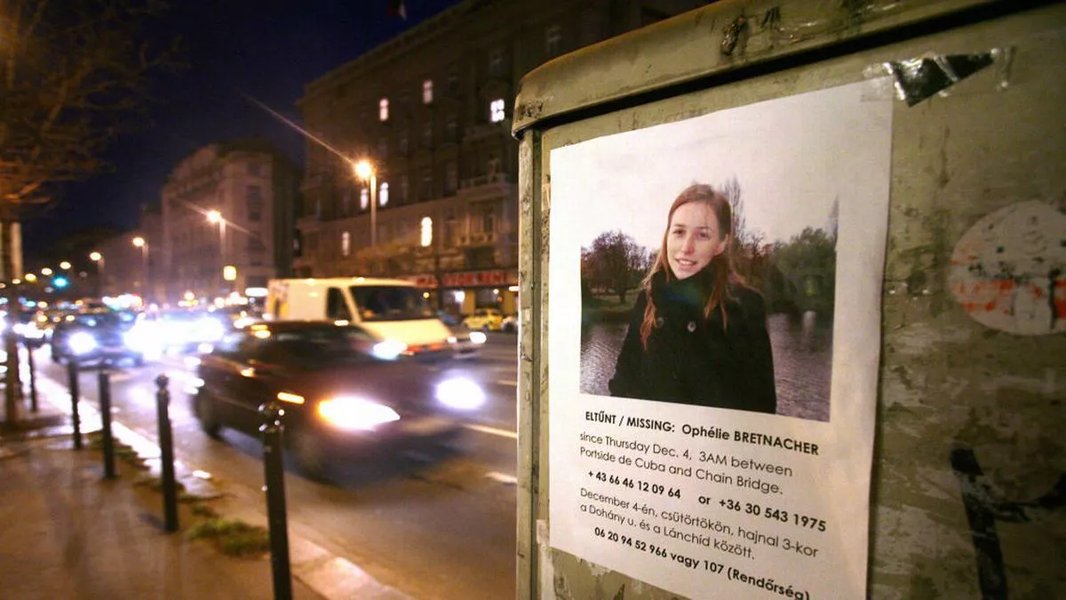
In early January 2025, Hungarian twins Eliza and Henrietta Huszti went missing in Aberdeen, Scotland. This case received coverage in both Scottish and Hungarian media, with outlets like *Hungarian Conservative* reporting on the developments.
Emphasis on International Cooperation
The reporting highlighted the collaborative efforts between Scottish police and Hungarian authorities, with Hungarian officers reportedly assisting in the investigation. A Hungarian journalist also traveled to Aberdeen, signifying media commitment. The coverage emphasized the family's distress and the cross-border police work, fitting a pattern where cases involving Hungarians abroad are framed through national concern and international partnerships. The media tracked the timeline provided by Scottish authorities, focusing on procedural updates.
The Hungarian Media Landscape: Control and Consequences
Understanding how missing persons cases are covered in Hungary requires acknowledging the significant influence the government exerts over the media environment. Multiple sources, including reports cited by the Associated Press and Human Rights Watch, indicate that the Hungarian government, under Prime Minister Viktor Orbán, controls a vast majority—estimated at around 90%—of the country's media outlets.
Impact on Reporting
This level of control has profound implications for journalism, particularly on sensitive topics:
- Limited Independence: The space for independent, critical journalism is significantly constrained. Outlets often align with government narratives.
- Selective Coverage: Cases might be prioritized based on political expediency, national interest framing, or sensational value, rather than public interest alone.
- Lack of Scrutiny: In-depth investigative reporting that might uncover systemic failures in search efforts, law enforcement responses, or social issues contributing to disappearances is rare.
- Focus on Official Sources: Reporting often relies heavily on official statements from police or government bodies, without independent verification or critical analysis.
- Downplaying Domestic Issues: There might be a tendency to downplay issues that could reflect negatively on Hungary, such as crime rates or inadequate social support systems potentially linked to disappearances.
Visualizing Media Focus
The following chart offers a conceptual representation of perceived focus areas in Hungarian media coverage of missing persons cases, based on the synthesized information. It contrasts coverage characteristics for cases involving Hungarians abroad versus foreigners within Hungary, highlighting potential differences influenced by the controlled media environment. Note that this is an illustrative analysis, not based on quantitative data.
As the chart suggests, coverage for both types of cases tends to align with official narratives and emphasize resolution. Cases involving Hungarians abroad might see a stronger focus on international cooperation, while the depth of investigation and critical scrutiny remain relatively low across the board, potentially reflecting the constraints of the media environment.
Understanding the Coverage Dynamics
This mindmap summarizes the key elements influencing how missing persons cases are reported in the Hungarian media landscape.
Comparing Coverage of Key Cases
The table below summarizes key aspects of the media coverage for the prominent missing persons cases discussed, highlighting differences and similarities in reporting focus.
| Case | Nationality | Location of Disappearance | Key Media Focus Points | Mentioned Reporting Outlets/Sources |
|---|---|---|---|---|
| Mackenzie Michalski | American | Budapest, Hungary | Criminal investigation, Suspect details (internet searches, arrest), International aspect (US citizen), Resolution (found deceased, suspect charged) | Daily News Hungary, CBS News, ABC News, WGRZ, Hungarian Conservative (implied via About Hungary) |
| Zsolt Puskás | Hungarian | Meghalaya, India | Search operations, Remote location challenges, International aspect (Hungarian abroad), Outcome (found deceased) | Daily News Hungary, Mathrubhumi (India), Tribune India (India) |
| Eliza & Henrietta Huszti | Hungarian | Aberdeen, Scotland | International police cooperation (HU/Scottish), Journalist involvement, Family appeals, Search updates based on Scottish reports | Hungarian Conservative, BBC News (UK), The Guardian (UK) |
Insights from a Police Briefing
The case of Mackenzie Michalski brought significant international attention. The video below shows a news report discussing the Budapest Metropolitan Police press conference regarding her murder investigation. This provides insight into how official information about such sensitive cases involving foreigners is disseminated and subsequently reported by media outlets.
This type of official briefing often forms the core of media reports in Hungary, particularly in high-profile criminal cases linked to disappearances. While providing factual updates, the reliance on such briefings can sometimes limit the scope of reporting, focusing primarily on the law enforcement perspective and the resolution of the crime, rather than broader contextual factors or potential preventive measures.
Frequently Asked Questions (FAQ)
How does government media control affect missing persons coverage?
Are cases involving foreigners treated differently than those involving Hungarians?
What role does social media play?
Is there a global context for missing persons cases affecting Hungary?
References
- The Disappearance of Mackenzie Michalski: A Global Search for Answers - American Post
- Hungarian tourist goes missing in India! - Daily News Hungary
- Mystery Surrounds the Case of Missing Hungarian Twins in Scotland - Hungarian Conservative
- How Hungary's Orbán uses control of the media to escape scrutiny - Associated Press
- Disturbing details emerge after American nurse killed in Budapest - CBS News
- Sharp rise in new missing persons cases in 2024: ICRC - UN News
- Systematic Undermining of Media Freedom in Hungary - Human Rights Watch
Recommended
Last updated April 13, 2025