
Hybrid CO₂ Capture Processes
Exploring the Next Generation of Carbon Capture Technologies
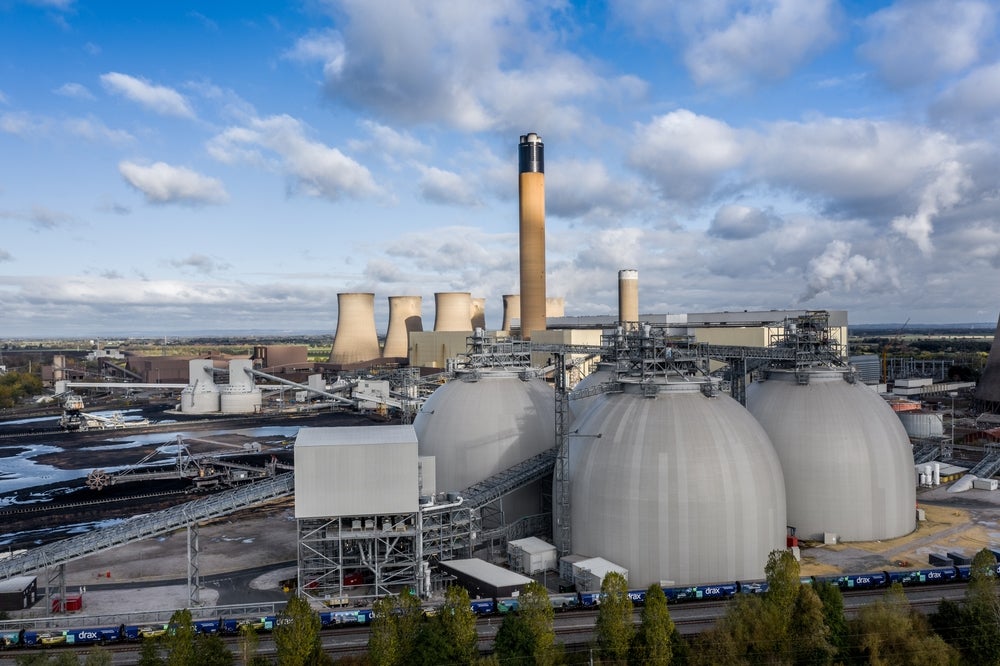
Key Highlights
- Enhanced Efficiency: Hybrid systems combine strengths of multiple capture technologies to achieve high capture rates and precise control.
- Reduced Energy Consumption: Advanced designs such as membrane-cryogenic and VPSA-cryogenic deliver superior performance with lower energy requirements.
- Economic and Environmental Benefits: These processes lower costs, reduce emissions, and open pathways for CO₂ reuse in sustainable applications.
Overview of Hybrid CO₂ Capture Processes
Hybrid CO₂ capture processes are innovative approaches designed to mitigate greenhouse gas emissions by integrating two or more standalone carbon capture technologies. The rationale behind these hybrid systems is to exploit the unique benefits of each individual method, thereby improving both efficiency and economic viability compared to single-method systems. Today’s hybrid technologies are evolving rapidly, driven by increasing concerns over climate change and the urgent need to reduce emissions from power plants and industrial sources.
These systems are typically configured to either operate in series (where one technology conditions the stream for subsequent separation) or in parallel (where different methods capture CO₂ concurrently), or as a fully integrated process. Each configuration seeks to optimize the overall capture process by overcoming the limitations of conventional single-method capture systems.
Core Technologies in Hybrid CO₂ Capture
Membrane-Based Systems
Membrane separation is one of the cornerstones of hybrid CO₂ capture systems. Membrane units serve as pretreatment devices that separate and concentrate CO₂ from a mixed gas stream. By enriching the CO₂ content, subsequent processes (such as cryogenic distillation or absorption) become more effective. The benefits of using membrane technology include compact system sizes and operational flexibility.
Cryogenic Processes
Cryogenic separation uses extremely low temperatures to condense CO₂, facilitating its removal in high purity forms. When combined with membrane separation, the cryogenic unit benefits from a pre-concentrated CO₂ feed, which significantly improves the energy efficiency of the cooling process. Hybrid membrane-cryogenic processes have been shown to achieve CO₂ capture efficiencies of up to 98% with energy consumption estimates around 1.7 MJ per kg of CO₂ avoided.
Absorption and Adsorption Methods
Absorption methods involve using liquid solvents, most notably amines, to chemically bind CO₂, while adsorption relies on solid materials like zeolites or metal-organic frameworks that physically or chemically attach CO₂ molecules. Combining these methods with membrane separation can significantly improve the capture rate by pre-enriching the gas stream, thereby reducing solvent degradation and enhancing operational performance. Moreover, hybrid absorption-adsorption systems are being designed to lower the operational costs by minimizing energy inputs and maintenance requirements.
Vacuum Pressure Swing Adsorption (VPSA)
VPSA is another component used in hybrid configurations. When paired with cryogenic purification units, VPSA first concentrates the CO₂ and then passes it to a cryogenic unit for further purification, resulting in extremely high-purity CO₂ (>99.99%). This arrangement proves beneficial, particularly in post-combustion scenarios where flue gases present lower CO₂ concentrations.
Detailed Hybrid Process Configurations
Membrane-Cryogenic Hybrid Process
Process Description
The membrane-cryogenic hybrid process first uses membrane separation to elevate the CO₂ concentration in the flue gas. The enriched gas then enters a cryogenic stage, where the reduction in temperature induces phase change and separation of CO₂. This staged approach leverages the membranes’ ability to handle high flow rates and the cryogenic process’s power to achieve high purity.
Advantages
With capture efficiencies reaching up to 98% and energy consumption as low as 1.7 MJ per kg of CO₂ avoided, this hybrid process promises a considerable reduction in energy and operational costs. The compact design and multi-staging potential of membranes further optimize the complete system, making them favorable for retrofitting existing infrastructure.
Absorption-Adsorption Hybrid Process
Process Description
In this configuration, a membrane first enriches the CO₂ level in the flue gas, which then feeds into an absorber or adsorber unit. The absorption unit uses liquid solvents to chemically sequester CO₂, while the adsorption component provides a physical capture mechanism that enhances the overall yield. This dual strategy minimizes solvent usage and attendant degradation, ensuring long-term system stability.
Advantages
The combination allows for higher CO₂ purity and a reduction in cyclic operational costs. The synergy between the physical separation (adsorption) and chemical absorption ensures that both the capture rate and the overall system capacity are enhanced. Additionally, the hybrid setup may facilitate easier integration with downstream processing, such as CO₂ conversion into useful products.
VPSA-Cryogenic Hybrid Process
Process Description
This hybrid process involves a two-step approach in which Vacuum Pressure Swing Adsorption concentrates CO₂ from flue gases featuring lower concentrations. The concentrated gas is then subjected to cryogenic purification, producing ultra-high purity CO₂ that can be easily captured and stored or used as a feedstock for chemical production. This process is particularly applicable to industrial environments where CO₂ concentration fluctuations are common.
Advantages
The combination ensures cost-effective capture, especially in systems where fluctuations in gas composition demand flexibility. The VPSA component efficiently handles the initial capture, while the subsequent cryogenic stage guarantees the removal of any residual impurities. These advantages not only improve process efficiency but also help lower capture costs due to reduced energy requirements.
Hybrid Direct Air Capture (DAC) Systems
Process Description
Hybrid approaches in direct air capture blend sorption technologies—using advanced materials like polymer-coated substrates or hybrid sorbents—with conventional capture methods. These systems typically employ a polymer layer over an aqueous amino acid solution, enhancing both CO₂ uptake and absorption rates. The improved solubility and transport of CO₂ make these systems suitable for capturing the low-concentration CO₂ present in ambient air.
Advantages
The major advantages include scalability and ease of deployment at household or community levels. They also facilitate the conversion of captured CO₂ into valuable products, stimulating a circular economy approach. Although many direct air capture systems remain under development, the hybrid variants show promise for cost reduction and improved long-term performance.
Comparative Overview via a Summary Table
| Process Type | Key Components | Advantages | Challenges |
|---|---|---|---|
| Membrane-Cryogenic | Membranes + Cryogenic Distillation | High CO₂ purity, up to 98% capture, low energy consumption | Requires precise temperature control and integration |
| Absorption-Adsorption | Membrane Pre-treatment, Solvent Absorption, Solid Adsorption | Enhanced separation efficiency and reduced operating costs | Complexity in combining physical and chemical processes |
| VPSA-Cryogenic | VPSA Pre-concentration, Cryogenic Purification | Cost-effective for low-concentration CO₂ streams, high purity product | Balancing energy consumption and recovery rates |
| Hybrid Direct Air Capture | Polymer Sorption Layer, Aqueous Amino Acid System | Scalable and flexible approach for ambient CO₂ capture | Developmental stage; optimization of sorbent performance needed |
Economic and Environmental Implications
Hybrid CO₂ capture processes not only promise technological advancements but also offer significant economic and environmental benefits. Economically, integrating different technologies can lower capital investment and operating costs. The synergy between systems—such as pre-enrichment of gases and efficient cryogenic separation—minimizes energy usage, resulting in a lower cost per unit of captured CO₂.
Environmentally, these hybrid systems contribute to reduced greenhouse gas emissions by maximizing the amount of CO₂ that can be captured from industrial flue gases and ambient air. Beyond capacity and efficiency benefits, hybrid systems can promote circular economy initiatives by facilitating the conversion of captured CO₂ into chemicals, fuels, or building materials. This transforms a waste product into a valuable resource, further aligning with global sustainability goals.
Research, Development, and Future Directions
Advancements in Process Design
Ongoing research focuses on refining process configurations and exploring innovative system integrations. Researchers are investigating techniques such as multi-staging membranes, energy recovery systems, and temperature swing adsorption cycles. The goal is to enhance the performance of each hybrid component while minimizing overall energy consumption.
Moreover, techno-economic analyses are being conducted to explore scaling opportunities and the integration of such systems into existing power plants or industrial settings. These studies reveal that hybrid processes can be economically competitive, especially when paired with low-carbon electricity sources and designed with modularity in mind.
Challenges and Opportunities
Despite their promising advantages, hybrid systems face several challenges.
First, the integration of different technologies requires extensive system optimization to ensure that the strengths of each component are effectively harnessed. There is a need for robust control systems that can manage the dynamic interplay between processing units.
Second, while the energy usage of some hybrid configurations is comparatively low, further improvements are necessary to make these systems viable on a large scale. The cost and durability of membranes, solvents, and cryogenic machinery are key areas under scrutiny.
However, the potential for recyclability and reuse of captured CO₂ presents an opportunity to develop a circular carbon economy. Converting CO₂ into high-value products like fuels, chemicals, or construction materials is an exciting front that could drive further investments into hybrid carbon capture solutions.
Case Studies and Industrial Applications
Retrofitting Existing Facilities
Several industrial plants and power generation facilities are exploring the retrofitting of their existing infrastructure with hybrid CO₂ capture systems. By integrating membrane and cryogenic units or combining adsorption and absorption technologies, plant operators aim to reduce emissions without major modifications to plant designs. These adaptations facilitate smoother transitions toward lower emissions in a cost-effective manner.
Pilot Projects and Demonstration Plants
Multiple pilot projects around the world have tested the viability of hybrid capture processes. These demonstration plants provide real-world data on capture rates, energy demands, and operational costs. Feedback from these projects is critical in guiding further refinements to system designs, paving the way for broader commercialization.
Scope for Future Innovation
As the demand for rapid decarbonization grows, hybrid CO₂ capture processes remain at the forefront of research and development. Future innovation is likely to focus on:
- Optimizing integrated systems for modularity and scalability.
- Developing new materials for membranes and adsorbents that offer better performance and durability.
- Exploring synergies with renewable energy sources to further reduce the carbon footprint of the capture process.
- Incorporating adaptive control mechanisms to ensure optimal operation under variable industrial conditions.
References
-
Membrane-Cryogenic CO₂ Capture - ScienceDirect
-
Hybrid Absorption-Adsorption Techniques - ScienceDirect
-
Innovations in Hybrid CO₂ Capture - Frontiers in Energy Research
- Advanced Hybrid CO₂ Capture Systems - AAQR
- Economic Aspects of Hybrid CO₂ Capture - Energy Capital Ventures
Recommended Further Queries
Last updated March 19, 2025