
Unveiling the Science of Hybrid Plasma Technology
Discover how combining plasma methods advances materials, medicine, and environmental tech
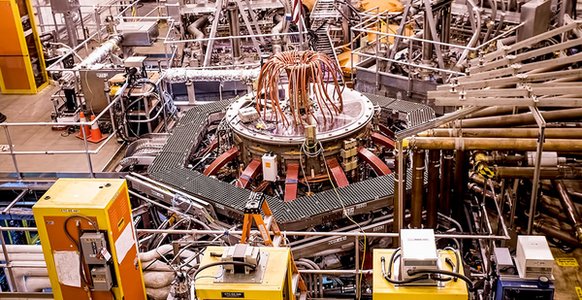
Key Highlights
- Innovative Combinations: Hybrid plasma technology integrates multiple plasma sources and techniques to improve efficiency and functionality across sectors.
- Diverse Applications: It is pivotal in materials processing, environmental remediation, medical procedures, and energy conversion.
- Ongoing Developments: Recent research focuses on enhancing energy efficiency, scalability, and understanding the underlying mechanisms of hybrid plasma effects.
Overview of Hybrid Plasma Technology
Hybrid plasma technology represents a fusion of different plasma modalities or techniques to create a synergistic effect that often leads to improved performance and novel functionalities. The idea is to leverage the distinct strengths of various plasma sources—whether thermal or non-thermal—to overcome limitations inherent in single-method systems. This emerging field spans several scientific disciplines, making it a versatile tool in both industrial and research settings.
Fundamental Concepts
In the realm of plasma physics, a plasma is an ionized gas composed of ions, electrons, and neutral particles, typically at high energy states. Hybrid plasma technology combines these ionized states through multiple methods such as microwave, arc discharge, radio frequency, or combinations thereof. The focus is on combining the high energy density of thermal plasmas with the precise control of non-thermal plasmas.
Key Principles
- Synergistic Effects: By combining different plasma sources, the resultant plasma can achieve enhanced properties that are not available through singular methods.
- Enhanced Process Control: Multiple plasma modalities allow for fine-tuning of parameters like energy distribution, temperature, and plasma density, enabling optimized performance for specific applications.
- Scalability and Efficiency: Integrating various plasma techniques can lead to processes that are both energy-efficient and scalable for industrial applications.
Applications and Research Areas
The applications of hybrid plasma technology are wide-ranging and have critical implications for several fields. Current research has focused on refining hybrid plasma methods to enhance their utility, and ongoing projects are testing the boundaries in areas like materials processing, environmental remediation, medical technology, and energy applications.
Materials Processing
One of the most significant applications of hybrid plasma technology is in materials processing. Researchers combine different plasma modalities to modify surfaces, deposit coatings, and synthesize nanomaterials. For example, a hybrid approach can facilitate improved adhesion between metals and polymers, providing a more robust interface for composite materials used in the automotive and aerospace industries.
Recent Research Insights
- Surface Modification: Hybrid plasma treatments have proven effective in altering surface properties, such as wettability and roughness, enhancing the bonding strength in composite materials.
- Nanomaterial Synthesis: The combination of plasma and chemical processes enables the synthesis of advanced nanocomposites that show promise in electronics and biomedical applications.
- Enhanced Coating Deposition: Hybrid plasmas allow for highly controlled deposition of coatings, resulting in uniform layers essential for protective and functional finishes.
Environmental Remediation
Addressing environmental challenges is another critical application of hybrid plasma technology. By integrating plasma with complementary processes like cavitation, scientists have developed techniques to efficiently degrade pollutants and treat wastewater. This dual-action method has shown great promise in breaking down persistent organic pollutants, ensuring cleaner water and air.
Environmental Applications and Innovations
- Pollutant Degradation: Hybrid plasma-cavitation methods facilitate the breakdown of complex chemicals into less harmful compounds, aiding in water treatment initiatives.
- Gas Conversion: Research is underway to convert CO₂ into valuable chemicals and renewable fuels using hybrid plasma setups. This process also offers a method for carbon capture and utilization (CCU) crucial for climate change mitigation.
- Energy Efficiency: Studies on hybrid plasma technologies seek to balance high conversion rates with lower energy consumption, making the technology commercially viable.
Medical and Biotechnological Applications
In the medical field, hybrid plasma systems are being explored for their potential to minimize invasiveness and improve patient outcomes. A notable innovation is the Canady Hybrid Plasma Scalpel, which has been developed to reduce blood loss during surgery and facilitate faster recovery times. This technology illustrates how hybrid plasma can merge conventional methods with innovative plasma techniques to produce therapeutic benefits.
Clinical Advantages
- Surgical Precision: Hybrid plasma instruments offer precision and reduced thermal damage to tissues, which can lead to faster healing and less post-procedure discomfort.
- Sterilization: Plasma-activated water and other sterilizing agents created by hybrid plasmas are being tested for effective disinfection in medical settings.
- Therapeutic Applications: Emerging research indicates potential uses in cancer treatment and wound healing by employing non-thermal plasma effects.
Energy Generation and Storage
Hybrid plasma technology also plays an essential role in the development of energy solutions. One of the key research areas is the conversion of CO₂ into renewable fuels. By combining plasma processes with catalytic reactions, scientists are developing systems that can efficiently transform waste gases into useful chemicals. This integration is expected to foster innovations in carbon capture and storage, facilitating a transition to sustainable energy practices.
Innovative Energy Approaches
- Carbon Dioxide Conversion: Hybrid approaches that use plasma with catalytic reactions can convert CO₂ into biofuels and other chemicals, directly impacting renewable energy production.
- Gaseous Reaction Enhancement: The combination of thermal and non-thermal plasma conditions allows for more controlled reactions, leading to higher yields in gas conversion processes.
- Integration with Renewable Energy: Some research projects are evaluating the feasibility of using green electricity to power hybrid plasma systems, potentially replacing traditional fossil fuels.
Comparative Overview Table
The table below provides a comparative overview of the primary applications of hybrid plasma technology along with their specific aspects and recent advancements:
| Application Area | Description | Key Innovations |
|---|---|---|
| Materials Processing | Hybrid plasma techniques used for surface modification, coating deposition, and nanomaterial synthesis. | Improved adhesion in composites, uniform coating layers, enhanced control of surface properties. |
| Environmental Remediation | Combination of plasma with cavitation and catalytic processes for pollutant degradation and gas conversion. | Efficient breakdown of pollutants, conversion of CO₂ to chemicals, energy-efficient process scalability. |
| Medical Applications | Development of plasma-based surgical tools and sterilization processes, such as the Canady Hybrid Plasma Scalpel. | Minimized blood loss during surgery, improved sterilization methods, potential in therapeutic applications. |
| Energy Applications | Utilizing plasma processes to convert greenhouse gases into renewable fuels and other valuable chemicals. | Innovative carbon capture, integration with renewable energy sources, enhanced reaction control. |
Ongoing Research and Future Directions
Research in hybrid plasma technology is characterized by its interdisciplinary nature, spanning fundamental physics to applied engineering. Major conferences such as the International Plasma Technology Joint Conference (IPTJC2025) and the Plasma Processing and Technology International Conference (PlasmaTech 2025) are key forums where experts share their latest findings, discuss challenges, and propose new directions.
Challenges in the Field
Despite the rapid innovation, several challenges remain. Researchers are working to improve energy efficiency, ensure scalability for industrial use, and fully understand the underlying physical and chemical mechanisms involved in hybrid plasma interactions. Critical challenges include:
- Efficiency and Energy Consumption: Balancing high performance with low energy inputs is a primary focus of ongoing studies, as researchers seek systems that are both powerful and cost-effective.
- Safety Considerations: Especially in medical and biotechnological applications, ensuring the safety of plasma devices is paramount, driving research into non-thermal and precisely controllable plasma sources.
- Optimization of Hybrid Systems: Further investigation is required to pinpoint optimal combinations of plasma modalities and operational parameters to meet specific application needs.
Emerging Trends
Several emerging trends indicate the broadening reach of hybrid plasma technology:
- Integration with Catalysis: Plasma-catalysis is an expanding area believed to improve chemical reaction efficiency, particularly in biomass conversion and gas-to-fuel technologies.
- Plasma-Activated Liquids: Novel applications such as plasma-activated water for sterilization and therapeutic purposes are under intense study.
- Multi-modal Reactor Designs: New reactor designs that integrate multiple plasma sources in a single unit are being developed, offering enhanced control and efficiency.
References
- Latest Trends in CNC Plasma Cutting and Robotics for 2025 - EVS Robot
- Plasma Treatment of Metal Surfaces for Enhanced Bonding Strength - MDPI
- Green Electricity instead of Natural Gas - TU Freiberg
- The History and Science behind Hybrid Plasma Technology - Synergotron
-
Critical Review: Hybrid Cavitation-Plasma Technology - ScienceDirect
Recommended Queries for Deeper Insights
Last updated March 26, 2025