
Infrastructure Development for Hydrogen Buses
Exploring the challenges, advancements, and future prospects of hydrogen fueling infrastructure
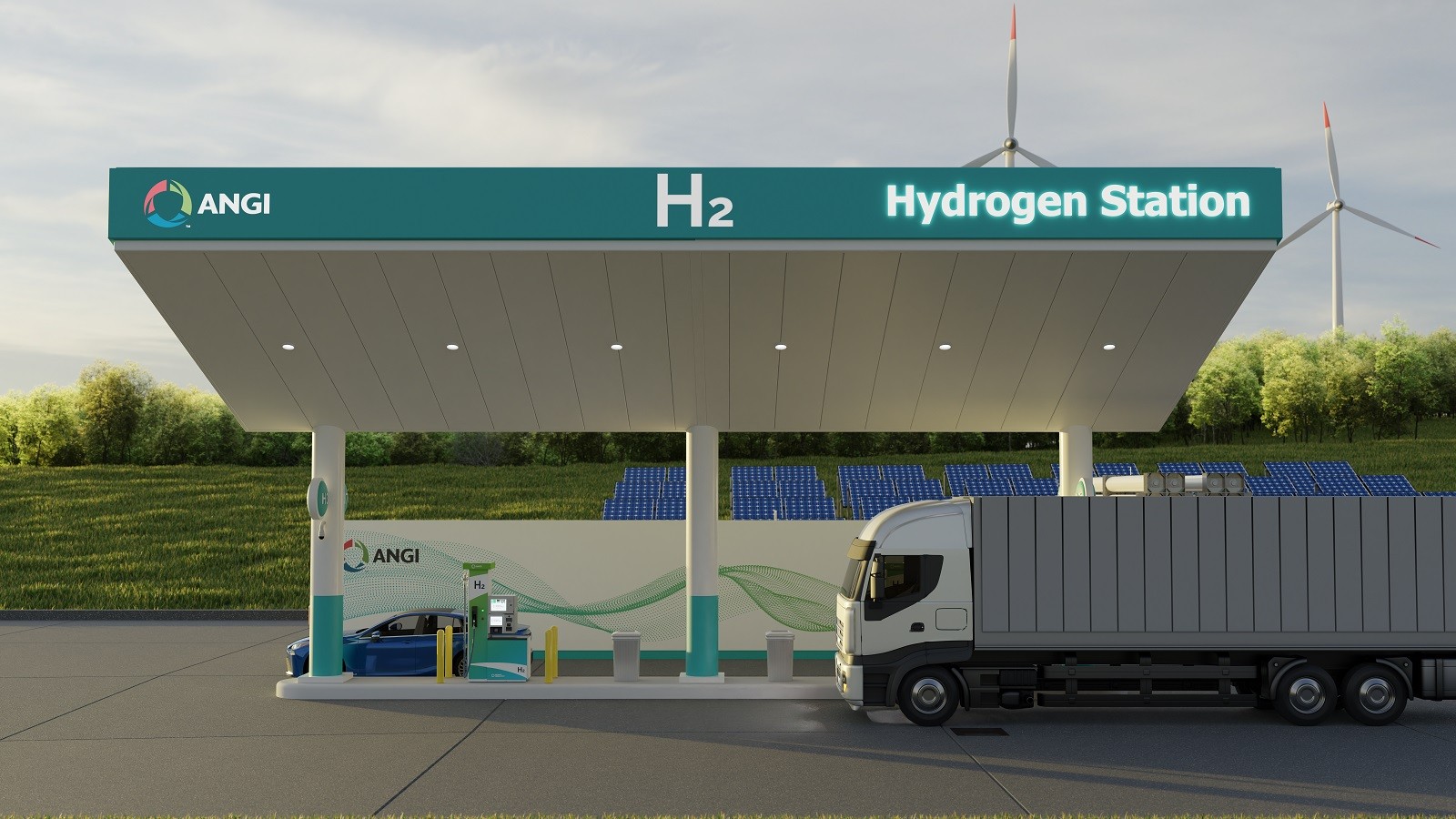
Key Highlights
- Expanding Refueling Networks: Development of extensive hydrogen refueling stations, both centralized and decentralized, is crucial.
- Investment & Collaborative Initiatives: Significant government funding and public-private partnerships are accelerating infrastructure development.
- Technological and Operational Innovations: Advances in mobile fueling, on-site hydrogen production, and efficient delivery systems are transforming the landscape.
Overview
The evolution of hydrogen bus infrastructure plays a pivotal role in the shift towards cleaner public transportation solutions. Hydrogen buses, a promising component of sustainable transit, depend heavily on the availability of robust hydrogen fueling networks. This document provides a detailed exploration of current developments, challenges, and future prospects in the area of infrastructure development for hydrogen buses.
Development of Hydrogen Refueling Stations
Expanding the Hydrogen Refueling Infrastructure
One of the primary steps in the adoption of hydrogen buses is the expansion of the hydrogen refueling infrastructure. With hydrogen fuel cell buses offering benefits such as fast refueling times and extended range, the establishment of a wide-ranging network of refueling stations is indispensable. Refueling stations can be constructed strategically in urban centers as well as at central depots.
These stations are designed to cater to a fleet of buses – some facilities have been engineered to service between 40 to over 120 buses simultaneously. The stations may either incorporate on-site hydrogen production through methods like electrolysis or receive hydrogen deliveries produced off-site. Each approach has its merits and is determined by local demand, geographic considerations, and economic factors.
Centralized Versus Decentralized Refueling
A prominent trend has been the development of centralized fueling depots. Many transit agencies have adopted this model to streamline operations and reduce the need to build a large number of public refueling stations. Centralized fueling allows a transit agency to have one major site where a fleet can refuel quickly and efficiently. Moreover, it helps in reducing the complexity of managing multiple fueling stations and can lead to significant operational cost savings.
On the other hand, decentralization comes into play where hydrogen buses are deployed over larger metropolitan areas. Here, widespread distribution of refueling stations is essential to maximize operational flexibility and reduce downtime due to refueling logistics. Both centralized and decentralized approaches benefit from advancements in hydrogen storage technology and mobile fueling units.
Technological Innovations and Advancements
Mobile Fueling Solutions
The introduction of mobile hydrogen fuelers is a notable breakthrough in easing the adoption of hydrogen buses. Mobile fueling units are typically mounted on trailers and are outfitted with storage tanks for liquefied or compressed hydrogen. These units provide the flexibility to support nascent fueling networks by reaching depots that are not immediately served by static refueling stations. Mobile solutions also allow transit authorities to quickly deploy additional refueling capacity in response to increasing demand or unexpected network disruptions.
On-Site Hydrogen Production and its Benefits
On-site hydrogen production is rapidly becoming an integral component of hydrogen infrastructure. Converting renewable energy or other feedstocks into hydrogen through electrolysis or steam methane reforming on-site minimizes the challenges and costs related to transportation and storage of hydrogen. With on-site production, operators can ensure a steady and reliable hydrogen supply directly at the fueling station, thereby reducing overall logistic costs and enhancing energy efficiency.
Technological improvements in on-site production facilities are yielding systems that can be scaled according to fleet size and local demand. Additionally, integration with renewable energy sources such as solar or wind power allows for a greener production cycle, further enhancing the sustainability appeal of hydrogen buses.
Advanced Storage and Dispensing Technologies
The complexities of safely storing and dispensing hydrogen require specialized equipment and advanced technology. High-pressure storage and dispensing systems are now central to the design of modern hydrogen refueling stations. Ensuring safety while maintaining efficiency requires state-of-the-art engineering and constant monitoring.
These technological innovations are supported by robust safety protocols and routine maintenance schedules, ultimately enabling rapid refueling times that compete with the refueling times of conventional fuels. Moreover, the integration of smart systems and sensors in these stations is facilitating predictive maintenance and operational optimization.
Economic and Collaborative Aspects
Investment and Funding Trends
A critical component of hydrogen bus infrastructure is the massive investment required to build and expand the hydrogen refueling network. Public funding, augmented by private sector initiatives, is fueling much of the progress seen today. For instance, initiatives by transit authorities, coupled with significant funding allocations from municipal and national governments, have accelerated infrastructure projects. Notable examples include multi-million-dollar investments that have driven pioneering projects such as the expansion of fueling stations in metropolitan hubs like New York.
Furthermore, government incentives and funding opportunities, such as those provided by the U.S. Bipartisan Infrastructure Law and programs like the European Union's Fuel Cells and Hydrogen Joint Undertaking (FCH JU), are instrumental in propelling infrastructure developments. These investments reduce the financial burden on local authorities while providing the necessary capital to achieve scale in deploying hydrogen infrastructure.
Public-Private Partnerships and Collaborative Initiatives
The success of hydrogen bus infrastructure development is also rooted in effective collaboration among public institutions, private companies, and research organizations. Collaborative initiatives such as regional alliances and multinational agreements are central to fostering technological innovation, standardization, and the sharing of best practices. Partnerships between transit authorities and engineering firms, like Linde Engineering, have fast-tracked the deployment of modern fueling stations and have provided technical expertise in managing complex projects.
Such collaborations ensure that the necessary technological advancements are rapidly combined with the strategic expansion of hydrogen fuel networks. This synergy not only optimizes resource allocation but also fosters an environment of continuous improvement and innovation in hydrogen technology.
Global Initiatives and Adoption
Hydrogen Bus Adoption Around the World
The global movement towards decarbonization has seen numerous countries pioneering the adoption of hydrogen buses. In cities across Europe, Asia, and North America, governments are embracing hydrogen buses as a cleaner alternative to traditional diesel or battery-electric buses. For example, cities like Beijing and Foshan in China are rapidly deploying hydrogen bus fleets to reduce urban emissions, while the Metropolitan Transportation Authority in New York is leading efforts in integrating fuel cell electric buses into municipal transit systems.
In addition, countries such as Japan and South Korea have established robust funding mechanisms to support hydrogen infrastructure, directly contributing to the accelerated adoption of hydrogen buses. This global momentum indicates a broad consensus on the benefits of hydrogen technology, highlighting its long-term viability as part of sustainable transportation strategies.
Challenges in Global Infrastructure Expansion
Although progress has been made, several challenges remain to achieving widespread infrastructure for hydrogen buses. Chief among them is the high upfront capital investment, which is often compounded by regulatory and technological hurdles. The complexity of the hydrogen fueling ecosystem—including safe storage, efficient refueling, and seamless production—makes it a highly specialized field that requires coordinated efforts across multiple sectors.
Regulatory challenges also play a significant role, as standardizing safety protocols and ensuring compliance across different jurisdictions requires extensive collaboration between industry stakeholders and government bodies. Nonetheless, current trends and collaborative initiatives have begun to overcome these challenges by leveraging shared knowledge and harmonized standards.
Comparative Analysis Table
The table below offers a comparative analysis of key aspects related to the development of hydrogen bus infrastructure, highlighting various dimensions such as technology, funding, global initiatives, and challenges.
| Aspect | Description | Examples/Initiatives |
|---|---|---|
| Refueling Network Expansion | Building dedicated hydrogen refueling stations with both on-site and off-site production; centralized and decentralized models. | New York MTA projects, AC Transit $144 million initiative. |
| Technological Innovations | Mobile fueling units, advanced storage and dispensing systems, integration with renewable energy sources. | Mobile hydrogen fuelers, smart sensor integration. |
| Investment & Funding | Large-scale funding from government bodies and public-private partnerships to support network expansion. | U.S. Bipartisan Infrastructure Law, European FCH JU, Flint mass transit projects. |
| Global Initiatives | Deploying hydrogen buses in key cities worldwide, supported by local policy initiatives. | China (Beijing, Foshan), Japan, South Korea, India. |
| Challenges | High capital costs, regulatory complexities, public acceptance issues, technological maturity. | Limited refueling infrastructure, standardization hurdles. |
Operational Considerations for Transit Agencies
Managing Fleet Operations
From an operational perspective, transit agencies must consider strategic planning when incorporating hydrogen buses into their fleets. This planning not only focuses on the deployment of vehicles but also on ensuring that supporting infrastructure evolves in tandem with fleet size. By investing in technologies such as centralized fueling depots, agencies can maintain operational efficiency while optimizing refueling turnaround times.
Effective fleet management requires an integrated approach where hydrogen production, storage, and refueling operations are synchronized to minimize downtime. Agencies often deploy smart management systems that monitor fuel levels, usage patterns, and maintenance needs to ensure that the fleet remains operationally ready even during peak demand.
Environmental and Economic Benefits
Hydrogen buses offer significant environmental benefits by reducing greenhouse gas emissions and dependence on fossil fuels. The environmental sustainability of hydrogen as a fuel is further enhanced when produced using renewable energy sources. As cities look to lower their carbon footprints, the adoption of hydrogen buses becomes a key strategy in achieving long-term environmental goals.
Economically, investments in hydrogen infrastructure have the dual benefit of stimulating local economies while paving the way for future energy independence. The reduction in operational costs from efficient refueling and lower maintenance requirements can translate into long-term savings for transit agencies. Additionally, the development of hydrogen infrastructure creates job opportunities in areas such as engineering, construction, and energy production.
Safety, Regulatory, and Standardization Aspects
Regulatory Framework and Safety Protocols
The safe operation of hydrogen fueling stations is governed by stringent safety protocols and regulatory frameworks. Due to the high-pressure nature of hydrogen storage and the risks associated with its handling, industry standards have evolved to ensure that stations are designed and operated safely. Agencies and companies are continuously working with regulatory bodies to align their operations with the latest safety guidelines.
The adherence to these standards not only mitigates risk but also fosters public trust in hydrogen technology. As the industry matures, standardized procedures across different regions will facilitate smoother expansion and interoperability between fueling stations.
Standardization Efforts
International and national bodies are investing efforts in creating uniform standards for hydrogen production, storage, and dispensing. Standardization simplifies the engineering challenges and reduces the costs associated with custom designs. It further enables the sharing of technological advancements and safety protocols, making it easier for different regions to adopt hydrogen fueling systems.
In addition, standardization helps in setting benchmarks for performance and reliability, ensuring that hydrogen fueling stations are not only safe but also efficient in terms of turnaround times and operational uptime.
Future Prospects and Strategic Implications
Scaling Up and Maturation of Technology
The future of hydrogen bus infrastructure is promising as technological advancements and increased funding lead to faster scaling. With sustained investment and collaboration, technological bottlenecks related to hydrogen production, storage, and refueling are expected to alleviate. The maturation of these technologies will reduce operational costs and pave the way for the widespread adoption of hydrogen buses in urban fleets.
Further research and development in areas such as fuel cell efficiency and hydrogen production methods will likely produce robust, cost-effective solutions. As economies of scale are reached, the initial high capital expenditures involved in deploying hydrogen infrastructure are expected to diminish, making this alternative fuel more competitive compared to conventional and battery-electric options.
Strategic Policy and Market Trends
The role of government policy in supporting hydrogen infrastructure cannot be overstated. Policies that incentivize clean energy investments, such as tax credits, direct funding, and regulatory support, are pivotal in creating a conducive environment for the growth of hydrogen technology. Moreover, market trends indicate that as these policies mature, more transit authorities will transition towards hydrogen buses to meet environmental standards and urban air quality requirements.
The strategic alignment of policy with technological innovation represents a critical path toward reducing the carbon footprint of public transportation. In this context, hydrogen buses are not just a transitional technology but are emblematic of a broader commitment to developing sustainable urban transportation ecosystems.
International Comparison and Adoption Rates
Global Adoption Strategies
Several countries have implemented aggressive strategies to integrate hydrogen buses into their public transportation networks. This international landscape is characterized by diverse approaches tailored to local conditions. For example, in China, large-scale deployments in major cities are supported by government policies that prioritize green energy. Similarly, Japan and South Korea are advancing their hydrogen infrastructure rapidly by investing in research, subsidies, and dedicated fueling facilities.
North American initiatives are also gaining traction, with influential projects in cities such as New York and regions in California where transit agencies have already allocated significant funding towards hydrogen buses and supporting fueling infrastructure.
These examples illustrate how different regions are addressing similar challenges through strategic planning, investment in technology, and collaborative partnerships. The international exchange of best practices in hydrogen infrastructure development is accelerating progress globally.
Key Barriers and Mitigation Strategies
Despite rapid advancements, barriers such as high initial costs, regulatory complexities, and public perception issues remain a concern. Mitigation strategies include public-private partnerships that leverage shared financial risks and collaborative research initiatives to drive innovation.
Furthermore, continuous education and outreach efforts are required to foster a better understanding of hydrogen as a safe and efficient alternative for transportation. This, combined with ongoing regulatory work to harmonize safety standards, will be essential in overcoming these barriers and ensuring the successful expansion of the hydrogen bus fleet.
References
- USA Hydrogen Bus Market Set for Significant Growth Amid Clean Energy Transition - FMI Blog
- Flint MTA Secures $11M to Propel Hydrogen Bus Innovations - Hydrogen Fuel News
- Accelerating New York Fuel Cell Bus & Hydrogen Infrastructure Deployments - NYSERDA
- Alternative Fuels Data Center: Hydrogen Fueling Stations - AFDC
- AC Transit Secures $144 Million for Hydrogen Infrastructure and Zero-Emission Bus Fleet - Bay Area Metro Blog
Recommended Further Queries
Last updated March 8, 2025