
Hydrolysis Reaction with HCl
A comprehensive analysis of temperature, pressure, and reaction conditions
Key Takeaways
- Temperature Sensitivity: Hydrolysis reactions with HCl can be performed at varied temperatures, from moderate reflux conditions to high temperatures for specific substrates.
- Pressure Conditions: Most laboratory-scale reactions occur at atmospheric pressure, but pressurized conditions may be used for reactions above the solvent boiling point.
- Versatile Conditions: Reaction conditions including acid concentration, substrate type, and reaction duration need careful optimization to ensure efficient hydrolysis and avoid degradation or corrosion.
Introduction
Hydrolysis reactions catalyzed by hydrochloric acid (HCl) are fundamental in both laboratory and industrial chemistry. These reactions are employed to break down various chemical bonds – such as ester, amide, glycosidic, and even complex polymeric linkages – into smaller, simpler molecules. The optimal reaction conditions, particularly temperature, pressure, and acid concentration, differ considerably depending on the substrate and desired conversion. In this comprehensive discussion, we integrate diverse insights to provide detailed guidance on the temperature ranges, pressure conditions, and other processing parameters associated with hydrolysis reactions using HCl.
Overview of Reaction Types
Hydrolysis reactions with HCl broadly encompass several categories:
- Ester Hydrolysis: Cleavage of esters into carboxylic acids and alcohols.
- Amide Hydrolysis: Conversion of amides into corresponding carboxylic acids and ammonium derivatives.
- Protein Hydrolysis: Breakdown of proteins into free amino acids under acidic condition, often used in protein sequencing and analysis.
- Polysaccharide Hydrolysis: Acid-catalyzed cleavage of glycosidic linkages to yield monosaccharides, for example in the hydrolysis of sucrose or lignocellulosic biomass.
Temperature Conditions
Temperature is a pivotal factor in determining both the rate and the extent of hydrolysis reactions. The temperature regime influences the collision frequency between reactants, the activation energy overcoming bond dissociation, and, consequently, the overall kinetics of the reaction.
Reflux and Ambient Conditions
Many laboratory-scale hydrolysis reactions with HCl are conducted under reflux conditions. When water or water-based systems are used as solvents, the reflux temperature is typically around 100°C. Under these conditions:
- For ester hydrolysis, the use of dilute HCl can lead the reaction towards equilibrium where the reaction mixture is heated to the boiling point of the solvent. Refluxing facilitates continuous distillation of some products (if volatile) and helps drive the reversible reaction toward the formation of carboxylic acids and alcohols.
- For amide hydrolysis and protein hydrolysis, particularly when the substrate is robust or requires complete cleavage of amide bonds, conditions might range from 100°C to 110°C. These reactions may require an extended reaction time to ensure complete hydrolysis.
High-Temperature Applications
Under certain industrial or research-specific conditions, higher temperatures are applied. For example, dilute acid hydrolysis (especially for polysaccharide substrates) can be conducted using high-temperature regimes ranging from 100°C up to 240°C. In some specialized laboratory investigations, temperatures even approaching 250°C have been explored for more rapid conversion, provided the substrate can withstand such extremes without significant side reactions.
It is also possible to employ lower temperatures when using more concentrated acid conditions. Concentrated acid hydrolysis may be performed near 40°C to avoid substrate degradation and reduce the risk of over-hydrolysis. However, lower temperatures are often balanced by increasing the acid concentration.
Temperature Considerations for Specific Substrates
The nature of the substrate appreciably influences the choice of temperature:
- Ester and Amide Substrates: A typical setting involves atmospheric pressure with heating to the solvent’s reflux temperature. The user’s temperature range generally falls between 100°C and 110°C, ensuring sufficient activation energy for the hydrolysis reaction while maintaining manageable product stability.
- Proteins: Hydrolysis of proteins might require high temperatures (near 110°C) when using concentrated acid such as 6 M HCl to completely break down robust peptide bonds.
- Polysaccharides and Biomass: Hydrolysis of biomass to yield sugars may be executed with dilute acid conditions at higher temperatures (often above the boiling point of water) in pressurized reactors, or under concentrated conditions at lower temperatures (around 40°C) using high acid concentrations.
Pressure Conditions
Pressure is another important parameter that influences hydrolysis reactions, particularly when the reaction temperature exceeds the boiling point of the solvent.
Atmospheric Pressure
For many hydrolysis reactions that operate at or near the boiling point of the solvent (e.g., 100°C for water-based systems), atmospheric pressure suffices. This is common in the reflux techniques widely employed for ester, amide, and protein hydrolysis. Atmospheric conditions simplify the design of laboratory equipment and reduce operational hazards.
Pressurized Systems
When the reaction conditions necessitate temperatures higher than the solvent’s boiling point, a pressurized reactor or autoclave is required. This is especially true for:
- Dilute acid hydrolysis of polysaccharides: Industrial processes often use sealed systems that enable temperatures in excess of 100°C (up to 240°C) to speed up reaction rates. Here, pressure is increased to maintain the solvent in a liquid state and to promote a homogeneous reaction environment.
- Optimized Kinetic Profiles: Elevated pressures, which may reach several atmospheres, help sustain the reaction medium under high-temperature conditions. Some research applications have utilized pressures up to 27 MPa in studies of pressurized water hydrolysis, though such high conditions are not typical for routine synthesis.
Industrial Versus Laboratory Scale
At an industrial scale, the use of pressurized reactors enables a greater range of controlled parameters. Elevated pressure systems allow for tighter control over volatile components and can reduce reaction times by promoting more efficient heat transfer. However, these systems demand robust engineering to mitigate the risks associated with high-pressure chemical processing. In contrast, laboratory-scale reactions generally favor atmospheric conditions due to their simplicity and cost-effectiveness.
Detailed Reaction Conditions and Variables
Beyond temperature and pressure, the efficiency and selectivity of hydrolysis reactions with HCl depend on a number of additional variables. Critical factors include acid concentration, reaction time, solvent properties, and the nature of the substrate.
Acid Concentration
The concentration of HCl is a key determinant of the reaction pathway and efficiency:
- Dilute Acid Conditions (1–10% HCl): Under these conditions, hydrolysis proceeds at higher temperatures (often near or above 100°C) and typically involves shorter reaction times. Dilute acid hydrolysis is common in reactions where substrate stability under stronger acid conditions is a concern.
- Concentrated Acid Conditions (30–70% HCl): Concentrated acid hydrolysis is usually performed at lower temperatures, sometimes as low as 40°C, to minimize degradation and control the reaction rate. While concentrated conditions can afford higher yields and more complete conversions (especially for robust materials like biomass), they present challenges such as increased corrosion and higher environmental hazards.
Reaction Time
Reaction duration is directly linked to both temperature and acid strength:
- Under reflux conditions with dilute acid, reaction times may vary from minutes to several hours. Ester hydrolysis, for example, might require a relatively brief heating period while amide and protein hydrolysis often necessitate extended durations.
- With concentrated acid conditions (especially in biomass conversion scenarios), prolonged reaction times (ranging from 2 to 6 hours) are common. The longer duration ensures complete decrystallization of substrates and thorough hydrolysis, though it may also lead to secondary degradation reactions if not carefully controlled.
Solvent Choice and Reaction Medium
The solvent system not only serves as the medium for the reaction but also participates in many acid-catalyzed hydrolyses. Water is almost universally used, as it acts both as solvent and as a nucleophile that attacks electrophilic centers after protonation by HCl.
- In aqueous systems used for ester hydrolysis, the boiling point of water (approximately 100°C) sets the typical reaction temperature at atmospheric pressure.
- For reactions requiring higher reaction temperatures to increase the rate, a mixture of water with co-solvents or the introduction of pressurized water (sub-critical water) is advantageous.
Substrate Considerations
The response of a substrate to acid-catalyzed hydrolysis greatly influences the optimized conditions:
- Ester and Amide Substrates: These substrates typically require temperatures at or near the solvent's boiling point. The availability of the electrophilic center on the carbonyl group is enhanced by protonation from HCl, tipping the balance toward nucleophilic attack by water.
- Proteins: Proteins generally require careful control of temperature and acid concentration to prevent amino acid degradation. Under high-temperature conditions, prolonged exposure to HCl can lead to side reactions such as racemization or further breakdown of sensitive residues.
- Polysaccharides and Biomass: The hydrolysis of complex carbohydrates may operate under two regimes. In dilute acid hydrolysis, higher temperatures and pressures assist in breaking robust glycosidic linkages, while concentrated acid hydrolysis at lower temperatures can effectively disrupt hydrogen bonding networks in crystalline substrates.
Practical Considerations and Equipment
Implementing hydrolysis reactions with HCl requires careful selection of equipment and materials, given the corrosive nature of hydrochloric acid, especially under concentrated conditions.
Laboratory Equipment
In a laboratory setting, common glassware such as round-bottom flasks with reflux condensers is used due to their resistance to mild acid conditions. For reactions operating at moderate HCl concentrations, standard borosilicate glass is adequate. However, prolonged use of concentrated acid can compromise some materials; thus, specialized acid-resistant glass or coated equipment may be required.
For reactions that require controlled heating and temperature monitoring, oil baths or heating mantles are typically employed.
Industrial Reactors
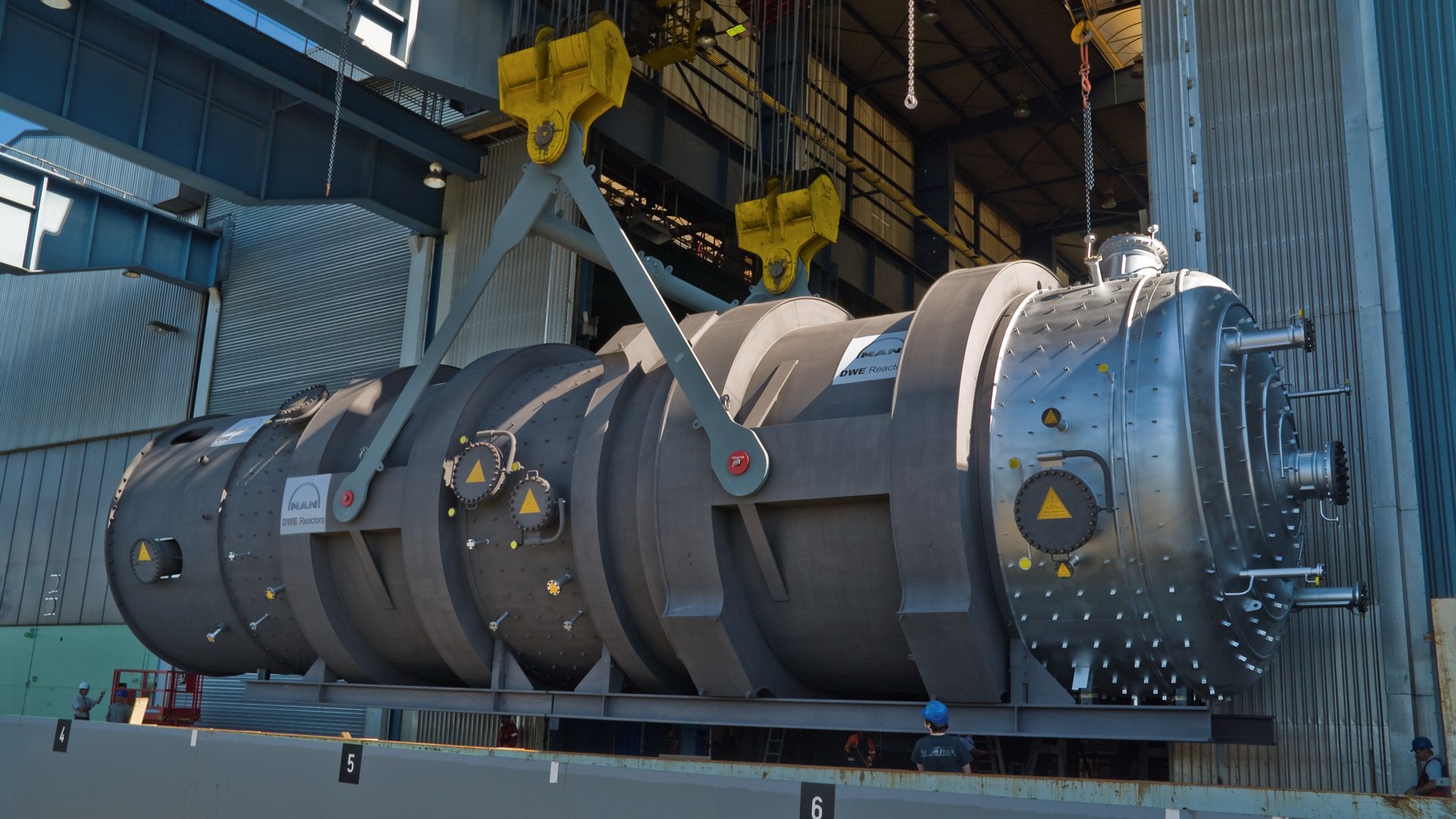
On an industrial scale, the choice of reactor material is critical given the corrosiveness of concentrated HCl. Stainless steel alloys with high corrosion resistance, lined reactors (using materials such as Teflon or ceramic coatings), and specialized high-pressure systems enable safe operations. Additionally, safety protocols must account for the potential release of corrosive vapors and the challenges associated with acid recovery and neutralization.
In pressurized systems where the reaction mixture is heated above water’s boiling point, autoclaves or sealed tubular reactors are employed, ensuring that both temperature and pressure are strictly controlled.
Optimization Strategies
Optimizing a hydrolysis reaction with HCl typically involves a balancing act between reaction time, temperature, pressure, and acid concentration. The following table summarizes some common strategies according to the substrate being processed:
| Substrate | Temperature Range | Pressure Conditions | Acid Concentration | Typical Reaction Time |
|---|---|---|---|---|
| Ester | ~100°C (reflux) | Atmospheric | 1–5 M (dilute conditions) | Minutes to a few hours |
| Amide | 100–110°C | Atmospheric | Moderate HCl concentration | Several hours |
| Protein | ~110°C for conventional, lower for microwave-assisted | Atmospheric or under vacuum | Concentrated (e.g., 6 M) | Several hours to days (conventional) |
| Polysaccharides/Biomass | 100–240°C (dilute) or ~40°C (concentrated) | Atmospheric (reflux) or pressurized (for high T) | 0.1–1 M (dilute) or 30–70% (concentrated) | Minutes (dilute/pressurized) to several hours |
When developing an optimized protocol, it is essential to consider the kinetics of the reaction. Generally, increasing temperature by approximately 10°C tends to accelerate the reaction rate; however, higher temperatures may also encourage unwanted side reactions such as sugar degradation in polysaccharide hydrolysis. Similarly, elevated acid concentrations can expedite hydrolysis but at the cost of increased corrosion and the need for downstream neutralization.
Corrosion and Safety Considerations
One of the challenges with HCl hydrolysis, especially under concentrated conditions, is the corrosivity of hydrochloric acid. Equipment design must address:
- The selection of acid-resistant materials for reaction vessels and ancillary components.
- The implementation of corrosion inhibitors when feasible.
- A robust acid recovery and neutralization process post-reaction, which is particularly important in industrial applications to avoid costly damage and environmental hazards.
Safety measures, including proper ventilation and the use of protective gear, are critical due to the potential for hazardous exposures. In high-pressure or high-temperature reactions, additional engineering controls further minimize risks.
Conclusion
In summary, hydrolysis reactions with HCl are highly versatile and can be tailored by adjusting the temperature, pressure, acid concentration, and reaction time to suit the specific substrate and desired product outcome. While many reactions are conveniently performed at atmospheric pressure using reflux conditions, more demanding applications—particularly in biomass conversion—may necessitate pressurized systems and finely tuned temperature protocols. Appropriate equipment, stringent safety measures, and proactive corrosion prevention are essential for efficient reaction design. Ultimately, understanding the interplay between these variables enables the development of optimized processes that maximize yield while maintaining safety and minimizing unwanted side reactions.
References
-
Ester Hydrolysis Conditions - Common Organic Chemistry
- Protein Hydrolysis - ChemGuide
- Amide Hydrolysis Using Acid Or Base - Master Organic Chemistry
- The Hydrolysis of Amides - LibreTexts
- Ester Hydrolysis - ChemGuide
- Concentrated Acid Hydrolysis - ScienceDirect Topics
- Hydrolysis Process - ScienceDirect Topics
- Pressure and Temperature Effects on Cellulose Hydrolysis - ResearchGate
- Concentrated Acid Hydrolysis for Sugar Yield - ScienceDirect
- Utilization of Lignin for Bioethanol Production - ScienceDirect
- Kinetics and Mechanisms in Concentrated Acid Hydrolysis - ScienceDirect
- Process Conditions in Acid Hydrolysis of Biomass - ScienceDirect
- Hydrolysis of Lignocellulosic Biomass - ScienceDirect Chapter
- Acid Hydrolysis and Sugar Recovery - ScienceDirect
- Bioethanol Production from Hydrolysis - ScienceDirect
- Pretreatment & Hydrolysis of Vegetables - ScienceDirect
- Acid Recovery in Hydrolysis Processes - ScienceDirect
Learn More
Last updated February 18, 2025