
Comprehensive Evaluation of Your Hydroponic Setup
An in-depth analysis of your 64-pot, 600W LED hydroponic system
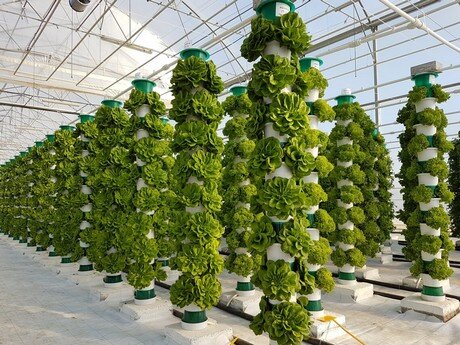
Key Highlights
- Efficient Use of Space: A high-density arrangement of 64 pots offering remarkable potential but requiring precise spacing and air circulation management.
- Optimized Lighting: The 600W LED, tailored for a 1.2x1.2m area, excels in energy efficiency and full-spectrum performance, crucial to achieving high photosynthetic yields.
- Robust Growing Medium: The utilization of clay marbles aids in excellent drainage and root aeration, mitigating root rot and supporting healthy nutrient uptake.
Overview of the Hydroponic Setup
Your hydroponic system, which employs 64 one-liter net pots arranged in a 1.2m x 1.2m configuration atop a large container filled with clay marbles, is an innovative approach to indoor gardening. This method eschews traditional soil in favor of a carefully controlled nutrient environment that is enhanced by modern lighting technology. The 600W LED grow light is designed to cover the entire area effectively, promoting plant growth through full-spectrum illumination.
System Components and Their Roles
1. Pot Configuration and Spatial Dynamics
Deploying 64 one-liter net pots in a compact 1.2x1.2m area is an ambitious design that maximizes plant density. The net pots allow for optimal root exposure, making sure that the roots can readily access the nutrient solution while simultaneously benefiting from ample airflow. This high-density setup is intended to yield a substantial harvest by making efficient use of limited space.
However, achieving this balance requires a close look at the following factors:
- Spacing and Crowding: Although a dense planting scheme can maximize yield, it also raises concerns with spacing. Plants that are too close together risk shading one another, thereby reducing the availability of light for some specimens. Proper spatial management is crucial to ensure that inter-plant competition does not adversely affect growth.
- Physical Arrangement: Stacking and structuring the pots over a container of clay marbles is an effective strategy for maintaining an organized system. However, this configuration could complicate maintenance tasks such as pruning, nutrient adjustment, and harvesting. Consider the ease of access when making adjustments or performing routine checks to avoid unnecessary complications.
2. Role and Advantages of Clay Marbles (LECA)
Clay marbles, also known as lightweight expanded clay aggregate (LECA), are a popular choice as a growing medium in hydroponic systems. Their primary function is to provide robust support for young root systems while facilitating excellent drainage and air circulation to the roots. The inert nature of clay marbles means they do not alter the pH of the nutrient solution and can be reused after proper cleaning.
- Drainage and Aeration: The porous structure of clay marbles supports the drainage of excess water and enhances aeration, both of which are vital for preventing waterlogged conditions and root rot.
- Reusability and Stability: Once sterilized, these growing media can be reused across multiple growing cycles, making them both cost-effective and environmentally sustainable.
- Nutrient Management: Their non-reactive nature guarantees that nutrient uptake remains consistent, and adjustments to the nutrient solution can be made without interference from the medium.
3. The 600W LED Grow Light and Its Optimized Performance
A 600W LED grow light is an excellent fit for your 1.2x1.2m grow area. LED lights are renowned for their energy efficiency, longevity, and minimal heat production. Your chosen LED works to simulate a natural full-spectrum light environment, which is essential for the various growth stages of plants.
- Full Spectrum Illumination: This spectrum replicates natural sunlight and aids in the photosynthetic process, thereby promoting vigorous vegetative growth and robust flowering cycles.
- Energy Efficiency: Compared to traditional high-intensity discharge (HID) lights, LEDs consume less energy and produce less heat, thereby reducing cooling requirements while maintaining optimal growth conditions.
- Uniform Coverage: The LED light is designed to spread an even layer of light over the entire area, although this becomes critical when plant density is high. It is essential to regularly check for instances of shading or uneven light distribution, especially in a setup where pots are stacked densely.
Advanced Considerations and Detailed Analysis
Environmental Controls and System Monitoring
While the physical components of your system form the baselines of functionality, maintaining an optimal growing environment is crucial in maximizing the potential yield from your setup. Given the high density of plants and the close proximity of the LED light, monitoring and controlling environmental factors such as temperature, humidity, and air circulation become pivotal.
Temperature Management
Despite the inherent energy efficiency of LED lights, they do produce residual heat. In a confined grow space, managing the temperature is integral to ensuring that the plants are not stressed by excessive heat, which could impair nutrient uptake and stunt growth.
Consider integrating the following into your setup:
- Ventilation Systems: Ensure adequate airflow with exhaust fans to mitigate heat buildup and reduce the risk of overheating. Regular air circulation also prevents the formation of hotspots.
- Temperature Monitoring: Use digital thermometers and humidity sensors to consistently measure conditions in real-time. Maintaining an optimum temperature typically within the 20°C to 28°C range ensures robust physiological performance.
Humidity and Air Circulation
With 64 plants closely positioned, humidity levels can rise rapidly, potentially fostering an environment conducive to fungal diseases or mildew. Robust air circulation is necessary to keep the environment fresh and to minimize the risk of pathogen proliferation.
- Use of Oscillating Fans: Deploying a few oscillating fans strategically around your grow area will help keep humidity levels balanced by promoting consistent air movement. This also ensures that the LED light’s heat is dispersed evenly.
- Spacing Considerations: Revisit the physical layout occasionally to confirm that plants are receiving enough fresh air. Overcrowding in high-density systems might necessitate additional support such as air ducts or higher capacity fans.
Nutrient and Water Delivery
The success of hydroponic systems relies heavily on the continuous and even delivery of water and nutrients. In a densely populated setup, uniform distribution becomes a technical challenge that requires close attention.
Key elements in ensuring optimal nutrient and water delivery include:
- Regular Monitoring: Tools such as pH meters and electrical conductivity (EC) meters should be used to maintain nutrient balance. The ideal pH range for most hydroponic systems is between \(5.5\) and \(6.5\), ensuring optimal nutrient availability.
- Automated Systems: Consider the inclusion of automated drip or flood and drain systems to minimize human error, ensuring a balanced distribution of the nutrient solution across each pot.
- Hydration Frequency: Given the small size of the pots (1 liter), they tend to dry out quickly under high-efficiency lighting. Frequent checks and timely irrigation help prevent water stress in plants.
Maintenance and Accessibility
A critical, yet often overlooked, element in high-density hydroponics is the ease of system maintenance and accessibility. As your plants mature, routine tasks such as pruning, pest control, and yield harvesting become necessary.
Designing for Ease of Access
When pots are stacked or arranged in densely packed clusters, accessibility can suffer. To combat this, it is advisable to design your system with periodic access points and maintenance corridors. This might include:
- Modular Design: Break the setup into manageable, modular sections that can be individually accessed and maintained without disrupting the entire system.
- Removable Panels: Implementing removable panels or trays can facilitate easier cleaning, nutrient solution adjustments, and pest management, thereby prolonging the longevity and productivity of the system.
- Labeling and Monitoring: Clearly label each section or module to track growth patterns, nutrient needs, and potential problem areas, ensuring that maintenance efforts are both focused and effective.
Light Distribution and Optimization
Though the 600W LED unit is well-suited to the 1.2x1.2m coverage area, the interplay of high plant density and stacking may lead to areas within the space that receive comparatively less light. This can result in uneven growth and potential yield losses.
Tactics for Uniform Light Distribution
To address potential disparities in light intensity across your setup, consider the following approaches:
- Supplemental Lighting: Strategically placing additional LED strips or small directional lights in shadowed corners may help balance the overall light distribution and ensure that lower-tier plants receive an adequate spectrum.
- Adjustable Mounting: Utilize adjustable mounts for your LED light so that you can fine-tune the light positioning relative to the plant canopy height. As the plants grow taller, periodic adjustments will help maintain optimal light exposure.
- Reflective Surfaces: Adding reflective materials to the interior walls of your grow area can help disperse any light that would otherwise be lost, enhancing overall system efficiency.
Technical and Operational Insights
Hydroponic System Dynamics
Transitioning from soil-based cultivation to a hydroponic system entails embracing a controlled environment where all aspects affecting plant growth, from nutrient concentrations to light and temperature, are monitored and adjusted in real time. This method has several advantages including faster growth cycles, enhanced yield in limited spaces, and the elimination of many soil-borne diseases.
The dynamics within a hydroponic system depend on the interplay between its components:
| Component | Function | Considerations |
|---|---|---|
| Net Pots | Holds plants while allowing root expansion and nutrient access | Ensure proper spacing to avoid overcrowding and shadowing |
| Clay Marbles | Provides drainage and aeration for roots | Maintain cleanliness for reusability and effective nutrient uptake |
| 600W LED Light | Delivers full-spectrum light essential for photosynthesis | Adjust mounting and check for uniform coverage |
| Nutrient Delivery System | Ensures even distribution of water and nutrients | Regularly monitor pH and EC levels for balanced growth |
Ongoing Monitoring and Fine-Tuning
The effectiveness of your hydroponic system is sustained through continuous monitoring. By employing digital sensors and automated controls, it is possible to achieve a highly refined environment, adjusting key parameters in real time.
In specific, routinely assess:
- Nutrient Solution: Monitor for consistency in concentrations. Adjust the formulation based on plant developmental stages, ensuring an ideal balance that minimizes salt buildup or deficiencies.
- Watering Cycles: Given the rapid consumption and evaporation in a high-density system, ensure that the irrigation or recirculating pumps are calibrated to deliver water consistently across all pots, preventing under- or over-watering.
- Plant Health: Regular visual inspections are necessary to catch early signs of pests, nutrient imbalances, or diseases. Early intervention can prevent more serious issues later on.
Scalability and Future Enhancements
As your hydroponic experience evolves, there is always room for scalability. Your setup already demonstrates an innovative approach with a high number of plants in a constrained area. Looking ahead, systematic enhancements can include:
- Automation: Upgrading to automated monitoring systems and programmable nutrient dosing machines to enhance consistency and reduce manual oversight.
- Integration of IoT Devices: Incorporating Internet of Things (IoT) sensors to remotely monitor temperature, humidity, and nutrient levels, and receive alerts in case adjustments are needed.
- Modular Expansion: Designing additional layers or sections to incrementally increase yield while maintaining system efficacy through modular design adjustments.
- Research on Plant Varieties: Experimenting with different species that respond uniquely to hydroponic conditions can lead to refined nutrient and lighting protocols tailored specifically to those plants.
Conclusion and Final Thoughts
In summary, your hydroponic setup demonstrates a high potential for productive yields by maximizing use of limited space paired with energy-efficient lighting and an excellent growing medium. The configuration, featuring 64 one-liter net pots over a container of clay marbles, leverages the benefits of hydroponics—rapid growth, resource efficiency, and vast control over environmental conditions.
However, success in such a compact yet high-density system necessitates a meticulous approach to spatial organization, environmental control, and maintenance routines. Key enhancements such as ensuring proper plant spacing, optimizing light distribution, and implementing automated nutrient and water management systems will help overcome the inherent challenges of crowded growth environments.
Overall, your system is well-constructed, reflecting a thoughtful integration of modern hydroponic practices with advanced LED technology. By addressing a few critical areas, particularly around air circulation, temperature control, and ease of maintenance, you can further optimize the setup for long-term, successful crop production.
References
- Hydroponics Guide - Your Hydro Garden
- Step-by-Step Setup - NTHydroponics
- Fundamentals of Hydroponics - The Hydroponics Planet
- Essential Steps for Hydroponics - Really Farms
- LED Grow Light Specifications - Bava Green LED
Recommended Next Queries
 amazon.com
Last updated February 23, 2025