
Environmental Aspects of Hydroponics Farming
Exploring the Theoretical Framework and Sustainability Benefits
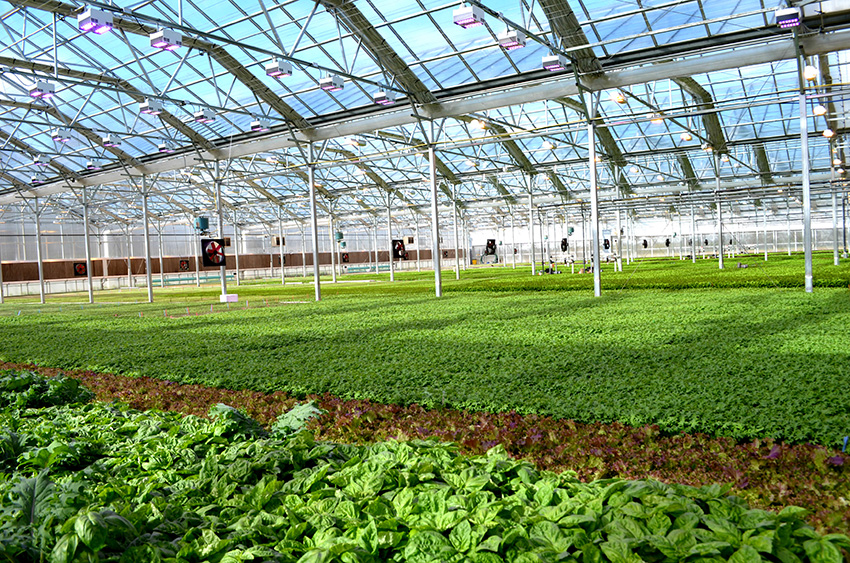
Key Highlights
- Water Conservation: Hydroponics substantially reduces water consumption through recirculation systems.
- Land and Chemical Savings: This method minimizes the need for arable land and reduces the use of pesticides and fertilizers.
- Alignment with Sustainable Practices: Careful energy management enhances its sustainability even as energy consumption can be high.
Understanding Hydroponics Farming
Hydroponics, a soilless method of growing plants, is increasingly recognized for its potential to address environmental challenges that arise from traditional agriculture. By delivering nutrient-rich water directly to plant roots and optimizing growth conditions in a controlled environment, hydroponics offers a new perspective on resource efficiency and sustainability. The theoretical framework behind hydroponics involves a detailed assessment of water usage, energy consumption, land utilization, chemical inputs, and the overall environmental impact, which together define its role in sustainable food production systems.
Theoretical Framework of Environmental Aspects
Water Conservation and Management
Principles and Benefits
One of the primary advantages of hydroponic systems is their remarkable ability to conserve water. Unlike traditional soil-based farming that loses a significant percentage of water through evaporation and runoff, hydroponic systems operate on a closed-loop design where water is continuously recirculated. Empirical studies suggest reductions in water usage by up to 90% to 98% compared to conventional agricultural practices. This conservation is achieved through precise control of the nutrient solution and the adoption of recirculation methods that capture and reuse water.
In regions that experience water scarcity, hydroponics serves as a resilient alternative to ensure a steady supply of fresh produce while mitigating water resource depletion. Additionally, the reliability of controlled water usage minimizes the environmental risks associated with overexploitation and depletion of freshwater reserves, thereby contributing to sustainable water resource management.
Land Utilization and Soil Conservation
Reduced Dependency on Arable Land
Traditional farming often leads to detrimental impacts on soil quality, including erosion, nutrient depletion, and degradation caused by intensive farming practices. Hydroponic systems eliminate the need for fertile soil, thereby sparing valuable arable land for other ecological purposes. By shifting the medium from soil to nutrient solutions, hydroponics minimizes soil erosion and maintains the integrity of local ecosystems.
Moreover, the flexibility in designing hydroponic systems allows for urban and vertical setups, enabling food production on rooftops or in indoor facilities. By doing so, hydroponics contributes to the decreased pressure on rural landscapes and promotes local food production in urban environments, reducing transportation distances and the related carbon emissions.
Reduction in Chemical Inputs
Minimizing Pesticide and Fertilizer Dependency
A further environmental benefit of hydroponic farming is the reduction or even elimination of chemical pesticides and fertilizers. Traditional agriculture relies heavily on chemical interventions to control pests and improve soil fertility. In contrast, the controlled environment in hydroponic systems creates conditions that drastically limit the incidence of pest infestation and disease. This controlled cultivation reduces the need for hazardous chemicals, thereby lowering the environmental pollution typically associated with traditional farming.
With fewer chemicals in use, the risks of contaminating surrounding water bodies and decreasing biodiversity due to chemical runoff are greatly mitigated. Additionally, the absence of chemical residue on produce ensures better food safety for consumers.
Carbon Footprint and Urban Farming
Local Production and Transportation Emission Reduction
The strategic implementation of hydroponics in urban areas can significantly lower the carbon footprint of food production. Since hydroponic systems allow for local and on-demand cultivation, there is a marked reduction in the necessity for long-haul food transportation. Shorter supply chains lead to decreased fossil fuel consumption and lower greenhouse gas emissions.
Furthermore, as urban populations continue to expand, the ability to produce fresh food closer to consumer markets not only increases food security but also aids in urban climate change mitigation efforts. The convergence of urban planning and hydroponics stands as a promising model for sustainable city growth.
Sustainable Energy Use and Efficiency
Balancing Energy Demands with Renewable Sources
While the environmental benefits of hydroponic farming are significant, the technology does come with increased energy demands—particularly in indoor or vertical farming contexts where artificial lighting such as LEDs is employed. The energy requirement to maintain controlled environments can be substantial, which, if sourced from non-renewable energy, may compromise the overall sustainability of the system.
However, by integrating renewable energy sources such as solar panels or wind energy, hydroponic systems can mitigate the environmental impact associated with high energy consumption. This strategic alignment with renewable energy not only enhances the sustainability of hydroponics but also presents a balanced approach to lower the overall carbon footprint.
Environmental Impact Assessment
Application of Life Cycle Analysis (LCA) and Product-Service Systems (PSS)
A comprehensive evaluation of the environmental aspects of hydroponic farming involves the use of Life Cycle Analysis (LCA) and the Product-Service System (PSS) approach. LCA is particularly useful for quantifying the environmental impacts of the system—from the production and delivery of nutrient solutions to the energy used throughout the growth cycle. By examining these factors throughout the entire life cycle of the system, stakeholders can identify key areas where improvements are needed and optimize operations for minimal environmental damage.
The PSS methodology adds another layer of insight by associating the environmental benefits with broader social and economic outcomes. For example, the integration of hydroponics in urban settings not only yields environmental benefits such as reduced transportation emissions and water conservation but also addresses issues of food security and local economic development. This holistic assessment reinforces the value of hydroponics as a sustainable agricultural practice.
Comparative Analysis: Hydroponics vs. Traditional Farming
To gain a deeper understanding of the environmental implications of hydroponics, it is essential to compare it with traditional farming practices. An informative table has been provided below that summarizes the key differences in terms of resource usage and environmental impact.
| Aspect | Hydroponics | Traditional Farming |
|---|---|---|
| Water Usage | Up to 98% less water through recirculation and efficient delivery systems | High water loss through evaporation, runoff, and inefficient irrigation methods |
| Land Use | Minimal land requirement; adaptable to urban/vertical setups | Extensive use of arable land leading to soil depletion and degradation |
| Chemical Inputs | Significantly reduced use of pesticides and fertilizers, thanks to controlled environments | High dependency on chemical pesticides and fertilizers, contributing to environmental pollution |
| Carbon Footprint | Potentially lower if integrated with renewable energy; supports local food production | Higher due to long-distance transportation and reliance on resource-intensive methods |
| Energy Consumption | Higher in cases involving indoor systems; mitigated by switching to renewable energy sources | Generally lower operational energy demands, but may incur indirect energy costs through transportation and land management |
Practical Implications and Research Insights
Current research demonstrates that hydroponics, while offering significant environmental advantages, requires continuous optimization in both operational and energy management strategies. Studies published in reputable journals have adopted frameworks like LCA and PSS to evaluate the full spectrum of impacts—from resource inputs to waste management and energy utilization.
Several projects have focused on integrating renewable energy sources with hydroponic greenhouses, thus not only offsetting the high energy requirements but also setting a benchmark for environmentally responsible farming practices in dense urban settings. The experimental data gathered from these projects indicate that when energy inputs are sourced sustainably, the overall environmental footprint of hydroponics can be considerably lower than that of conventional agricultural methods.
Policy and Adoption Considerations
Guidelines for Sustainable Integration
Policymakers and agricultural planners can play a critical role by encouraging practices that emphasize resource efficiency and environmental sustainability. Guidelines that support the development of renewable energy infrastructures, research on efficient nutrient delivery mechanisms, and initiatives for urban food production can facilitate the broader adoption of hydroponics.
Nations grappling with challenges such as water scarcity, soil degradation, and high urban carbon footprints are increasingly considering hydroponics as a strategic component of their sustainable agriculture portfolios. By creating supportive policy frameworks and incentivizing research, governments can help disrupt the cycle of resource overuse and environmental degradation associated with traditional farming.
Socio-Economic Dimensions
Holistic Environmental and Economic Impacts
Beyond environmental advantages, hydroponics presents multifaceted socio-economic benefits by empowering local communities through urban farming initiatives. As local communities gain access to fresh, pesticide-free produce, issues such as food deserts and nutritional deficits can be alleviated. Moreover, the technology fosters job creation and economic stimulation through the development of related industries—ranging from technical support for hydroponic systems to renewable energy installations.
The theoretical frameworks used in assessing hydroponics incorporate these broader perspectives, ensuring that environmental benefits are not viewed in isolation but as part of an integrated system that enhances human well-being and ecological balance.
Summarized Insights through a Comprehensive Overview
Hydroponics farming offers a transformative approach to sustainable agriculture by leveraging advanced resource management techniques. The theoretical frameworks underpinning this approach evaluate various environmental aspects, including:
- Significant water conservation enabled by recirculation and targeted nutrient delivery.
- Optimized land use that preserves soil health and enables urban farming.
- Reduction in chemical inputs through controlled environments that minimize pest and disease incidence.
- Potential reductions in carbon footprints through localized production and renewable energy integration.
- A holistic evaluation model that includes Life Cycle Analysis (LCA) and Product-Service Systems (PSS), ensuring a thorough assessment of environmental, economic, and social factors.
Collectively, these factors demonstrate that hydroponics, when effectively integrated with renewable energy technologies and robust policy support, stands as a promising avenue to transition toward environmentally sustainable agriculture. The framework not only highlights the benefits but also underscores the importance of addressing the challenges—primarily energy consumption—to fully realize the sustainability promise of hydroponic systems.
References
- Environmental Impacts of Hydroponic Farming - Your Hydro Garden
-
Hydroponics: Current Trends in Sustainable Crop Production - PMC
- Going Green with Hydroponics - Axaxl
- Is Hydroponic Indoor Farming Environmentally Sustainable? - Arctic Farming
-
Environmental Sustainability Analysis - ScienceDirect
Recommended Related Queries
Last updated March 12, 2025