
Research Project on Hypertension Knowledge and Perception
Exploring patient insights on hypertension and its management
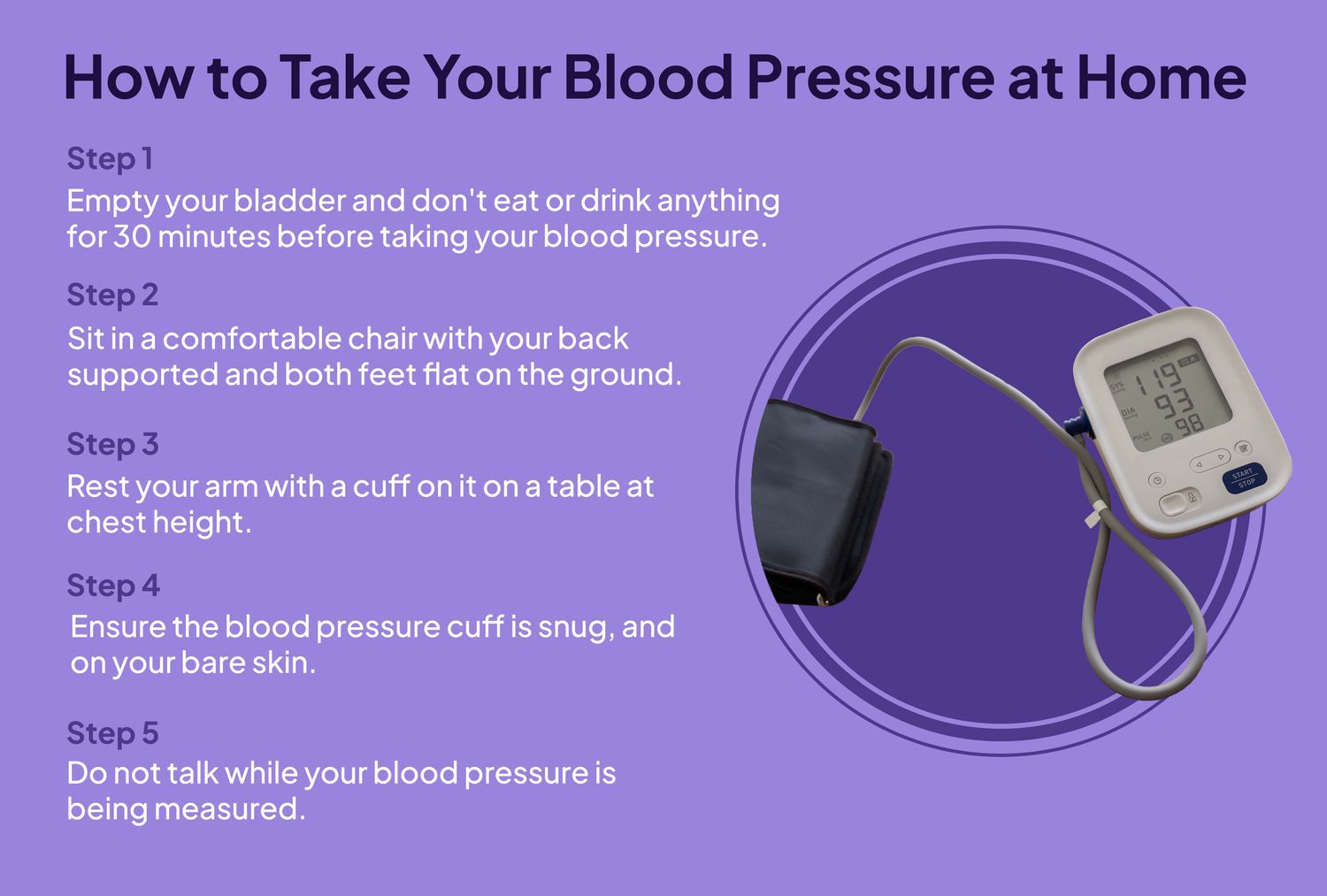
Key Highlights
- Patient Knowledge Variability: Patients often have a general awareness of hypertension, yet significant gaps persist regarding detailed understanding and management.
- Influence on Disease Management: Enhanced education, lifestyle modifications, and technology integration are crucial for improving blood pressure control and medication adherence.
- Tailored Interventions Required: Addressing socio-demographic factors and personalizing patient education can greatly advance effective hypertension management.
Introduction to the Research Project
Hypertension is globally recognized as a predominant risk factor for cardiovascular diseases and is often termed the “silent killer”. Despite its widespread incidence, significant challenges remain in both patient knowledge and perception about the disease. This research project delves into understanding what patients know about hypertension, their perceptions regarding its severity and management, and the factors influencing their practices. The need for designing tailored educational interventions is critical to improve treatment adherence, reduce morbidity, and ultimately enhance patient health outcomes.
Project Objectives
The research project is structured around several core objectives that aim to provide a detailed analysis of the current state of patient awareness and attitudes towards hypertension:
- Assessing Knowledge: Evaluating what patients know about the causes, symptoms, and risk factors associated with hypertension. This includes understanding both the general awareness of the condition and the depth of detailed knowledge that influences management strategies.
- Analyzing Perceptions: Investigating how patients perceive hypertension, particularly concerning its severity, potential complications, and curability. Understanding these perceptions is crucial as they highly influence both compliance with treatment and lifestyle modifications.
- Examining Management Practices: Identifying common practices among hypertensive patients and exploring the barriers that prevent optimal management. This involves scrutinizing issues such as the regularity of blood pressure monitoring, adherence to medication regimens, and the effectiveness of lifestyle changes.
- Identifying Influencing Factors: Delving into socio-demographic variables such as age, education level, socioeconomic status, and regional disparities that affect the knowledge and perceptions of hypertension.
Background and Rationale
Despite significant progress in medical research, many patients still face challenges in understanding hypertension beyond basic awareness. Research consistently shows that although a majority of patients might recognize high blood pressure as a health issue, there is often a superficial understanding regarding the mechanisms behind hypertension, the importance of systolic blood pressure control, and the decisive role of regular medication and lifestyle modifications.
Several studies have underscored that a comprehensive understanding of hypertension is associated with better control of the condition. Educated patients are more likely to adhere to prescribed treatment, self-monitor their blood pressure, and make necessary adjustments in their daily lifestyles, such as reducing salt intake and engaging in regular physical activities. Conversely, insufficient knowledge often leads to misconceptions (for instance, an overestimation of the curability of hypertension) and poor disease management.
The Necessity of Patient Education
One of the recurring themes in hypertension research is the indispensable role of patient education. Effective educational initiatives not only inform patients about hypertension but also empower them to make informed decisions about their health.
Education and Awareness Programs
Structured educational programs are essential in bridging the gap between general awareness and comprehensive understanding. Such programs should cover a wide array of topics:
- Understanding the Disease: Explaining how hypertension develops, its risk factors, and potential complications.
- Importance of Regular Monitoring: Emphasizing the significance of routine blood pressure measurements and understanding systolic versus diastolic blood pressure.
- Lifestyle Modification: Informing patients about dietary modifications (e.g., salt reduction), physical activities, stress management, and smoking cessation.
- Medication Adherence: Stressing the need for regular medication intake and understanding the consequences of non-compliance.
Such educational programs can be delivered through community health centers, digital platforms, and healthcare providers who work closely with patients. Integration of modern technologies like telemonitoring and mobile applications can enhance the monitoring process and offer personalized reminders and advice.
Understanding Patient Perception
Patient perception significantly influences not only how they manage their condition but also their overall outlook towards the disease. Several factors shape patient perceptions:
Impact of Socio-demographic Factors
Research has highlighted that education level, age, and socioeconomic status are strong determinants of how patients perceive hypertension. Younger, well-educated patients typically exhibit a higher level of understanding and a proactive attitude towards disease management. Conversely, older patients and those with lower education levels often have a more simplistic or even erroneous understanding of the illness, which can lead to challenges in adherence and management.
Additionally, cultural beliefs and regional variations play an important role in shaping perceptions. In various communities, myths and misconceptions about hypertension remain prevalent. For instance, some patients erroneously believe that hypertension is completely curable, neglecting the importance of continuous management. Such incorrect perceptions tend to diminish the perceived need for long-term adherence to treatment regimens.
Management Practices and Barriers
Beyond cognitive understanding and perception, the actual management practices adopted by patients provide a real-world insight into the effectiveness of current healthcare strategies. Research has consistently revealed that even when patients are aware of the risks, various practical barriers hinder optimal management.
Common Management Practices
Regular blood pressure monitoring, medication adherence, and lifestyle modifications form the cornerstone of hypertension management. Nevertheless, despite their known benefits, these practices are not universally adopted. Factors including irregular blood pressure measurements, intermittent medication intake, and lack of significant lifestyle changes are common among hypertensive patients. Often, the complexity of balancing daily routines with the need for continuous monitoring and adherence creates a functional barrier.
Barriers to Effective Management
Several significant barriers impair the effective management of hypertension:
- Lack of Detailed Understanding: Even when patients have basic knowledge, the absence of information on critical aspects like the role of systolic blood pressure control or the importance of salt restriction can undermine effective management.
- Inadequate Healthcare Communication: A gap in communication between healthcare providers and patients often results in insufficient patient understanding. Many patients do not receive personalized education that addresses their specific concerns and misunderstandings.
- Socioeconomic Impediments: Economic challenges and limited access to healthcare facilities and educational resources further exacerbate the problem of poor management.
- Cultural and Belief-Driven Misconceptions: Deeply ingrained beliefs and local myths about hypertension can lead patients to disregard medical advice, thus compromising treatment outcomes.
Methodology of the Research
To comprehensively evaluate the knowledge and perception of hypertension among patients, a cross-sectional observational study design is ideal. The following methodological steps can be implemented to ensure robust and reliable data collection:
Study Design and Participant Selection
The study involves collecting quantitative and qualitative data from hypertensive patients attending various healthcare facilities. The participant pool should be diverse, including individuals from different age groups, educational backgrounds, and socioeconomic statuses, to ensure that the findings are generalizable and capture a wide range of perspectives.
Selection criteria should be clearly defined, including diagnosed cases of hypertension and a representative number of patients from urban, suburban, and rural settings. This stratified approach aids in highlighting regional variations and cultural influences on hypertension management.
Data Collection Tools
Data can be collected using:
- Structured Questionnaires: Designed to assess general knowledge, attitudes, and practices related to hypertension. Questionnaires should include sections on both basic knowledge and more in-depth aspects such as recognition of complications and lifestyle modification questions.
- Semi-Structured Interviews: To capture qualitative insights into patient perceptions, healthcare provider interactions, and the socio-cultural dynamics affecting hypertension management.
- Focus Group Discussions: In selected regions, discussions can be organized with patients and caregivers to dig deeper into community-level myths, challenges, and educational needs.
Analysis Techniques
Once data collection is complete, both qualitative and quantitative analysis methods should be applied:
Quantitative Analysis
Statistical techniques such as descriptive statistics will be employed to summarize the data. Cross-tabulations can help in understanding the relationship between knowledge levels and different socio-demographic variables. Additionally, regression analysis might be used to explore factors that significantly predict patient adherence to treatment.
Qualitative Analysis
Thematic analysis of interview and focus group data should be conducted to identify recurring themes concerning patient perceptions and barriers. Coding the data using qualitative data analysis software can provide insights into inconspicuous factors affecting patient behavior, thereby guiding the development of targeted interventions.
Findings and Implications
Preliminary research and synthesis of various studies indicate several key findings:
Knowledge Gaps
While many patients display a basic level of awareness regarding hypertension, significant knowledge gaps exist in terms of comprehensive understanding. Patients often lack detailed information about the importance of maintaining systolic blood pressure, the intricate balance between medication and lifestyle, and the long-term nature of hypertension management. This incomplete knowledge is associated with suboptimal management practices, emphasizing the need for targeted educational programs.
Patient Perceptions and Their Influence
The perceptions held by patients regarding hypertension critically influence their health behaviors. A considerable number of patients perceive hypertension as an acute condition rather than a chronic one requiring long-term management. This misperception can lead to poor adherence to medication and neglect in lifestyle changes. Additionally, socio-demographic factors such as age and education level serve as strong predictors of how patients perceive their disease, further emphasizing the need for demographic-tailored educational interventions.
Management Practices and Intervention Impact
Analysis of management practices reveals that education significantly correlates with better blood pressure control and risk factor modification. Interventions that include personalized education, regular self-monitoring of blood pressure, and technological aids (such as telemonitoring) have been shown to improve adherence to treatment regimens. For instance, patients who regularly monitor their blood pressure and follow through with lifestyle modifications are more likely to control their hypertension effectively, leading to reduced morbidity and mortality.
Organizational and Policy Implications
The evidence gathered through such research projects can inform healthcare policy and lead to the implementation of structured educational programs in clinical and community settings. Policymakers can leverage these insights to develop comprehensive public health strategies aimed at increasing awareness and facilitating better management of hypertension. This could include integrating community pharmacists into management teams to help disseminate accurate information, and creating easily accessible educational resources that cater to various literacy levels.
Integrative Overview with Data Presentation
The following table provides an overview of key areas evaluated in the research, alongside potential interventions and expected outcomes:
| Key Area | Focus | Intervention Strategy | Expected Outcome |
|---|---|---|---|
| Knowledge Assessment | Understanding causes, risks, and symptoms | Structured questionnaires and community sessions | Identify knowledge gaps and tailor educational content |
| Perception Analysis | Understanding chronic vs. acute perceptions | Semi-structured interviews and focus groups | Correct misconceptions about hypertension |
| Management Practices | Monitoring, medication adherence, lifestyle changes | Telemonitoring and pharmacist-led education | Improved blood pressure control and reduced complications |
| Demographic Influences | Education level, age, cultural and regional factors | Tailored messaging and localized community programs | Better targeted interventions and improved compliance |
Conclusion and Final Thoughts
In conclusion, the research into the knowledge and perception of hypertension and its management among patients illuminates the multifaceted challenges that remain in the effective control of this pervasive condition. The project highlights that while general awareness exists, significant gaps in detailed understanding and misconceptions about hypertension persist. Variability in knowledge is predominantly influenced by socio-demographic factors, and these differences underscore the necessity for tailored educational interventions.
Effective patient education can drive better adherence to medication regimens, promote routine blood pressure monitoring, and support essential lifestyle changes. Integrating technology such as telemonitoring with personalized care approaches can bridge critical gaps between patients and healthcare providers. In turn, these efforts lead to improved patient outcomes, reduced incidence of complications, and better overall management of hypertension. Policymakers are urged to incorporate these insights into public health strategies, fostering a healthcare environment where education and continuous support are paramount.
References
-
Article on Hypertension Awareness - ScienceDirect
-
Hypertension Knowledge Study - NIH PMC
- Hypertension Perception Research - IJCMCPH
-
Hypertension Management Insights - ScienceDirect
-
Patient Education and Hypertension - NIH PMC
-
Hypertension Control and Patient Attitudes - NIH PMC
- Primary Care and Hypertension - BMC
-
Hypertension Perception in Clinical Settings - NIH PMC
-
Hypertension Management Practices - NIH PMC
Recommended Queries for Further Exploration
Last updated February 24, 2025