
Early Warning Signs of Hypertension
Understanding subtle symptoms to prevent complications
Key Insights
- Subtle and Varied Symptoms: Hypertension often presents with minimal or non-specific symptoms, which is why routine monitoring is essential.
- Potential Red Flags: Symptoms such as severe headaches, blurred vision, chest pain, and nosebleeds should not be ignored.
- Risk Factors and Regular Screening: Family history, an unhealthy lifestyle, and age are major contributors that necessitate regular blood pressure checks.
Overview of Hypertension
Hypertension, commonly known as high blood pressure, is a chronic condition that can silently damage the cardiovascular system over time. Often dubbed the "silent killer," it may not show noticeable symptoms until significant damage has already occurred. The absence of clear signs makes routine screenings crucial.
While many individuals live with high blood pressure without experiencing any overt themselves, some early warning signs could indicate that the condition is progressing. Recognizing these early indicators allows individuals and healthcare providers to implement corrective measures, thereby reducing the risk of heart disease, stroke, kidney failure, and other serious complications.
Detailed Signs and Symptoms
Although a majority of people with hypertension are asymptomatic in the early stages, certain symptoms, when present, offer important hints toward uncontrolled blood pressure. Below is a detailed look at the early warning signs:
Headaches and Migraines
Recurrent and severe headaches are among the most common symptoms linked to high blood pressure. In cases of extremely elevated blood pressure, the headaches may feel different in intensity and persistence:
- Frequent Severe Headaches: Although headaches can result from various causes, the intensity and frequency may be greater in those with hypertension. Especially if the blood pressure reading exceeds critical levels, these headaches require medical evaluation.
- Associated Migraines: Some hypertensive individuals experience migraines accompanied by other neurological symptoms, which should prompt an immediate check-up.
Vision Changes
High blood pressure can affect the delicate network of blood vessels in the eyes, leading to:
- Blurred Vision: Pressure on the retinal vessels can cause visual disturbances.
- Visual Flashes or Spots: Temporary spots or flashing lights may appear, indicating potential retinal stress.
- Subconjunctival Hemorrhage: This appears as small blood spots in the eyes, a less common but noteworthy symptom.
Chest Pain and Cardiovascular Stress
Hypertension places an extra workload on the heart, which can lead to cardiovascular complications. Warning signs in this category include:
- Chest Pain: Often a sign of cardiac strain, chest discomfort in hypertensive patients should be taken very seriously.
- Abnormal Heart Rhythms: Palpitations or irregular heartbeats may occur as the heart compensates for increased pressure.
- Shortness of Breath: Difficulty breathing, especially during physical exertion, may indicate that the heart is under stress.
Nosebleeds
Though not always directly attributed to hypertension, recurrent nosebleeds can be a subtle indication of elevated blood pressure when they are coupled with other symptoms. Elevated pressure can cause small blood vessels in the nose to rupture, leading to bleeding.
Dizziness, Fatigue, and Confusion
High blood pressure may interfere with normal brain function, resulting in symptoms such as:
- Dizziness: A sensation of lightheadedness or that the room is spinning can occur, especially if blood pressure fluctuates abruptly.
- Fatigue: A constant sense of tiredness, even without strenuous activity, might be an indication of the heart's compromised performance.
- Confusion: Difficulty in concentration or sudden confusion may be linked to reduced blood flow to the brain.
Additional Warning Signs
Other, less common early indicators include:
- Nausea and Vomiting: Generally connected to a hypertensive crisis, these symptoms should prompt immediate medical intervention.
- Facial Flushing: Feeling unusually flushed without obvious reasons might be associated with blood pressure spikes.
- Buzzing in the Ears (Tinnitus): Though often related to noise exposure or other conditions, in the context of hypertension, tinnitus can be a relevant signal.
Comparative Symptom Table
| Symptom | Potential Indicator | Consideration |
|---|---|---|
| Severe Headaches | High intensity, frequent occurrence | May indicate critical rises in blood pressure |
| Blurred Vision | Visual disturbances without an obvious cause | Pressure effects on retinal vessels |
| Chest Pain and Palpitations | Discomfort or irregular heart rhythm | Cardiovascular strain due to hypertension |
| Nosebleeds | Recurring bleeding episodes | Possible rupture of fragile blood vessels |
| Dizziness and Fatigue | Lightheadedness and poor concentration | Indicative of reduced cerebral blood flow |
| Nausea/Vomiting | Often accompanied by other symptoms | Could signal a hypertensive crisis |
| Facial Flushing | Unexpected warmth or redness in the face | May occur during sudden blood pressure spikes |
Risk Factors and the Importance of Routine Monitoring
Given the often subtle presentation of hypertension, it is critical to understand both the symptoms and the risk factors:
Common Risk Factors
- Age: Blood pressure typically increases with age, particularly after 40 years.
- Family History: Genetics play a significant role; a family history of hypertension increases one’s predisposition.
- Lifestyle Factors: Risk is amplified by sedentary lifestyles, unhealthy diets (especially high salt intake), obesity, excessive alcohol consumption, and smoking.
- Other Health Conditions: Conditions such as diabetes and kidney disease are closely linked with higher blood pressure.
Routine Monitoring and Prevention
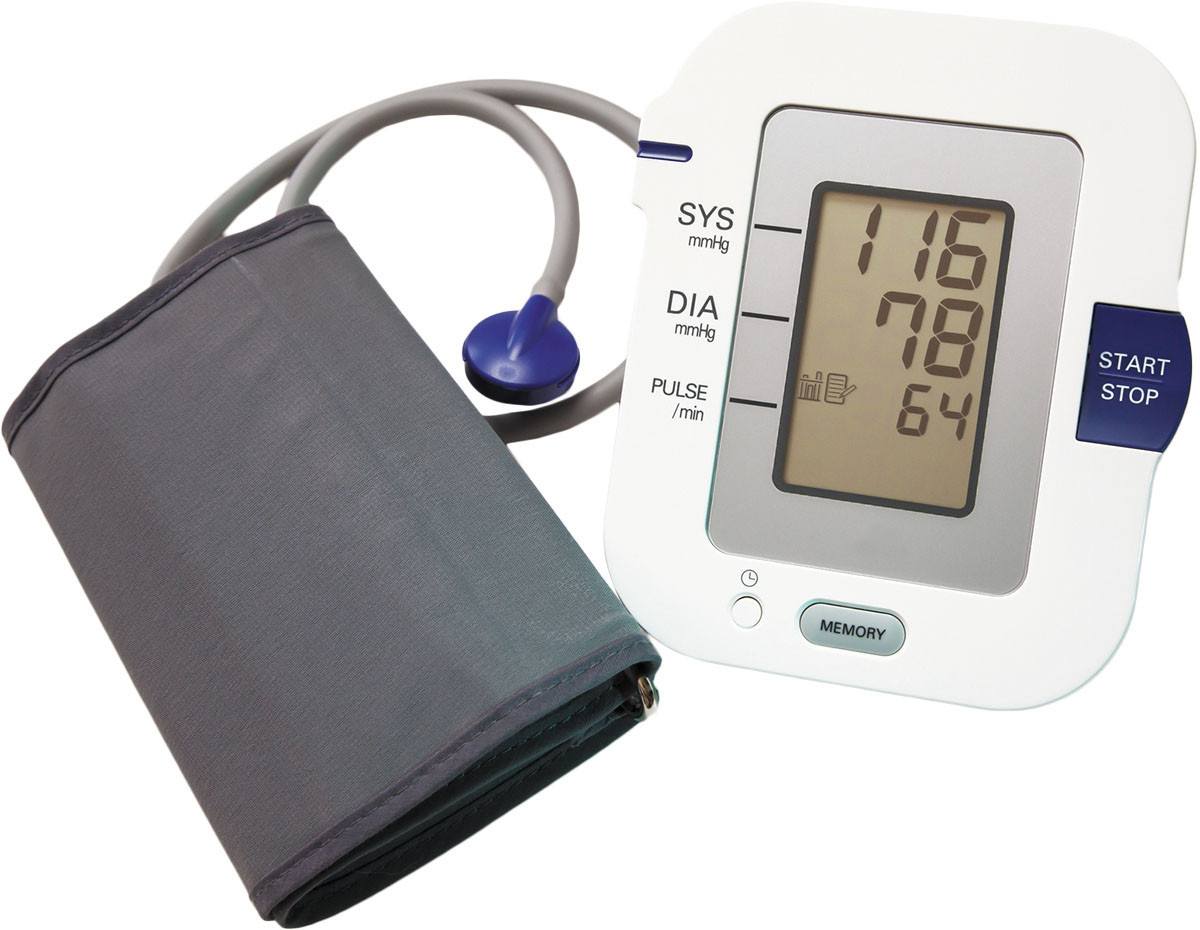
Since hypertension often does not manifest clear symptoms in its early stages, proactive monitoring is essential. Regular blood pressure checks through home monitoring devices or routine check-ups with a healthcare provider can help catch abnormal readings early on.
Awareness of family medical history and maintaining regular interactions with health professionals not only helps in early detection but also enables timely interventions and lifestyle adjustments. Many healthcare providers recommend periodic evaluations, especially for individuals with known risk factors.
For those with established risk factors, incorporating healthy habits such as regular physical exercise, a balanced diet, and stress management techniques can significantly improve cardiovascular health and reduce the chances of complications.
When to Seek Medical Attention
While some early warning signs may seem mild, certain scenarios require immediate medical evaluation:
Critical Situations
- If blood pressure readings exceed 180/120 mm Hg, especially if accompanied by severe symptoms such as chest pain, shortness of breath, or neurologic changes like confusion and intense headaches.
- Sudden and significant occurrence of symptoms like severe dizziness, blurred vision, or persistent nausea should prompt urgent consultation with a healthcare provider.
It is essential to understand that even if symptoms are present, verification through proper blood pressure measurements is necessary. Many patients with high blood pressure might not feel any discomfort until the condition becomes advanced.
Lifestyle Adjustments for Managing Hypertension
Alongside regular monitoring, modifying daily habits can have a favorable impact on blood pressure management.
Nutrition and Diet
A balanced diet with low sodium, rich in vegetables, fruits, whole grains, and lean proteins is recommended. The Dietary Approaches to Stop Hypertension (DASH) diet, for instance, emphasizes fruits, vegetables, and low-fat dairy products, which can help in reducing blood pressure levels.
Physical Activity
Engaging in regular physical exercise, such as brisk walking, cycling, or swimming, can not only help lower high blood pressure but also improve overall cardiovascular fitness. Even moderate physical activity can produce significant benefits for those with elevated blood pressure.
Stress Management
Stress is another contributor to high blood pressure. Techniques such as mindfulness, meditation, yoga, or even leisure activities can help manage stress and, consequently, control blood pressure levels.
Medications and Regular Consultations
In cases where lifestyle modifications alone cannot control blood pressure, healthcare providers might prescribe antihypertensive medications to manage the condition more effectively. Regular consultations ensure that medication dosages remain appropriate and any side effects are monitored.
Summary Table of Early Warning Symptoms and Risk Factors
| Category | Detail | Additional Notes |
|---|---|---|
| Headaches | Severe, recurrent headaches and migraines. | Frequent headaches should be evaluated especially in hypertensive patients. |
| Vision | Blurred vision, flashes, and subconjunctival hemorrhage. | Indicative of pressure effects on delicate ocular blood vessels. |
| Cardiovascular | Chest pain, palpitations, and shortness of breath. | Directly linked to cardiac strain from high blood pressure. |
| Nosebleeds | Recurrent episodes of nosebleeds. | May be the result of rupture of small blood vessels under pressure. |
| Dizziness & Fatigue | Dizziness, fatigue, and confusion. | Symptoms may occur with drops or spikes in blood pressure. |
| Other | Nausea, vomiting, facial flushing, and tinnitus. | These indicate possible hypertensive crises or sudden pressure spikes. |
| Risk Factors | Age, family history, lifestyle, and related health conditions. | Routine monitoring is essential in individuals exposed to these risk factors. |
References
- Hypertension Symptoms – WebMD
- Hypertension Fact Sheet – WHO
- Symptoms of High Blood Pressure – Verywell Health
- High Blood Pressure Overview – Mayo Clinic
-
Hypertension: Causes & Symptoms – Cleveland Clinic
Recommended Queries for Deeper Insights
Last updated March 18, 2025