
Navigating Irritable Bowel Syndrome: Is a Definitive Cure on the Horizon?
Unpacking the complexities of IBS and exploring the current landscape of treatment and management strategies.
Irritable Bowel Syndrome (IBS) is a common and often distressing gastrointestinal disorder that affects a significant portion of the population. Many individuals grappling with its challenging symptoms—such as abdominal pain, bloating, diarrhea, and constipation—understandably seek information about a potential cure. As of May 7, 2025, it's important to clarify the current medical understanding: while a definitive "cure" that eradicates IBS permanently for everyone does not yet exist, the condition is highly manageable. Advances in medical science have led to a variety of effective strategies aimed at significantly reducing symptoms, improving quality of life, and allowing individuals to live more comfortably.
Key Insights into IBS Management
- No Universal Cure: Currently, there is no single medication or treatment that can permanently cure IBS. The focus remains on long-term symptom management and improving daily functioning.
- Individualized Approach is Crucial: IBS manifests differently in each person. Effective management requires a tailored plan, often combining dietary adjustments, lifestyle changes, medications, and psychological support based on specific symptoms and triggers.
- Symptom Relief is Achievable: While a cure is elusive, many individuals can achieve significant relief from their symptoms and lead a fulfilling life through consistent application of appropriate management strategies.
Understanding the Nature of IBS
Why a "Cure" Remains Complex
IBS is classified as a functional gastrointestinal disorder, meaning it's a problem with how the brain and gut work together. Unlike diseases with a clear, single cause (like an infection), IBS is believed to result from a combination of factors. These can include:
- Gut-Brain Axis Dysfunction: Miscommunication between the brain and the gut can affect gut motility (the speed and strength of intestinal contractions) and sensitivity.
- Visceral Hypersensitivity: People with IBS often have a lower pain threshold in their intestines, meaning normal digestive processes can be perceived as painful.
- Altered Gut Motility: The muscles in the intestines may contract too quickly (leading to diarrhea) or too slowly (leading to constipation).
- Changes in Gut Microbiota: An imbalance in the trillions of bacteria residing in the gut has been implicated in IBS symptoms.
- Post-Infectious IBS: Some individuals develop IBS after a severe gastrointestinal infection (like food poisoning).
- Food Sensitivities and Intolerances: Certain foods can trigger or worsen IBS symptoms in susceptible individuals.
- Stress and Psychological Factors: While stress doesn't cause IBS, it can significantly exacerbate symptoms due to the strong connection between the brain and the gut. Approximately 33% of individuals with IBS also experience anxiety or depression.
Because IBS has such a multifactorial nature, developing a single "cure" that addresses all these potential underlying mechanisms for every individual is a significant scientific challenge. Current research focuses on better understanding these mechanisms to develop more targeted and effective treatments.

A visual guide often helps individuals identify potential dietary triggers and beneficial foods for managing IBS.
Comprehensive Management Strategies for IBS
A Multi-Pronged Approach to Symptom Control
Since there isn't a cure, the primary goal of IBS treatment is to manage symptoms effectively, allowing individuals to live as normally as possible. This often involves a combination of strategies, tailored to the predominant symptoms (e.g., IBS with constipation (IBS-C), IBS with diarrhea (IBS-D), or mixed IBS (IBS-M)).
Dietary Modifications
Diet plays a pivotal role in managing IBS for many people. Identifying and avoiding trigger foods is a cornerstone of this approach.
- Low FODMAP Diet: This is an evidence-based approach involving the temporary restriction of Fermentable Oligosaccharides, Disaccharides, Monosaccharides, And Polyols. These are short-chain carbohydrates that can be poorly absorbed in the small intestine, leading to fermentation by gut bacteria, which can cause gas, bloating, pain, and diarrhea. It's typically followed under the guidance of a dietitian and involves an elimination phase followed by systematic reintroduction to identify specific triggers.
- Fiber Intake: Adjusting fiber intake can be beneficial.
- Soluble fiber: Found in oats, psyllium husk, barley, and some fruits and vegetables, can help with both diarrhea (by absorbing excess water) and constipation (by softening stools).
- Insoluble fiber: Found in wheat bran, whole grains, and some vegetables, can sometimes worsen symptoms like bloating and pain in some individuals with IBS, so it should be approached cautiously.
- Identifying Trigger Foods: Common triggers include caffeine, alcohol, spicy foods, fatty foods, dairy products (especially those containing lactose), artificial sweeteners (like sorbitol and mannitol), wheat (gluten or fructans), citrus fruits, and corn. Keeping a food and symptom diary can help pinpoint personal triggers.
- Eating Habits: Eating smaller, more frequent meals, eating slowly, and not skipping meals can also help regulate digestion.
- Hydration: Drinking plenty of water is important, especially if experiencing constipation or diarrhea.
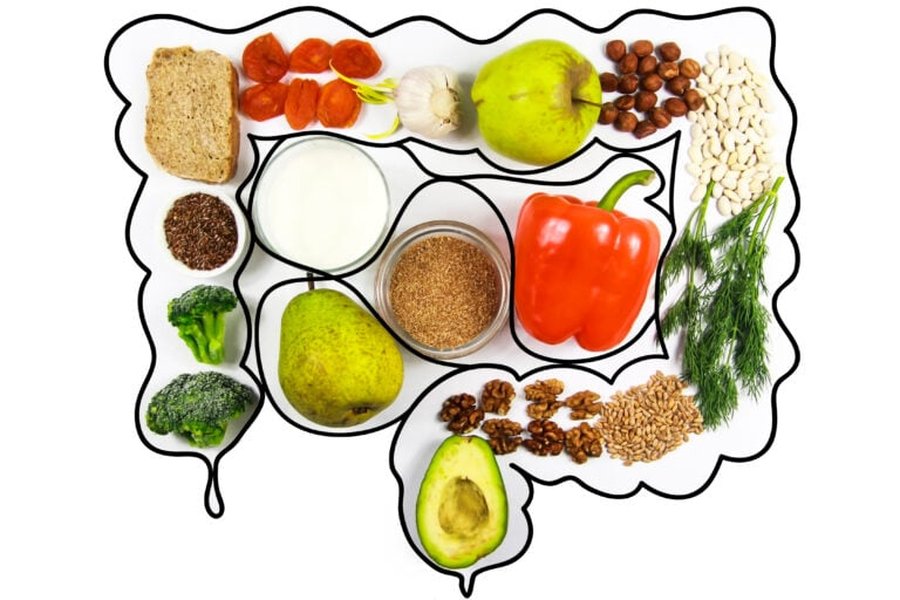
Dietary choices are fundamental in managing IBS symptoms.
Lifestyle Adjustments
Simple lifestyle changes can make a significant difference:
- Regular Physical Activity: Exercise can help regulate bowel function, reduce stress, and improve overall well-being. Low to moderate-intensity activities like walking, swimming, or yoga are often recommended.
- Stress Management: Given the strong gut-brain connection, techniques to manage stress are crucial. These can include mindfulness, meditation, deep breathing exercises, yoga, or engaging in hobbies.
- Adequate Sleep: Poor sleep can exacerbate IBS symptoms. Aiming for consistent, restful sleep is important.
Medications for Symptom Relief
Various medications can target specific IBS symptoms. These are often used when dietary and lifestyle changes aren't sufficient.
| Medication Type | Primary Use in IBS | Examples/Notes |
|---|---|---|
| Antidiarrheals | Reduce frequency and urgency of bowel movements in IBS-D | Loperamide (e.g., Imodium) |
| Laxatives | Relieve constipation in IBS-C | Osmotic laxatives (e.g., polyethylene glycol), stool softeners. Fiber supplements like psyllium can also act as gentle laxatives. |
| Antispasmodics | Reduce abdominal pain and cramping | Hyoscine butylbromide, mebeverine, peppermint oil capsules |
| Low-Dose Antidepressants | Help manage pain and alter gut motility, independent of their antidepressant effects | Tricyclic antidepressants (TCAs) like amitriptyline; Selective Serotonin Reuptake Inhibitors (SSRIs) like fluoxetine |
| Medications for IBS-D | Specifically target diarrhea and pain in IBS-D | Alosetron (Lotronex; for women with severe IBS-D, restricted use), Eluxadoline (Viberzi), Rifaximin (Xifaxan; an antibiotic that can help reduce bacterial overgrowth and improve bloating and diarrhea) |
| Medications for IBS-C | Specifically target constipation and pain in IBS-C | Lubiprostone (Amitiza), Linaclotide (Linzess), Plecanatide (Trulance) – these increase fluid in the intestines to help stool pass. |
The table above summarizes common medication categories used in IBS management. It's crucial to consult a healthcare professional for appropriate diagnosis and treatment, as self-medication can be risky.
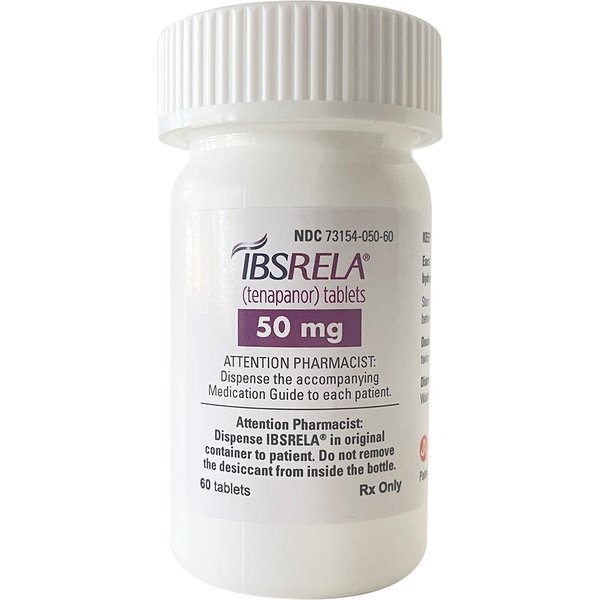
Prescription medications like IBSRELA are available for specific IBS subtypes.
Probiotics
Probiotics are live microorganisms that, when administered in adequate amounts, may confer a health benefit. Some studies suggest certain probiotic strains can help balance gut microbiota and improve IBS symptoms like bloating, gas, and abdominal pain. However, research is ongoing, and effects can vary depending on the specific strain and the individual. It's advisable to discuss probiotic use with a healthcare provider.
Psychological Therapies
Because of the interplay between the brain and gut, psychological therapies can be very effective:
- Cognitive Behavioral Therapy (CBT): Helps patients identify and change negative thought patterns and behaviors related to their symptoms and stress.
- Gut-Directed Hypnotherapy: Involves inducing a state of deep relaxation and offering suggestions to help control and normalize gut function.
- Mindfulness-Based Stress Reduction (MBSR): Teaches individuals to pay attention to the present moment without judgment, which can help manage stress and its impact on IBS symptoms.
Emerging and Future Treatments
Research continues to advance our understanding of IBS, leading to new therapeutic targets:
- Targeting the Brain-Gut Axis: Novel approaches, such as opioid delta-receptor agonists, are being investigated for their potential to alleviate IBS symptoms by acting on the central nervous system, potentially reducing pain and improving bowel function with minimal adverse effects.
- Fecal Microbiota Transplantation (FMT): This investigational treatment involves transferring stool from a healthy donor to an IBS patient to restore a healthy gut microbial balance. More research is needed to determine its efficacy and safety for IBS.
- Personalized Medicine: Future treatments may become more personalized, tailoring strategies based on an individual's specific genetic makeup, gut microbiome profile, and symptom patterns.
Visualizing IBS Management Approaches
To better understand the multifaceted nature of managing IBS, the following mindmap illustrates the key areas of intervention. Each branch represents a category of strategies that individuals, in consultation with their healthcare providers, can explore to find relief.
(Soluble & Insoluble)"] id1c["Trigger Food Avoidance
(e.g., caffeine, dairy, spicy foods)"] id1d["Regular Meal Patterns"] id1e["Hydration"] id2["Lifestyle Adjustments"] id2a["Regular Physical Activity"] id2b["Stress Management Techniques
(e.g., yoga, meditation)"] id2c["Adequate Sleep"] id3["Medications"] id3a["Antidiarrheals
(e.g., Loperamide)"] id3b["Laxatives
(e.g., Polyethylene glycol)"] id3c["Antispasmodics
(e.g., Peppermint oil)"] id3d["Low-Dose Antidepressants
(TCAs, SSRIs)"] id3e["IBS-Specific Drugs
(e.g., Alosetron, Linaclotide)"] id3f["Antibiotics for SIBO
(e.g., Rifaximin)"] id4["Psychological Therapies"] id4a["Cognitive Behavioral Therapy (CBT)"] id4b["Gut-Directed Hypnotherapy"] id4c["Mindfulness & Relaxation"] id5["Probiotics"] id5a["Strain-Specific Benefits"] id5b["Restoring Gut Flora"] id6["Emerging Treatments"] id6a["Targeting Brain-Gut Axis"] id6b["Fecal Microbiota Transplantation (FMT)"] id6c["Personalized Medicine"]
This mindmap provides a visual overview of the comprehensive strategies employed in managing Irritable Bowel Syndrome, highlighting that treatment is often a combination of several approaches tailored to individual needs.
Comparative Outlook on IBS Management Strategies
Different IBS management strategies vary in their general effectiveness for common symptoms, ease of implementation, and potential for side effects. The radar chart below offers an opinionated comparison across several key approaches. Note that individual experiences can vary significantly, and this chart represents a generalized perspective. Scores range from 1 (Low) to 5 (High).
This chart highlights how different strategies excel in various areas. For instance, the Low FODMAP diet scores well for symptom reduction but can be challenging to implement initially. Stress management techniques have a very good side effect profile but may take time to show significant impact on physical symptoms. Consulting with healthcare professionals can help determine the most suitable combination of strategies for an individual's specific situation.
Expert Insights on Managing IBS
Many health organizations and experts provide guidance on coping with IBS. The following video from the Mayo Clinic offers practical advice on managing this condition to improve quality of life.
This video from the Mayo Clinic discusses how to cope with Irritable Bowel Syndrome, emphasizing management options to improve quality of life rather than a cure. It aligns with the current understanding that IBS is a chronic condition requiring ongoing management through various strategies, including dietary changes, stress reduction, and sometimes medication, tailored to individual needs.
Frequently Asked Questions (FAQ)
Is there any single pill that can cure IBS?
No, as of May 2025, there is no single pill or medication that can cure Irritable Bowel Syndrome. Medications for IBS are aimed at managing specific symptoms like diarrhea, constipation, or pain, rather than eliminating the underlying condition. Treatment is usually multifaceted, involving diet, lifestyle changes, and sometimes several medications or therapies.
Can IBS go away on its own?
IBS is generally considered a chronic condition, meaning it tends to be long-lasting. While symptoms can fluctuate over time, and some people may experience periods of remission where symptoms are minimal or absent, it typically does not "go away" permanently without ongoing management strategies. For many, it requires long-term attention to diet, lifestyle, and stress levels.
How is IBS definitively diagnosed if there's no cure?
IBS is diagnosed based on specific symptom criteria (like the Rome criteria), which typically involve recurrent abdominal pain associated with changes in bowel habits (frequency or form of stool). It's also a diagnosis of exclusion, meaning doctors will often conduct tests (like blood tests, stool samples, or sometimes colonoscopy) to rule out other conditions with similar symptoms, such as inflammatory bowel disease (IBD), celiac disease, or infections. There isn't a single definitive test *for* IBS itself, but rather a process to confirm its presence while excluding other pathologies.
Will research eventually find a cure for IBS?
The medical and scientific communities are actively researching IBS to better understand its complex causes and develop more effective treatments. While a definitive cure for all types of IBS is a long-term goal, current research is focused on improving diagnostic tools, identifying specific biomarkers, understanding the gut-brain axis and microbiome more deeply, and developing more targeted therapies. Advances are continually being made, offering hope for better management and potentially, one day, curative approaches for subsets of IBS patients.
Recommended Further Exploration
To deepen your understanding of Irritable Bowel Syndrome and its management, consider exploring these related queries:
- What are the most effective dietary changes for managing IBS symptoms?
- How does stress impact Irritable Bowel Syndrome and what are coping mechanisms?
- What is the latest research on the gut microbiome's role in IBS?
- Can you compare the different types of medications used for IBS-D versus IBS-C?
References
Last updated May 7, 2025