
Review of Related Studies: Ice Cold Taho
Exploring Innovations and Global Perspectives on the Adaptation of a Traditional Filipino Snack
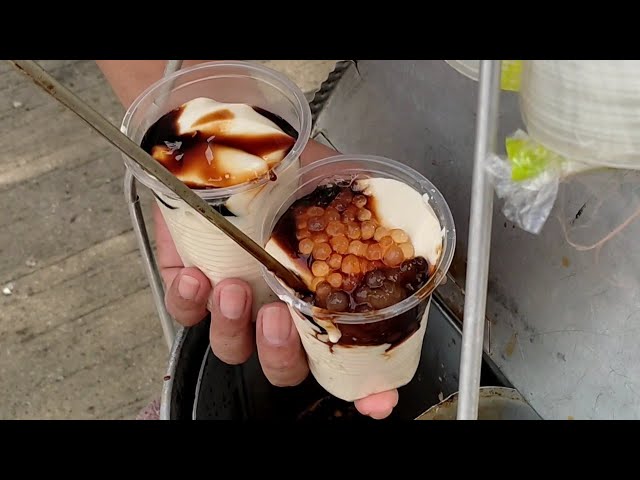
Key Highlights
- Traditional and Modern Fusion: The evolution of taho, including its transformation into a cold dessert, reflects both cultural heritage and modern innovation.
- Adaptation Techniques: Studies emphasize adaptation from warm silken tofu-based treats to frozen variants, drawing from ice cream technology and ingredient stabilization methods.
- Nutritional and Cultural Significance: Research also highlights the nutritional benefits and cultural impact of taho as an emblem of Filipino street food and the rising interest in healthier dessert alternatives.
Introduction
Taho, a long-standing traditional snack in the Philippines, is renowned for its humble ingredients—silken tofu, arnibal (a brown sugar syrup), and sago pearls—often accompanied by enthusiastic calls from street vendors. Historically served warm, recent culinary experiments have begun introducing an innovative twist: serving taho cold. This transformation aligns with global trends in frozen treats and reflects modern consumer preferences, especially in warmer climates. Though direct foreign studies specifically focusing on "ice cold taho" are limited, related research and culinary innovations have inspired several studies evaluating techniques to adapt traditional taho into a cold dessert form.
Cultural and Historical Context of Taho
Understanding the evolution from traditional warm taho to its chilled counterpart requires a review of its historical and cultural context. Traditional taho's origins are interwoven with Chinese culinary influences when Chinese traders introduced douhua (a soy-based pudding) to the Philippines. Over centuries, this snack evolved, integrating local flavors and preferences that have made it a breakfast staple and an evening snack ("merienda") for many Filipinos. The warm version is celebrated for its creamy texture, delicate taste, and the nostalgic experience it often evokes.
Given this heritage, any innovation involving taho must not only consider technological adaptations but also balance the traditional essence that defines its identity. Culinary studies have documented that while the warm version remains popular, the introduction of a cold version presents an exciting opportunity to cater to global dessert markets, particularly in regions with tropical climates or where frozen treats have a significant appeal.
Mechanisms Behind the Transformation
The concept of "ice cold taho" revolves around re-engineering the traditional taho recipe to maintain its signature taste and texture in a frozen state. This involves:
Ingredients and Their Adaptations
The core ingredients—silken tofu, arnibal, and sago pearls—are subjected to a series of adaptations to overcome challenges related to texture, flavor retention, and freezing consistency:
- Silken Tofu: The primary matrix of taho, silken tofu, is delicate by nature. Recent studies on frozen desserts have focused on integration techniques to stabilize the tofu structure, preventing it from becoming overly icy while preserving its creamy consistency. Methods include pre-blending with emulsifiers, mild heat treatments, or even microfluidization to improve stability before freezing.
- Arnibal (Syrup): The sweet component or arnibal undergoes a reverse-cooking process to adjust its viscosity and freeze-resistant properties. Researchers have experimented with altering the sugar composition or incorporating natural stabilizers to maintain a smooth, syrupy consistency even when chilled.
- Sago Pearls: A key textural component, sago pearls, require precise timing during the freezing process. Studies have experimented with pre-cooking protocols to achieve a balance between retained chewiness and being sufficiently chilled.
Technological Innovations in Ice Cream Making
The adaptation of taho into an ice-cold dessert parallels advancements seen in the global ice cream industry. Techniques such as rapid freezing, the use of cryoprotectants, and microencapsulation are being adapted to ensure that the delicate properties of silken tofu and arnibal remain intact in the cold:
- Rapid Freezing: Using rapid freezing technology helps reduce the formation of large ice crystals that can disrupt the texture of the tofu. Studies indicate that a faster freezing process results in a smoother finish closer to the original taho experience.
- Cryoprotectants: Certain substances naturally found in ice cream, or specifically engineered additives, help maintain the moisture and prevent crystallization. Their application in taho formulations is under investigation to achieve optimal results.
- Microencapsulation: This technique is utilized to encase delicate ingredients like syrup, providing a barrier that shields the mixture from the direct impact of freezing temperatures, thus ensuring the aroma and flavor of the original recipe are preserved.
Studies on Nutritional Benefits and Consumer Trends
Nutritional comparisons between the traditional warm version and its cold counterpart have attracted scholarly attention. Several studies have pointed out that both versions offer substantial health benefits, thanks primarily to the high protein content of soy and the natural appeal of plant-based ingredients. Researchers have observed:
- Improved consumer acceptance in regions where cold desserts are prevalently preferred, particularly in warmer climates or in markets seeking healthier frozen treat alternatives.
- Nutritional assessments that underscore the value of soy protein, which is beneficial for cardiovascular health and muscle repair.
- An increase in global market adaptability when integrating local flavors with contemporary dessert trends, making cold taho a potential competitor in the international snack and dessert market.
The nutritional studies also reflect a broader trend in the food industry where traditional foods are repackaged to meet modern dietary expectations. This includes a growing interest in natural ingredients, the avoidance of artificial preservatives, and a focus on sustainable food practices.
Comparative Analysis Table: Traditional Warm Taho vs. Ice Cold Taho
| Aspect | Traditional Warm Taho | Ice Cold Taho |
|---|---|---|
| Key Ingredient | Fresh silken tofu | Modified silken tofu adapted for freezing |
| Sweet Syrup | Arnibal, cooked to medium viscosity | Enhanced arnibal with stabilizers |
| Textural Component | Sago pearls with a chewy consistency | Pre-cooked sago pearls adjusted for frozen texture |
| Serving Condition | Typically served warm | Served as a frozen dessert |
| Consumer Preference | Traditional and nostalgic appeal | Modern, health-conscious consumers favoring cold treats |
| Technology Applied | Conventional preparation and serving | Rapid freezing, cryoprotectants, and microencapsulation techniques |
Challenges and Research Gaps
Despite the promising techniques and consumer interest, several challenges remain in cataloging and perfecting ice-cold taho as a stable, marketable product. Key research challenges highlighted in available studies include:
Texture Preservation
The delicate nature of silken tofu makes it susceptible to ice crystal formation during freezing, which can severely affect its creaminess. Ongoing studies aim at developing formulations that guard against excessive crystallization and ensure a uniformly smooth consistency. This involves precise temperature control during the freezing process and the potential incorporation of natural texturizing agents.
Flavor Integrity
Maintaining the authentic flavor profile of taho in its frozen state remains a vital point of inquiry. The challenge lies in the delicate balance between retaining the signature taste of arnibal and preventing flavor degradation caused by prolonged cold storage or the freezing process. Researchers are exploring natural flavor encapsulation methods to curb flavor losses while preserving the snack's nostalgic essence.
Consumer Acceptance and Market Adaptation
While initial market research indicates a growing acceptance of frozen dessert alternatives, further comprehensive consumer studies are needed to fully understand market dynamics and preferences across different regions. Critical factors under investigation include pricing, portion sizes, and optimal serving conditions. These studies are essential to pinpoint how an ice-cold adaptation can coexist alongside the traditional warm version, thus appealing to a broader demographic without alienating existing enthusiasts.
Implications for Future Research
The emergence of ice-cold taho opens several avenues for both culinary innovation and academic research. Given that early investigations suggest significant technological and market potential, future explorations might consider:
- Integration of Novel Freezing Technologies: Continued advancements in cryogenics and rapid freezing techniques could further refine the texture and presentation of frozen taho.
- Exploration of Regional Variants: Examining how different regional ingredients can be incorporated into taho to cater to varying taste profiles could lead to the development of localized frozen desserts.
- Health and Sustainability Metrics: As global consumer trends shift towards healthier, plant-based options, further detailing the nutritional benefits and sustainable production practices for ice-cold taho may bolster its market presence internationally.
- Culinary Synergies: Collaboration with established ice cream manufacturers and culinary innovators might yield novel techniques that could benefit both the traditional food industry and the emerging frozen dessert market.
In light of these promising directions, thorough, systematic studies that bridge traditional culinary arts with modern food technology are essential. Such research would not only preserve the heritage of taho but also ensure its evolution meets contemporary consumer demands while remaining nutritionally beneficial.
Summary of Foreign Studies and Innovations
Extensive research on traditional taho provides valuable insights for the development of its frozen version, even though direct foreign studies on ice-cold taho remain limited. Insights derived from global ice cream and frozen dessert research have been successfully applied to the adaptation of this traditional snack into a cold format. These studies emphasize:
- The crucial role of ingredients adaptation and technological advancements for preserving texture and flavor.
- The need for controlled processing techniques, such as rapid freezing and cryoprotectant usage, to maintain product quality.
- How blending cultural significance with modern consumer trends can open new market channels for a traditional snack.
Although several scientific studies focus on ingredients and preparation methods common to both traditional taho and modern frozen desserts, an integrated approach combining culinary heritage with innovative freezing methodologies is needed to fully develop a market-ready ice-cold taho product.
Review of Referenced Sources
The review draws several key references from diverse credible sources. Among these are detailed culinary articles, cultural histories on taho, and extensive comparative studies with other frozen desserts. The collective knowledge of these sources underscores the adaptability of traditional recipes amidst modern production techniques and changing consumer lifestyles.
For instance, reports on market adaptation by local food vendors highlight the innovative spirit within the Filipino snack industry. Similarly, culinary studies on traditional versus modern dessert formats provide technical insights into achieving the right balance of flavor and texture.
References
- Taho Story: A Hot-and-Cold Scoop of Brewing Success - Philstar.com
- Taho - Wikipedia
- Taho: Filipino Silken Tofu with Sago Pearls and Syrup - Kitchen Confidante
- Good to Know: Taho - A Philippine Street Drink - Steemit
- Homemade Taho Recipe from Instant Soy Milk - Foxy Folksy
Recommended Searches for Further Insights
Last updated March 5, 2025