
ICT Integration in Teaching and Learning Across Eldoret City
Enhancing Educational Outcomes through Digital Transformation
Key Takeaways
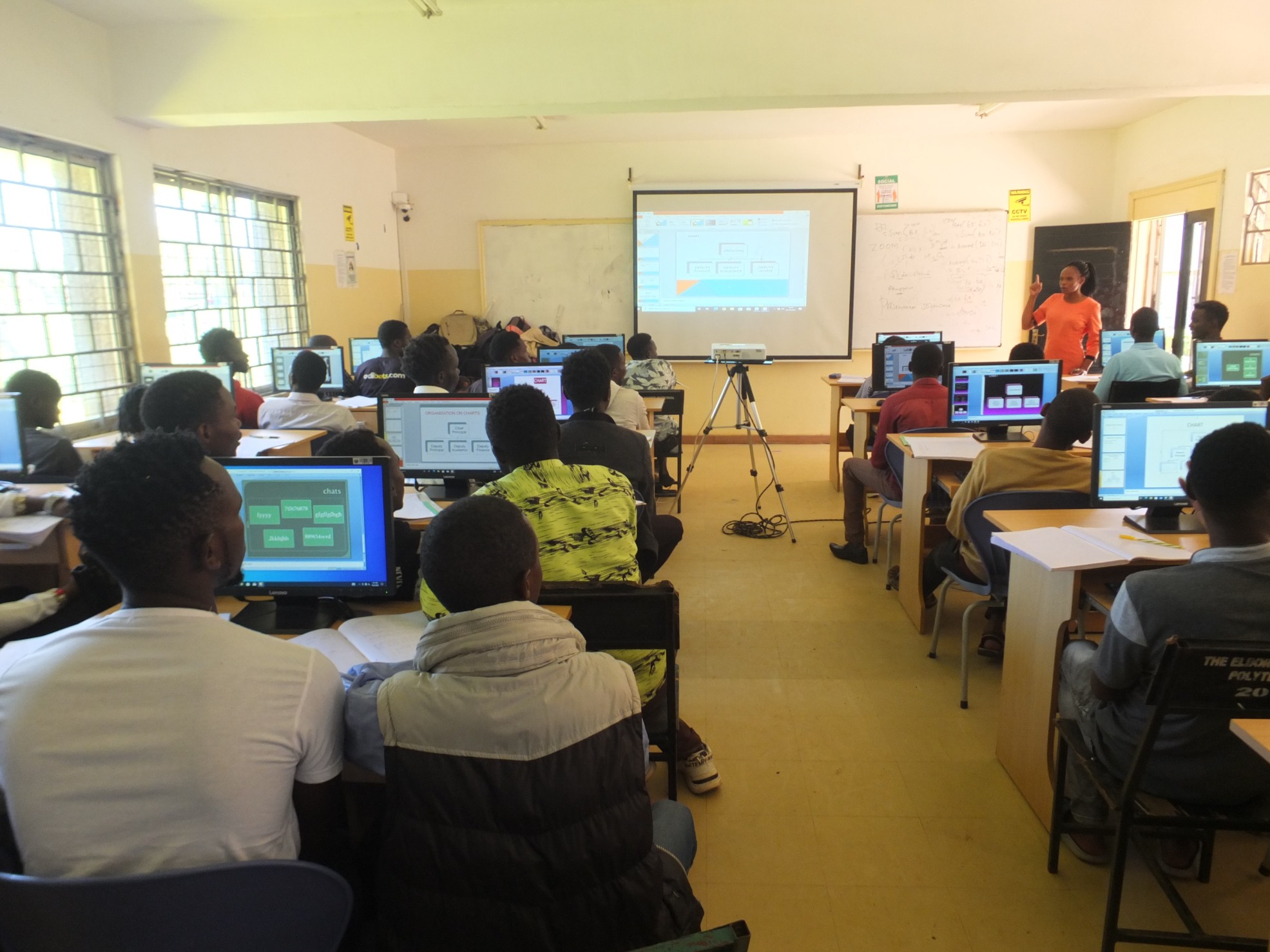
- Comprehensive ICT Adoption: Eldoret City's educational institutions are progressively embracing ICT, enhancing teaching methodologies and learning experiences.
- Challenges in Implementation: Despite advancements, challenges such as inadequate infrastructure, limited training, and resistance to change hinder optimal ICT integration.
- Strategic Recommendations: Effective ICT integration requires robust policy frameworks, continuous professional development for educators, and sustained investment in technological infrastructure.
Introduction
Background and Significance
The integration of Information and Communication Technology (ICT) in education has become a pivotal element in the modernization of teaching and learning processes. In Eldoret City, a prominent educational hub in Kenya, institutions such as The Eldoret National Polytechnic and the University of Eldoret are at the forefront of leveraging ICT to enhance educational outcomes. This comprehensive study examines the current state of ICT integration across various educational levels in Eldoret City, exploring the benefits, challenges, and strategic measures necessary for effective implementation.
Research Objectives
The primary objectives of this research are:
- To evaluate the extent of ICT adoption in primary, secondary, and tertiary educational institutions in Eldoret City.
- To identify the key challenges hindering effective ICT integration.
- To assess the impact of ICT on student engagement and academic performance.
- To propose strategic recommendations for enhancing ICT integration in the educational sector.
Literature Review
Global Perspectives on ICT Integration
Globally, ICT has revolutionized education by fostering interactive and student-centered learning environments. Developed nations have demonstrated significant improvements in access to information, collaborative learning, and differentiated instruction through the use of digital tools. However, the success of ICT integration is heavily dependent on factors such as teacher competency, institutional support, and sustainable technological infrastructures.
ICT Integration in the African Context
In Africa, ICT integration in education has been driven by initiatives aimed at bridging the digital divide. Countries like Kenya have implemented programs like the Kenya ICT Authority’s “Digital Literacy Programme” to enhance digital literacy among students and educators. Despite these efforts, challenges such as inconsistent teacher training, limited internet access, and infrastructural deficits continue to impede uniform progress across the continent.
Theoretical Frameworks
Technological Pedagogical Content Knowledge (TPACK)
The TPACK framework emphasizes the integration of technology with pedagogical strategies and subject matter expertise. Effective ICT integration occurs when teachers can seamlessly blend these domains to create meaningful learning experiences.
Diffusion of Innovations Theory
This theory explains how new ideas and technologies spread within a social system. Factors influencing the adoption of ICT include perceived advantages, compatibility with existing practices, and the complexity of the new technology.
Current State of ICT Integration in Eldoret City
Adoption Levels Across Educational Institutions
Eldoret City boasts a diverse educational landscape encompassing primary, secondary, and tertiary institutions. The Eldoret National Polytechnic and the University of Eldoret have been proactive in adopting ICT, integrating tools such as e-learning platforms, smart boards, and virtual reality applications into their curricula. Conversely, primary and secondary schools exhibit varied levels of ICT adoption, often constrained by limited resources and infrastructural challenges.
Technological Infrastructure and Digital Readiness
Technological infrastructure plays a critical role in the effective integration of ICT in education. Institutions in Eldoret City have made strides in equipping classrooms with digital devices and establishing internet connectivity. However, issues such as inconsistent power supply, inadequate maintenance of digital equipment, and limited access to high-speed internet persist, particularly in rural and underserved areas.
Implementation Challenges and Opportunities
Despite the evident benefits of ICT integration, several challenges impede its seamless implementation in Eldoret City. Key challenges include:
- Inadequate Infrastructure: Limited access to reliable internet and digital devices hinders the effective use of ICT tools.
- Limited Training: A significant number of educators lack comprehensive training in ICT, affecting their ability to utilize digital tools effectively.
- Financial Constraints: Budget limitations restrict the procurement and maintenance of up-to-date technological resources.
- Resistance to Change: Some educators exhibit reluctance to adopt new teaching methodologies, preferring traditional approaches.
Impact of ICT on Teaching and Learning
Enhancing Learning Experiences
The integration of ICT has significantly transformed learning experiences in Eldoret City. Digital tools such as interactive whiteboards, educational software, and online platforms have made lessons more engaging and interactive. These technologies facilitate diverse teaching methodologies, including flipped classrooms, blended learning, and personalized instruction, catering to varied learning styles and needs.
Student Engagement and Academic Performance
ICT integration has been linked to increased student engagement and improved academic performance. Interactive learning tools, such as educational games and online quizzes, encourage active participation and foster a deeper understanding of the subject matter. Moreover, access to a vast array of digital resources enhances students' research capabilities and critical thinking skills, contributing to better academic outcomes.
Developing Digital Literacy
In the digital age, digital literacy is a crucial skill for students' future success. ICT integration in education equips students with essential digital skills, preparing them for the demands of the modern workforce. Proficiency in using digital tools, navigating online information, and engaging in digital communication are integral components of digital literacy fostered through ICT-integrated learning environments.
Teacher Competency and Professional Development
Assessing Teacher Competencies
The effectiveness of ICT integration heavily relies on educators' competencies in using digital tools. In Eldoret City, studies indicate a disparity in digital literacy levels among teachers. While younger educators tend to be more adept at using ICT, older teachers often face challenges due to limited training and exposure to digital technologies.
Professional Development Initiatives
Continuous professional development is essential for enhancing teachers' ICT skills. Institutions such as The Eldoret National Polytechnic offer training programs focused on digital pedagogy, enabling educators to integrate ICT effectively into their teaching practices. These programs emphasize not only technical skills but also pedagogical strategies for leveraging ICT to enhance learning outcomes.
Overcoming Barriers to Effective Integration
Addressing the barriers to effective ICT integration requires a multifaceted approach:
- Comprehensive Training: Implementing regular, targeted training programs to enhance teachers' digital skills and confidence.
- Support Systems: Establishing support structures, such as ICT coordinators and technical assistance teams, to aid teachers in utilizing digital tools.
- Incentivizing Adoption: Encouraging educators to adopt ICT through incentives, recognition, and showcasing successful ICT integration 사례.
Infrastructure and Resource Allocation
Current Infrastructure Status
The technological infrastructure in Eldoret City's educational institutions varies significantly. While tertiary institutions like the University of Eldoret are well-equipped with modern ICT facilities, primary and secondary schools often struggle with outdated equipment and insufficient digital resources. This disparity highlights the need for equitable resource allocation to ensure uniform ICT integration across all educational levels.
Resource Allocation Strategies
Effective resource allocation is critical for sustaining ICT integration. Strategies include:
-
Government Funding: Securing increased funding from government bodies to upgrade ICT infrastructure in underserved schools.
-
Public-Private Partnerships: Collaborating with private organizations to secure donations of digital devices and software licenses.
-
Sustainable Maintenance Plans: Developing maintenance schedules and allocating budgets for the upkeep of technological equipment.
Technological Sustainability
Ensuring the sustainability of ICT resources involves regular updates and maintenance. Institutions must adopt proactive maintenance practices, such as routine equipment checks and timely software updates, to prevent technological obsolescence. Additionally, establishing local technical support teams can facilitate quick resolution of ICT-related issues, minimizing downtime and disruptions to teaching and learning.
Case Studies
Eldoret National Polytechnic
The Eldoret National Polytechnic exemplifies successful ICT integration through its comprehensive eLearning initiatives. The institution has invested in Learning Management Systems (LMS), virtual laboratories, and smart classrooms, fostering an environment conducive to digital learning. Additionally, ongoing professional development programs ensure that educators are proficient in utilizing digital tools to enhance instructional delivery.
University of Eldoret
The University of Eldoret has implemented strategic ICT integration by incorporating AI-driven educational tools, collaborative platforms, and virtual reality applications into its curricula. These advancements have not only enriched the learning experience but also prepared students for the demands of a technologically driven workforce. The university's focus on research and development in ICT further reinforces its commitment to educational excellence.
Secondary Schools in Eldoret East Sub County
Secondary schools in Eldoret East Sub County face unique challenges in ICT integration, including limited access to digital resources and inconsistent teacher training. However, initiatives such as community-based ICT programs and partnerships with local organizations have shown promise in bridging these gaps. These efforts aim to enhance digital literacy among both students and educators, fostering a more inclusive and technologically adept educational environment.
Data Analysis
Quantitative Findings
Analysis of survey data from educators and administrators reveals that while a significant percentage of institutions have access to basic ICT tools, the utilization of advanced technologies remains limited. Descriptive statistics indicate that only 40% of schools effectively integrate interactive whiteboards and e-learning platforms into their teaching practices. Correlation analysis highlights a positive relationship between ICT usage frequency and student engagement levels.
Qualitative Insights
Interviews with teachers and administrators underscore the importance of continuous training and institutional support in successful ICT integration. Themes such as the need for professional development, the benefits of collaborative teaching approaches, and the challenges posed by infrastructural limitations frequently emerge from qualitative data. These insights emphasize the multifaceted nature of ICT integration, requiring both technical and pedagogical considerations.
Comprehensive Data Overview
| Institution Type | Percentage with ICT Integration | Commonly Used ICT Tools | Key Challenges |
|---|---|---|---|
| Primary Schools | 35% | Laptops, Smart Boards | Limited Training, Inadequate Infrastructure |
| Secondary Schools | 50% | Interactive Whiteboards, Educational Software | Financial Constraints, Resistance to Change |
| Tertiary Institutions | 80% | Learning Management Systems, Virtual Reality | Maintenance Costs, Ensuring Digital Equity |
Challenges and Barriers
Inadequate Infrastructure
One of the foremost challenges in ICT integration is the inadequate technological infrastructure. Many educational institutions in Eldoret City lack reliable internet connectivity, stable power supply, and sufficient digital devices to support effective teaching and learning. This infrastructural deficit limits the potential of ICT tools to enhance educational experiences.
Limited Teacher Training
Effective ICT integration is contingent upon educators possessing the necessary digital skills and pedagogical knowledge. However, many teachers in Eldoret City have not received adequate training in utilizing ICT tools, resulting in suboptimal implementation. Continuous professional development and targeted training programs are essential to equip teachers with the competencies required for effective ICT integration.
Financial Constraints
Financial limitations pose a significant barrier to ICT integration. Procuring and maintaining digital devices, investing in software licenses, and ensuring consistent infrastructure upgrades require substantial financial resources. Budgetary constraints often result in outdated equipment and hinder the ability to implement advanced technological solutions.
Resistance to Change
Resistance to adopting new teaching methodologies is another challenge in ICT integration. Some educators prefer traditional teaching approaches and may be hesitant to incorporate digital tools into their instructional practices. Overcoming this resistance requires fostering a culture of innovation, providing adequate support, and demonstrating the tangible benefits of ICT integration.
Digital Divide
The digital divide, characterized by disparities in access to digital resources and internet connectivity among students, further complicates ICT integration efforts. Addressing this divide is crucial to ensuring equitable access to quality education and preventing the marginalization of disadvantaged students.
Strategies for Effective ICT Integration
Policy Reforms and Frameworks
Developing comprehensive policy frameworks is essential for guiding ICT integration in education. Policies should outline clear guidelines for ICT usage, resource allocation, and infrastructure development. Additionally, policies should promote digital equity, ensuring that all students have access to necessary technological resources regardless of their socio-economic background.
Enhancing Teacher Training
Continuous and targeted professional development programs are vital for enhancing teachers' ICT competencies. Training initiatives should focus not only on technical skills but also on integrating ICT into pedagogical practices effectively. Empowering teachers with the knowledge and skills to utilize digital tools can significantly improve the quality of education.
Investment in Infrastructure
Sustained investment in technological infrastructure is critical for the success of ICT integration. This includes upgrading internet connectivity, ensuring consistent power supply, and procuring modern digital devices. Additionally, establishing maintenance protocols and technical support teams can help sustain the technological advancements in educational institutions.
Promoting Collaborative Networks
Fostering collaborative networks among educators, technology experts, and educational institutions can facilitate the sharing of best practices and innovative teaching methodologies. Collaborative efforts can drive collective problem-solving, resource sharing, and the continuous improvement of ICT integration strategies.
Encouraging Innovation and Flexibility
Encouraging a culture of innovation and flexibility within educational institutions can enhance ICT integration. Educators should be empowered to experiment with new digital tools and teaching approaches, fostering an environment conducive to continuous learning and improvement.
Future Research Directions
Longitudinal Studies on ICT Impact
Conducting longitudinal studies can provide deeper insights into the long-term effects of ICT integration on educational outcomes. Tracking changes in student performance, engagement, and digital literacy over time can help assess the sustained impact of ICT initiatives.
Addressing the Digital Divide
Future research should explore effective strategies for bridging the digital divide in Eldoret City. Investigating the socio-economic factors influencing digital access and literacy can inform targeted interventions aimed at promoting digital equity.
Evaluating ICT Integration Models
Evaluating different models of ICT integration can help identify best practices and scalable solutions. Comparative studies across various educational institutions can highlight successful strategies and areas requiring improvement.
Conclusion
The integration of ICT in teaching and learning across Eldoret City presents significant opportunities for enhancing educational outcomes and preparing students for a digital future. While strides have been made in adopting digital tools and technologies, challenges such as inadequate infrastructure, limited teacher training, financial constraints, and resistance to change continue to impede optimal ICT integration. Addressing these challenges through comprehensive policy reforms, sustained investment in infrastructure, continuous professional development, and fostering collaborative networks is essential for realizing the full potential of ICT in education. Future research should focus on longitudinal impact assessments, strategies to bridge the digital divide, and evaluating effective ICT integration models to inform evidence-based interventions. By overcoming these barriers, Eldoret City can establish a robust and equitable digital education ecosystem that benefits all stakeholders.
References
Last updated February 11, 2025