
Unlocking Your Full Potential: Creating the Perfect Collaborative Team Environment
Discover how the right team dynamics can transform your productivity, creativity, and workplace satisfaction
Essential Elements of an Ideal Team Environment
- Psychological safety forms the foundation for innovation and open dialogue
- Clear communication channels ensure information flows freely and effectively
- Balanced autonomy and collaboration empower individuals while maintaining team cohesion
An ideal team environment is more than just a pleasant workplace—it's a carefully cultivated ecosystem that nurtures individual talents while fostering collective achievement. In such an environment, team members feel genuinely supported, valued, and empowered to contribute their best work. This harmonious balance leads to enhanced creativity, productivity, and job satisfaction.
The most effective teams operate with a foundation of trust, open communication, and shared purpose. When these elements come together, they create a workspace where people feel safe to take risks, share ideas, and collaborate without fear of judgment or criticism.
The Pillars of a Supportive Team Environment
Psychological Safety and Trust
At the core of any high-performing team is psychological safety—the shared belief that the team is safe for interpersonal risk-taking. When team members feel psychologically safe, they're more likely to speak up, share innovative ideas, admit mistakes, and seek feedback. This foundation of trust creates an atmosphere where everyone feels comfortable being their authentic selves.
Building Trust Through Vulnerability
Leaders who demonstrate vulnerability by admitting when they don't have all the answers create space for team members to do the same. This honesty builds credibility and fosters an environment where people feel safe to take calculated risks without fear of punishment for failure.
Open and Transparent Communication
Effective communication is the lifeblood of successful teams. In an ideal environment, information flows freely, feedback is constructive and frequent, and difficult conversations are approached with empathy and respect. When communication channels are open, misunderstandings decrease, and collaboration thrives.
Active Listening Practices
Teams that prioritize active listening create spaces where everyone feels heard and valued. This means giving full attention during discussions, asking clarifying questions, and acknowledging others' perspectives before offering your own.
Clear Goals and Expectations
When team members understand both the big picture objectives and their individual responsibilities, they can align their efforts effectively. Clear goals provide direction and purpose, while well-defined expectations reduce confusion and increase accountability.
SMART Goal Framework
The most effective teams use SMART goals (Specific, Measurable, Achievable, Relevant, Time-bound) to create clarity around expectations and outcomes. This framework helps team members understand exactly what success looks like and how their contributions fit into the larger mission.
Team Dynamics Assessment: How Supportive Is Your Environment?
Understanding the various dimensions of team support can help identify areas of strength and opportunities for improvement. The following radar chart illustrates the key components that contribute to an ideal team environment and how they might be balanced in different organizational contexts.
This radar chart highlights how different types of teams perform across key dimensions of an ideal team environment. High-performing teams consistently score well in all areas, while struggling teams show significant gaps, particularly in psychological safety, growth opportunities, and leadership support.
Collaborative Culture: The Heartbeat of Effective Teams
A collaborative culture is essential for creating an environment where team members feel supported. This culture emphasizes shared responsibility, mutual respect, and collective problem-solving. The following mindmap illustrates the interconnected elements that contribute to a collaborative team culture.
This mindmap demonstrates how the elements of a collaborative culture are interconnected. When all these components work together harmoniously, they create an environment where team members feel empowered, valued, and motivated to contribute their best efforts.
Leadership Styles That Foster Team Success
Leaders play a crucial role in shaping team environments. Different leadership approaches can significantly impact how supported team members feel and, consequently, their performance. Understanding these different styles can help identify the most effective leadership approach for your team.
| Leadership Style | Key Characteristics | Impact on Team | Best Used When |
|---|---|---|---|
| Transformational | Inspirational, visionary, empowering | Promotes innovation, loyalty, and high engagement | The team needs motivation and a clear vision |
| Servant | Supportive, empathetic, focused on team growth | Creates psychological safety and fosters development | Building long-term team capability is a priority |
| Democratic | Collaborative, inclusive, consensus-building | Encourages participation and diverse perspectives | Complex decisions require diverse input |
| Coaching | Developmental, feedback-oriented, strengths-focused | Builds individual capabilities and confidence | Team members need skill development |
| Situational | Flexible, adaptive, context-sensitive | Provides appropriate support based on team needs | Team members have varying experience levels |
Effective leaders often blend elements of multiple styles based on the specific needs of their team and the challenges they face. The most supportive leaders adapt their approach to provide the right balance of guidance and autonomy for each team member.
Visual Workspace Design: Creating Environments That Inspire
The physical or virtual workspace significantly impacts how team members feel and perform. Thoughtfully designed environments can enhance collaboration, creativity, and overall well-being. Here are some inspiring examples of team environments designed to support optimal performance:

A modern collaborative workspace designed to facilitate both teamwork and individual focus

Open office layout with varied work zones to accommodate different work styles and activities
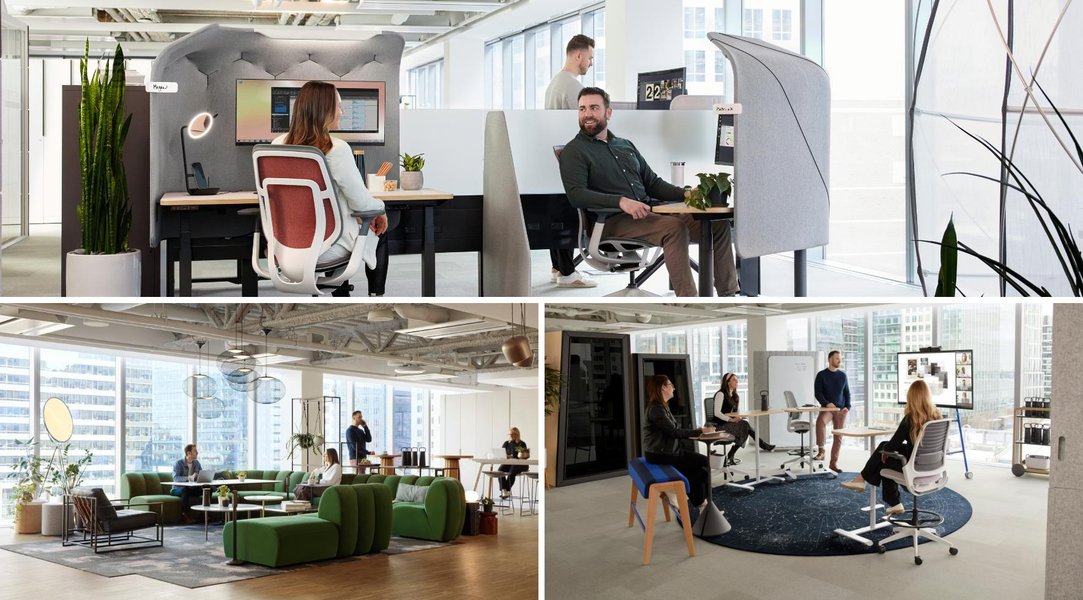
Balance of private and collaborative spaces to support both focused work and team interactions
Whether your team works in a physical office, remotely, or in a hybrid arrangement, intentionally designing the environment to support different work modes is crucial. The best workspaces provide flexibility, comfort, and the right tools for the job while reflecting the team's culture and values.
Building Effective Team Dynamics: Expert Insights
Understanding the principles behind high-performing teams can help create environments where everyone feels supported and empowered. The following video provides valuable insights into fostering a collaborative team culture:
This video explores practical strategies for building a culture of collaboration, emphasizing how diverse teams can work together effectively across departments. The insights provided can help teams develop stronger connections and more productive working relationships.
Frequently Asked Questions
References
- 9 Steps To Create a Collaborative Culture at Work - Indeed
- How to Create a Collaborative Culture | The Workstream - Atlassian
- 25 Strategies to Foster a Collaborative Company Culture - Growth Tactics
- In good company: How to create a culture of collaboration at work - Slack
- 20 Ways To Build A Culture Of Internal Collaboration - Forbes
- Mastering Support Team Management: 15 Best Practices for Success - Guidde
- How to Build the Best Team Support Ever - ScoreBuddy
Recommended Searches
Last updated April 10, 2025