
Unmasking Deception: How to Detect Subtle Misinformation and Hate Speech in Online Videos
A Guide to Identifying Manipulative Rhetoric and Hidden Patterns in Digital Content
In the complex digital landscape, identifying overt misinformation and hate speech is often straightforward. However, the real challenge lies in detecting subtle instances skillfully woven into online video content using sophisticated rhetorical devices and veiled patterns. As someone tasked with categorizing this content, developing a keen eye for these nuances is crucial. This guide synthesizes strategies to help you systematically analyze videos and uncover hidden manipulation.
Highlights: Key Insights for Detection
- Rhetorical Devices as Tools: Understand that techniques like metaphors, emotional appeals, and euphemisms are often deliberately used in videos to manipulate perception and bypass critical thinking, serving as red flags for both misinformation and hate speech.
- Pattern Recognition is Crucial: Look beyond individual statements for recurring patterns like dehumanization, cherry-picking data, creating false enemies, or using coded language, which signal coordinated efforts to mislead or incite hatred.
- Context and Verification Matter: Always assess the source, cross-reference claims with credible fact-checkers, examine visual and audio cues (like editing and music), and consider the broader context, including audience reactions, to make informed judgments.
Decoding the Language of Persuasion: Rhetorical Devices in Video
Understanding the Tools of Influence
Rhetorical devices are techniques used to persuade, influence, or evoke emotional responses. While legitimate tools in communication, they can be exploited in online videos to spread misinformation or subtly convey hate speech. Recognizing these devices is the first step in critical analysis.
Common Rhetorical Devices to Watch For:
- Metaphor and Symbolism: Comparing unrelated concepts to frame a subject negatively or positively without direct assertion. In videos promoting hate speech, target groups might be compared to animals, diseases, or inanimate objects ("vermin," "plague") to dehumanize them. Misinformation might use misleading visual symbols or metaphors to oversimplify complex issues.
- Emotional Appeals (Pathos): Leveraging strong emotions like fear, anger, pity, or excitement to bypass logical reasoning. Videos might use dramatic music, tearful testimonials, or shocking imagery unrelated to factual evidence. Be wary when emotion heavily outweighs evidence.
- Hyperbole (Exaggeration): Intentionally overstating a situation to create a sense of urgency, panic, or significance. Look for sensational language ("everything is collapsing," "the ultimate threat") unsupported by facts.
- Euphemism and Dysphemism: Using mild or indirect words to mask harsh realities (euphemism) or harsh words to denigrate (dysphemism). Hate speech might use euphemisms like "ethnic cleansing" or "cultural preservation" to sanitize harmful ideologies.
- Loaded Language and Questions: Using words with strong emotional connotations (positive or negative) or phrasing questions to presuppose guilt or steer the viewer towards a specific conclusion (e.g., "When did you stop undermining our values?").
- Repetition and Alliteration: Repeating key phrases, words, sounds, or visual motifs to embed an idea in the viewer's mind, increasing its perceived validity regardless of truth. This is common in propaganda and viral misinformation.
- False Dichotomy (Binary Thinking): Presenting only two extreme options as the only possibilities, forcing a choice and ignoring nuance or alternative solutions. This simplifies complex issues to manipulate opinion.
- Red Herring: Introducing irrelevant information or arguments to distract the audience from the main point or a lack of evidence.
Video-Specific Rhetorical Cues:
Beyond spoken words, analyze:
- Tone of Voice: Sarcasm, condescension, feigned sincerity, or excessive enthusiasm can manipulate perception.
- Visual Storytelling: How images, camera angles, and editing choices frame subjects. Are certain groups consistently shown in a negative light?
- Music and Sound Effects: The use of ominous, dramatic, or uplifting soundtracks to evoke specific emotions unrelated to the content's substance.
- Editing Pace and Style: Quick cuts can create artificial excitement or anxiety; slow-motion can add undue weight; selective editing can take quotes or events entirely out of context.
Unmasking Falsehoods: Common Patterns in Video Misinformation
Recognizing Tactics Used to Deceive
Misinformation involves presenting false, misleading, or incomplete information, sometimes unintentionally but often deliberately (disinformation). Videos are a potent medium for this due to the "seeing is believing" effect and the increasing ease of manipulating footage.
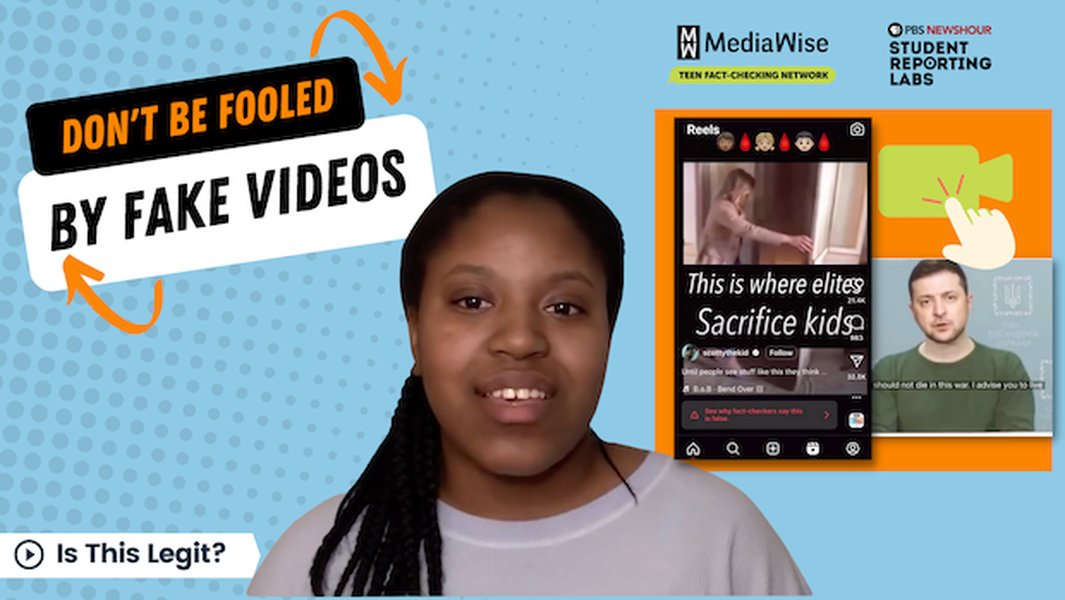
Examples of manipulated video techniques often used to spread misinformation online.
Key Misinformation Indicators:
- Lack of Credible Sources or Evidence: Claims made without citing verifiable sources, or citing biased/unreliable ones. Look for absent citations in descriptions or vague references like "experts say."
- Manipulated Multimedia:
- Deepfakes: AI-generated videos creating realistic but entirely fabricated footage of people saying or doing things they never did. Look for subtle visual inconsistencies (unnatural facial movements, glitches, odd lighting).
- Shallowfakes/Cheapfakes: Less sophisticated manipulations like altering speed, cropping, selective editing, or adding misleading captions/audio to genuine footage to change its meaning.
- Out-of-Context Footage: Using real video from a different time, place, or event to support a false narrative.
- Emotional Appeals Over Facts: Prioritizing emotional impact (fear, outrage, hope) over logical arguments and verifiable data.
- Cherry-Picking Data: Selectively presenting facts or statistics that support a particular narrative while ignoring contradictory evidence or crucial context.
- False Equivalence: Presenting two opposing sides as equally valid or credible when one is supported by overwhelming evidence and the other is not (e.g., climate science vs. denialism).
- Conspiracy Language: Hinting at secret plots, hidden agendas, or powerful, shadowy groups controlling events, often without concrete proof. Phrases like "they don't want you to know" are common.
- Exaggeration and Omission: Overstating the significance of minor details or omitting critical information that would change the interpretation of events.
- Creating an Enemy of Established Institutions: Discrediting reliable sources like scientific bodies, mainstream media, or government agencies to position the misinformation source as the sole purveyor of "truth."
- Satire/Parody Misinterpreted: Content intended as humor being taken literally and spreading as factual misinformation. Sometimes the "satire" label is used disingenuously to shield harmful content.
The Challenge of Video Authentication:
Video content is particularly challenging to authenticate. The ease of creating convincing fakes is increasing with AI advancements. Always maintain skepticism, especially with sensational or emotionally charged videos lacking clear provenance.
Identifying Animosity: Common Patterns in Video Hate Speech
Recognizing Language and Imagery that Target and Demean
Hate speech attacks or demeans individuals or groups based on characteristics like race, religion, ethnicity, nationality, sexual orientation, gender identity, disability, or other identity markers. In videos, it can range from explicit slurs to subtle, coded language and visual cues.
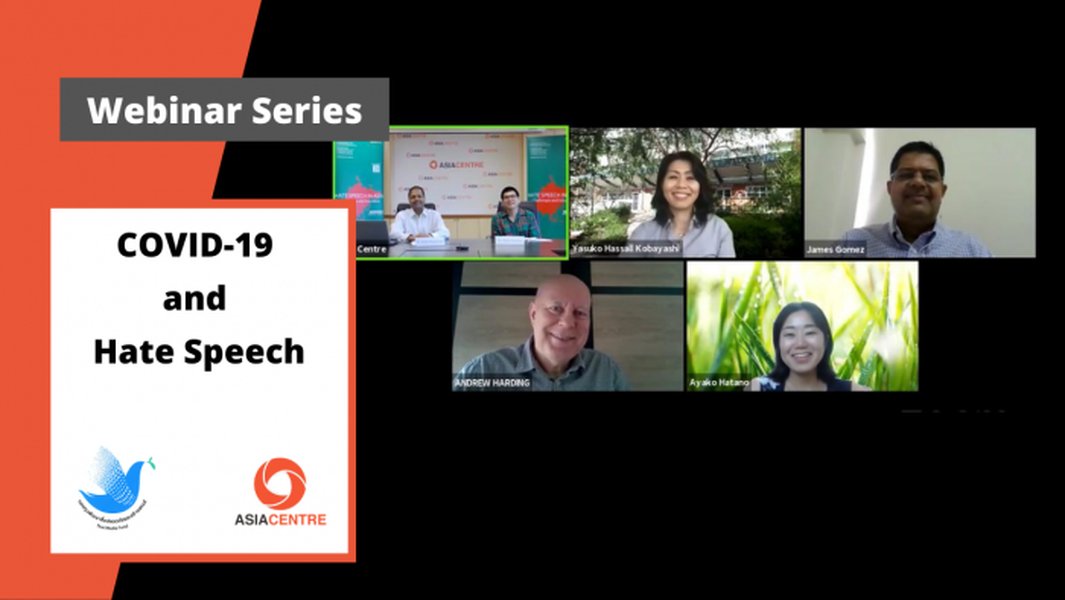
Hate speech undermines dignity and can incite discrimination; identifying it online is critical.
Key Hate Speech Indicators:
- Dehumanization and Demonization: Portraying a target group as less than human (animals, insects, diseases) or inherently evil/threatening. This often uses metaphors and negative stereotypes visually or verbally.
- Incitement to Discrimination or Violence: Directly or indirectly encouraging hostility, discrimination, or violence against a group. Subtle forms might use coded language, veiled threats, or create an atmosphere of intense fear and animosity.
- Stereotyping and Generalization: Making broad, negative generalizations about an entire group based on prejudice or the actions of a few. Often reinforces existing biases.
- Use of Code Words, Slang, and Symbols ("Dog Whistles"): Employing language or imagery understood by a specific in-group to convey hateful messages without triggering mainstream alarms or automated detection. Requires contextual understanding.
- "Othering" and Division: Emphasizing differences between "us" and "them," portraying the targeted group as fundamentally alien, incompatible, or a threat to the "in-group's" way of life.
- Victim Blaming: Holding the targeted group responsible for societal problems or for the discrimination they face.
- Disproportionate Blame: Assigning blame for complex societal issues (e.g., economic problems, crime) unfairly onto a specific group.
- Historical Revisionism/Denial: Distorting or denying historical events (like genocides or persecution) to promote a hateful ideology or downplay past atrocities against a group.
- Attacks Disguised as Jokes or Satire: Using humor as a shield to express prejudice or normalize contempt for a targeted group. Distinguishing this from legitimate satire requires careful analysis of intent and impact.
- Targeting Immutable Characteristics: Fundamentally, hate speech directs negativity towards groups based on aspects of their identity they cannot (or should not have to) change.
Strategic Analysis: A Combined Approach
Synthesizing Clues for Accurate Categorization
Often, misinformation and hate speech overlap, and rhetorical devices serve as the vehicle for both. A systematic approach combining linguistic, visual, and contextual analysis is necessary for accurate identification and categorization.
Step-by-Step Analytical Process:
- Analyze the Language: Listen carefully to the script, narration, and any text overlays. Note the use of specific rhetorical devices, loaded terms, euphemisms, slurs, or coded language. Pay attention to tone and delivery.
- Examine Visual and Auditory Elements: Analyze images, editing techniques, music, sound effects, and non-verbal cues. Do they reinforce stereotypes, create misleading juxtapositions, or manipulate emotions? Look for signs of digital alteration.
- Verify Claims and Context:
- Source Check: Who created and uploaded the video? What is their known agenda or history? Is the platform reputable?
- Fact-Checking: Cross-reference factual claims (statistics, events, quotes) with multiple reliable sources (fact-checking websites, academic institutions, reputable news outlets). Use tools like reverse image search for key visuals.
- Contextualization: Is the footage presented out of its original context? What surrounding events or discourse might inform the video's meaning? Check upload dates and descriptions.
- Consider the Intent and Impact: Does the video seem designed to inform, persuade ethically, entertain, or primarily to deceive, divide, or incite hatred? Assess the potential impact on viewers, especially vulnerable groups.
- Look for Patterns: Does this video fit into a larger pattern of content from the same creator or promoting a similar narrative? Repeated use of specific tactics or targeting of certain groups strengthens the case for misinformation or hate speech.
- Assess Community Reactions (with Caution): Examine comments and shares. While not definitive proof (echo chambers exist), widespread criticism or identification of manipulation by other viewers can be an indicator. Conversely, echo chambers might reinforce the harmful message.
- Stay Aware of Personal Biases: Objectively evaluate the content, being mindful of how your own beliefs or experiences might influence your interpretation.
- Continuously Learn: Tactics evolve. Stay updated on new forms of manipulation (e.g., advancements in AI generation), common code words, and emerging hate symbols. Develop your media literacy skills.
Visualizing Manipulation Tactics
Subtlety vs. Potential Impact Radar Chart
Different manipulative techniques vary in how obvious they are and how significantly they might impact viewers' perceptions or incite harmful actions. This radar chart provides a conceptual visualization of this relationship for several common tactics found in online videos. Techniques positioned further out have higher potential impact, while those harder to immediately spot are rated higher on subtlety. Note that impact can be highly context-dependent.
This chart illustrates, for example, that while deepfakes might have a very high potential impact if believed, their subtlety might decrease as detection methods improve (rated 7 here). Conversely, coded language can be extremely subtle (rated 9) and still have a significant impact (rated 8) within targeted communities.
Mapping the Landscape of Harmful Content
Mindmap of Key Concepts
This mindmap provides a visual overview of the core concepts involved in identifying subtle misinformation and hate speech in online videos, connecting the tools (rhetorical devices) with the harmful outcomes (misinformation/hate speech) and the methods needed for analysis.
Rhetorical Devices in Action: Misinformation vs. Hate Speech
Comparing Applications
The same rhetorical device can be used to promote either misinformation or hate speech, or often both simultaneously. This table highlights common applications:
| Rhetorical Device | Typical Use in Misinformation | Typical Use in Hate Speech |
|---|---|---|
| Metaphor/Analogy | Oversimplifying complex issues (e.g., comparing the economy to a household budget). Using misleading comparisons to create a false impression. | Dehumanizing target groups (e.g., comparing immigrants to "invaders" or a disease; comparing opponents to animals). |
| Emotional Appeals (Fear, Anger) | Generating panic about health risks based on false data; creating outrage over fabricated events to distract or mobilize. | Inciting fear or hatred towards a specific group by portraying them as dangerous, immoral, or threatening to "our" way of life. |
| Hyperbole | Exaggerating the potential benefits of a fake cure or the dangers of a benign policy to manipulate perception. | Exaggerating the perceived negative traits or actions of a target group to justify prejudice or discrimination. |
| Euphemism | Downplaying negative consequences of a policy or action based on misleading information (e.g., "collateral damage"). | Masking discriminatory or violent intentions with neutral-sounding language (e.g., "racial realism," "population control"). |
| Cherry-Picking / Omission | Presenting selective data to support a false claim (e.g., vaccine side effects without mentioning base rates or benefits). | Highlighting negative actions by individuals from a target group while ignoring positive contributions or similar actions by others. |
| Loaded Language | Using emotionally charged terms to describe events or policies based on false premises (e.g., "death panels"). | Using slurs or derogatory terms, even subtly, to degrade and insult a target group. |
Learning from Examples: Spotting AI Fakes
Understanding AI-Generated Misinformation
The rise of Artificial Intelligence (AI) presents new challenges in identifying misinformation, particularly through realistic generated images, videos (deepfakes), and audio. Understanding how AI can be used to create deceptive content is vital for detection. This video from the News Literacy Project provides insights into identifying AI-generated misinformation, which often relies on subtle inconsistencies that require careful observation—a skill directly applicable to spotting manipulated video content in general.
Key takeaways from resources like this often include looking for visual artifacts in AI-generated content, inconsistencies in context or narrative, and the importance of source verification, all crucial elements in your analysis toolkit.
Frequently Asked Questions (FAQ)
Clarifying Key Concepts
What's the difference between misinformation and disinformation?
Misinformation is false or inaccurate information that is spread, regardless of intent to deceive. Someone might share misinformation because they genuinely believe it's true.
Disinformation is false information that is deliberately created and spread with the specific intent to deceive, mislead, or cause harm. It's often part of a coordinated campaign.
While intent can be hard to prove, the patterns and rhetorical devices used can often suggest whether deception is deliberate (disinformation) or potentially unintentional (misinformation).
How reliable are AI tools for detecting hate speech or misinformation?
AI and machine learning models are increasingly used to help flag potential misinformation and hate speech at scale. They can be effective at identifying explicit violations and known patterns.
However, they face significant challenges with:
- Subtlety and Context: AI struggles to understand nuance, sarcasm, satire, coded language (dog whistles), and cultural context, leading to both false positives and false negatives.
- Evolving Tactics: Malicious actors constantly adapt their language and techniques to evade detection filters.
- Interpretability: It can be difficult to understand *why* an AI flagged a specific piece of content, which is crucial for nuanced moderation.
Therefore, while AI tools can be helpful aids, human oversight, critical analysis, and contextual understanding remain essential for accurate identification and categorization, especially for subtle cases.
Can satire or jokes constitute hate speech or misinformation?
Yes, content presented as satire or humor can cross the line.
- Hate Speech: If a joke relies on harmful stereotypes, dehumanizes a protected group, or promotes discrimination under the guise of humor, it can function as hate speech. The intent might be claimed as humor, but the impact is hateful.
- Misinformation: Satirical news or parody content, if not clearly labeled or understood as such, can be easily mistaken for factual reporting and spread as misinformation (Poe's Law). Some creators deliberately blur this line.
Analyzing intent, target, content, and potential impact is crucial. Does the "joke" punch up (critiquing power) or punch down (targeting marginalized groups)? Is it likely to be misunderstood by a significant portion of the audience?
Why is video content particularly challenging for identifying manipulation?
Video poses unique challenges compared to text or static images:
- "Seeing is Believing": Video feels inherently more real and persuasive, making viewers less critical of the content presented.
- Difficulty in Authentication: Verifying the authenticity of video footage is technically more complex than text. Tools for creating convincing deepfakes and manipulated videos are becoming more accessible.
- Multi-modal Complexity: Videos combine visuals, audio, spoken language, text overlays, music, and editing—all of which can be manipulated simultaneously to create a powerful, deceptive message. Analyzing all these layers takes time and expertise.
- Ephemeral Nature (Live Streams): Live content can spread harmful messages rapidly before moderation can occur.
- Volume and Speed: The sheer volume of video uploaded online makes comprehensive manual review impossible, relying heavily on algorithms that struggle with subtlety.
Recommended Further Exploration
Dive Deeper into Related Topics
- How do fact-checking organizations verify video content authenticity?
- What are the latest advancements in deepfake detection technology?
- Can you provide examples of coded language (dog whistles) used in online hate speech?
- What is the role of platform algorithms in amplifying misinformation and hate speech?
References
Sources Used in This Analysis

Last updated May 5, 2025