
From Identity Struggles to Life Satisfaction
Integrating Identity, Emotions, and Spiritual Resilience Among IDPs
Key Takeaways
- Conceptual Model: The integrated model positions identity struggles as the independent variable influencing life satisfaction; embitterment and flourishing act as mediators, while Tawakkul (trust in God) moderates these paths.
- Empirical Evidence: Studies across displaced populations point to a significant relationship between disruptions in identity and reductions in life satisfaction, mediated by negative emotions (embitterment) and positive psychological functioning (flourishing).
- Role of Tawakkul: Religious coping and the concept of Tawakkul can serve as a buffering influence, attenuating the negative impact of identity struggles and facilitating resilience and overall well-being.
Introduction
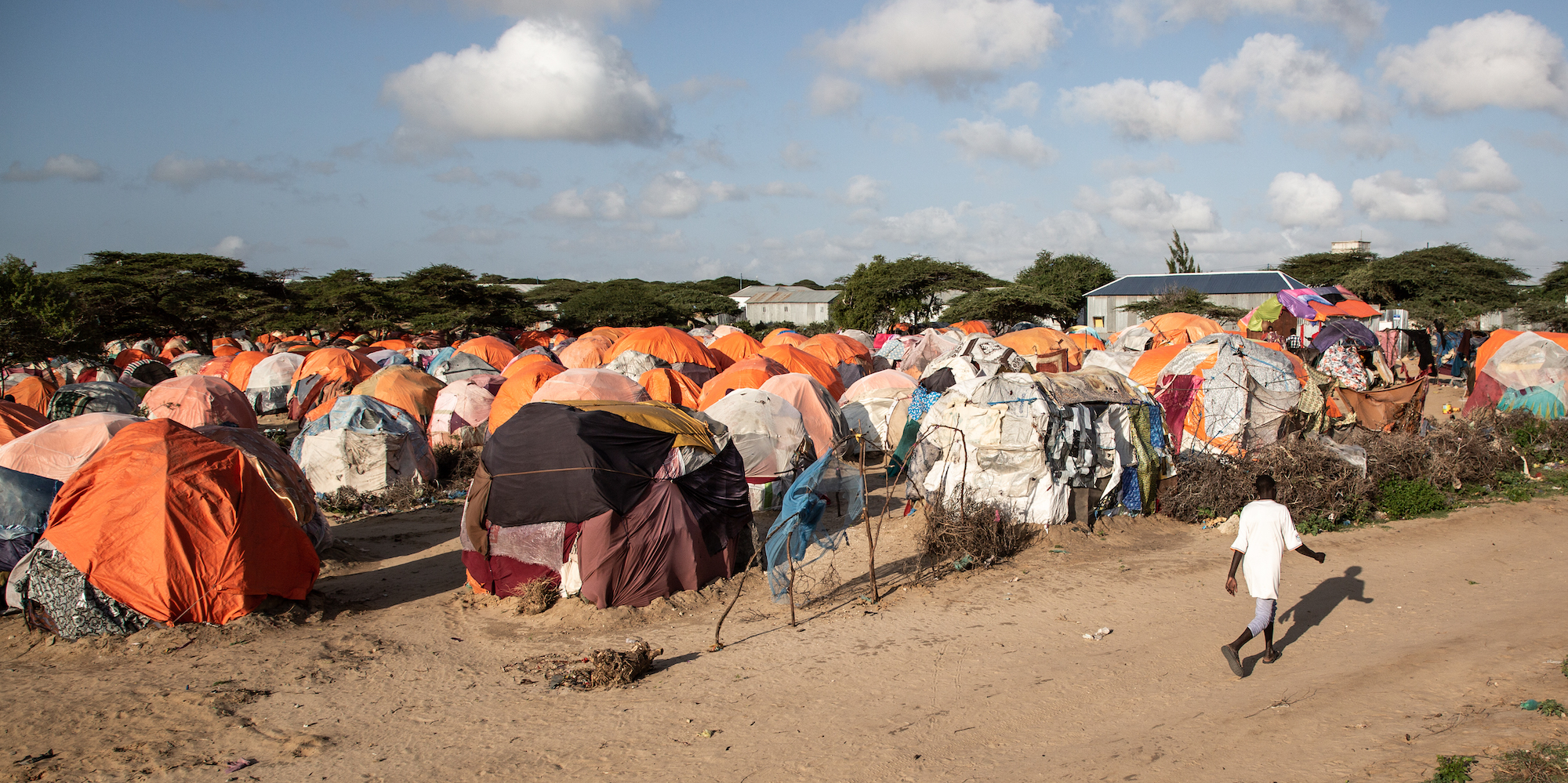
In settings marked by displacement and cultural upheaval, such as among internally displaced persons (IDPs) in Waziristan, identity struggles are critically linked to overall life satisfaction. Displacement often disrupts an individual's sense of self, engendering challenges with social and personal identity. In this context, emotional states such as embitterment—stemming from feelings of injustice—and positive psychological constructs like flourishing become central in understanding the pathways from identity conflicts to life satisfaction. In addition, the spiritual framework provided by Tawakkul, a concept rooted in Islamic theology that signifies trust in God, is widely recognized for its potential to moderate these relationships, offering resilience and fostering positive outcomes.
The Conceptual Model
Overview of the Model
The proposed conceptual model integrates several key variables:
-
Independent Variable (IV): Identity Struggles – These are challenges encountered while forming and maintaining a stable self-concept, often exacerbated by forced migration and social exclusion.
-
Dependent Variable (DV): Life Satisfaction – This represents the overall cognitive assessment and contentment with one's life conditions.
-
Mediators:
- Embitterment – A prolonged affective condition marked by feelings of injustice, cynicism, and helplessness that may arise from chronic identity conflicts.
-
Flourishing – A state of optimal psychological functioning characterized by aspects such as purpose, engagement, and robust well-being. Flourishing indicates an individual’s ability to lead a meaningful and productive life despite adversities.
In simplified form, the model posits that identity struggles can lead to increased embitterment, thereby reducing life satisfaction. Conversely, identity struggles may also diminish flourishing, leading to a decrease in life satisfaction. However, for individuals with high levels of Tawakkul, the negative impact of identity struggles on embitterment can be mitigated, and the decline in flourishing may be reversed or attenuated, contributing to enhanced life satisfaction.
Graphical Representation
The following table provides a visual summary of the model's structure and relationships:
| Variable | Description | Role in Model |
|---|---|---|
| Identity Struggles | Challenges regarding self-concept, belonging, and cultural identity conflicts. | Independent Variable (IV) |
| Embitterment | Persistent negative affect arising from perceived injustice and social exclusion. | Mediator (reduces Life Satisfaction) |
| Flourishing | Optimal psychological and emotional functioning marked by purpose, engagement, and well-being. | Mediator (enhances Life Satisfaction) |
| Tawakkul | Trust in and reliance on God, which provides resilience and meaning. | Moderator (buffers negative effects) |
| Life Satisfaction | Overall cognitive evaluation of one’s quality of life and well-being. | Dependent Variable (DV) |
Empirical Evidence and Relevant Studies
Identity Struggles and Life Satisfaction
A growing body of research on displaced populations, including those facing forced migration in regions similar to Waziristan, indicates that disruptions in identity are closely associated with declines in life satisfaction. Scholars have observed that IDPs often struggle with reconciling their self-concept against the external identities imposed upon them, leading to a persistent state of internal conflict (Golubovic, 2011; Academic.oup.com, 2021). Such identity disruption is not only a source of psychological stress but also a key determinant of overall life satisfaction as it influences feelings of belonging, self-worth, and personal agency.
Mediating Roles of Embitterment and Flourishing
Embitterment emerges as a significant mediator in the pathway from identity struggles to reduced life satisfaction. It represents the internalization of perceived injustice and chronic negative emotions that arise from the inability to align personal and social identities (BMC Health Services Research, 2024). IDPs often face repeated experiences of marginalization and social exclusion, which can foster embitterment—a sense of perpetual resentment and hopelessness that undermines efforts toward recovery and adaptation.
Conversely, the concept of flourishing—a state that goes beyond mere absence of distress to encompass positive psychological functioning—has been identified as a potential mediator that may counterbalance the negative impact of identity struggles (BMC Health Services Research, 2024). When individuals engage in activities or adopt attitudes that promote mastery, meaning, and engagement, they can experience enhanced life satisfaction even in adverse circumstances. Flourishing, therefore, contributes to resilience by fostering optimism and a sense of purpose among displaced persons.
These mediation processes have been observed in studies with various refugee and IDP communities. For instance, research among refugee populations has indicated that higher levels of flourishing are linked with increased life satisfaction, even when significant identity challenges are present (Keyes, 2002; Fredrickson, 2001). At the same time, heightened embitterment has been directly associated with reduced life satisfaction, suggesting that the quality of the emotional response to identity struggles plays a pivotal role in long-term well-being.
Moderating Influence of Tawakkul
Tawakkul, or the trust in God, serves as a pivotal moderating variable that can mitigate the deleterious effects of identity struggles. In predominantly Muslim contexts like Waziristan, religious coping mechanisms are deeply embedded in the cultural fabric. Several studies have demonstrated that individuals with a strong sense of Tawakkul exhibit lower levels of psychological distress, including embitterment, while also displaying higher resilience and flourishing (Tandfonline.com, 2024). This moderating influence implies that even in the midst of profound identity conflict, a high level of spiritual trust can buffer against negative emotions and facilitate adaptive psychological responses.
For example, empirical evidence has shown that religious beliefs and practices contribute to a reframing of adversity—transforming potentially overwhelming experiences into opportunities for personal growth and meaning-making. Thus, IDPs who maintain a robust sense of Tawakkul tend to report better life satisfaction, as their faith enables them to interpret identity-related adversities in a context of divine support and purposeful resilience.
Relevant Studies with In-Text Citations
A study examining identity struggles among displaced populations reported that disruptions in community and cultural identity substantially lowered overall life satisfaction, especially when accompanied by persistent negative emotions like embitterment (Golubovic, 2011; Academic.oup.com, 2021). Similarly, research on flourishing has revealed that enhanced psychological functioning mediates the impact of adversity on life satisfaction, thereby offering a compensatory mechanism that can restore well-being even when identity conflicts are severe (Fredrickson, 2001; Keyes, 2002).
Moreover, investigations into religious coping among displaced individuals have consistently found that Tawakkul acts as a significant moderator in these relationships. For instance, studies have noted that IDPs with high levels of trust in a higher power exhibit reduced symptoms of depression and psychological distress amid identity struggles, leading to higher life satisfaction outcomes (Tandfonline.com, 2024). These findings underline the critical role of spiritual frameworks in facilitating adaptation and buffering the negative effects of psychosocial stressors.
Detailed Analysis of Variables
Identity Struggles
Identity struggles encompass multifaceted challenges related to self-concept, group affiliation, and societal validation. For IDPs, displacement catalyzes the rupture between established cultural identities and the new, often hostile, environments in which they find themselves. As these individuals navigate the transition between their previous ways of life and the realities of displacement, conflicts between internal self-identification and external social labels become pronounced. This misalignment can lead to internal conflicts as well as social alienation, both of which contribute significantly to a decline in overall life satisfaction.
Embitterment
Embitterment, as observed in the context of displacement, acts as a mediator that translates identity struggles into lower life satisfaction. It is characterized by chronic feelings of resentment and injustice, often emerging from continuous experiences of devaluation. When IDPs perceive insurmountable barriers toward reestablishing a consistent identity, the resultant embitterment undermines self-esteem and contributes to a pervasive sense of hopelessness. This emotional state can be persistent, leading to a cycle where embitterment not only diminishes current life satisfaction but also hampers potential recovery and adaptation efforts.
Flourishing
Flourishing represents the positive psychological state in which individuals experience optimal functioning across various dimensions, including emotional, social, and psychological well-being. For displaced populations, flourishing is critical in counteracting the negative effects of adversity. It involves a re-engagement with life through developing purpose, enhancing competencies, and fostering social connections. While the adversity of identity struggles could impede flourishing, interventions and personal strengths—such as resilience and adaptive coping strategies—can promote this positive outcome. IDPs who manage to flourish despite adverse circumstances often report higher levels of life satisfaction as they develop a renewed sense of agency and optimism.
Tawakkul
Tawakkul, conceptually tied to the notion of reliance on God, plays a crucial moderating role in the context of psychological adaptation among IDPs. This spiritual resource is particularly salient in contexts where religious beliefs are deeply intertwined with daily life. Evidence indicates that a strong sense of Tawakkul can buffer the negative emotional impact of identity struggles by offering a framework through which adversity is reinterpreted. In practical terms, individuals who possess high levels of Tawakkul are more likely to perceive hardships as part of a divine plan, thus reducing the severity of embitterment and promoting a sense of flourishing. This moderating influence is especially relevant for IDPs in Waziristan, where cultural and religious practices provide essential support systems in times of crisis.
Implications for Research and Practice
Future Research Directions
Although the integrated model linking identity struggles, embitterment, flourishing, and life satisfaction with Tawakkul as a moderator provides a robust framework for understanding psychological adaptation among IDPs, there are several directions for future research. Empirical studies are needed that specifically test this model within the context of Waziristan. Longitudinal studies that follow displaced individuals over extended periods would be valuable to determine the causal pathways and explore how changes in one variable (e.g., increased flourishing) might eventually reduce embitterment and enhance life satisfaction. Additionally, research should consider the role of contextual factors such as social support, government policies, and community interventions, which may further modulate these relationships.
Future studies can employ mixed methods—integrating quantitative assessments of mental health outcomes with qualitative interviews—to glean a more nuanced understanding of how IDPs navigate identity-related challenges. Investigating how community-based interventions that focus on life skills education or religious coping might enhance resilience offers another promising avenue. Such interventions can be designed to foster flourishing while simultaneously reducing feelings of embitterment, thereby indirectly boosting life satisfaction.
Practical Implications
For practitioners working with IDPs in Waziristan, the insights derived from the proposed model have significant practical implications. Therapeutic interventions can be tailored to address both identity struggles and the resultant negative emotional states by incorporating strategies designed to foster flourishing. For instance, psychotherapeutic techniques that help individuals reconstruct their self-concept or community-based support programs that enhance social inclusion may be beneficial. Moreover, integrating spiritual counseling that emphasizes Tawakkul can further help individuals reinterpret adverse circumstances and foster resilience.
Policymakers and humanitarian organizations should consider the dual pathway of intervention—reducing embitterment while promoting flourishing—to enhance life satisfaction. Training programs for mental health professionals working with displaced populations could include modules on religious and cultural competence, emphasizing the importance of Tawakkul as a moderating influence. Furthermore, community-based participatory approaches that involve local stakeholders in the design and implementation of support programs will likely enhance the cultural relevance and effectiveness of these interventions.
Conclusion and Final Thoughts
In summary, the integrated model provides a comprehensive framework to understand the pathway from identity struggles to life satisfaction among internally displaced persons in Waziristan. It posits that identity struggles can lead to reduced life satisfaction through the mediating influences of embitterment and diminished flourishing. However, the moderating effect of Tawakkul—rooted in cultural and religious contexts—offers a crucial buffer that can restore psychological balance and promote well-being. Understanding these relationships not only guides future research but also informs the design of culturally relevant, community-based interventions aimed at enhancing resilience among displaced populations.
Overall, this integrated approach underscores the importance of leveraging both psychological and spiritual resources to support IDPs facing the dual challenges of cultural identity disruption and chronic adversity. By addressing each component of the model, researchers and practitioners can work toward comprehensive strategies that effectively translate identity conflict into pathways for personal growth and enhanced life satisfaction.
References
https://academic.oup.com/jrs/article/34/1/890/5917735
https://bmchealthservres.biomedcentral.com/articles/10.1186/s12913-024-11762-x
https://www.tandfonline.com/doi/full/10.1080/13674676.2024.2414301?af=R
https://bmchealthservres.biomedcentral.com/articles/10.1186/s13104-024-08345-3
https://www.unocha.org/internal-displacement
Final Thoughts
In conclusion, incorporating the mediating roles of embitterment and flourishing alongside the moderating influence of Tawakkul offers a nuanced understanding of the psychological processes affecting IDPs in Waziristan. This model not only clarifies the interconnections between identity struggles and overall life satisfaction but also provides a foundation for culturally informed interventions that harness both psychological and spiritual resilience.
Last updated February 17, 2025