
Understanding the Infection Fatality Ratio (IFR) of COVID-19
A detailed overview of IFR variations, implications, and evolving trends
Key Highlights
- Definition and Importance: IFR is the total number of deaths divided by the total number of infections, offering a true measure of COVID-19 lethality.
- Influencing Factors: Age, underlying health conditions, changing viral variants, and improvements in medical interventions significantly affect the IFR.
- Temporal Evolution: Advances such as vaccination and improved therapies have contributed to a decrease in IFR over time, although demographic differences remain pronounced.
Introduction to IFR
The Infection Fatality Ratio (IFR) of COVID-19 is a critical epidemiological metric that quantifies the proportion of deaths among all infected individuals. Unlike the Case Fatality Rate (CFR), which only considers confirmed cases, IFR encompasses both diagnosed and undiagnosed infections, including asymptomatic cases. This measure provides a more comprehensive view of the mortality risk associated with COVID-19, thereby supporting public health authorities in decision-making and resource allocation.
Understanding the Calculation of IFR
Definition and Calculation Method
IFR is calculated using the formula:
\( \displaystyle \text{IFR} = \frac{\text{Number of Deaths Due to COVID-19}}{\text{Total Number of Infections}} \)
This equation takes into account both symptomatic and asymptomatic cases. Reliable estimation of the denominator, which represents total infections, often requires seroprevalence studies to detect antibodies in the population and statistical modeling to adjust for unreported cases.
Importance in Public Health
The IFR metric is essential for:
- Determining the overall severity of COVID-19 within a community or country.
- Guiding public health interventions such as lockdowns, social distancing, and vaccination prioritization.
- Informing strategies for the allocation of healthcare resources, especially by identifying high-risk groups.
Factors Influencing IFR Variability
Age and Comorbidity
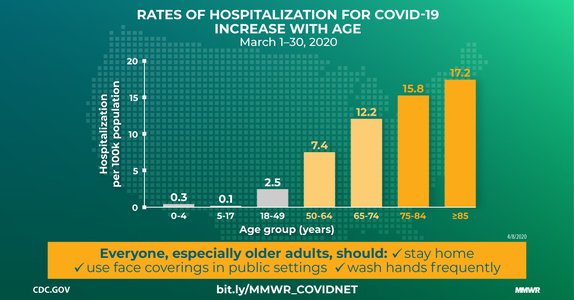
One of the most significant factors affecting the IFR is age. Data consistently indicate that older populations experience a vastly higher fatality ratio than younger populations. Underlying comorbidities and pre-existing health conditions further increase this risk. For instance, studies have estimated IFRs as low as 0.0003% for those aged 0–19 years and rising sharply, with individuals in the 60–69 age bracket facing an IFR of around 0.501% or higher.
Temporal Trends and Medical Advances
Over the span of the pandemic, the IFR has evolved. Early in the outbreak, the IFR was higher due to the limited availability of testing, underestimation of the number of infections, and initially severe presentations in healthcare systems. However, with the advent of improved therapeutic strategies, widespread vaccination programs, and the emergence of less virulent viral variants, the IFR has generally declined. For example, specific regions noted significant drops in IFR as vaccination rates increased and better treatment protocols were adopted.
Geographical and Socioeconomic Factors
IFR varies not only with age and health status but also across different regions. Factors such as the structure of the local population, the quality and accessibility of healthcare, the prevalence of comorbid conditions, and even the density of the population can influence IFR. In high-income countries with robust healthcare systems and extensive vaccination programs, IFR values tend to be lower compared to regions that may be struggling with healthcare resource limitations.
Impact of Viral Variants
Variants of the SARS-CoV-2 virus have played a role in changing IFR estimates over time. Certain variants have caused severe waves of infections, while others, such as some of the later dominant strains, reflect reduced pathogenicity and result in lower IFR estimates. Continuous monitoring has shown that the dominant variants are currently those that have slightly different clinical presentations, which affects hospitalization and fatality rates.
Age-Stratified IFR Data
Detailed Age Analysis
Several studies have provided age-stratified IFR estimates that highlight the exponential increase in fatality risk with advancing age. The following table integrates IFR figures for different age groups reported in multiple studies:
| Age Group | Estimated IFR (%) | Remarks |
|---|---|---|
| 0–19 years | ~0.0003 - 0.003 | Very low risk; often asymptomatic |
| 20–29 years | ~0.003 - 0.011 | Slight increase; generally healthy |
| 30–39 years | ~0.011 - 0.035 | Gradual increase with age |
| 40–49 years | ~0.035 - 0.13 | Higher risk with preexisting conditions |
| 50–59 years | ~0.129 - 0.5 | Noticeable increase, emphasizing caution |
| 60–69 years | ~0.501 or higher | Significantly higher and warrants focused interventions |
| 70+ years | Varies widely; could exceed 1% | Highest risk category, intense monitoring needed |
This table synthesizes age-stratified estimates from diverse sources, providing a clearer view of how risk increases with age. While specific percentages may vary based on local conditions and study methodologies, the overall trend remains consistent.
IFR Evolution Over the Course of the Pandemic
Early Pandemic vs. Later Stages
Initially, during the onset of the pandemic, IFR estimates were markedly higher, partly due to the under-ascertainment of infections and the lack of efficient treatment protocols. In the early stages, regions like Wuhan experienced a high CFR, which, when adjusted for underreported cases, resulted in correspondingly higher IFR estimates.
As the pandemic progressed, improved surveillance through seroprevalence studies enabled a better understanding of actual infection numbers. Along with increased testing and enhanced clinical management, this led to a gradual decline in IFR in many developed areas. Additionally, targeted vaccination efforts, especially aimed at the older and more vulnerable populations, have helped reduce the fatality rates significantly.
Current Trends and Considerations
By early 2025, IFR estimates continue to be refined as new data emerge. The current dominant variants such as LP.8.1 and LB.1 are tracked closely by epidemiologists, and their impacts on IFR are part of ongoing assessments. Despite fluctuations, the general trend shows that widespread vaccination and the development of effective treatments are critical factors in diminishing the IFR over time.
Methodologies for Estimating IFR
Seroprevalence Studies
One of the predominant methods for estimating IFR is through seroprevalence surveys. These studies measure the presence of antibodies against SARS-CoV-2 in the blood of a representative sample of the population. By capturing both symptomatic and asymptomatic cases, seroprevalence surveys allow for a more accurate estimation of the total number of infections. The resulting data are crucial for adjusting the numerator (number of deaths) against a more realistic denominator.
Statistical Modeling Approaches
In addition to serological data, statistical and mathematical models are employed to estimate IFR. These models account for time delays between infection and death, variations in testing regimes, and the dynamic nature of virus transmission. By integrating multiple datasets, these models enhance the reliability of IFR estimates and provide essential insights into demographic variations.
Implications for Public Health Policy
Risk Assessment and Targeted Interventions
Accurate IFR estimates inform critical decisions in public health policy. They serve as a foundation for:
- Assessing the overall mortality burden of COVID-19.
- Determining which age groups and populations require prioritized care and preventive measures.
- Guiding the allocation of medical resources, such as hospital beds, ventilators, and vaccines, especially during surges.
Planning for Future Waves and Variants
Continuous monitoring of IFR, in conjunction with other epidemiological metrics, is vital not only for responding to the current pandemic but also for preparing for future outbreaks. Updates on IFR help refine strategies related to non-pharmaceutical interventions and assist governments in balancing public health concerns with economic and social activities.
Summary of Key Insights
Consolidated Observations
- Definition Clarity: IFR measures the risk of death after infection, covering all cases including asymptomatic ones, making it more reflective of the actual mortality risk compared to CFR.
- Consistent Age-Dependency: The risk dramatically increases with age, highlighting the vulnerability of older populations and emphasizing the need for targeted interventions.
- Evolution Over Time: IFR has decreased with enhanced medical treatments, vaccination efforts, and the prevalence of less severe viral variants, though regional and demographic variances continue to persist.
References
- COVID-19 Epidemiological Update - WHO
- Variation in the COVID-19 IFR by Age, Time, and Locality - The Lancet
- Estimating the COVID-19 IFR - Nature
- IFR Analysis in High-Income Countries - BMJ Global Health
- COVID-19 Pandemic Overview - Wikipedia
Recommended Related Queries
Last updated March 26, 2025