
The Invisible Instigator: Unmasking IgE's Role in House Dust Mite Allergy
Delving into how Immunoglobulin E targets *Dermatophagoides pteronyssinus* and triggers allergic reactions.
For many, the microscopic house dust mite, *Dermatophagoides pteronyssinus*, is an unseen yet potent trigger of allergic reactions. At the heart of this immune response lies Immunoglobulin E (IgE), an antibody that plays a pivotal role in initiating the cascade of symptoms associated with dust mite allergy. Understanding the interaction between IgE and *D. pteronyssinus* allergens is key to diagnosing, managing, and treating this common allergic condition.
Key Insights into IgE and *D. pteronyssinus* Allergy
- Major Allergens Drive IgE Response: Specific IgE antibodies are predominantly directed against key *D. pteronyssinus* allergens, particularly Der p 1, Der p 2, and Der p 23, which are crucial for accurate diagnosis and understanding sensitization patterns.
- Diagnostic Cornerstone: Measuring IgE specific to *D. pteronyssinus* allergens in serum, alongside skin prick tests, is fundamental for diagnosing sensitization and guiding treatment decisions, including allergen immunotherapy.
- Component-Resolved Diagnostics (CRD) Enhance Precision: CRD allows for the detection of IgE to individual allergen components, offering a more detailed sensitization profile and helping to optimize personalized allergy management.
Understanding *Dermatophagoides pteronyssinus*
*Dermatophagoides pteronyssinus* is one of the most common species of house dust mites found globally. These microscopic arachnids, typically measuring only 0.2-0.3 millimeters, thrive in warm, humid environments. They are abundant in household items that trap dust and retain moisture, such as:
- Bedding (mattresses, pillows, duvets)
- Upholstered furniture
- Carpets and rugs
- Curtains
- Stuffed toys
House dust mites feed primarily on shed human skin scales. It's not the mites themselves that are the main problem, but rather the potent allergenic proteins found in their fecal pellets and, to a lesser extent, their body fragments. These tiny particles easily become airborne during activities like dusting, vacuuming, or making the bed, and can then be inhaled by individuals, triggering allergic responses in sensitized people.
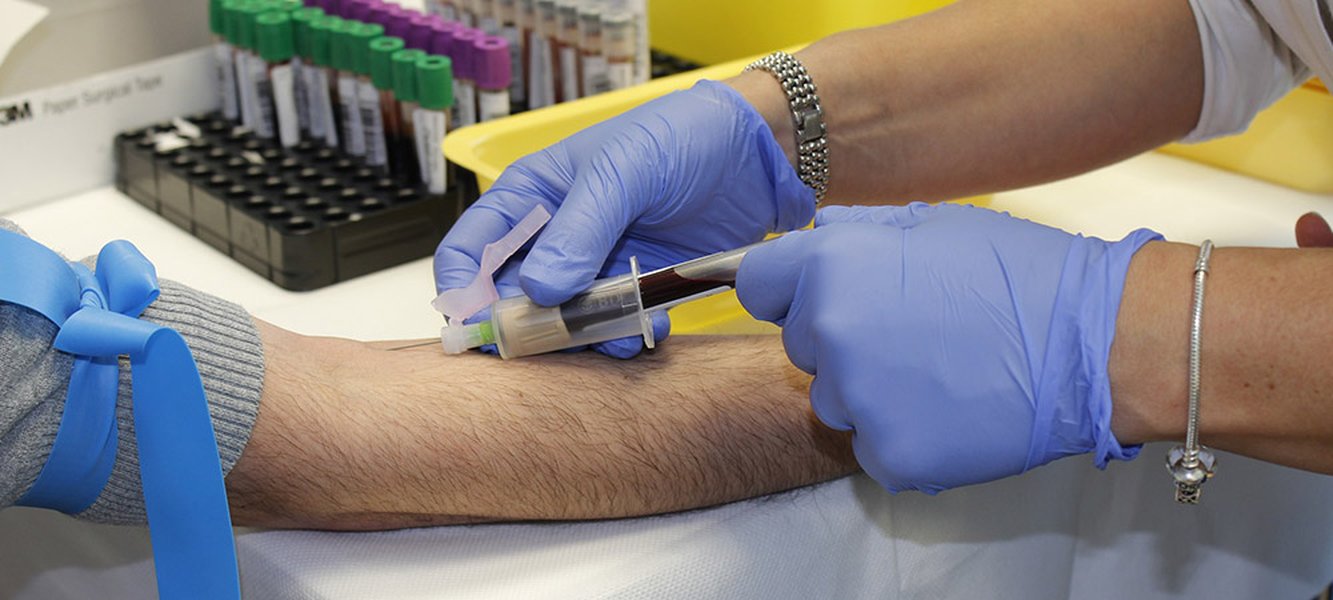
Conceptual image illustrating allergy testing components, including IgE's role.
The Allergic Cascade: IgE's Central Role
Immunoglobulin E (IgE) is an antibody class produced by the immune system. In individuals predisposed to allergies, exposure to specific allergens from *D. pteronyssinus* initiates a process called sensitization. Here's how IgE is involved:
- Initial Exposure and Sensitization: Upon first encountering *D. pteronyssinus* allergens, the immune system of an allergic individual mistakenly identifies these proteins as harmful invaders. Specialized immune cells (B lymphocytes) are stimulated to produce specific IgE antibodies against these mite allergens.
- IgE Binding: These newly produced IgE antibodies circulate in the bloodstream and then attach themselves to the surface of mast cells (found in tissues like the skin, airways, and gut) and basophils (a type of white blood cell).
- Re-exposure and Reaction: When the sensitized individual is subsequently exposed to *D. pteronyssinus* allergens, these allergens bind to the IgE antibodies already present on the mast cells and basophils.
- Mediator Release: This binding triggers the mast cells and basophils to degranulate, releasing a flood of potent chemical mediators, including histamine, leukotrienes, and prostaglandins.
- Symptom Manifestation: These mediators act on surrounding tissues, leading to the characteristic symptoms of an allergic reaction, such as itching, swelling, mucus production, and smooth muscle contraction in the airways.
This type I hypersensitivity reaction is the foundation of common allergic diseases triggered by *D. pteronyssinus*, including allergic rhinitis (hay fever), allergic asthma, and atopic dermatitis (eczema).
Key Allergens of *Dermatophagoides pteronyssinus*
Over 30 different allergenic components have been identified from *D. pteronyssinus*, but a few are considered "major" allergens due to their high prevalence of IgE reactivity in allergic populations. Understanding these specific components is crucial for diagnostics and developing targeted therapies.
Major Allergens:
- Der p 1: A cysteine protease enzyme found primarily in mite fecal pellets. It's a dominant allergen, with a high percentage of mite-allergic individuals showing IgE reactivity to it. Der p 1 can disrupt the tight junctions of epithelial cells in the airways, increasing permeability and facilitating the passage of other allergens.
- Der p 2: A protein with homology to NPC2 (Niemann-Pick C2) family proteins, involved in lipid binding. It is another highly prevalent major allergen. Sensitization to Der p 2 is often associated with higher total IgE levels and reactivity to a broader range of mite allergens.
- Der p 23: A chitin-binding protein found in the peritrophic membrane lining the mite's gut. It has emerged as another major allergen, particularly relevant for severe asthma.
Other Significant Allergens:
While Der p 1, Der p 2, and Der p 23 are serodominant, other allergens also contribute to the overall IgE response in sensitized individuals, albeit often with lower prevalence or intensity:
- Der p 4: An amylase.
- Der p 5: A protein of unknown function, but clinically relevant.
- Der p 7: A lipid-binding protein.
- Der p 10: Tropomyosin, which is a pan-allergen and can be responsible for cross-reactivity with other invertebrates like shellfish and cockroaches.
- Der p 20: Arginine kinase.
- Der p 21: A protein with unknown function, but can elicit IgE responses.
The pattern of IgE sensitization to these different components can vary between individuals and may evolve over time, especially during childhood.
Diagnosing IgE-Mediated *D. pteronyssinus* Allergy
Diagnosing an allergy to *D. pteronyssinus* involves a combination of clinical history, physical examination, and allergy testing to detect the presence of specific IgE antibodies.
Methods for Detecting Specific IgE
Skin Prick Testing (SPT)
SPT is a common in vivo test where small amounts of purified *D. pteronyssinus* allergen extract are pricked into the skin's surface, usually on the forearm or back. If specific IgE antibodies are present on mast cells in the skin, they will bind the allergen, causing the mast cells to release histamine and other mediators. This results in a localized reaction, typically a raised, itchy bump (wheal) surrounded by redness (flare), within 15-20 minutes. The size of the wheal is measured to assess the degree of sensitization.
Serum Specific IgE (sIgE) Blood Tests
These in vitro tests measure the amount of *D. pteronyssinus*-specific IgE antibodies circulating in the bloodstream. A blood sample is taken and sent to a laboratory for analysis. Immunoassays, such as the ImmunoCAP system, are commonly used. Results are typically reported in kilounits of allergen-specific IgE per liter (kUA/L). A positive result indicates sensitization, but like SPT, must be correlated with clinical symptoms to diagnose an active allergy. Specific cutoff values for sIgE levels can vary depending on the diagnostic method, the specific allergen component being tested, and the age of the patient. For example, studies have suggested sIgE levels above 0.69 kUA/L for Der p 1 or 1.16 kUA/L for Der p 2 may correlate with clinical allergy, though these are indicative and not absolute thresholds.
Component-Resolved Diagnostics (CRD)
CRD is an advanced form of sIgE testing that measures IgE antibodies against individual, purified, or recombinant allergen components (e.g., Der p 1, Der p 2, Der p 23) rather than whole mite extract. This provides a more precise sensitization profile and can offer several advantages:
- Distinguishing genuine sensitization to *D. pteronyssinus* from cross-reactivity with other allergens (e.g., IgE to Der p 10 might indicate cross-reactivity with shellfish).
- Identifying sensitization patterns associated with more severe disease or specific clinical phenotypes.
- Guiding decisions about allergen immunotherapy (AIT), as sensitization to major allergens like Der p 1 and Der p 2 is often a prerequisite for successful AIT.
- Assessing risk for systemic reactions.
The detection of sIgE to Der p 1 and Der p 2 is particularly useful, as these allergens induce IgE responses in a vast majority (around 90%) of patients allergic to house dust mites.
Interpreting Test Results
It's crucial to remember that a positive SPT or sIgE test only indicates sensitization, meaning the immune system has produced IgE against *D. pteronyssinus*. It does not automatically mean the person has a clinically relevant allergy. A physician must correlate these test results with the patient's clinical history of symptoms upon exposure to dust-mite-rich environments to make an accurate diagnosis. In some cases, especially when considering immunotherapy, a nasal provocation test (NPT) may be performed to confirm a clinically relevant allergy if skin or blood tests are inconclusive or do not align with symptoms.
Allergen Component Significance Radar
The following chart provides a conceptual representation of the relative significance of various *Dermatophagoides pteronyssinus* allergen components. The "IgE Reactivity Prevalence" indicates how commonly individuals allergic to dust mites show IgE antibodies to that specific component. "Clinical Impact Score" is an opinionated measure reflecting the general association of sensitization to that component with the likelihood or severity of allergic symptoms. Note that these are generalized estimations for illustrative purposes, and individual responses can vary.
Clinical Manifestations and Influencing Factors
Symptoms of *D. pteronyssinus* Allergy
IgE-mediated reactions to *D. pteronyssinus* can manifest in various ways, primarily affecting the respiratory system and skin:
- Allergic Rhinitis: Sneezing, runny nose (rhinorrhea), nasal congestion, itchy nose, post-nasal drip.
- Allergic Conjunctivitis: Itchy, red, watery eyes.
- Allergic Asthma: Wheezing, coughing, chest tightness, shortness of breath. Sensitization to house dust mites is a major risk factor for the development and severity of asthma.
- Atopic Dermatitis (Eczema): Itchy skin rashes, which can be exacerbated by exposure to dust mite allergens.
The severity of symptoms often correlates with the level of IgE sensitization and the extent of allergen exposure.
Factors Modulating IgE Response and Sensitization
Several factors can influence the primary IgE response and the overall sensitization process to *D. pteronyssinus*:
- Level and Persistence of Exposure: Higher and more prolonged exposure to dust mite allergens, especially in early life, can increase the risk of sensitization and allergic disease.
- Age: The pattern of IgE responses can change throughout childhood and into adulthood. Cutoff values for sIgE tests may also vary with age.
- Genetic Predisposition: A family history of allergies (atopy) increases an individual's likelihood of developing allergies, including to dust mites.
- Environmental Factors:
- Relative Humidity: Dust mites thrive in humidity levels above 50%. Higher humidity generally leads to larger mite populations and thus higher allergen levels.
- Temperature: Warm temperatures also favor mite growth.
- Solar Radiation: Some studies suggest an association between meteorological factors like solar radiation and seasonal patterns in *D. pteronyssinus* sIgE levels.
- Barrier Integrity: Factors that compromise the integrity of epithelial barriers (e.g., in the airways or gut), such as viral infections or exposure to pollutants, may facilitate allergen entry and promote IgE sensitization.
Mindmap: Navigating *D. pteronyssinus* Allergy and IgE
This mindmap illustrates the interconnected aspects of *Dermatophagoides pteronyssinus* allergy, from the mite itself to the immune response involving IgE, leading to clinical manifestations and management strategies.
(House Dust Mite)"] habitat["Warm, humid environments
(Bedding, carpets, furniture)"] source["Allergenic proteins in
fecal pellets & body parts"] allergens["Key Allergenic Components"] major["Major Allergens:
Der p 1 (protease)
Der p 2 (lipid-binding)
Der p 23 (chitin-binding)"] other["Other Significant Allergens:
Der p 4, 5, 7, 10, 20, 21"] ige_response["IgE-Mediated Immune Response"] sensitization["Sensitization Phase:
Initial exposure leads to
sIgE antibody production"] reaction["Reaction Phase (Re-exposure):
Allergen binds IgE on mast cells
-> Mediator release (histamine)"] symptoms["Clinical Manifestations"] rhinitis["Allergic Rhinitis
(Sneezing, runny nose)"] asthma["Allergic Asthma
(Wheezing, cough)"] dermatitis["Atopic Dermatitis
(Eczema exacerbation)"] conjunctivitis["Allergic Conjunctivitis
(Itchy, watery eyes)"] diagnosis["Diagnostic Approaches"] history["Clinical History & Symptoms"] spt["Skin Prick Test (SPT)"] sige_blood["Serum Specific IgE (sIgE) Test"] crd["Component-Resolved Diagnostics (CRD)"] management["Management & Treatment"] avoidance["Allergen Avoidance Measures
(Cleaning, covers, humidity control)"] medication["Symptomatic Medications
(Antihistamines, corticosteroids)"] ait["Allergen Immunotherapy (AIT)
(Desensitization, IgE/IgG4 modulation)"]
Management and Treatment Strategies
Managing *D. pteronyssinus* allergy involves a multi-faceted approach aimed at reducing exposure, controlling symptoms, and potentially modifying the immune response.
Allergen Avoidance
Reducing exposure to house dust mite allergens is a primary strategy, although complete eradication is often difficult. Measures include:
- Using allergen-impermeable covers for mattresses, pillows, and duvets.
- Washing bedding regularly in hot water (at least 55-60°C or 130-140°F).
- Reducing indoor humidity levels to below 50% using dehumidifiers or air conditioning.
- Regular vacuuming with a HEPA filter-equipped vacuum cleaner.
- Removing carpets, especially in bedrooms, and opting for hard flooring.
- Minimizing dust-collecting items like heavy curtains and stuffed animals.
Symptomatic Medications
Various medications can help alleviate the symptoms of dust mite allergy:
- Antihistamines: Block the action of histamine, reducing itching, sneezing, and runny nose.
- Nasal Corticosteroids: Reduce inflammation in the nasal passages, effective for allergic rhinitis.
- Decongestants: Provide short-term relief from nasal congestion.
- Leukotriene Modifiers: Block the action of leukotrienes, helping to control asthma and some rhinitis symptoms.
- Inhaled Corticosteroids and Bronchodilators: Used for managing allergic asthma.
Allergen Immunotherapy (AIT)
AIT, also known as allergy shots or sublingual immunotherapy (SLIT) tablets/drops, is a disease-modifying treatment that aims to induce immune tolerance to specific allergens. It involves administering gradually increasing doses of *D. pteronyssinus* allergen extracts over a period of time (typically 3-5 years).
AIT can lead to:
- A reduction in allergic symptoms and medication use.
- Prevention of the progression from allergic rhinitis to asthma.
- Long-term remission of allergic disease even after treatment cessation.
This video discusses allergen immunotherapy, a key treatment modality for allergies including those to dust mites, explaining its efficacy and how it works to desensitize the immune system.
Diagnostic Test Summary
The following table summarizes the primary diagnostic methods used to identify sensitization to *Dermatophagoides pteronyssinus* allergens.
| Diagnostic Method | Principle | What it Measures | Key Allergens Detected | Notes |
|---|---|---|---|---|
| Skin Prick Test (SPT) | In vivo allergen challenge on the skin. | IgE-mediated mast cell degranulation, observed as a wheal and flare reaction. | Typically uses whole mite extract, reflecting sensitization to various components. | Quick results; patient must stop antihistamines prior to test. |
| Serum Specific IgE (sIgE) Test | In vitro immunoassay (e.g., ImmunoCAP, ELISA). | Quantifies the level of IgE antibodies specific to *D. pteronyssinus* allergens in the blood. | Can use whole mite extract or, increasingly, specific components. | Not affected by medications; provides quantitative results (kUA/L). |
| Component-Resolved Diagnostics (CRD) | In vitro immunoassay using individual, purified, or recombinant allergen molecules. | Quantifies IgE antibodies specific to distinct allergen components (e.g., Der p 1, Der p 2, Der p 23). | Der p 1, Der p 2, Der p 5, Der p 7, Der p 10, Der p 23, etc. | Provides a detailed sensitization profile; helps differentiate genuine allergy from cross-reactivity; guides AIT decisions. |
| Nasal Provocation Test (NPT) | Controlled administration of allergen into the nasal cavity. | Clinical reaction (e.g., sneezing, congestion, airflow changes) upon allergen exposure. | Whole mite extract. | Confirms clinically relevant allergy, especially if SPT/sIgE results are ambiguous or don't match symptoms. Considered a gold standard for clinical relevance. |
Frequently Asked Questions (FAQ)
What exactly is *Dermatophagoides pteronyssinus*?
*Dermatophagoides pteronyssinus* is a microscopic species of house dust mite. It is a common trigger for allergies and asthma worldwide. These mites feed on dead skin cells shed by humans and pets and thrive in warm, humid environments like bedding, carpets, and upholstered furniture. The primary allergens come from their fecal particles and body fragments.
What is Immunoglobulin E (IgE) and how does it relate to this mite?
Immunoglobulin E (IgE) is a type of antibody produced by the immune system. In individuals allergic to *D. pteronyssinus*, the immune system mistakenly identifies proteins from the mite as harmful. It then produces specific IgE antibodies against these mite allergens. When these IgE antibodies, attached to mast cells, re-encounter the mite allergens, they trigger the release of histamine and other chemicals, causing allergic symptoms.
How is an allergy to *D. pteronyssinus* diagnosed?
Diagnosis typically involves a combination of a detailed medical history of symptoms upon exposure to dust, a physical examination, and allergy tests. The primary tests are skin prick tests (SPT), where small amounts of mite allergen are applied to the skin, and blood tests that measure the level of specific IgE (sIgE) antibodies to *D. pteronyssinus* allergens. Component-resolved diagnostics (CRD) can further identify IgE responses to specific mite allergen components like Der p 1 and Der p 2.
What are the common symptoms of a *D. pteronyssinus* allergy?
Symptoms can vary but often include allergic rhinitis (sneezing, itchy/runny/stuffy nose), allergic conjunctivitis (itchy, watery eyes), asthma (coughing, wheezing, chest tightness, shortness of breath), and exacerbation of atopic dermatitis (eczema).
How can *D. pteronyssinus* allergy be managed or treated?
Management includes allergen avoidance measures (e.g., using mite-proof covers, regular hot washing of bedding, reducing humidity), symptomatic medications (e.g., antihistamines, nasal corticosteroids), and for eligible patients, allergen immunotherapy (AIT). AIT aims to desensitize the immune system to the mite allergens over time.
Recommended Further Exploration
- What are the specific differences in allergenicity between Der p 1, Der p 2, and Der p 23?
- How does IgG4 production change during house dust mite allergen immunotherapy and what is its significance?
- Can environmental control measures significantly reduce IgE levels in individuals allergic to *D. pteronyssinus*?
- How well can component-resolved diagnostics predict the severity of *D. pteronyssinus* allergy?
References
Last updated May 9, 2025