
Comparison of Integrated GPU Performance
An in-depth look at how the i5-13500 with UHD 770 fares against the latest Intel and AMD integrated GPUs
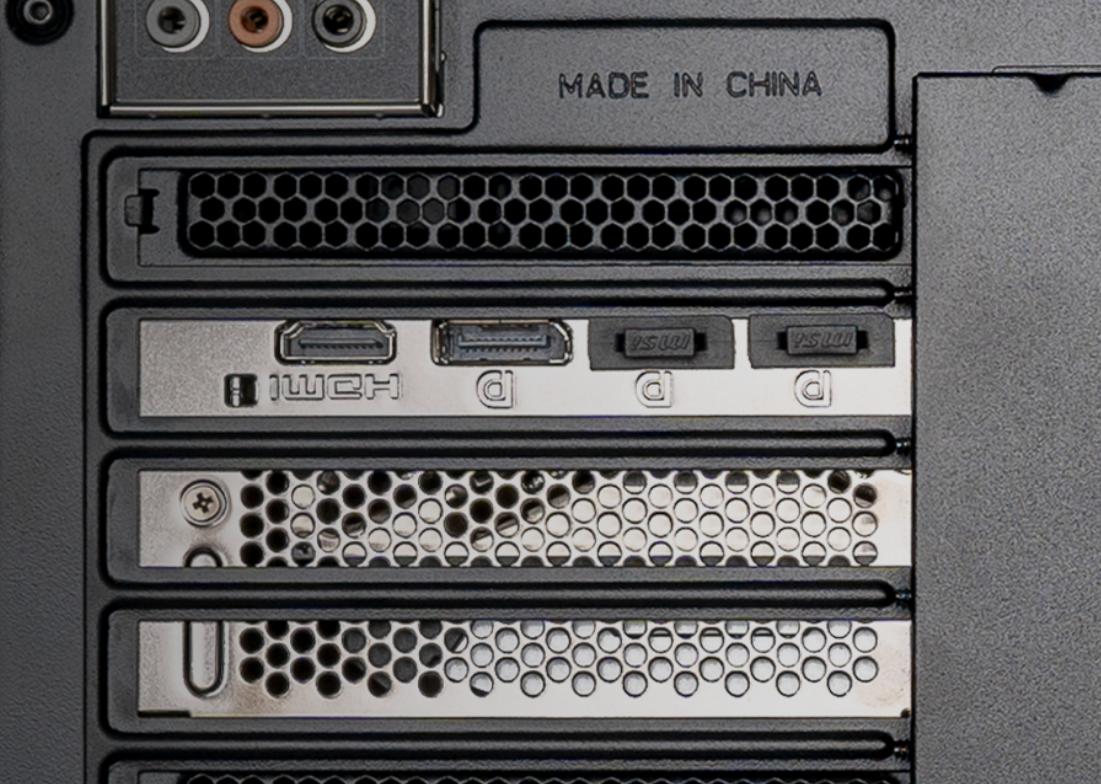
Highlights
- Performance Differences: Evaluate gaming, productivity, and power consumption across integrated GPU architectures.
- Architectural Advances: Understand improvements from Intel’s UHD 770 to Iris Xe and AMD’s Radeon 780M, and more recent RDNA architectures.
- Benchmark Insights: Explore real-world benchmarks and specific scores like Geekbench results to assess multi-threaded and single-core performance.
Current Setup: Intel Core i5-13500 with UHD Graphics 770
Overview
The Intel Core i5-13500 is a capable mid-range processor, paired with the integrated Intel UHD Graphics 770. This combination has historically served well for standard productivity tasks, video playback, and light gaming. Key performance metrics include:
Key Specifications
The UHD 770 onboard the i5-13500 boasts 32 execution units with a maximum boost frequency around 1.65 GHz. In Geekbench 5 benchmarks, the i5-13500 scores approximately 1,834 in single-core and 12,834 in multi-core tests. These benchmarks position it as a strong choice for everyday computing needs, although it struggles to push higher frame rates in modern, graphically demanding titles.
Gaming and Productivity
In terms of gaming, the UHD 770 is sufficient for basic and older titles, but when pushed to modern games, it typically delivers low frame rates – often around 18 FPS in Full HD and sometimes lower in higher resolutions such as 4K. Furthermore, while the iGPU performs adequately for day-to-day tasks, it lacks the robust graphical power required for modern graphical workloads that benefit from advanced GPU architectures.
New Best iGPU from Intel: Iris Xe and Latest Generations
Overview
In recent years, Intel has expanded its integrated GPU offerings with the introduction of the Iris Xe graphics. Found in newer generation processors, this architecture is a step forward from the UHD 770 in terms of both performance and efficiency. Although newer models, especially those from the 14th Gen Core series (and later), incorporate improvements that may even surpass the performance of the UHD 770, Iris Xe displays enhancements in shader count, clock speeds and overall framerate output.
Architectural Improvements
The Iris Xe graphics is based on the newer Xe-LP architecture which features an increased number of execution units and improved processing frequencies. Users typically observe that Iris Xe delivers better graphical performance, showcasing smoother gameplay and the ability to run more graphically intensive applications at medium settings compared to the UHD 770. While detailed benchmarks vary by exact CPU configuration, the trend is clear: Iris Xe represents a marked improvement in general gaming and productivity performance.
Performance in Real-World Scenarios
In real-world scenarios, Iris Xe integrated GPUs have proven to be more capable when it comes to handling higher graphics settings without significant drops in performance. This is particularly noticeable when running less demanding games at higher frame rates and smoother transitions. Additionally, productivity workloads that benefit from hardware acceleration, such as video editing and photo processing, see a slight improvement in performance due to more efficient processing pipelines and higher overall GPU efficiency.
New Best iGPU from AMD: Radeon 780M and RDNA 3 Enhancements
Overview
AMD's integrated graphics solutions have also seen significant improvements in recent years. The latest competitive offering comes from AMD’s Ryzen 7000 series, featuring the Radeon 780M built on the RDNA 3 architecture. This breakthrough design is engineered to handle modern games at 1080p with decent frame rates, making it a superior choice for users who value integrated GPU performance without the need for a dedicated graphics card.
Architecture and Specifications
The AMD Radeon 780M utilizes the advanced RDNA 3 architecture, which translates into higher shader counts – around 768 in certain configurations – and impressive clock speeds that can reach up to 2.7 GHz. Compared to the UHD 770’s 256 shaders and lower frequencies, the Radeon 780M offers a substantial performance uplift. This architecture is particularly optimized for real-time gaming and offers better energy efficiency alongside improved performance.
Enhanced Gaming Performance and Productivity Gains
Benchmark comparisons indicate that the Radeon 780M integrated in AMD systems outperforms both Intel's UHD 770 and, in many cases, even newer Iris Xe solutions in many gaming scenarios. For instance, in titles optimized for AMD architectures, the RDNA 3 based iGPU can deliver 20-30% better performance on average, providing higher and more consistent frame rates. Moreover, advanced rendering techniques supported within the RDNA 3 framework allow for more sophisticated graphics handling and gaming effects without excessive power consumption.
Productivity tasks benefit as well; multimedia editing and 3D rendering can see faster rendering times thanks to more robust parallel processing capabilities. The integrated solution in AMD’s processors has integrated memory optimizations that are especially advantageous in systems where power efficiency and compact design are crucial.
Direct Performance Comparison
Summary Table
| Feature | Intel UHD 770 (i5-13500) | Intel Iris Xe | AMD Radeon 780M (RDNA 3) |
|---|---|---|---|
| Architecture | Generation 12.2 | Xe-LP (new generation) | RDNA 3 |
| Shader Count | 256 | Varies between 96-128 (depending on SKU) | Up to 768 |
| Clock Speed | Boost up to ~1.65 GHz | Generally higher frequencies than UHD 770 | Up to 2.7 GHz |
| Power Consumption | Approximately 15W | Varies by CPU model | Integrated, optimized per design |
| Gaming Performance | Suitable for light gaming; struggles with modern demanding titles | Improved performance over UHD 770; decent for mid-range gaming | Capable of running 1080p games with high frame rates in many titles |
| Productivity | Adequate for everyday tasks | Enhanced acceleration for creative applications | Optimized for faster multimedia and rendering tasks |
Detailed Comparison Points
Gaming Performance
When it comes to gaming, the differences between these integrated GPUs become particularly evident. The Intel UHD 770, found in the i5-13500, is suited for less demanding gaming scenarios. It typically delivers playable frame rates in older or indie titles, though modern AAA games can drop below acceptable levels of performance if played at high settings or resolutions.
On the other hand, the Intel Iris Xe – available in newer Intel Core processors – demonstrates improved performance with better handling of modern game engines. While not on par with mid-range discrete GPUs, Iris Xe manages more consistent frame rates and smoother graphics at medium settings. However, AMD’s Radeon 780M integrated into Ryzen 7000 series processors showcases the most robust performance among the three, capable of delivering high frame rates in 1080p gaming scenarios, thanks largely to its RDNA 3 improvements and higher shader counts.
Productivity and Multimedia Tasks
For non-gaming tasks such as video editing, photo manipulation, and other multimedia workloads, the evolution in GPU architectures leads to noticeable benefits. The UHD 770 performs adequately in everyday applications, yet its older architecture becomes a limiting factor when higher computational throughput is required.
The Iris Xe demonstrates enhanced acceleration for creative applications, reducing rendering times and improving efficiency in tasks that leverage GPU acceleration. AMD’s Radeon 780M, with its modern RDNA 3 foundation, not only improves gaming but also reduces bottlenecks in professional applications and multimedia suites. This makes it a superior option for those who require a balance between work and light to moderate gaming without the benefit of a dedicated graphics card.
Power Efficiency and Integration
Integration of modern iGPU solutions often comes with benefits in power management. The UHD 770 is designed under power constraints common to integrated systems; however, its older design means it may not handle software optimizations as effectively as the newer generations.
The Iris Xe and Radeon 780M are built with advanced power management algorithms, meaning they adjust dynamically based on workload, thereby allowing for better thermal control and energy efficiency. This integration translates into systems that are not only more responsive but also quieter and more energy-effective, a valuable feature for ultrabooks and convertible devices.
Benchmark and Real-World Performance
Understanding Benchmarks
Benchmark scores can offer significant insights into the underlying performance of these GPUs. The Intel Core i5-13500 paired with UHD 770 generally posts modest scores in most GPU-intensive synthetic benchmarks. Its scores in single-core and multi-core tests, particularly from Geekbench, confirm its position as a competent processor for everyday tasks but not for high-end gaming.
In contrast, processors featuring Iris Xe often record better performance in similarly structured benchmarks. Not only do they achieve higher scores in single-core and multi-threaded environments, but they also perform better under sustained workloads thanks to enhanced architectures and improved clock rates.
AMD’s integrated GPUs featuring the Radeon 780M are frequently at the top of these comparisons. Benchmarks show that due to higher shader counts, increased clock speeds, and optimizations in the RDNA 3 architecture, these GPUs can achieve up to 20-30% better performance in gaming and GPU-accelerated tasks compared to the UHD 770.
Real-World Use Cases
In practical use, this performance difference translates into smoother gameplay and a more responsive user experience overall. Users upgrading from systems with UHD 770 to newer Iris Xe or Radeon 780M-equipped processors will notice:
- Better frame rates and improved handling of graphically intensive content at 1080p resolutions.
- Enhanced efficiency in multitasking and creative applications such as video and photo editing.
- More stable performance under varying workloads due to advanced power management features.
Additional Considerations
System Configuration and Cooling
While the integrated GPU plays a significant role in overall performance, system configuration also influences outcomes. Factors such as the quality of the cooling system, the RAM configuration, and the overall chassis design have a direct impact. High-performance integrated GPUs like Iris Xe and Radeon 780M often function better in systems designed to optimize thermal management and reduce throttling during sustained high-load scenarios.
Future Prospects and Upgrade Paths
The evolution of iGPU technology means that today’s configurations could quickly become outdated for aggressive gaming or intensive processing tasks. For users who are passionate about gaming and demanding multimedia editing, while integrated solutions like the Radeon 780M deliver excellent performance, there is still a significant place for dedicated graphics cards in future system upgrades. For those focused on portability and energy efficiency, however, the improvements in Iris Xe and AMD’s integrated offerings offer a worthy balance of performance and power savings.
Industry Perspectives and Recommendations
Expert Benchmark Reviews
Expert reviews typically indicate that while the Intel UHD 770 in the Core i5-13500 is reliable for standard applications, enthusiasts and users wanting to push their systems for light gaming or advanced multimedia tasks should consider more modern integrated GPU offerings. Both Intel’s newer Iris Xe and AMD’s Radeon 780M come with recommendations from various technology review platforms for users seeking improved performance. Publications from sources such as Tom’s Hardware, PCGuide, and WireD further establish that while each solution has strengths, AMD’s RDNA 3 architecture integrated into the Radeon 780M offers the greatest performance improvement for gaming without relying on a discrete card.
Market Positioning and Cost Considerations
From a cost perspective, systems equipped with the Intel Core i5-13500 remain attractive due to their wide availability and efficiency for general usage. However, as newer Intel processors with upgraded Iris Xe graphics enter the market, and with AMD’s Ryzen 7000 series becoming increasingly popular, buyers now have a broader range of options. The final decision often depends on specific usage patterns:
- Everyday Use and Light Gaming: The i5-13500 with UHD 770 is perfectly adequate.
- Enhanced Graphics for Casual and Moderate Gaming: Intel Iris Xe devices provide a noticeable performance improvement, making them ideal for mid-range gaming systems.
- Advanced Gaming and Intensive Applications: AMD’s Radeon 780M, with its RDNA 3 architecture, stands out as the best option within the integrated segment for pushing higher graphics settings and better multitasking.
References
- Intel Core i5-13500 Benchmark - CPU-Monkey
- Best CPUs Review - Tom’s Hardware
- New CPU & GPU Trends - Wired
- Best Integrated Graphics Guide - PCGuide
- CPU Benchmark Scores - CPUBenchmark.net
Recommended Searches
Last updated March 13, 2025