
Impact of Illegal Hunting and Poaching on Forest Wildlife in Gilgit-Baltistan
Understanding the challenges and conservation efforts in a unique ecosystem
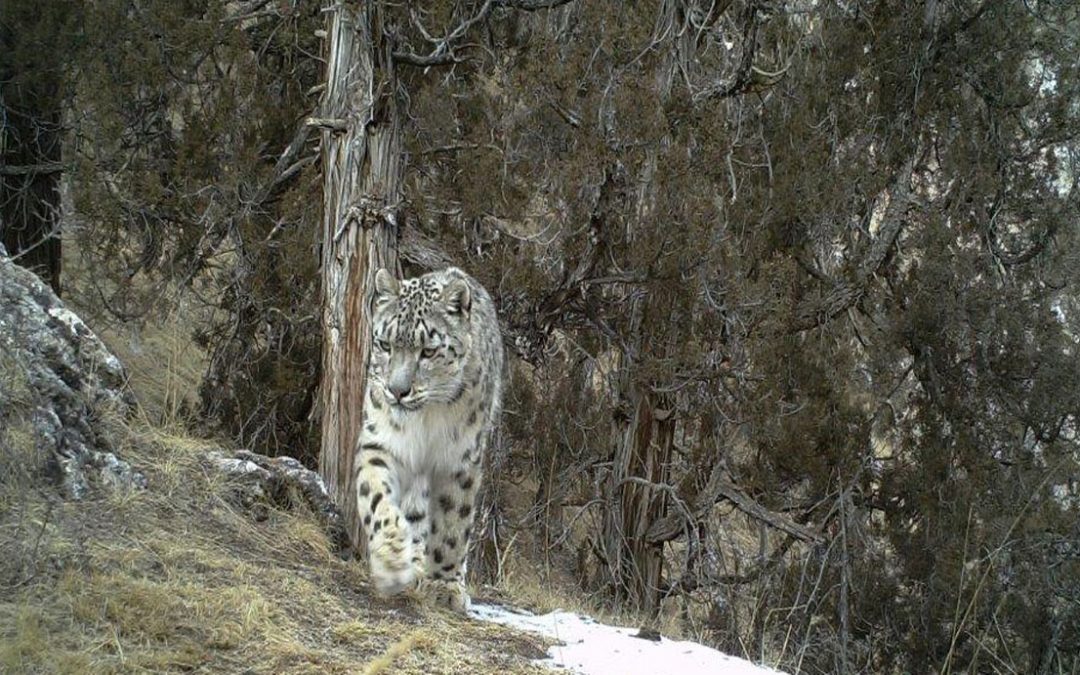
Key Highlights
- Threats to endangered species: Illegal hunting significantly jeopardizes vulnerable species like snow leopards, markhor, and ibex.
- Ecosystem disruption: Poaching destabilizes food webs, causing cascading effects on vegetation, soil health, and water quality.
- Conservation and community engagement: Multiple initiatives including community-based programs and technology-driven anti-poaching measures are essential in mitigating these impacts.
Introduction
Gilgit-Baltistan, located in the rugged terrains of northern Pakistan, boasts a rich tapestry of biodiversity. The region is renowned for its diverse forest wildlife, including iconic species such as the snow leopard, markhor, ibex, and a host of other flora and fauna. However, this unique ecosystem is severely threatened by illegal hunting and poaching activities that not only target these species for their valuable body parts and trophies but also disrupt the ecological balance and compromise the sustainability of local livelihoods.
Threats to Wildlife
Targeted Species
Illegal hunting and poaching in Gilgit-Baltistan primarily target endangered and highly vulnerable species. Among these, the snow leopard is one of the most impacted. Hunted both for its fur and as part of retaliatory killings due to livestock predation, the survival of this apex predator is at risk. Similarly, species such as markhor and ibex are poached for their meat, trophies, and other body parts, contributing to their rapid population decline. Each of these species plays an important role in maintaining the ecological integrity of the region.
Disturbance of the Ecosystem
The removal of key species from the food web results in severe ecosystem disturbances. For example, the decline in snow leopard populations can lead to an imbalance in the prey species population, which may in turn evoke overgrazing and degradation of vegetation. This alteration in the trophic structure disrupts nutrient cycling, soil integrity, and water flow patterns. Moreover, the decline of keystone species increases the vulnerability of the entire ecosystem to invasive species and other non-native influences.
Associated Crimes and Economic Impacts
Aside from direct impacts on wildlife, illegal hunting fosters a range of socio-economic problems. The trade in wildlife derivatives, often conducted through clandestine markets, fuels criminal activities and instigates violence. Such activities also undercut sustainable revenue opportunities for communities that might otherwise benefit from regulated trophy hunting or ecotourism.
Consequences on the Environment and Communities
Biodiversity Loss
The indiscriminate removal of species, particularly those that are rare or have a limited distribution, results in significant biodiversity loss. The divergence from natural population levels not only diminishes genetic diversity but also reduces the resilience of the ecosystem. Loss of biodiversity impairs ecological services such as pollination, water purification, and climate regulation, triggering a chain reaction that undermines the health of the entire environment.
Habitat Degradation
Beyond direct poaching, habitat degradation further exacerbates the impacts of illegal hunting. Poachers often alter the landscape by clearing vegetation to create access routes and hunting posts. Combined with other anthropogenic disturbances like infrastructure development, these activities fragment habitats and expose wildlife to additional stressors such as climate change and resource competition.
Human-Wildlife Conflicts
As wildlife populations decline, altered behaviors sometimes force animals into closer proximity with human settlements. For instance, predators like the snow leopard, when deprived of their natural prey, may attack livestock, triggering retaliatory killings by communities. These conflicts not only endanger the lives of wildlife but also create social tensions that further complicate conservation efforts.
Conservation Efforts and Mitigation Strategies
Community-Based Conservation Programs
One of the most promising avenues for addressing illegal hunting and poaching in Gilgit-Baltistan is the implementation of community-based conservation programs. These initiatives actively involve local communities in protecting wildlife while simultaneously offering economic incentives to reduce the reliance on poaching. Such programs often include training for local wildlife management and the establishment of alternative income sources, thereby aligning the community's interests with long-term conservation goals.
Regulated Trophy Hunting
In contrast to illegal hunting, regulated trophy hunting is designed to generate revenue that supports conservation initiatives. Properly managed trophy hunting programs in Gilgit-Baltistan help fund anti-poaching patrols and infrastructure improvements. These initiatives, when governed by stringent regulations, prove that sustainable use of wildlife resources can coexist with conservation and community development.
Use of Technology in Anti-Poaching
Technological advancements, such as AI-powered camera traps, are now being deployed to monitor wildlife and detect unlawful activities. These high-tech tools significantly enhance the capabilities of law enforcement by providing real-time surveillance and data collection. Early detection of poaching activities allows for rapid response, reducing the potential damage and improving the success rates of anti-poaching operations.
Strengthening Law Enforcement and Public Awareness
Effective law enforcement is critical to curbing illegal hunting practices. Increased patrolling, strict penalties for offenders, and cross-agency collaborations enhance the protection of vulnerable species. Additionally, raising public awareness about the ecological and economic ramifications of poaching is vital. Educational campaigns and community outreach initiatives help foster a culture of conservation that is essential for the long-term sustainability of the region's wildlife.
Detailed Comparison Table of Threats and Conservation Measures
| Aspect | Impact/Threat | Mitigation Strategy |
|---|---|---|
| Species Targeted | Endangered species such as snow leopards, markhor, and ibex are highly vulnerable to illegal hunting. | Enhanced protection measures through regulated trophy hunting and increased law enforcement. |
| Ecosystem Balance | Disruption of food webs and ecological cascades due to the removal of keystone species. | Restoration programs and ecological research to understand and mitigate food chain disruptions. |
| Habitat Degradation | Habitat fragmentation and degradation from human-induced alterations and poaching access routes. | Habitat restoration projects and stricter land-use policies. |
| Community Impact | Loss of income from ecotourism and increased human-wildlife conflict jeopardize local livelihoods. | Community-based conservation programs offering economic alternatives and promoting eco-tourism. |
| Technological Intervention | Limited detection and monitoring of illegal activities. | Deployment of AI-driven camera traps and surveillance systems to monitor wildlife and deter poachers. |
Case Studies and Ongoing Projects
Community Engagement Initiatives
Various region-specific projects in Gilgit-Baltistan have successfully integrated community-based approaches in wildlife conservation. These initiatives often involve training local residents in wildlife monitoring and anti-poaching techniques, while providing alternate income sources such as handicrafts and guided tours. As part of these projects, local communities have witnessed the benefits of maintaining a thriving wildlife population through increased tourism revenue and improved social cohesion.
Technological Innovations in Patrols
Recent projects that incorporate technology, including AI-powered camera traps and remote sensing, have proved especially effective. By equipping local patrols with modern surveillance tools, these projects offer a higher degree of protection for critical wildlife areas and provide valuable data for conservationists. The integration of such tools is crucial as it allows for rapid response to incidents and long-term monitoring of population dynamics.
Regulated Trophy Hunting Programs
Although controversial, regulated trophy hunting, when managed properly, has emerged as a dual-benefit mechanism that balances financial benefits with conservation outcomes. In Gilgit-Baltistan, the revenue generated from controlled hunting permits is reinvested in wildlife management and community development programs, thereby ensuring that both local communities and wildlife benefit from this model.
Importance of a Multidimensional Approach
Addressing the issue of illegal hunting and poaching in Gilgit-Baltistan demands a comprehensive, multidimensional strategy that combines enforcement, community engagement, technological innovation, and sustainable economic development. Each component is crucial; where law enforcement alone may not suffice, community buy-in and technological improvements can bridge critical gaps. This integrated approach not only safeguards vulnerable species but also nurtures a culture of conservation that is essential for long-term environmental sustainability.
References
- Community-Based Trophy Hunting Programs - The Karakoram
- Consequences of Illegal Wildlife Trade - Financial Crime Academy
- Hunting and Poaching: Causes and Solutions - EnvPK
- AI-Powered Camera Traps - WWF Pakistan
- Conservation and Community Benefits - Pamir Times
Recommended Further Queries
Last updated March 18, 2025