
Networking Strategies for International Medical Graduates
Empowering IMGs through strategic professional connections
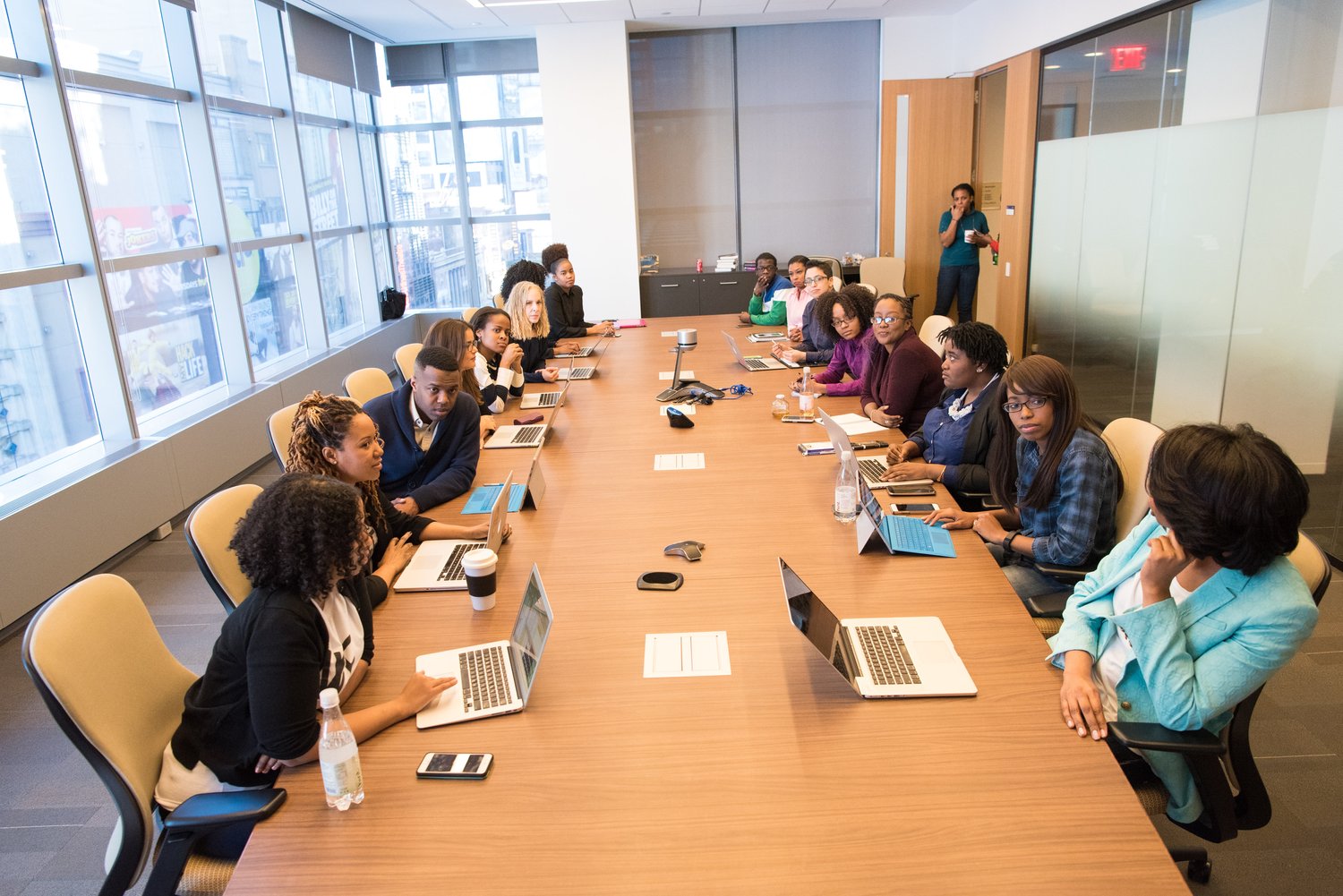
Key Highlights
- Building Relationships: Engage with professional associations, alumni, and current physicians to form long-lasting connections.
- Active Involvement: Participate in conferences, workshops, clinical rotations, and community events to enhance visibility.
- Mentorship and Social Media: Leverage mentorship and online platforms like LinkedIn to navigate career milestones.
Understanding the Importance of Networking for IMGs
International Medical Graduates (IMGs) face a distinctive set of challenges when striving to establish themselves within competitive medical landscapes. In order to bridge the gap between international credentials and local expectations in countries like the United States, robust networking plays a pivotal role. The ability to build genuine professional relationships not only paves the way for mentorship and guidance, but it significantly improves the chance of securing coveted residency positions and finding specialized opportunities in medical practice.
Why Networking Matters
For IMGs, networking is more than just exchanging business cards or joining professional circles; it is a strategic tool that delivers multiple benefits:
- Enhanced Visibility: Engaging with professional communities increases your presence in the medical field, making it easier for mentors and potential employers to notice you.
- Access to Mentorship: Personalized guidance from experienced physicians can help you navigate the complexities of residency applications and medical practices.
- Insight into the Medical System: Regular interaction with local practitioners provides deeper insights into the U.S. medical landscape and helps in understanding best practices and unwritten norms.
- Opportunities for Collaborative Research: Networking can lead to collaborations in research projects or participation in community health initiatives, which further enhance your professional portfolio.
- Support System: The support network developed through effective networking offers practical advice and sometimes emotional support during challenging transitions.
Core Networking Strategies for IMGs
1. Build and Leverage Professional Associations
Joining Organizations
Becoming a member of professional organizations is among the foremost strategies for IMGs. Organizations such as the American Medical Association (AMA) and specialty-specific associations are excellent avenues to develop connections. Membership not only provides access to professional seminars and workshops but also places you in a community of physicians who are well-versed in local medical practices. Additionally, ethnic physician groups, such as the National Arab American Medical Association or the American Association of Physicians from India, can serve as supportive networks where members share similar cultural experiences and challenges.
Alumni Networks
Leveraging your medical school’s alumni network can open doors to previously untapped opportunities. Most alumni networks provide platforms for current and former students to engage in discussions, share job notifications, and offer mentorship. Utilize social networking platforms like LinkedIn if your institution doesn’t have an official network, and reach out to alumni practicing in your intended country. Their insights about navigating the residency process and adapting to a new medical system can be invaluable.
2. Actively Engage in Conferences and Workshops
Medical Conferences
Attending medical conferences, seminars, and workshops is crucial to maintaining an up-to-date understanding of your specialty. These events offer IMGs a chance to hear from experts, participate in specialized sessions, and establish direct contact with key opinion leaders and potential mentors. Presenting research or case studies during such gatherings further cements your commitment to your field and increases your visibility among professionals.
Specialty Meetings and Local Events
Be on the lookout for specialty meetings pertinent to your field of interest. Large-scale events and smaller local workshops both serve as excellent venues to meet influential figures in the field. Engaging in these meetings not only enriches your knowledge base but also enables you to build connections that can lead to collaborative opportunities, recommendations, or even direct job referrals.
3. Utilize Social Media and Online Platforms
Professional Social Networks
Social media platforms like LinkedIn have transformed the networking landscape. For IMGs, a well-managed online presence becomes a powerful tool to exhibit credentials, connect with physicians, residency directors, and industry experts. By participating in online discussions, sharing current research trends, and maintaining a professional profile, you can significantly enhance your networking effectiveness.
Online Forums and Groups
In addition to established social media platforms, there are numerous dedicated online forums and groups focusing on medical education and residency placements. Engaging in these communities by asking questions, offering insights, and sharing personal experiences cultivates an ecosystem where mutually beneficial relationships can flourish. Platforms like Doximity and even specific Facebook groups are excellent starting points for this digital networking journey.
4. Seeking Mentorship
Finding Experienced Mentors
Mentorship is a cornerstone for IMGs navigating the complex process of transitioning to practice in a new country. Identifying mentors who have experienced the same journey can provide tailored and practical advice, from refining your CV to preparing for interviews. Mentors can also introduce you to their professional networks, opening up opportunities that you might not have been able to access independently.
When searching for mentorship, approach potential mentors via formal channels like alumni networks, social media, or at professional gatherings. Remember, the mentor-mentee relationship is mutually beneficial; demonstrating initiative and willingness to learn can foster a deeper and more productive connection.
5. Gaining Clinical Experience in the U.S.
US Clinical Rotations
Hands-on clinical experience in the United States is an integral part of boosting your profile as an IMG. Securing observerships, externships, or clerkships not only enriches your clinical skills but also allows you to establish relationships with attending physicians and residents who can advocate on your behalf when applying for residency positions.
Being physically present in clinical settings demonstrates your commitment to understanding U.S. healthcare protocols and patient care methodologies. Such experience is frequently cited by residency selection committees as evidence of your adaptability and competence within the local medical framework.
6. Engaging Through Community Involvement and Volunteer Work
Volunteer Projects and Local Health Initiatives
Participation in volunteer work and local health initiatives does more than strengthen your CV. It portrays you as a socially conscious and community-oriented professional. These opportunities often bring you in contact with influential individuals who appreciate commitment to community service and may offer mentoring, job leads, or collaborative projects in the future.
Comprehensive Networking Strategies Table
| Strategy Category | Key Actions | Expected Benefits |
|---|---|---|
| Professional Associations |
|
|
| Conferences & Workshops |
|
|
| Social Media & Online Platforms |
|
|
| Mentorship |
|
|
| Clinical Experience & Community Involvement |
|
|
Implementing a Networking Plan
Developing a Personalized Approach
Every IMG has a unique background and career goal, making it essential to plan your networking activities based on individual needs and targets. Begin by mapping out your professional roadmap, noting key specialties and roles that you are interested in. Identify the relevant organizations, events, and mentors who can help you achieve these objectives. Keeping a detailed calendar of networking events, conferences, and follow-ups can sharpen your focus and ensure that you maintain momentum as you expand your connections.
Tools for Effective Networking
Utilizing tools that assist in organizing your networking activities can be highly beneficial. Consider digital calendars, CRM (Customer Relationship Management) tools, and networking apps that allow you to track contacts and follow up on conversations. A portfolio that includes your curriculum vitae (CV), research highlights, and clinical experiences should be regularly updated and readily available for sharing during professional events and online interactions.
Evaluating and Expanding Your Network
Networking is an ongoing process that requires continuous evaluation and adaptation. Regularly assess the effectiveness of your networking strategies by reflecting on the quality of contacts made and the outcomes of interactions. Expand your network by seeking new opportunities in both digital and in-person settings. Remember that every interaction is a learning experience and a chance to build valuable relationships that reinforce your professional standing in the U.S. medical field.
Additional Considerations for Successful Networking
Cultural and Communication Skills
As an IMG, understanding and adapting to cultural nuances is critical. Effective communication goes beyond language proficiency; it involves awareness of local professional etiquette and cultural expectations. Embracing cultural sensitivity improves your interactions in professional settings and fosters a collaborative environment among colleagues.
Displaying Initiative and Professionalism
A proactive approach is fundamental. Whether you are initiating contact via email, LinkedIn, or face-to-face interactions at medical conferences, professionalism and initiative speak volumes about your dedication. Demonstrating preparedness and follow-through in every conversation leaves a lasting impression on potential mentors and future colleagues.
Balancing Online and Offline Strategies
In today’s digital age, balancing in-person and online networking is essential. While physical attendance at meetings and conferences reinforces your commitment, engaging online provides a broader scope to connect with professionals globally. Both platforms offer unique benefits and complement each other when integrated into a comprehensive networking strategy.
References
- Networking Strategies for International Medical Graduates - IMG2IMG
- Networking Tips for IMGs - Inside the Match
- Networking Tips for IMGs - MedEd University
- International Medical Graduates: Getting Hands-On US Clinical Experience - IMG Helping Hands
- Strategies to Help IMGs with Networking and US Residency Match - The Successful Match
Recommended Related Queries
Last updated March 5, 2025