
Immaculate Conception
Understanding the Dogma and Its Context in Catholic Theology
Highlights
- The Immaculate Conception declares that Mary was conceived without original sin, distinguishing her for her unique role in salvation history.
- This dogma, defined in 1854 by Pope Pius IX, emphasizes Mary’s purity from the very moment of her conception and is celebrated on December 8.
- The doctrine is distinct from the virginal conception of Jesus, focusing on Mary’s own conception in her parents’ womb.
Historical and Theological Overview
The Immaculate Conception is one of the central dogmas of the Roman Catholic Church. It holds that Mary, the mother of Jesus, was conceived without the stain of original sin. This was not due to any merit of her own but rather a singular grace bestowed upon her by God in view of the future merits of her son, Jesus Christ.
Definition and Significance
The doctrine explicitly states that from the very instant of her conception, Mary was preserved free from the corruption of original sin. This unique privilege was granted by God and is referred to as “singular grace.” The idea behind this concept is twofold: first, Mary’s role as the mother of Jesus necessitated a state of exceptional purity; and second, by being sinless, she was uniquely prepared to bear and nurture the Savior of mankind. In theological terms, Mary's purity is seen as essential for her role as the “New Eve”—a spiritual counterpart to the first woman, Eve, who played a pivotal role in the narrative of the Fall.
Distinguishing the Doctrines: Mary vs. Jesus
It is a common misconception that the Immaculate Conception refers to the miraculous birth of Jesus, often linked to the virginal conception. Instead, the dogma specifically pertains to Mary’s own conception in the womb of her mother, traditionally known as Saint Anne. While Jesus was conceived in a miraculous manner, Mary herself was conceived in the natural biological way, yet was singularly graced by God to be free from original sin. This distinction is critical to understanding the separate and complementary roles that Jesus and Mary play in Catholic teaching.
The Historical Development of the Doctrine
The belief in Mary’s sinless nature has deep historical roots within Christianity, with early Church Fathers frequently extolling her exceptional holiness. Over the centuries, this idea gradually evolved. In the early medieval period, devotion to Mary's purity became more pronounced, and by the 7th century a liturgical feast celebrating her conception was already observed by some communities. The doctrine underwent robust theological debate, with influential medieval theologians weighing in. While notable figures like Thomas Aquinas expressed reservations concerning the logical implications of such a unique grace, the idea eventually gained widespread acceptance through the persistent faith and theological articulation of later scholars.
The definitive moment in the formalization of this doctrine occurred in 1854, when Pope Pius IX declared the dogma in the papal bull "Ineffabilis Deus." This declaration solidified the Catholic stance on the matter and marked the Immaculate Conception as one of the Church’s central Marian dogmas. Since its formal declaration, the feast of the Immaculate Conception has been celebrated annually on December 8, drawing vast numbers of the faithful who honor Mary’s unique role in salvation history.
Theological Implications and Interpretations
Mary as the New Eve
In Catholic theology, Mary is often described as the New Eve. This concept draws a direct parallel between the first woman, Eve, whose decision led to the Fall, and Mary, whose obedience to God’s will helped to usher in the redemption of mankind. Unlike Eve, who succumbed to temptation and sin, Mary’s sinless nature is seen as a prelude to her being chosen to give birth to Jesus Christ. This symbolism highlights an essential component of the Catholic narrative of salvation: that through Mary’s pure state, God provided a vessel uniquely prepared to nurture the Son who would ultimately become the Savior.
Grace, Redemption, and Divine Intervention
The doctrine underscores the profound concept of divine grace. According to Catholic belief, God’s intervention in preserving Mary from original sin was not a negation of human nature or free will; rather, it was a remarkable act of grace in anticipation of the coming redemption. This preemptive grace underscores the extraordinary role Mary plays in the economy of salvation. Her being free from original sin is not seen as a human achievement but as a divine gift, intended to prepare her for the significant role she was destined to play.
Liturgical Celebration and Cultural Impact
The Feast of the Immaculate Conception, celebrated on December 8 by many Catholics worldwide, is a major liturgical event. This holy day of obligation is observed with special masses, prayers, and processions. It provides an opportunity for the faithful not only to venerate Mary but also to reflect on the transformative grace that characterizes the Christian understanding of redemption and salvation.
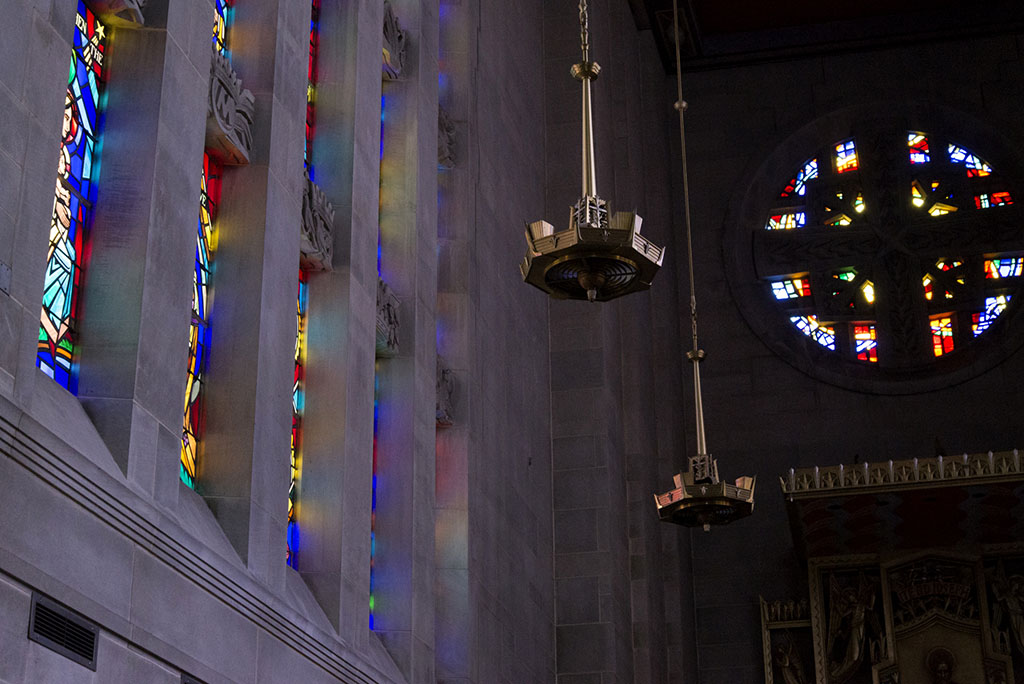
Over the centuries, artistic and cultural depictions of the Immaculate Conception have played a significant role in shaping the visual and devotional traditions of the Catholic Church. Paintings, sculptures, and stained glass windows often depict Mary surrounded by symbols of purity and grace. Common elements include a halo of light, stars, and sometimes the crescent moon, which conjure imagery of both divine light and cosmic order. Such representations serve to remind believers of the importance of Mary’s role in the divine plan and inspire devotion through beauty and symbolism.
Artistic Representations and Iconography
Throughout history, the Immaculate Conception has been a recurrent theme in Catholic art. One of the most iconic depictions draws inspiration from both medieval and Renaissance traditions, presenting Mary in a serene and ethereal manner. Artists have used a variety of techniques to embody the notion of purity and divine favor. The iconography typically includes symbolic elements such as:
| Element | Symbolic Meaning |
|---|---|
| Halo | Divine favor and sanctity |
| Stars | Celestial purity and the heavens |
| Crescent Moon | Victory over chaos and sin |
| White Robes | Purity and the absence of sin |
These artistic themes not only enhance devotional practices but also communicate the theological virtues associated with the Immaculate Conception to a wider audience, ensuring that the importance of this dogma is visually and emotionally accessible to the faithful.
Debate and Interdenominational Perspectives
While the doctrine of the Immaculate Conception is firmly established within the Roman Catholic Church, it has been met with skepticism or outright rejection by other Christian traditions. For example, Eastern Orthodox Christians, while holding Mary in high esteem as "all-holy," do not subscribe to the precise formulation of the doctrine as defined by Rome. Similarly, many Protestant denominations have historically questioned the doctrinal basis of the Immaculate Conception, emphasizing instead a universal need for grace and redemption that is available to all believers.
The criticisms generally revolve around biblical interpretation and questions about the nature of original sin. Some argue that the notion of Mary's exception contradicts broader theological claims about the universality of sin and the nature of redemption. Nevertheless, within Catholic circles, the doctrine remains a matter of faith and devotional practice, deeply integrated into the theology surrounding Mary and the overall narrative of salvation.
Comparative Perspectives in Christian Theology
In examining the differences between Catholic, Eastern Orthodox, and Protestant views, it becomes apparent that much of the debate centers on the interpretation of Scripture and the nature of God's grace. While Catholics see the Immaculate Conception as an expression of God's anticipatory grace, others question whether such a singular exception aligns with the general pattern of human fallibility. This divergence in thought underscores broader theological differences, yet it also provides opportunities for fruitful interdenominational dialogue, as scholars and theologians continue to explore and debate these foundational issues in Christian thought.
Modern Interpretations and Devotional Practices
In contemporary Catholic practice, the Immaculate Conception remains a vibrant aspect of devotional life. Believers continue to celebrate December 8 with masses, cultural festivals, and community gatherings that emphasize both the historical and spiritual dimensions of the dogma. Modern interpretations often frame Mary’s immaculate conception as a symbol of hope and the transformative power of divine grace. Through prayer, art, and liturgy, the faithful are invited to reflect upon the ways in which the grace exemplified in Mary’s conception can inspire personal spiritual growth.
In addition to formal liturgical celebrations, popular devotion includes numerous Marian apparitions and shrines that reference the Immaculate Conception. These have become focal points for pilgrimage and community celebration, reinforcing the idea that Mary serves as both a model of purity and a compassionate intercessor for humanity. The enduring nature of these devotions highlights the role of tradition in maintaining a connection to the historical roots of the doctrine while simultaneously allowing for contemporary expressions of faith.
Educational Initiatives and Theological Scholarship
Theological seminaries and Catholic educational institutions continue to teach the doctrine of the Immaculate Conception as part of broader studies in Mariology and Church history. This educational emphasis is not only aimed at nurturing faith but also at deepening an understanding of the Church’s development of doctrine over time. By exploring the historical, cultural, and scriptural dimensions of Mary’s sinless conception, students are equipped to engage thoughtfully with both the tradition of the Church and contemporary theological debates.
Statistical and Demographical Insights
A survey of Catholic communities worldwide reveals that belief in the Immaculate Conception is strongly held among the faithful, particularly in regions with deep historical ties to Marian devotion such as Latin America and Southern Europe. Church attendance on December 8 often reaches significant numbers, reflecting both the cultural and spiritual importance of the feast day dedicated to Mary. These celebratory practices not only maintain a connection to centuries-old traditions but also serve as a reminder to new generations about the enduring relevance of Marian doctrines in contemporary spiritual life.
In addition to liturgical observance, educational programs, art exhibitions, and parish activities surrounding the feast underscore how deeply ingrained the Immaculate Conception is in the cultural fabric of Catholic communities. Such events help bridge the gap between ancient traditions and modern expressions of faith, ensuring that the theological significance of Mary’s immaculate conception continues to resonate with a diverse and evolving audience.
Comparative Analysis with Other Marian Doctrines
The Immaculate Conception is one of several Marian doctrines that highlight the exceptional role of Mary in salvation history. Alongside doctrines such as the Assumption and the Perpetual Virginity, it forms a comprehensive framework that illustrates the Church’s unique devotion to and veneration of Mary. While each doctrine addresses a different aspect of Mary’s life and role, together they portray a multifaceted picture of her sanctity and divine favor.
Comparative analysis of these doctrines reveals an interconnectedness rooted in the broader themes of grace, redemption, and divine intervention. For instance, while the Immaculate Conception emphasizes Mary’s purity from the moment of her own conception, the Assumption celebrates her physical departure from this world to be received into heaven. The Perpetual Virginity touches upon her life-long dedication to God's purpose, free from the ordinary constraints of worldly experience. This interrelated set of beliefs reinforces the significance of Mary not only as a historical figure but also as a continuing source of inspiration and spiritual guidance.
Global Celebrations and Cultural Impact
Worldwide, the Feast of the Immaculate Conception is marked by various cultural practices that extend beyond the liturgical realm. In many predominantly Catholic countries, public holidays, festivals, and community events are organized to celebrate this feast day. Cultural depictions in literature, music, and art further reinforce the significance of Mary’s sinless conception, making it a cornerstone of both religious devotion and cultural identity.
One interesting manifestation of this cultural impact is seen in the architecture and urban design of cities with deep Catholic roots. Many churches and shrines dedicated to the Immaculate Conception feature elaborate displays and art installations that serve as visual narrations of the dogma. These public expressions not only foster communal unity among believers but also invite non-Catholics to observe and appreciate the rich tapestry of traditions that have shaped the Catholic faith across centuries.
Concluding Analysis
The Immaculate Conception remains a vital and dynamic aspect of Catholic theology and practice. By asserting that Mary was preserved free from original sin from the moment of her conception, the doctrine highlights a divine intervention that sets her apart as a unique participant in God’s redemptive plan. This dogma is not merely an abstract theological claim but is woven deeply into the liturgical, cultural, and spiritual fabric of Catholic life. It invites the faithful to consider the profound implications of divine grace and to emulate the purity and obedience exemplified by Mary.
Historically, the development of this doctrine from early Church insights to its formal definition in the mid-19th century reflects the evolving understanding of sin, redemption, and the nature of grace. The debates that have surrounded the doctrine have enriched theological discourse, prompting ongoing discussions both within and outside the Catholic Church. Today, the celebration of the Feast of the Immaculate Conception embodies this rich heritage, offering a moment of reflection on the transformative power of God's grace.
Modern Catholic communities continue to uphold and disseminate the teachings associated with the Immaculate Conception, ensuring that this doctrine remains a living part of their spiritual identity. Through liturgical celebrations, educational initiatives, and cultural expressions, the concept of Mary’s sinless conception not only reaffirms her pivotal role in salvation history but also inspires believers to pursue lives imbued with grace and purity.
Conclusion
In conclusion, the Immaculate Conception is a foundational dogma that encapsulates the Catholic Church’s profound understanding of divine grace and human redemption. Mary’s exemption from original sin, granted at the moment of her conception, underscores her unique role as the New Eve and the chosen vessel for the Incarnation of Christ. This doctrine, deeply rooted in history and enriched through centuries of theological reflection, continues to resonate powerfully through liturgical practices, cultural celebrations, and personal spiritual devotion. It not only reaffirms the purity and grace of Mary but also challenges the faithful to reflect on the transformative impact of divine grace in their own lives.
References
- Immaculate Conception - Wikipedia - Wikipedia
- Immaculate Conception | Definition, History, & Feast | Britannica
- What is the Immaculate Conception? | GotQuestions.org
- Immaculate Conception and Assumption | Catholic Answers Tract
- 8 Things You Need to Know About the Immaculate Conception
Recommended
Last updated February 26, 2025