
Challenges and Considerations in Using Immobilized Rennin Enzymes
Exploring the hurdles and opportunities in the deployment of immobilized rennin in industrial applications
Key Takeaways
- Enzyme Activity and Stability: Ensuring rennin retains high enzymatic activity and stability post-immobilization is paramount for effective industrial application.
- Regulatory Compliance: Adhering to stringent food safety and environmental regulations is essential for the approval and acceptance of immobilized rennin products.
- Economic and Market Viability: Balancing the costs of immobilization with economic benefits and achieving market acceptance are critical for the successful integration of immobilized rennin into industry.
Technical Challenges
Enzyme Activity and Stability
One of the foremost challenges in utilizing immobilized rennin enzymes is maintaining their catalytic activity and structural stability. The process of immobilization can lead to conformational changes in the enzyme structure, potentially impairing its functionality. Studies have shown that steric hindrance, resulting from the physical constraints of the immobilization matrix, can significantly reduce the enzyme's activity. For instance, immobilizing rennin on agarose gels without appropriate spacer arms resulted in a 15-fold decrease in caseinolytic activity compared to longer spacer arm immobilization methods. This highlights the necessity of optimizing immobilization techniques to preserve enzymatic performance.
Steric Hindrance and Conformational Changes
Steric hindrance arises when the immobilization matrix physically restricts the enzyme's active site, limiting substrate access and reducing catalytic efficiency. Additionally, the immobilization process itself can induce conformational changes in rennin, altering its active site's accessibility and overall enzyme behavior. To mitigate these issues, selecting appropriate spacer arms and immobilization supports that provide adequate flexibility and minimize structural interference is crucial. This ensures that the enzyme retains its natural configuration and operational efficacy.
Immobilization Methods and Support Materials
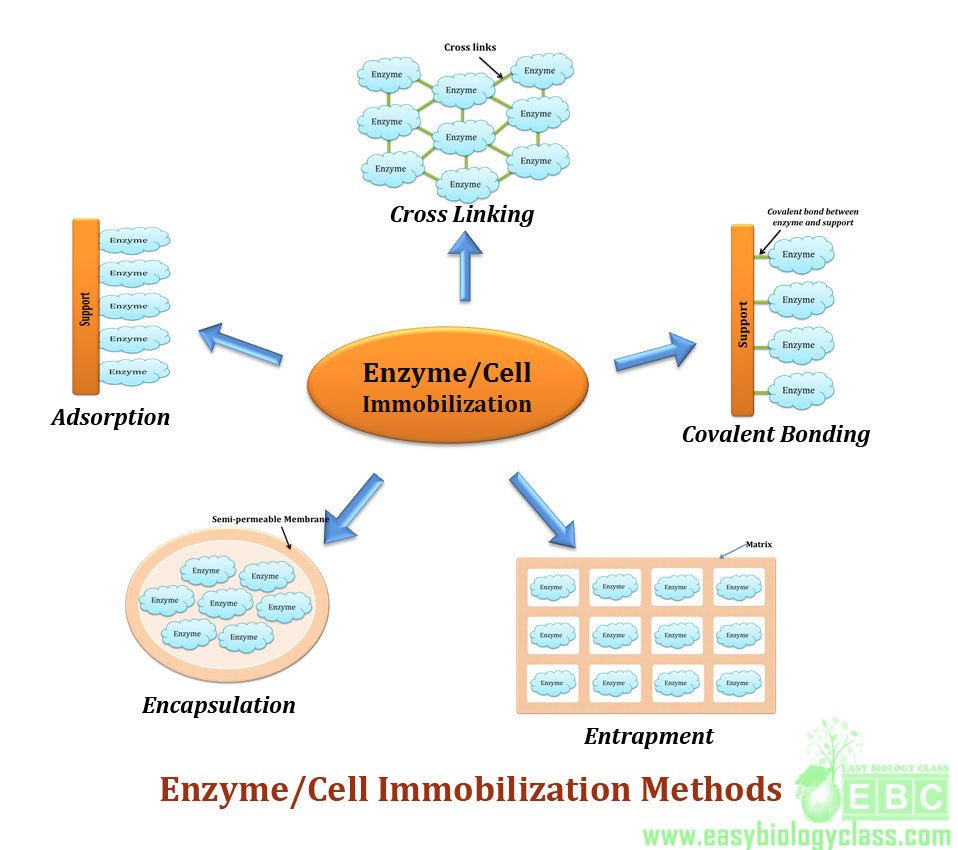
The choice of immobilization method and support material plays a critical role in determining the success of rennin immobilization. Common methods include entrapment, covalent binding, and adsorption. Each method has its own set of advantages and limitations. For example, immobilizing rennin on starch gel layers within a tubular cellulose/starch composite has been shown to enhance activity for specific cheese types like Feta. The selection of the support material must balance factors such as biocompatibility, mechanical strength, and minimal interference with enzyme function to optimize performance.
Scale-Up and Reusability
Scaling up the immobilization process from laboratory-scale to industrial applications presents significant challenges. Achieving uniform immobilization across large volumes requires robust process control and reproducible methods. Moreover, ensuring the reusability of immobilized rennin without significant loss of activity is essential for economic viability. Factors such as enzyme leaching, reduced stability over multiple cycles, and maintenance of catalytic efficiency must be addressed to make immobilized rennin a practical option for large-scale operations.
Regulatory and Compliance Issues
Food Safety Regulations
Utilizing immobilized rennin in food production, particularly in cheese making, necessitates strict adherence to food safety regulations set by authorities such as the FDA and EFSA. Regulatory bodies require comprehensive safety testing to ensure that immobilized enzymes do not leach into the food product, maintaining the purity and safety of the final product. Additionally, the immobilization supports and any chemicals used in the process must be proven safe for food contact. Achieving compliance involves meticulous documentation and validation of the immobilization process to meet all safety standards.
Quality Assurance and Good Manufacturing Practices (GMP)
Adhering to Good Manufacturing Practices is vital in the production of immobilized rennin to ensure consistency, purity, and absence of contaminants. Quality assurance protocols must encompass all stages of enzyme production, immobilization, and application. This includes rigorous testing of source materials, meticulous control of processing conditions, and comprehensive stability testing. Proper documentation and traceability are also essential to satisfy regulatory audits and compliance checks, ensuring that the immobilized enzymes meet the required quality standards.
Environmental Considerations
The production and disposal of immobilized enzymes must comply with environmental regulations to minimize ecological impact. This involves managing waste products, including spent immobilization supports and any chemical reagents used in the immobilization process. Developing eco-friendly immobilization methods and sustainable practices for waste disposal are increasingly important, not only for regulatory compliance but also for enhancing the environmental sustainability of enzyme production processes.
Intellectual Property
The biotechnology sector is heavily influenced by intellectual property rights, which can pose challenges in the development and commercialization of immobilized rennin. Patent protection for specific immobilization methods or enzyme formulations can restrict market entry and increase costs due to licensing fees. Navigating the intellectual property landscape requires strategic planning to secure necessary rights and avoid infringement, which is crucial for the successful deployment and market penetration of immobilized rennin technologies.
Economic Viability
Cost of Immobilization Processes
The economic feasibility of using immobilized rennin hinges on the costs associated with the immobilization process. This includes expenses for support materials, reagents, and the immobilization technique itself. High initial costs can impede the widespread adoption of immobilized enzymes, especially if the cost savings from enzyme reuse and increased stability do not offset the investment. Optimizing the immobilization process to reduce costs while maintaining enzyme performance is essential to enhance economic viability.
Process Integration and Operational Costs
Integrating immobilized rennin into existing production lines may require significant modifications to equipment and processes. This includes adapting to new operational conditions, training personnel, and potential downtime during the transition period. Additionally, ongoing operational costs such as maintenance, energy consumption, and potential inefficiencies introduced by the immobilization process must be factored into the overall economic assessment. Developing cost-effective integration strategies is crucial to minimize operational expenses and maximize the return on investment.
Return on Investment versus Conventional Methods
Comparing the return on investment (ROI) of immobilized rennin with conventional soluble enzyme systems is critical in determining its economic viability. While immobilized enzymes offer benefits such as continuous processing and enzyme reuse, these advantages must be weighed against the higher initial setup costs. Economic models that assess factors like enzyme longevity, process efficiency, and cost-savings from reduced enzyme consumption are necessary to justify the adoption of immobilized rennin over traditional methods.
Table: Comparison of Immobilization Methods for Rennin Enzymes
| Immobilization Method | Advantages | Disadvantages | Cost Implications |
|---|---|---|---|
| Entrapment | Simple process, protection from harsh conditions | Potential diffusion limitations, reduced activity | Moderate cost, depending on support material |
| Covalent Binding | Strong attachment, minimal enzyme leaching | Possible denaturation, higher complexity | Higher cost due to reagents and processing |
| Adsorption | Easy and cost-effective, reversible binding | Higher risk of enzyme leaching, less stable | Lower initial cost, potential higher replacement costs |
| Composite Supports | Enhanced activity, tailored properties | Complex fabrication, variable performance | Higher cost due to specialized materials |
Market Acceptability
Consumer Perception and Acceptance
Consumer acceptance of products processed with immobilized rennin is influenced by perceptions of safety, naturalness, and quality. In the food industry, especially in dairy products like cheese, consumers are increasingly seeking transparency in production methods. Clear communication about the safety and benefits of using immobilized enzymes is essential to build trust and acceptance. Additionally, labeling that highlights the non-GMO nature or natural processing methods can enhance consumer confidence in products made with immobilized rennin.
Competitive Positioning
Immobilized rennin competes with traditional soluble enzymes and alternative processing technologies. To achieve market acceptance, immobilized enzymes must offer clear advantages such as improved process efficiency, cost savings, or enhanced product quality. Demonstrating these benefits through pilot studies, market research, and tangible performance improvements is crucial for gaining favor among producers and end-consumers. Effective competitive positioning involves highlighting the unique value propositions that immobilized rennin brings to the table.
Industry Adoption and Standards
The adoption of immobilized rennin by industries depends on its alignment with established industry standards and best practices. Collaborating with major food producers and adhering to industry-recognized quality benchmarks can facilitate broader acceptance. Additionally, ensuring that immobilized rennin technologies are compatible with existing production infrastructures and can be seamlessly integrated without significant disruptions enhances their attractiveness to potential adopters.
Conclusion
The utilization of immobilized rennin enzymes in industrial applications, particularly in cheese production, presents a multifaceted array of challenges and opportunities. Technical hurdles such as maintaining enzyme activity and stability, selecting appropriate immobilization methods, and scaling up processes are significant but addressable with continued research and innovation. Regulatory compliance is non-negotiable, requiring stringent adherence to food safety and environmental standards, as well as meticulous quality assurance practices. Economically, the high costs associated with immobilization must be balanced against potential benefits like enzyme reusability and improved process efficiency to establish financial viability. Market acceptance hinges on effective communication of safety and quality benefits to consumers, alongside demonstrating clear competitive advantages over traditional methods. Ultimately, the successful integration of immobilized rennin into industrial processes demands a synergistic approach that encompasses biochemical engineering, regulatory compliance, economic strategy, and market-focused initiatives.
References
Last updated February 12, 2025