
Impressionism in Architecture
Exploring how light, color, and human perception shape innovative architectural design
Key Highlights
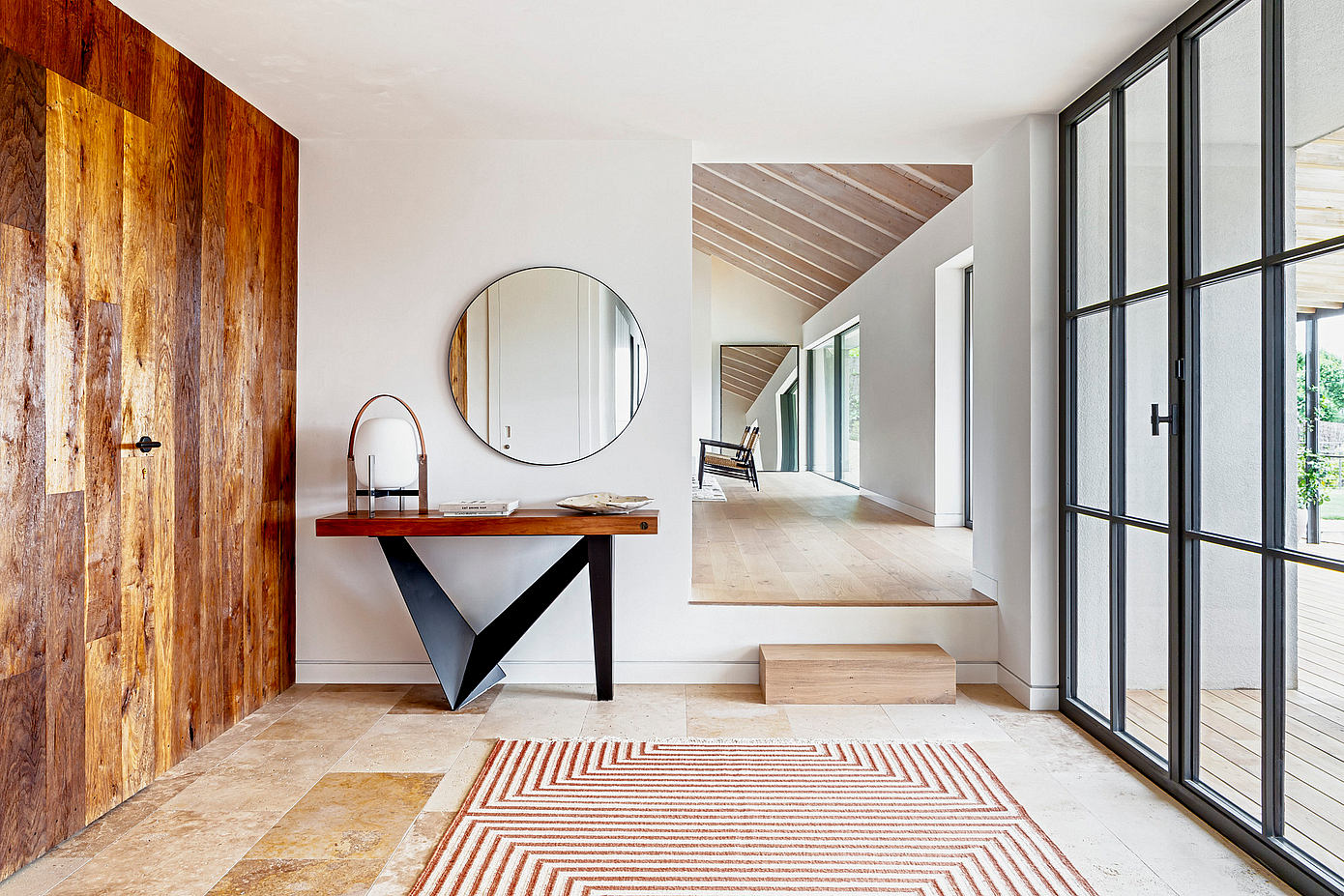
- Emphasis on Natural Light: Large windows and open spaces harness light to evoke dynamic atmospheres.
- Integration with Nature: Architectural designs blend indoor and outdoor environments to create a seamless experience.
- Focus on Sensory Experience: Buildings are developed to capture the transient effects of color, shadow, and emotion.
Historical Context and Theoretical Foundations
Originating in 19th-century France, Impressionism is best known for its revolutionary approach to painting, where artists captured fleeting moments, light, and color. The core ideas of this movement—experimentation with light effects, a focus on the subjective experience of a moment, and the intentional avoidance of rigid traditional techniques—have resonated deeply with architects over time. While Impressionism is not identified as a formal architectural style, its underlying principles have profoundly impacted how architectural spaces are conceived and executed.
The historical context that gave birth to Impressionism in the arts was one of rapid industrialization and significant cultural change. The movement sought to record an ephemeral quality of life: the play of light over a landscape, the vibrancy of color during different times of day, and the sensations elicited by brief moments captured with immediacy. Architects found inspiration in these ideas as they began to reconsider the relationship between interior and exterior spaces. This gave rise to design approaches that prioritized open spatial configurations, fluid forms, and the integration of natural elements.
Core Characteristics of Impressionist Architecture
Emphasis on Natural Light and the Play of Color
One of the most notable aspects of Impressionist art is its focus on capturing the effects of natural light. In the realm of architecture, this translates into designing structures that not only accommodate natural light but make it a central element of the building’s character. Large, unadorned glass surfaces and strategically placed windows are commonly employed to invite sunlight and allow its movement through interior spaces. This interplay of light and shadow creates a vibrant, dynamic experience that changes throughout the day.
By placing an emphasis on light, many architects have sought to break away from the constraints of traditional design, which often emphasized static, prescribed forms. As natural light alters the appearance of color and texture, each room becomes a canvas where the shifts in brightness and hue narrate a silent story of change and transformation. This phenomenon is particularly evident in public spaces, museums, galleries, and residences that aim to evoke a sense of fluidity and balance.
Integration with the Natural Environment
A central tenet of Impressionist architecture is the seamless integration of a building with its natural environment. Inspired by Impressionist painters who captured landscapes in ways that engaged closely with nature, architects have designed buildings that appear to belong to the outdoor settings that surround them. This means employing design strategies that blur the boundaries between indoor and outdoor spaces — such as open floor plans, terraces, courtyards, and the use of natural materials like wood and stone.
The prominence of nature in architectural design is not merely aesthetic but also experiential. By harmonizing built structures with their environmental contexts, architects create spaces that evoke a calming, reflective ambiance. Landscaped gardens, water features, and organic architectural forms all contribute to a design narrative where nature is both a muse and an essential partner in the creation of living spaces.
Experiential and Sensory Architecture
Much like Impressionist artworks are known for evoking emotional responses through subtle shifts in color and light, Impressionist architecture focuses on crafting an experience that appeals to the senses. The design of a building is not solely about functionality or aesthetics, but rather about creating spaces that communicate moods, memories, and personal perceptions. Architects have increasingly emphasized tactile quality, acoustics, and the overall ambiance to transform a static structure into a dynamic sensory experience.
The experiential aspect of this approach often involves designing spaces that allow occupants to experience a range of emotions as they move through different areas. For example, a building’s entrance might capture the warmth of a sunrise, while internal settings might emulate the transient quality of a dusky evening. Such variance in lighting, spatial volumes, and material texture intensely engages individuals, ensuring that each passage through the building is a distinct and memorable event.
A Departure from Traditional Norms
The movement away from historical architectural conventions mirrors the rebellion against established forms seen in Impressionist painting. Traditional architectural styles often adhered to strict symmetry, classical orders, and fixed aesthetic forms. In contrast, Impressionist-inspired designs reject these rigid norms in favor of more fluid compositions. There is an inherent flexibility in such designs, which is evidenced by multifunctional spaces and adaptable structures that easily respond to evolving needs.
This departure from tradition often results in buildings that feature unconventional shapes, asymmetrical forms, and innovative use of raw materials. The adaptation to flexible design principles not only highlights modernity but also caters to the diverse and changing needs of contemporary lifestyles. The transformation of traditional design into something more experimental and interpretive gives architects the freedom to explore human perception in architecture.
Comparative Overview: Impressionism in Art and Architecture
| Aspect | Impressionism in Art | Impressionism in Architecture |
|---|---|---|
| Key Focus | Transient effects of light, fleeting moments, and color perception | Creation of dynamic spaces that harness light, color, and the essence of nature |
| Technique | Brush strokes, color blending, capturing atmospheric conditions | Open designs, large windows, fluid forms, natural material integration |
| Experience | Emotional engagement through visual impressions | Multisensory experience engaging light, texture, acoustics, and spatial dynamics |
| Historical Impact | Rejection of traditional academic art norms | Break from rigid architectural forms to embrace modern, adaptive structures |
| Nature & Environment | Depiction of natural landscapes and their ephemeral qualities | Integration with natural surroundings and a blend of indoor-outdoor spaces |
Architectural Applications and Real-World Examples
Modern Applications of Impressionist Principles
In contemporary architecture, the appreciation for natural light and a seamless integration with the environment has manifested in a variety of design strategies. Modern structures, including museums, galleries, residential complexes, and public spaces, can be seen implementing principles that echo the fluidity and ephemeral qualities of Impressionist art.
One illustrative trend is the increasing utilization of glass and open floor plans to maximize natural illumination. This design ethos not only reduces dependency on artificial lighting but also creates lively environments where the architectural space continuously evolves in response to varying weather conditions and time of day. For instance, cultural centers and art museums often design exhibition spaces that change character over the course of the day, much like the shifting hues in an Impressionist painting.
Residential and Commercial Designs
The Impressionist approach to architecture is also evident in residential and commercial projects that prioritize occupant well-being and environmental responsiveness. In residential design, large windows, sliding doors, and open courtyards allow dwellers to experience natural light as a dynamic component of daily life. This interaction with nature is considered therapeutic, contributing to a sense of calm and well-being.
In commercial spaces, the same principles help create inviting and stimulating environments that enhance creativity and productivity. Offices and retail spaces designed with an emphasis on flexibility and natural integration not only reflect progressive design values but also foster a unique ambiance that can inspire innovation.
Adaptive Reuse and Flexible Structures
Adaptive reuse—a concept that involves the repurposing of existing buildings for new functions—has also embraced Impressionist design principles. As many older structures are retrofitted, architects increasingly incorporate new elements such as expansive glass installations, open-plan renovations, and eco-friendly materials that highlight natural light. This combination of old and new not only preserves historical integrity but also imbues traditional settings with a modern, vibrant character reminiscent of Impressionist ideals.
Flexible structures that can easily be reconfigured for varied uses further demonstrate the influence of Impressionism in architecture. These designs underscore a commitment to innovation and adaptability, ensuring that the buildings remain functional as user needs evolve over time.
Design Innovations and Future Directions
Exploration of New Materials and Technologies
The drive to capture the transient beauty of natural phenomena has fueled innovation in architectural materials and technologies. Today’s architects experiment with smart glass, dynamic facades, and sustainable building materials that interact with the environment in unique ways. For example, smart windows can adjust their opacity in response to sunlight, thereby controlling interior lighting conditions automatically. This directly mirrors the Impressionist focus on capturing variable light conditions.
Furthermore, computational design techniques and digital fabrication methods allow architects to create complex structures whose forms shift and adapt. By leveraging these technologies, designers can manipulate surface textures, curvature, and spatial configurations to evoke the spontaneous character of Impressionist art. This capacity for innovation promises to bridge the gap between tradition and modernity in architectural practice.
Environmental and Sustainable Considerations
An ever-growing emphasis on sustainability in architecture is also resonant with the Impressionist ethos of harmonizing with nature. Many contemporary architects seek to design eco-friendly buildings that not only conserve energy but also enhance occupant connectivity with the natural world. The integration of green roofs, solar panels, and passive design strategies are some of the ways in which natural elements are incorporated, allowing buildings to perform more efficiently while offering an immersive aesthetic experience.
These sustainable practices are increasingly being paired with design innovations to create structures that are both visually striking and environmentally responsible. The use of locally sourced materials, energy-efficient systems, and biomimetic designs embodies a commitment to ecological balance—a principle that echoes the Impressionist reverence for the natural world.
Synthesis: Merging Art and Architecture
Intuitive Design Approaches
At its core, the fusion of Impressionist principles with architectural design is about embracing subjectivity and the impermanence of experience. It is an invitation to perceive buildings not merely as static monuments but as evolving entities that change with the passage of time, weather variations, and human interaction. This transformative approach encourages architects to harness both technical innovation and artistic intuition.
The intuitive design process involves a deep understanding of how individuals interact with spaces. By acknowledging the fluidity of time and the emotional resonance of light and color, architects can create environments that are at once functional, aesthetic, and deeply human. The result is an architecture that speaks to the collective memory and modern sensibilities of its users.
The Legacy and Impact of Impressionist Architecture
Although Impressionism as an art movement was considered radical during its inception, its influence has permeated various aspects of creative expression, including architecture. The legacy of Impressionism in architecture is seen today in how buildings are conceptualized, designed, and experienced. From capturing the nuances of natural light to seamlessly integrating indoor and outdoor spaces, the ethos of Impressionist design continues to inspire innovative ideas and challenge conventional architectural paradigms.
This integration serves as a reminder that architecture, like any form of art, is subject to continual evolution. As technological advances and cultural shifts take root, new interpretations of traditional principles emerge. The interplay of historical inspiration and futuristic innovation paves the way for spaces that are not only beautiful but emotionally engaging and environmentally conscious.
References
- Influence of Impressionism in Architecture - Re-thinking the Future
- Architectural Impressionism - ArchiObjects
- The Intersection of Architecture and Impressionism - Prezi
- Impressionism in Architecture: Design Principles - Georgia Tech Repository
- Impressionism Art - Britannica
Recommended Related Queries
 artistcoveries.wordpress.com
Last updated March 6, 2025