
Unlock Better Cholesterol Numbers: Beyond Reducing Saturated Fat
Tailored strategies for a 39-year-old female aiming to optimize borderline LDL and low HDL levels.
It's excellent that you're actively managing your cholesterol by limiting saturated fat intake to under 11 grams per day. With an LDL of 115 mg/dL (borderline high), an HDL of 40 mg/dL (considered low for women, ideally >60 mg/dL), and normal triglycerides, focusing on additional lifestyle adjustments can significantly improve your lipid profile and support long-term heart health. Here’s a comprehensive guide integrating evidence-based strategies.
Key Highlights for Improving Your Lipid Profile
- Dietary Power-Ups: Focus on significantly increasing your intake of soluble fiber (found in oats, beans, apples) and replacing any remaining saturated fats with healthy unsaturated fats (like those in olive oil, avocados, nuts, and fatty fish).
- Movement Matters: Incorporate regular physical activity, aiming for at least 150 minutes of moderate-intensity aerobic exercise weekly, complemented by strength training sessions.
- Holistic Health Habits: Prioritize achieving and maintaining a healthy weight, quit smoking if applicable, and practice moderation if consuming alcohol (no more than one drink per day for women).
Elevate Your Diet: Strategic Food Choices
Building upon your success in reducing saturated fat, specific dietary changes can further enhance your cholesterol management efforts. Focus on incorporating foods known to lower LDL ("bad" cholesterol) and potentially raise HDL ("good" cholesterol).
Boost Your Soluble Fiber Intake
Soluble fiber acts like a sponge in your digestive system, binding to cholesterol and preventing its absorption into the bloodstream. Aiming for a high intake can lead to noticeable reductions in LDL cholesterol. Excellent sources include:
- Oats and Oatmeal
- Barley
- Beans and Lentils
- Apples, Pears, Oranges, Berries
- Brussels Sprouts, Eggplant, Okra
- Psyllium husk supplements (consult your doctor first)
A bowl of oatmeal topped with berries and nuts is a great source of soluble fiber.
Embrace Healthy Unsaturated Fats
Replacing saturated and trans fats with monounsaturated and polyunsaturated fats is crucial. These healthier fats help lower LDL cholesterol, and some may contribute to raising HDL levels. Good sources include:
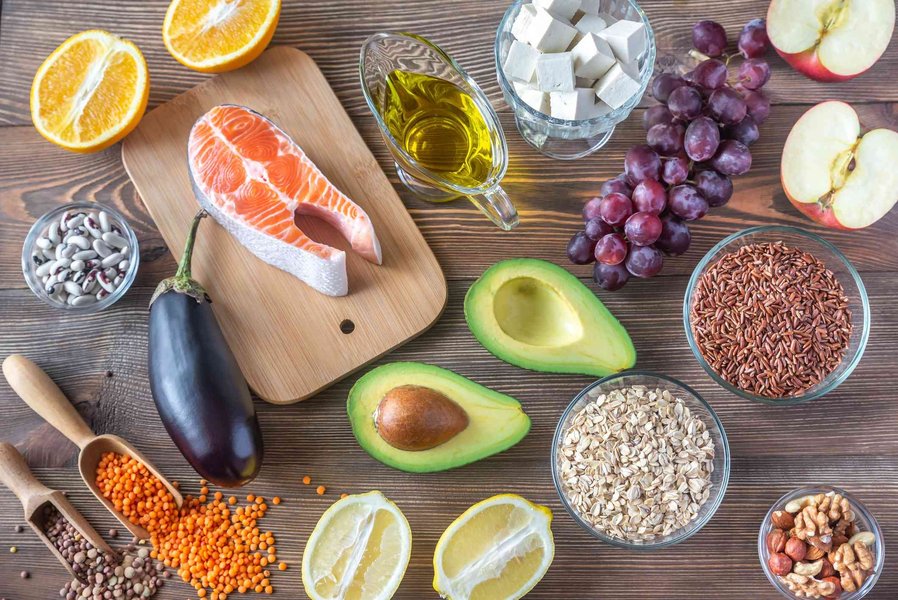
- Monounsaturated Fats: Olive oil, canola oil, peanut oil, avocados, almonds, pecans, hazelnuts.
- Polyunsaturated Fats (including Omega-3s): Fatty fish (salmon, mackerel, herring, tuna), walnuts, flaxseeds, chia seeds, sunflower oil, soybean oil.
Incorporate sources of healthy fats like fish, avocados, nuts, and olive oil into your diet.
Harness the Power of Plant Sterols and Stanols
These naturally occurring plant compounds have a structure similar to cholesterol and work by blocking cholesterol absorption in your gut. Consuming foods fortified with sterols and stanols (like certain margarines, orange juices, or yogurts) or taking supplements can lower LDL cholesterol by up to 10%.
Prioritize Whole Foods and Limit Processed Items
A diet rich in whole, unprocessed foods naturally supports heart health. Focus on:
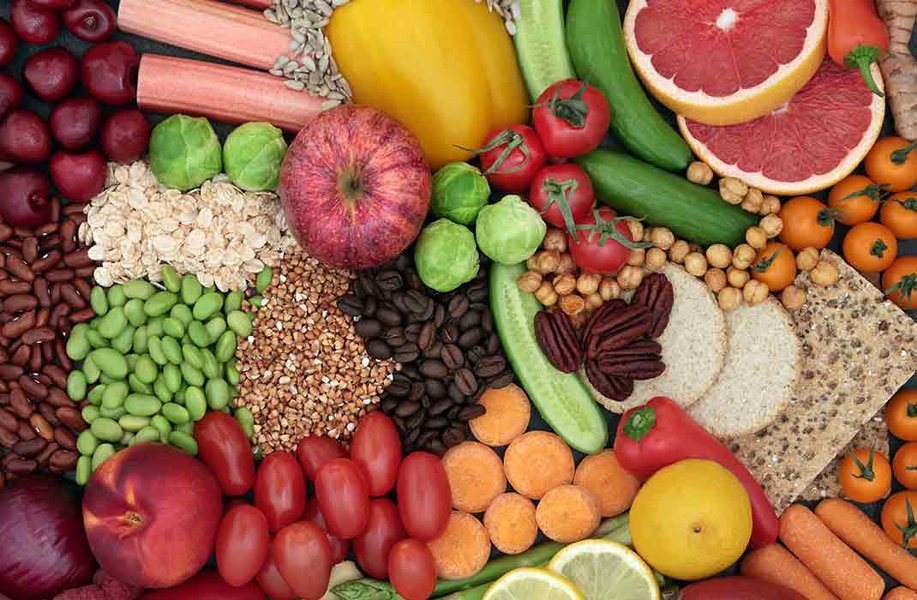
- Fruits and vegetables (aim for variety and color)
- Whole grains (brown rice, quinoa, whole wheat bread/pasta)
- Legumes (beans, lentils, peas)
- Lean proteins (poultry, fish, tofu)
Simultaneously, minimize intake of processed foods, sugary drinks, and items containing trans fats (often listed as "partially hydrogenated oils"). Trans fats raise LDL and lower HDL, directly counteracting your goals.
Smart Eating Habits
Portion Control
Be mindful of portion sizes, as consuming excess calories, even from healthy foods, can lead to weight gain, negatively impacting cholesterol levels.
Reduce Added Sugars
High sugar intake can contribute to lower HDL levels and higher triglycerides (though yours are currently normal, it's good practice). Limit sugary beverages, desserts, and processed foods with added sugars.
Heart-Healthy Food Swaps and Additions
This table provides practical examples of how to incorporate more cholesterol-friendly foods into your diet:
| Category | Eat More Of | Limit / Avoid |
|---|---|---|
| Grains | Oatmeal, barley, brown rice, quinoa, whole-wheat bread/pasta | White bread, pastries, sugary cereals, refined pasta |
| Fats & Oils | Olive oil, avocado oil, nuts (walnuts, almonds), seeds (flax, chia), avocados | Butter, lard, coconut oil, palm oil, partially hydrogenated oils (trans fats) |
| Protein | Fatty fish (salmon, tuna), skinless poultry, beans, lentils, tofu | Fatty red meats, processed meats (sausages, bacon), full-fat dairy |
| Vegetables | Leafy greens, broccoli, carrots, eggplant, okra (wide variety) | Fried vegetables, vegetables in creamy sauces |
| Fruits | Apples, berries, oranges, pears (wide variety) | Fruits canned in heavy syrup, excessive fruit juice |
| Snacks | Handful of nuts, plain yogurt with fruit, air-popped popcorn, vegetables with hummus | Chips, cookies, crackers, candy, ice cream |
Optimize Your Lifestyle for Heart Health
Diet is a cornerstone, but other lifestyle factors play a vital role in managing cholesterol levels effectively.
Get Moving: The Power of Exercise
Regular physical activity is one of the most effective non-dietary ways to improve cholesterol. It helps lower LDL and triglycerides while significantly boosting beneficial HDL levels. Exercise also aids in weight management and reduces overall cardiovascular risk.
- Aerobic Activity: Aim for at least 150 minutes of moderate-intensity aerobic exercise (like brisk walking, jogging, cycling, swimming, dancing) spread throughout the week. Alternatively, 75 minutes of vigorous-intensity activity works too.
- Strength Training: Incorporate resistance exercises (using weights, bands, or bodyweight) at least two days per week to build muscle mass, which can improve metabolic health.
Even small increases in activity, like taking the stairs or walking during breaks, contribute positively.

Regular exercise like jogging can significantly improve HDL cholesterol levels.
Cholesterol Management Insights Video
Understanding the basics of cholesterol and how lifestyle changes impact it can be motivating. This video from the Cleveland Clinic provides valuable insights from a medical expert on managing cholesterol effectively.
The video discusses the roles of LDL and HDL cholesterol, the importance of diet (specifically mentioning reducing saturated fats and incorporating fiber), the benefits of exercise, and when medication might be considered, aligning well with the strategies discussed here.
Achieve and Maintain a Healthy Weight
If you are carrying excess weight, particularly around the abdomen, losing even a modest amount (5-10% of your body weight) can lead to significant improvements in your cholesterol profile, including lowering LDL and raising HDL. Combine dietary changes with regular exercise for sustainable weight management.
Address Other Key Factors
Smoking Cessation (If Applicable)
Smoking damages blood vessels and lowers HDL cholesterol. Quitting is one of the most impactful actions you can take for your heart health. Benefits, including improvements in HDL, can be seen relatively quickly after stopping.
Moderate Alcohol Consumption
Light to moderate alcohol intake (defined as up to one drink per day for women) has been linked to higher HDL levels in some studies. However, the benefits aren't strong enough to recommend starting drinking if you don't already. If you do drink, do so in moderation, as excessive alcohol can raise triglycerides and blood pressure and contribute to weight gain.
Visualizing Your Cholesterol Management Strategy
Mindmap of Key Strategies
This mindmap provides a visual overview of the multi-faceted approach recommended for improving your cholesterol profile:
(LDL: 115, HDL: 40)"] id1["Dietary Adjustments"] id1a["Reduce Saturated Fat
(<11g/day - Current Action)"] id1b["Increase Soluble Fiber
(Oats, Beans, Apples)"] id1c["Increase Unsaturated Fats
(Olive Oil, Avocado, Nuts, Fish)"] id1d["Add Plant Sterols/Stanols"] id1e["Prioritize Whole Foods"] id1f["Limit Processed Foods & Sugar"] id1g["Control Portions"] id2["Lifestyle Changes"] id2a["Regular Exercise"] id2a1["150+ min/week Aerobic"] id2a2["Strength Training 2x/week"] id2b["Weight Management
(Aim for Healthy BMI)"] id2c["Quit Smoking
(If Applicable)"] id2d["Moderate Alcohol
(Max 1 drink/day)"] id3["Monitoring & Support"] id3a["Regular Cholesterol Checks"] id3b["Consult Healthcare Provider"] id3c["Consider Registered Dietitian"]
Relative Impact of Lifestyle Changes on Cholesterol
Different strategies can have varying degrees of impact on lowering LDL and raising HDL. This chart offers a visual representation of the potential relative effectiveness of key lifestyle interventions based on general evidence. Note that individual results can vary.
As the chart illustrates, actions like increasing soluble fiber and adding plant sterols tend to have a strong impact on lowering LDL. Exercise and smoking cessation (if applicable) are particularly effective for raising HDL. A combined approach addresses both aspects of your lipid profile.
Working with Your Healthcare Provider
It's crucial to discuss these lifestyle changes with your doctor or a registered dietitian. They can provide personalized recommendations based on your complete health profile, monitor your progress through regular blood tests (typically recommended every 4-6 years for healthy adults, but potentially more often given your numbers), and determine if medication is necessary to reach optimal cholesterol levels, especially considering your age and goal of preventing future heart disease.
Frequently Asked Questions (FAQ)
How quickly can I expect to see changes in my cholesterol levels?
Significant changes in cholesterol levels through diet and lifestyle modifications can often be seen within 3 to 6 months. Consistency is key. Regular follow-up testing as advised by your doctor will track your progress.
What are the ideal cholesterol levels I should aim for?
General guidelines suggest:
- LDL Cholesterol: Less than 100 mg/dL is optimal. Yours at 115 mg/dL is borderline high.
- HDL Cholesterol: 60 mg/dL or higher is considered protective against heart disease. Yours at 40 mg/dL is low for a woman (below 50 mg/dL is considered low).
- Total Cholesterol: Less than 200 mg/dL is desirable.
- Triglycerides: Less than 150 mg/dL is normal (you mentioned yours are normal).
Your doctor will consider your individual risk factors to set personalized goals.
Are dietary supplements like fish oil or red yeast rice helpful?
Some supplements may offer benefits, but their effectiveness and safety vary. Omega-3 fatty acids (often from fish oil) primarily help lower triglycerides but have minimal impact on LDL/HDL. Red yeast rice contains a substance similar to statin medications and can lower LDL, but quality control can be an issue, and it can have side effects similar to statins. Plant sterol/stanol supplements are proven to lower LDL. Always discuss any supplements with your doctor before starting, as they can interact with medications or have side effects.
If lifestyle changes aren't enough, what's the next step?
If, after consistently implementing lifestyle changes for several months, your LDL cholesterol remains above your target goal, or if your overall cardiovascular risk is considered high, your doctor may discuss medication options, such as statins. These medications are very effective at lowering LDL cholesterol. The decision to start medication is individualized and based on your specific levels, risk factors, and response to lifestyle efforts.
Recommended Next Steps
Explore these related topics for deeper insights:
- What are some specific meal plans designed to lower LDL and raise HDL cholesterol?
- Which types of exercise are most effective for specifically improving HDL cholesterol?
- How exactly do plant sterols and stanols work to lower cholesterol absorption?
- Can stress levels or poor sleep affect my cholesterol numbers?
References
Last updated May 4, 2025