
Unlock Deeper Meditation: Your Path to Enhanced Practice and Inner Peace
Discover proven techniques and mindsets to deepen your focus, cultivate calm, and heighten self-awareness through consistent meditative practice.
Essential Insights for Meditators
- Consistency Over Duration: Establishing a regular, even brief, daily meditation practice is more impactful for long-term progress than sporadic, lengthy sessions.
- Mind Wandering is Natural: Treat a wandering mind not as a setback, but as an integral part of the training. Gently redirecting your focus is where the "work" of meditation lies.
- Explore and Adapt: Experiment with various meditation techniques to find what resonates best with your personal needs, preferences, and lifestyle, allowing your practice to evolve.
Building a Solid Foundation for Your Practice
Becoming a better meditator is a journey of self-discovery and refinement. Like any skill, improvement comes with consistent effort and understanding the core principles. Laying a strong foundation is crucial for a fulfilling and sustainable meditation practice.
The Power of a Consistent Routine
Embracing Daily Practice
The cornerstone of advancing your meditation skills is consistency. Experts and experienced meditators universally emphasize that meditating daily, even for short periods, yields greater benefits than infrequent, long sessions. Aim to establish a rhythm that integrates seamlessly into your life.
- Start Small: Begin with manageable durations, such as 2-5 minutes per day. This helps build the habit without feeling overwhelming. As you become more comfortable, you can gradually increase the time by a minute or two each week, working towards 10-20 minutes or longer.
- Choose a Regular Time: Meditating at the same time each day helps solidify it as a habit. Many find mornings ideal, as the mind is often quieter, but any time that works for your schedule can be effective. The key is predictability.
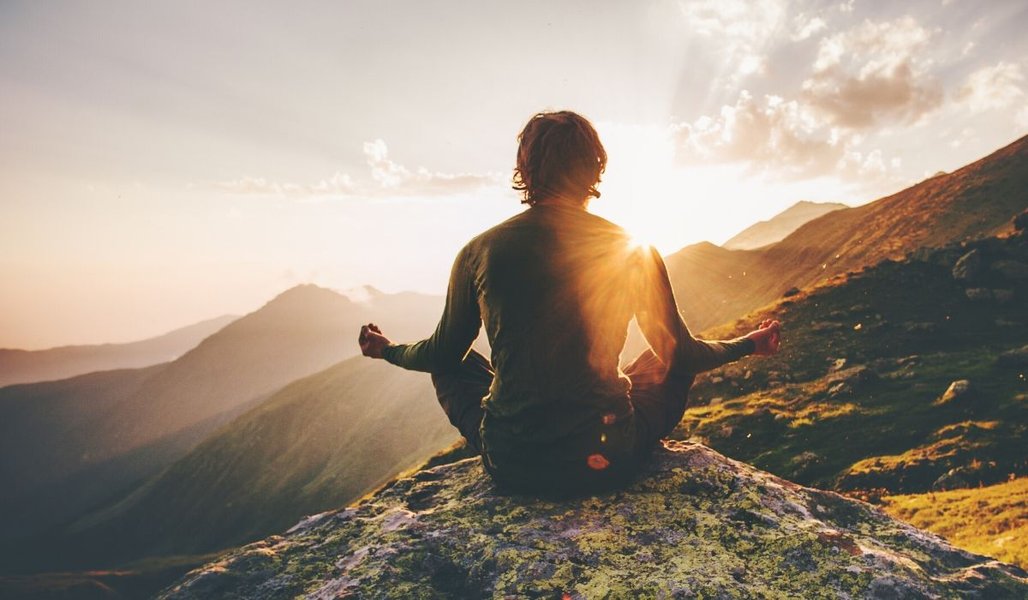
A serene outdoor space can enhance the meditation experience.
Crafting Your Ideal Meditation Environment
Creating a Sanctuary for Stillness
While meditation can technically be done anywhere, creating a dedicated space can significantly enhance your practice, especially in the beginning. This space signals to your mind that it's time to turn inward.
- Find a Quiet Spot: Choose a location where you are unlikely to be disturbed. This could be a corner of a room, a specific chair, or even an outdoor area if conditions permit.
- Ensure Comfort: Your physical comfort is important. Ensure the temperature is pleasant and you have appropriate seating (cushion, bench, or chair).
- Minimize Distractions: Turn off notifications on your phone and inform household members, if necessary, that you need uninterrupted time.
Adopting a Supportive Posture
Balancing Alertness and Relaxation
Your posture plays a vital role in meditation. The aim is to find a position that allows you to remain alert and focused, yet comfortable and relaxed enough to sustain for the duration of your session.
- Sit Comfortably: Most traditions recommend a seated posture. You can sit cross-legged on a cushion on the floor, on a meditation bench, or upright in a chair with your feet flat on the floor.
- Maintain a Straight Spine: Keep your back straight but not rigid. Imagine a string gently pulling you up from the crown of your head. This promotes alertness and allows energy to flow freely.
- Relax Your Body: Allow your shoulders to drop, your jaw to soften, and your hands to rest comfortably in your lap or on your knees. Your eyes can be gently closed or softy focused a few feet in front of you.
Mastering the Meditative Mind
The essence of meditation lies in training the mind. This involves learning to direct your attention, observe your thoughts without judgment, and cultivate a compassionate inner stance.
Meditation can be seen as strength training for the mind.
The Art of Focused Attention
Choosing and Returning to Your Anchor
A central element in many meditation practices is the use of an anchor – a point of focus for your attention. This helps to stabilize the mind.
- The Breath as an Anchor: The breath is a commonly used anchor because it's always present and its rhythm is naturally calming. You can focus on the sensation of air entering and leaving your nostrils, the rise and fall of your chest or abdomen.
- Other Anchors: If the breath doesn't work for you, other anchors can include a mantra (a repeated word or phrase), a sound in your environment, a visual point, or physical sensations in the body.
Navigating the Landscape of Your Thoughts
Understanding Mind Wandering
It is a fundamental truth of meditation: your mind will wander. Thoughts, emotions, sensations, and memories will arise. This is not a sign of failure; it's the nature of the mind.
- Acknowledge and Return: When you notice your mind has drifted, gently acknowledge where it went without judgment or frustration. Then, softly guide your attention back to your chosen anchor. This act of noticing and returning is the core of mental training in meditation.
- The Goal Isn't an Empty Mind: Many beginners believe the goal of meditation is to stop thinking or achieve a completely blank mind. Instead, meditation is about becoming more aware of your thoughts and learning to relate to them differently, with less reactivity.
Cultivating Self-Compassion in Practice
Being Kind to Yourself
Approach your meditation practice with an attitude of kindness, patience, and curiosity. Self-criticism can be a significant obstacle to progress.
- Gentle Approach: Be gentle with yourself when you get distracted or find a session challenging. Avoid judging your meditations as "good" or "bad."
- Friendly Attitude: Cultivate a friendly and accepting stance towards whatever arises in your mind. This fosters a sense of inner ease and supports deeper mindfulness.
Exploring and Deepening Your Practice
Once you've established a foundational practice, you can explore different techniques and integrate mindfulness more broadly into your life to continue your growth as a meditator.
A Spectrum of Meditation Techniques
There isn't a one-size-fits-all approach to meditation. Exploring various styles can help you find what resonates most deeply and effectively for you. Below is a comparison of some common techniques:
| Technique | Focus | Primary Benefit | Best For... |
|---|---|---|---|
| Mindfulness Meditation | Breath, bodily sensations, thoughts, emotions (observing without judgment) | Increased present moment awareness, stress reduction | General well-being, developing presence, managing daily stress |
| Body Scan Meditation | Systematically focusing attention on different parts of the body, noticing sensations | Enhanced body awareness, deep relaxation, grounding | Releasing physical tension, improving sleep, connecting with the body |
| Loving-Kindness (Metta) Meditation | Cultivating feelings of warmth, kindness, and compassion towards oneself and others | Increased positive emotions, empathy, reduced self-criticism | Improving relationships (with self and others), emotional healing |
| Walking Meditation | Sensations of walking (feet on ground, movement of legs), often synchronized with breath | Mindful movement, focus, integrating mindfulness into activity | Those who find sitting still challenging, active individuals, short breaks |
| Guided Meditation | Following verbal instructions from a teacher or recording | Structure, ease of starting, introduction to various techniques | Beginners, exploring new methods, when needing extra support or direction |
Experimenting with these can enrich your practice and provide new avenues for insight and calm.
Setting Clear Intentions
Understanding Your "Why"
Before you begin a meditation session, it can be helpful to set an intention. This doesn't have to be a lofty goal, but rather a gentle reminder of why you are practicing. It could be to cultivate calm, increase focus, practice self-compassion, or simply to be present. Recalling your intention can provide motivation, especially when you encounter challenges like restlessness or boredom.
Integrating Mindfulness into Everyday Life
Beyond Formal Sessions
Meditation isn't just about the time you spend on the cushion. The awareness and skills cultivated during formal practice can be extended into your daily activities. Practicing mindfulness while eating, walking, listening, or performing routine tasks can profoundly deepen your overall awareness and make your formal meditation sessions more effective.
Visual Interlude: Comparing Meditation Approaches
Different meditation techniques offer varied pathways to mindfulness and well-being. The radar chart below provides a comparative overview of several common meditation styles based on key characteristics. This is a subjective interpretation to help illustrate the diverse nature of these practices. The scores range from 3 (lower emphasis/easier) to 10 (higher emphasis/more demanding or impactful), with a minimum axis value of 2 for clarity.
This chart illustrates how different techniques might emphasize various aspects of meditative development. For instance, Guided Meditation scores high on 'Ease for Beginners' and 'Accessibility', while Mindfulness Meditation might be perceived as stronger for 'Focus Development' and 'Stress Reduction Potential' over time with consistent practice.
Visualizing Your Path: Key Elements to Meditation Mastery
The journey to becoming a better meditator involves integrating various principles and practices. This mindmap offers a visual summary of the core components that contribute to a deeper and more effective meditation experience.
(Daily Practice)"] id1b["Patience
(Gradual Progress)"] id1c["Non-Judgment
(Acceptance of Thoughts)"] id1d["Self-Compassion"] id2["Essential Practices"] id2a["Focus on Anchor
(e.g., Breath, Mantra)"] id2b["Mindful Breathing"] id2c["Supportive Posture
(Alert yet Relaxed)"] id2d["Gentle Redirection
(When Mind Wanders)"] id3["Exploring Techniques"] id3a["Mindfulness Meditation"] id3b["Body Scan"] id3c["Loving-Kindness (Metta)"] id3d["Walking Meditation"] id3e["Guided Meditations"] id4["Mindset & Approach"] id4a["Setting Intentions
(Clarifying Your 'Why')"] id4b["Integrating Mindfulness
into Daily Life"] id4c["Curiosity & Openness"] id5["Overcoming Challenges"] id5a["Managing Distractions"] id5b["Addressing Restlessness"] id5c["Coping with Sleepiness"] id5d["Handling Impatience"] id6["Resources & Support"] id6a["Meditation Apps & Timers"] id6b["Books & Articles"] id6c["Meditation Groups/Communities"] id6d["Teachers & Courses"]
This mindmap highlights the interconnectedness of establishing a routine, choosing appropriate techniques, cultivating the right mindset, and utilizing available support systems to enhance your meditation journey.
Video Guide: Getting Started with Meditation
For those looking for a visual and auditory guide, many excellent resources are available. The video below offers a clear introduction to meditation for beginners, covering fundamental concepts and practical steps to start your practice. It emphasizes simplicity and accessibility, which are key for building a sustainable habit.
"How To Meditate For Beginners" - a helpful visual guide to begin your practice.
This video can be a great companion as you begin or seek to refine your meditation techniques, offering practical tips that align with the principles discussed here, such as focusing on the breath and adopting a non-judgmental attitude towards thoughts.
Tools and Support for Your Journey
You don't have to navigate the path of meditation alone. Numerous tools and resources can support and enhance your practice.
Leveraging Guided Meditations and Apps
Structured Support for Your Practice
Especially for beginners, or when exploring new techniques, guided meditations can be invaluable. Many apps (like Headspace, Calm, Insight Timer) and online platforms offer vast libraries of guided sessions covering various styles, lengths, and purposes. These can provide structure, help maintain focus, and introduce you to different approaches.
The Value of Community and Resources
Learning and Growing Together
Connecting with a community of fellow meditators, whether in person or online (e.g., forums like r/Meditation on Reddit), can offer encouragement, shared experiences, and practical advice. Books and articles by experienced meditation teachers can also deepen your understanding and provide inspiration.
Overcoming Common Hurdles
As with any skill, you may encounter challenges in your meditation practice. Recognizing these common hurdles and knowing how to address them can help you persevere.
- Restlessness or Physical Discomfort: If you feel restless, you can gently bring your attention back to your breath or try a walking meditation. For physical discomfort, ensure your posture is supportive. Small adjustments can make a big difference. It's okay to shift if needed, mindfully.
- Sleepiness: If you often feel drowsy, try meditating at a time of day when you are more alert, or sit in a more upright posture. Opening your eyes slightly can also help. Ensure you are getting adequate sleep at night.
- Impatience or Unrealistic Expectations: Meditation offers subtle, cumulative benefits. Avoid expecting dramatic results immediately. Acknowledge small shifts in your well-being and focus on the process rather than a specific outcome. Starting with very short sessions can also manage impatience.
- Boredom: If your practice feels stale, consider trying a different technique, a guided meditation on a new theme, or focusing on a different anchor. Remembering your intention for meditating can also rekindle motivation.
Frequently Asked Questions (FAQ)
What if my mind wanders constantly during meditation?
This is completely normal and a universal experience for meditators, especially beginners. The goal isn't to stop your mind from wandering, but to notice when it has wandered and gently bring your attention back to your anchor (e.g., your breath). Each time you do this, you are strengthening your "meditation muscle." Be patient and kind to yourself.
How long should I meditate for each day?
Start with a duration that feels manageable and sustainable, even if it's just 2-5 minutes. Consistency is more important than length, especially when establishing the habit. You can gradually increase the duration as you feel more comfortable, perhaps aiming for 10-20 minutes or longer over time.
Is there a "right" way to meditate?
While there are established techniques and helpful guidelines, the "right" way to meditate is ultimately what works best for you and supports your well-being. Different techniques suit different people. The key principles generally involve focused attention, non-judgmental awareness, and consistency. Feel free to experiment to find your fit.
What if I fall asleep during meditation?
Falling asleep can happen, especially if you're tired or meditating in a very relaxed posture (like lying down). If it happens occasionally, it's usually not a big issue. If it's frequent, try meditating at a time when you're more alert, ensure your posture is upright, or even keep your eyes slightly open with a soft gaze. It might also indicate you need more sleep generally.
Do I need a special cushion or quiet place to meditate effectively?
While a dedicated quiet space and comfortable cushion can be helpful and support your practice, they are not strictly necessary. You can meditate in a chair, on the floor, or even while commuting (if not driving). The most important elements are your intention and attention. The key is to minimize distractions as much as possible in your chosen environment.
Recommended Further Exploration
- What are the benefits of different meditation techniques for stress and focus?
- How can I effectively integrate mindfulness practices into my busy daily schedule?
- What are some practical tips for maintaining meditation consistency over the long term?
- How can I best use guided meditation apps to support my practice as a beginner?
References

Last updated May 17, 2025