
Transform Your Quick Notes into a Polished Professional Request
Crafting clear, concise, and effective emails for logistical arrangements like vehicle and meal coordination is crucial for smooth operations.
Key Takeaways for Effective Request Emails
- Clarity is Paramount: Use specific details, clear formatting (like bullet points), and unambiguous language to prevent misunderstandings regarding schedules and requirements.
- Maintain Professionalism: Employ formal greetings, polite language, a structured format, and a proper closing to reflect well on you and your team.
- Coordinate Effectively: Clearly state the needs, acknowledge potential variations (like flexible timing), and include a call to action (like requesting confirmation) to ensure arrangements are properly handled.
Refining Your Email Request
From Draft to Professional Communication
Your original message conveyed the basic needs, but enhancing its structure, tone, and clarity can significantly improve its effectiveness. Below is a revised version designed for professionalism and efficiency, followed by an explanation of the key improvements.
Revised Email Draft
Here is a polished version of your email request, ready to be adapted with your specific details:
Subject: Request for Vehicle Arrangement and Dinner Parcels for Tonight's Site Visit (May 2nd, 2025)
Dear Mr. Gul Bahaar,
I hope this email finds you well.
I am writing to formally request your assistance in arranging transportation and meals for Mr. Sasikumar, our Civil Quality Control (QC) team member, who will be conducting essential on-site work this evening, May 2nd, 2025.
To ensure Mr. Sasikumar's logistical needs are met, could you please arrange for a company vehicle according to the following schedule:
- Departure: From our main office to the designated site at 7:00 PM.
- Return: From the site back to the Worker Village Camp, approximately at 9:00 PM. Please note that this return time may vary slightly depending on the progress and completion of the on-site QC tasks.
Additionally, we kindly request that two (2) dinner parcels be arranged and provided. This will support Mr. Sasikumar and potentially an accompanying team member during their late working hours.
Could you please confirm if these arrangements can be made? If there are any constraints regarding vehicle availability, standard procedures for meal requests, or if further details are required from our end, please let me know at your earliest convenience so we can coordinate effectively.
Thank you for your prompt attention to this matter and your continued support in facilitating our team's operational requirements.
Best regards,
[Your Full Name]
[Your Position/Department, e.g., Project Coordinator]
[Your Company Name]
[Your Contact Number (Optional)]
[Your Email Address]
Understanding the Enhancements
Why the Revised Email is More Effective
The transformation from the original brief notes to the revised email incorporates several best practices for professional business communication, especially crucial when coordinating logistics like transport and meals for site work.
1. Clear and Informative Subject Line
The revised subject line, "Request for Vehicle Arrangement and Dinner Parcels for Tonight's Site Visit (May 2nd, 2025)", immediately tells Mr. Bahaar the email's purpose and urgency. A good subject line helps recipients prioritize their inbox and quickly grasp the context, which is vital for timely actions.
2. Professional Tone and Structure
The email now starts with a polite opening ("I hope this email finds you well.") and uses formal language throughout ("formally request your assistance," "kindly request"). It's structured logically with clear paragraphs for the introduction, vehicle details, meal request, and closing/call to action. This organized format improves readability and ensures all necessary information is presented cohesively.
3. Specificity and Clarity in Requests
Vehicle Schedule
The schedule is presented using bullet points with bolded key information (times, locations). This makes the details easy to scan and understand. Phrasing like "approximately" and "may vary slightly depending on the progress..." clearly communicates the potential flexibility needed for the return trip, managing expectations professionally.
Dinner Parcel Request
The request for "two (2) dinner parcels" is specific, removing ambiguity. Explaining the purpose ("support... during their late working hours") adds context and justification for the request. Ensuring clarity in quantity and need helps the arranging party fulfill the request accurately.
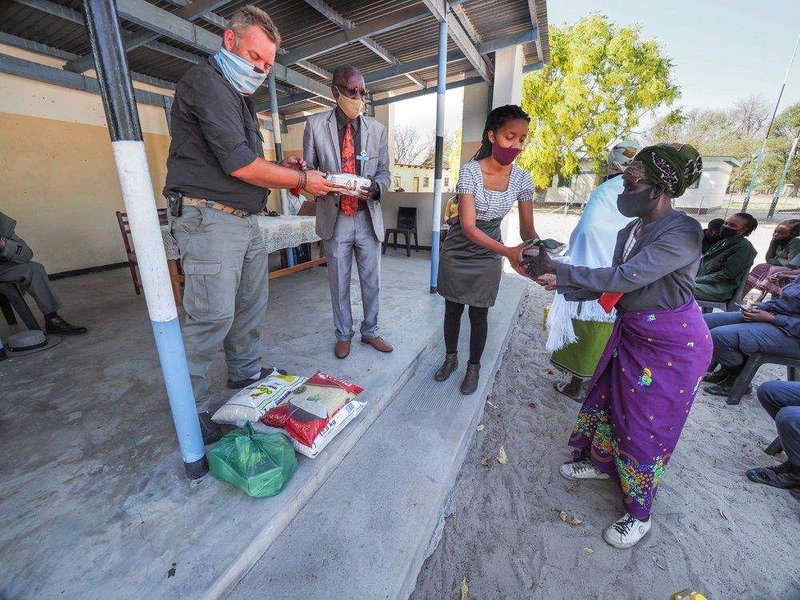
Clear requests, like specifying the number of dinner parcels needed, ensure logistical needs are met efficiently, similar to how aid organizations prepare support packages.
4. Proactive Coordination and Politeness
Asking for confirmation ("Could you please confirm...") and inviting the recipient to communicate any issues ("If there are any constraints...") facilitates smoother coordination. This proactive approach helps prevent potential problems and shows consideration for the recipient's workflow. Using polite phrases like "kindly request" and "Thank you for your prompt attention" maintains a positive professional relationship.
5. Completeness and Professional Closing
Including a full signature block with your name, position, and contact information ensures the recipient knows who sent the request and how to follow up if necessary. A standard professional closing ("Best regards,") reinforces the email's formal nature.
Visualizing the Improvement: Email Effectiveness Comparison
Original Draft vs. Revised Email Attributes
This radar chart visually compares the original draft and the revised email across key attributes of effective communication. Higher scores indicate better performance in each category. The revised email demonstrates significant improvements in clarity, professionalism, completeness, politeness, and overall efficiency, making it a much stronger communication tool.
Mapping the Elements of an Effective Request
Mindmap of a Well-Structured Logistical Email
This mindmap illustrates the essential components that constitute a clear and professional email for requesting logistical support, such as vehicle and meal arrangements. Following this structure ensures all necessary information is included in an organized manner.
Side-by-Side: Original vs. Revised Phrasing
Key Improvements Highlighted
This table directly compares snippets from the original draft with the revised email, highlighting the specific improvements made in clarity, formality, and completeness.
| Feature | Original Draft Snippet | Revised Email Snippet | Improvement Reason |
|---|---|---|---|
| Subject Line | (None Provided) | Subject: Request for Vehicle Arrangement and Dinner Parcels for Tonight's Site Visit (May 2nd, 2025) | Provides immediate context and purpose, aiding prioritization. |
| Opening | (None Provided beyond greeting) | I hope this email finds you well. I am writing to formally request your assistance... | Adds politeness and clearly states the email's intent upfront. |
| Vehicle Schedule Format | Start from Our Office to Site 7.00 PM Return Site to Worker Village Camp around 09:00 PM |
Departure: From our main office to the designated site at 7:00 PM. Return: From the site back to the Worker Village Camp, approximately at 9:00 PM. |
Uses clear labels (Departure/Return), bullet points, and bolding for better readability and professionalism. |
| Return Time Flexibility | (Depending on work's) | Please note that this return time may vary slightly depending on the progress and completion of the on-site QC tasks. | More professional and clear explanation of potential time variation. |
| Meal Request | Please arrange the Two dinner Parcel also. | Additionally, we kindly request that two (2) dinner parcels be arranged and provided. | More formal phrasing ("kindly request"), specific quantity ("two (2)"), and clarity ("arranged and provided"). |
| Closing & Call to Action | (None Provided) | Could you please confirm if these arrangements can be made?... Thank you... Best regards, [Signature Block] | Adds a crucial request for confirmation, expresses thanks professionally, and includes a full signature for completeness. |
Frequently Asked Questions (FAQ)
Clarifying Common Concerns
Why is a clear subject line so important?
A clear subject line acts like a headline for your email. It helps the recipient immediately understand the email's purpose and urgency without even opening it. This is crucial for busy professionals who receive many emails daily, ensuring your request gets the attention it needs promptly.
Is it necessary to include my full contact information?
Including your full name, position, and company in a signature block is standard professional practice. Adding a contact number or email address (if not obvious from the sender address) makes it easier for the recipient to follow up with questions. It enhances accountability and accessibility.
How should I handle uncertain timings, like the return trip?
It's best to be upfront about potential variations. Use terms like "approximately," "around," or "subject to change." Briefly explaining the reason (e.g., "depending on work progress") provides context. Requesting confirmation and suggesting coordination (e.g., the employee contacting the driver when ready) can also help manage uncertainty.
Is this formal email approach always necessary for simple requests?
While the level of formality can vary based on company culture and your relationship with the recipient, using a structured, clear, and polite approach is generally recommended for logistical requests involving company resources (like vehicles) or coordination between departments. It minimizes errors, ensures clarity, and maintains professionalism.
Recommended Reading
Explore Further Insights
- Discover techniques for composing clear and actionable business emails for coordinating logistics.
- Learn about the standard procedures and considerations when organizing transport and meals for off-site work.
- Find examples and templates for formally requesting the use of company vehicles for official purposes.
- Explore general advice on maintaining professional and effective communication across different departments in a company.
References
Supporting Information Sources
Last updated May 2, 2025