
Unlock Xi'an's Secrets: Is Now the Perfect Time for Your Unforgettable Journey?
Your definitive guide to optimizing your Xi'an visit based on weather, crowds, and insider tips for 2025.
Planning a trip to Xi'an, the ancient heart of China and home to the awe-inspiring Terracotta Army? Choosing the right time to visit is crucial for maximizing your experience. This guide offers detailed recommendations to enhance your existing blog article, focusing on both enriching the content for your readers and boosting its search engine visibility, specifically for your China tour website. Let's transform your article into the ultimate resource for anyone wondering about the best time to explore this historic city.
Essential Insights: Visiting Xi'an
- Optimal Seasons: Spring (March-May) and Autumn (September-October/November) are widely recommended for their pleasant weather, comfortable temperatures, and moderate conditions, ideal for sightseeing.
- Weather & Crowds Vary Significantly: Summer brings heat and rain, while winter is cold and dry. Peak tourist season (March-October) aligns with better weather but means more crowds and higher prices, especially during Chinese public holidays.
- Strategic Planning Pays Off: Understanding monthly weather patterns, crowd levels, and linking them to specific activities (indoor vs. outdoor) allows travelers to tailor their trip for the best possible experience, even during less ideal seasons.
Enhancing Your Article's Content
To make your article truly stand out, it needs to go beyond basic information. It should offer comprehensive, actionable advice that addresses the key concerns of potential visitors. Here’s how to improve each section and add valuable new content:
Refining Your H1: "Best time to visit Xi'an?"
Making the Introduction Compelling
Your H1 is a direct answer to a common query, which is good. However, consider making it more engaging and informative.
- Expand the "Why": Immediately follow the H1 with a concise summary stating that Spring and Autumn are generally best. Briefly explain *why* – pleasant temperatures, blooming flowers in Spring, colorful foliage and crisp air in Autumn.
- Acknowledge Other Seasons: Briefly mention Summer (hot, rainy) and Winter (cold, dry, windy) but highlight potential benefits like fewer crowds and lower costs during the off-peak/slack season (November to February).
- Introduce Key Factors: Mention that besides weather, factors like crowd levels, travel costs, and major holidays significantly impact the experience. This sets the stage for the detailed sections that follow.
- Suggested H1 Revision: Consider a title like "Best Time to Visit Xi'an: Seasonal Guide, Weather & Crowd Insights" to capture broader search intent.

The iconic Bell Tower of Xi'an against a vibrant sunset.
Deep Dive into H2: "Monthly Temperature and Rainfall in Xi’an"
Providing Granular Detail
This section is critical as weather heavily influences travel plans. Enhance it with specificity and practical advice.
- Month-by-Month Breakdown: Go beyond general seasonal descriptions. Provide average temperature ranges (high/low) and typical rainfall/precipitation days for each month. This data is readily available and highly valuable.
- Seasonal Characteristics:
- Spring (March-May): Describe as mild and warming, with blooming flowers. Note comfortable temperatures (10°C–25°C) but mention the possibility of occasional spring dust storms. Rainfall increases gradually.
- Summer (June-August): Emphasize the heat (often exceeding 30°C-35°C) and humidity. Clearly state this is the main rainy season, with July and August seeing significant rainfall (80–150 mm/month), accounting for a large portion of the annual total.
- Autumn (September-November): Highlight this as cool, crisp, and mostly dry, especially late September through October after the monsoon rains subside. Temperatures are pleasant (15°C–25°C). Mention the beautiful fall foliage and fruit harvests.
- Winter (December-February): Characterize as cold (often near or below freezing, 0°C–10°C), dry, and sometimes windy. Snow is possible but not frequent or heavy.
- Clothing Recommendations: Integrate practical packing advice for each season. E.g., layers for Spring (coat, sweater), light clothing, sunscreen, and rain gear for Summer, jackets and layers for Autumn, and warm winter wear (down jackets, hats, gloves) for Winter.
- Visual Aid: A table summarizing this information is highly effective (see example below).
Xi'an Weather & Travel Planning Table
This table provides a quick overview of Xi'an's climate throughout the year, helping travelers plan their packing and activities based on expected weather conditions and crowd levels.
| Season | Months | Avg. Temp (°C) | Avg. Rainfall (mm) | Crowd Level | Clothing Tips |
|---|---|---|---|---|---|
| Spring | Mar-May | 10-25°C | 40-80 | Moderate-High | Layers, light jacket, sweater, umbrella |
| Summer | Jun-Aug | 25-35°C+ | 80-150 | High | Light clothing, sunscreen, hat, rain gear |
| Autumn | Sep-Nov | 15-25°C | 40-60 (decreasing) | High-Moderate | Layers, jacket, comfortable shoes |
| Winter | Dec-Feb | 0-10°C | 10-20 | Low | Warm coat, sweaters, gloves, hat, scarf |

Xi'an offers diverse attractions suitable for different seasons.
Enhancing H2: "When is Xi'an the Most Crowded?"
Setting Realistic Expectations
Crowds can significantly impact the enjoyment of Xi'an's popular sites. Provide clear information and actionable strategies.
- Define Peak vs. Slack Seasons: Clearly state peak season (March-October) and slack/off-peak season (November-February). Explain the correlation with weather and holidays.
- Identify Specific High-Crowd Periods: Explicitly warn about major Chinese public holidays:
- Chinese New Year (Spring Festival - date varies, Jan/Feb)
- Labour Day Holiday (usually May 1st-5th)
- National Day Holiday ("Golden Week" - usually October 1st-7th)
- Summer school holidays (July-August)
- Highlight Benefits of Off-Peak Travel: Emphasize the advantages of visiting during the slack season (Nov-Feb) – fewer tourists, shorter queues, lower costs for flights and accommodation, and a more tranquil experience at sites like the Terracotta Army, despite the colder weather.
- Crowd Avoidance Strategies: Offer practical tips:
- Visit popular attractions (Terracotta Army, City Wall) early in the morning, ideally right when they open.
- Consider visiting on weekdays rather than weekends, even during peak season.
- Utilize Xi'an's efficient Metro system to bypass potential road traffic.
- Book tickets and tours in advance, especially during peak times.
Suggested New Content Sections
Linking Weather, Activities, and Planning
Connect the dots for the reader by showing how seasonal factors influence what they can comfortably do.
- Activities by Season: Recommend specific attractions suited for different weather conditions.
- Spring/Autumn: Ideal for outdoor activities like cycling or walking the expansive City Wall, exploring the Muslim Quarter, visiting the Big Wild Goose Pagoda grounds, and day trips (e.g., Mount Hua).
- Summer/Winter: Better suited for indoor attractions like the Terracotta Army Museum, Shaanxi History Museum (excellent and air-conditioned/heated), Stele Forest Museum, Great Mosque (partially indoor), and enjoying local cuisine (like hot pot in winter).
- Brief Historical Context: Add a short paragraph about Xi'an's significance as an ancient capital (e.g., capital of 13 dynasties) to underscore *why* it's such a major historical and cultural destination.
- Transportation Notes: Briefly mention the Xi'an Xianyang International Airport (XIY), its distance from the city (approx. 40-50km), and the convenience of the Metro system for navigating the city itself.
- Nearby Excursions: Mention popular day trips like Mount Hua (accessible via high-speed rail) for visitors planning longer stays.
Visualizing Xi'an Travel Factors
Comparing Xi'an Seasons: A Balanced View
Choosing the best time to visit Xi'an involves balancing several factors. This chart provides a visual comparison of the four seasons across key travel considerations. Higher scores indicate more favorable conditions (e.g., higher score for 'Pleasant Weather' means better weather). Note that 'Low Crowds' and 'Lower Prices' are scored higher when crowds and prices are actually lower (i.e., during the off-season).
As the chart illustrates, Spring and Autumn generally offer the best balance for pleasant weather and outdoor activities, though crowds and prices are higher than in Winter. Summer provides opportunities for indoor exploration but comes with heat and rain. Winter is ideal for budget travelers who prefer fewer crowds and don't mind the cold.
Structuring Your Xi'an Trip Decision
Key Factors at a Glance
Planning your visit involves weighing various elements. This mindmap provides a structured overview of the core considerations when deciding on the best time for your Xi'an adventure.
CNY, Labour Day)"] id1c["Costs"] id1c1["Flights"] id1c2["Accommodation"] id1c3["Tours"] id1d["Activities"] id1d1["Outdoor Suitability
(City Wall, Mt Hua)"] id1d2["Indoor Suitability
(Museums, Terracotta Army)"] id1d3["Festivals & Events"] id2["Seasonal Breakdown"] id2a["Spring (Mar-May)"] id2a1["Pros: Pleasant temps, flowers"] id2a2["Cons: Some rain, potential dust"] id2b["Summer (Jun-Aug)"] id2b1["Pros: Lush greenery"] id2b2["Cons: Hot, humid, rainy, peak crowds"] id2c["Autumn (Sep-Nov)"] id2c1["Pros: Cool, dry, clear skies, foliage"] id2c2["Cons: Still potentially busy (esp. early Autumn)"] id2d["Winter (Dec-Feb)"] id2d1["Pros: Fewest crowds, lowest prices"] id2d2["Cons: Cold, dry, potentially snowy"] id3["Planning Tips"] id3a["Book in Advance (Peak Season)"] id3b["Check Holiday Dates"] id3c["Pack Appropriately"] id3d["Visit Attractions Early"] id3e["Consider Shoulder Seasons
(Late Spring, Late Autumn)"]
This mindmap helps visualize the interconnected factors influencing your decision. By considering your priorities (e.g., budget vs. weather preference), you can pinpoint the ideal season or month for your trip.
Glimpse into Autumn in Xi'an
Experiencing the Golden Season
Autumn is frequently cited as one of the best times to visit Xi'an, offering a delightful combination of comfortable weather and scenic beauty. The heat and rains of summer subside, replaced by cool, crisp air and often sunny skies, making it perfect for exploring the city's vast historical landscape. This video provides a glimpse into what traveling in Xi'an during the autumn season is like, showcasing the atmosphere and highlighting tips relevant to visiting major sites like the Terracotta Warriors during this popular period.
Watching travel vlogs like this can offer valuable insights into the real-world experience of visiting Xi'an during different times of the year, helping potential visitors visualize their own trip and gather practical tips beyond general recommendations.
SEO Optimization Recommendations
To ensure your expertly crafted content reaches its intended audience (travelers planning trips to China), robust SEO optimization is crucial. Here are key strategies:
Keyword Strategy
Targeting Relevant Queries
- Primary Keyword: Continue targeting "Best time to visit Xi'an". Ensure it appears naturally in the H1, introduction, headings, and body text.
- Secondary & Long-Tail Keywords: Integrate variations and related terms like: "Xi'an weather by month," "Xi'an climate," "Xi'an travel seasons," "avoid crowds Xi'an," "Xi'an peak season," "Xi'an off-peak season," "travel tips Xi'an," "Spring in Xi'an," "Autumn Xi'an travel," "Xi'an temperature guide," "Xi'an rainfall chart."
- Contextual Keywords: Include names of major attractions often searched in conjunction with timing: "Terracotta Army best time," "Xi'an City Wall weather," "Muslim Quarter visit."
On-Page SEO Elements
Optimizing Article Structure and Metadata
- Headings Structure (H1, H2, H3, H4): Maintain a clear, logical hierarchy. Use descriptive headings that incorporate keywords naturally. This improves readability and helps search engines understand content structure.
- Meta Title: Craft a compelling title under 60 characters. Include the primary keyword near the beginning. Example: "Best Time to Visit Xi'an (2025): Weather, Crowds & Travel Tips | [Your Company Name]".
- Meta Description: Write an engaging summary under 160 characters. Include keywords and a call-to-action or benefit statement. Example: "Planning a Xi'an trip? Discover the ideal months to visit based on detailed weather, crowd levels, and seasonal tips. Avoid pitfalls & plan your perfect China tour!"
- Internal Linking: Link relevant phrases or keywords within this article to other related content on your website, such as specific Xi'an tour packages, attraction guides (Terracotta Army, City Wall), China travel tips, or guides to nearby destinations. Use descriptive anchor text (e.g., "explore our Xi'an tour packages").
- Image Optimization: Use high-quality, relevant images. Compress them for web use (faster loading). Provide descriptive alt text for each image, incorporating relevant keywords (e.g.,
alt="Xi'an City Wall cycling in Autumn").
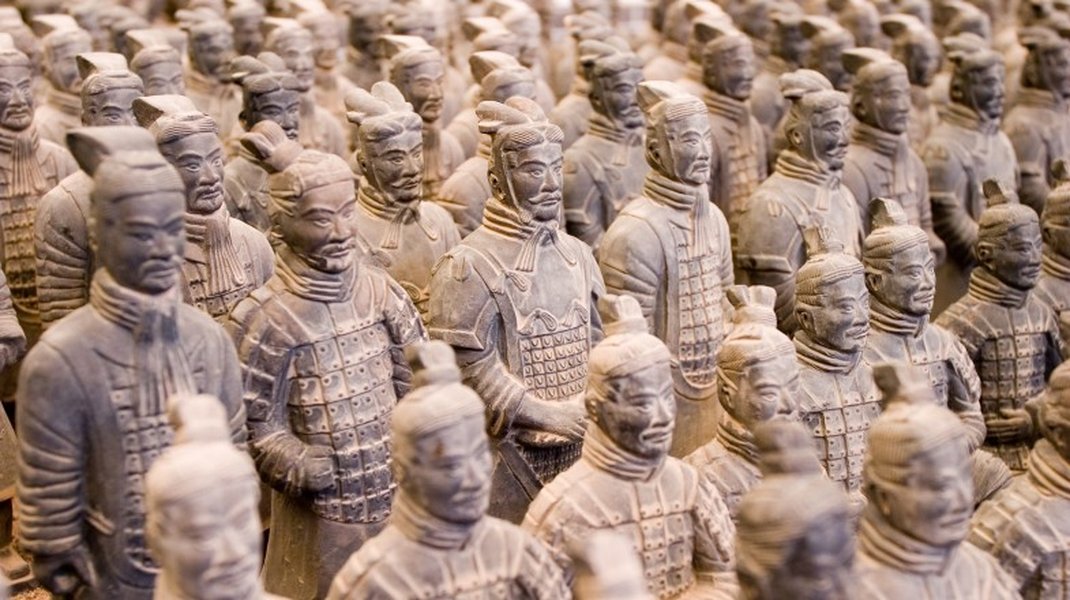
Optimize images, like this one of the Terracotta Army, with descriptive alt text.
Technical & Off-Page SEO
Ensuring Visibility and Authority
- Mobile-Friendliness & Page Speed: Ensure the article and your entire website are fully responsive and load quickly on all devices. This is a critical ranking factor, especially for travel research often done on mobile.
- Structured Data (Schema Markup): Implement relevant schema markup (e.g.,
Article,FAQPage, potentiallyTouristAttractionfor mentioned sites) to help search engines understand your content better and potentially gain rich snippets in search results. - Content Depth & Quality: Aim for a comprehensive article (ideally over 1500-2000 words if possible, given the depth required) that thoroughly answers the user's query. High-quality, detailed content tends to rank better and satisfy user intent. Ensure information is accurate and up-to-date (as of 2025).
- China-Specific Considerations (Optional but Recommended): If targeting travelers from or within China, consider Baidu optimization practices, potentially including simplified Chinese keywords or even a translated version of the article.
Frequently Asked Questions (FAQ)
When are the absolute worst times to visit Xi'an?
While "worst" is subjective, most travelers find the major Chinese public holidays challenging due to extreme crowds and peak prices. These include the National Day Golden Week (first week of October) and the Labour Day holiday (early May). Additionally, July and August can be uncomfortable due to intense heat and heavy rainfall, making extensive outdoor sightseeing difficult.
Is Xi'an worth visiting in winter (December-February)?
Yes, Xi'an can be very rewarding in winter if you don't mind the cold. The main advantages are significantly fewer tourists at major attractions like the Terracotta Army and lower prices for flights and hotels. Indoor attractions are comfortable, and you might experience the city dusted in snow. Just be sure to pack very warm clothing.
How many days do I need in Xi'an?
Most visitors find 2-3 full days sufficient to cover the main highlights: the Terracotta Army (allow half a day including travel), the Ancient City Wall (cycling or walking), the Muslim Quarter and Great Mosque, the Big Wild Goose Pagoda, and perhaps the Shaanxi History Museum. Adding a fourth day allows for a more relaxed pace or a day trip (e.g., to Mount Hua).
Is English widely spoken in Xi'an?
While Xi'an is a major tourist destination, English proficiency is not widespread outside of major hotels, tourist sites (staff often have basic English), and some restaurants catering to foreigners. It's helpful to have a translation app, essential addresses written in Chinese, and consider hiring a guide for smoother communication and deeper insights, especially for historical sites.
Recommended Further Reading
- How can I plan a perfect 3-day itinerary exploring Xi'an's historical wonders?
- What are the essential tips for making the most of my visit to the Terracotta Army?
- What's the best way to navigate Xi'an using its public transportation system?
- How does Xi'an compare to other ancient Chinese capitals like Beijing or Luoyang for travelers?
References
 misshappyfeet.blogspot.com
Last updated April 27, 2025