
Improving Insulation Against Low Frequency Sound Without Wood
Comprehensive strategies and materials for effective low-frequency soundproofing without relying on wood.
Key Takeaways
- Mass Loaded Vinyl (MLV) and Green Glue are highly effective materials for blocking and damping low-frequency sounds.
- Decoupling techniques, such as resilient channels and sound isolation clips, play a crucial role in preventing sound transmission.
- Comprehensive sealing and the use of absorptive materials significantly reduce the penetration and reverberation of low-frequency noises.
1. Increasing Mass with Dense Materials
Mass Loaded Vinyl (MLV)
Mass Loaded Vinyl (MLV) is a versatile and highly effective material for blocking low-frequency sounds. Its dense composition, often enhanced with mineral fillers, allows it to absorb and reflect sound waves efficiently. MLV can be installed on various surfaces, including walls, ceilings, and floors, without significantly increasing the thickness of the structure. The flexibility of MLV makes it easy to cut to size and apply using adhesive or mechanical fasteners, ensuring comprehensive coverage where needed.
Additional Drywall Layers
Adding multiple layers of drywall significantly increases the mass of the walls, which helps in reducing sound transmission. For enhanced effectiveness, use specialized soundproof drywall combined with damping compounds like Green Glue between the layers. This combination not only adds mass but also dissipates sound energy, making it particularly effective against low-frequency noises.
Concrete and Masonry
When feasible, incorporating concrete or masonry into wall structures can provide substantial mass, which naturally blocks low-frequency sound transmission. These materials are especially useful in settings where maximum sound isolation is required, such as recording studios or home theaters. However, the practicality of using concrete or masonry depends on the specific construction constraints and design requirements of the space.
2. Damping Materials
Green Glue
Green Glue is a viscoelastic damping compound that plays a critical role in soundproofing by converting sound energy into heat. When applied between layers of drywall or other building materials, it reduces the transmission of low-frequency noises by absorbing and dissipating vibrational energy. This makes Green Glue an essential component in multi-layered soundproofing systems, enhancing overall noise reduction performance.
Viscoelastic Compounds
Viscoelastic compounds, like Green Glue, are designed to provide both mass and damping in a single application. These materials are particularly effective at targeting low-frequency sounds, which are typically more challenging to block. By integrating viscoelastic compounds into wall assemblies, floors, and ceilings, you can achieve a higher degree of sound attenuation without relying on wood.
3. Decoupling and Isolation Techniques
Resilient Channels and Sound Isolation Clips
Decoupling techniques involve creating physical separation between different layers of a building's structure to prevent sound vibrations from traveling through them. Resilient channels and sound isolation clips are commonly used to achieve this separation. By installing these components between the drywall and the underlying studs or structural elements, vibrations are effectively disrupted, significantly reducing the transmission of low-frequency sounds.
Floating Floors and Acoustic Underlayments
Floating floors and acoustic underlayments are designed to create a buffer layer between the floor surface and the building's structure. This buffer helps to isolate and reduce structure-borne vibrations, which are a major source of low-frequency noise transmission. By incorporating these systems, you can enhance the overall soundproofing performance of floors without relying on wood-based materials.
4. Absorptive Materials
Fiberglass and Mineral Wool Insulation
Fiberglass and mineral wool are effective absorptive materials that can be installed within wall cavities, ceilings, and floors to absorb sound energy. While these materials are traditionally more effective against mid to high-frequency sounds, when used in sufficient quantities and in combination with other soundproofing methods, they can also contribute to reducing low-frequency noise.
Acoustic Panels and Bass Traps
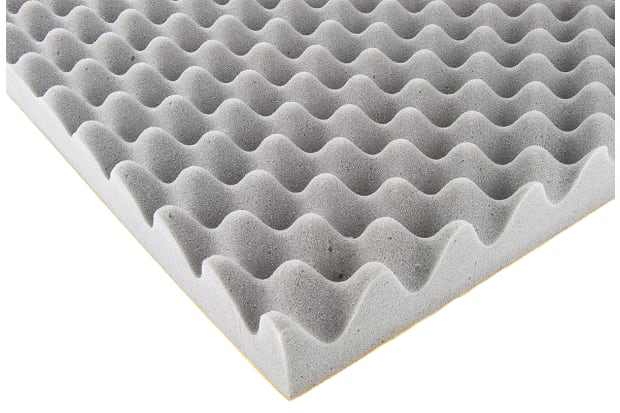
Acoustic panels and bass traps are specialized absorptive materials designed to target specific frequency ranges. Bass traps, in particular, are engineered to absorb low-frequency sounds, making them an essential addition to any soundproofing strategy focused on reducing bass-heavy noise. These panels can be strategically placed in corners and other areas where low-frequency sounds tend to accumulate.
5. Sealing Gaps and Reinforcing Seams
Acoustic Sealants and Caulking
Sealing all gaps, cracks, and seams within a building's structure is crucial for preventing the intrusion of low-frequency sounds. Acoustic sealants and high-quality caulking materials should be applied around electrical outlets, door frames, windows, and any other potential points of sound leakage. Ensuring that all joints are tightly sealed minimizes the pathways through which sound can penetrate, thereby enhancing overall soundproofing effectiveness.
Double-Casing Windows and Doors
Double-casing windows and doors involves adding an additional layer of material to these fixtures to increase their mass and reduce sound transmission. This method is particularly effective for low-frequency noises, as it provides a more substantial barrier against sound waves. Additionally, using acoustic weatherstripping and draft stoppers can further improve the sound isolation performance of windows and doors.
6. Specialized Low-Frequency Absorbers
Helmholtz Resonators
Helmholtz resonators are specialized devices designed to target specific low-frequency sound waves. They work by creating cavities that trap and dissipate sound energy at particular frequencies. While effective, Helmholtz resonators are complex to build and require precise tuning to the targeted frequencies, making them less practical for general soundproofing purposes compared to other methods.
Membrane Absorbers
Membrane absorbers use a flexible diaphragm to absorb low-frequency sound waves over a broader range than Helmholtz resonators. These absorbers are effective in reducing low-frequency noise and can be integrated into wall assemblies or other structural elements to enhance soundproofing performance. Their ability to target a wide range of frequencies makes them a versatile choice for comprehensive sound insulation.
7. Window and Door Improvements
Laminated Glass Windows
Laminated glass windows consist of multiple layers of glass with an interlayer that adds mass and damping properties. This construction significantly reduces the transmission of low-frequency sounds compared to standard single-pane windows. Installing laminated glass is an effective way to enhance the soundproofing of windows without relying on wood-based materials.
Acoustic Weatherstripping
Acoustic weatherstripping involves applying dense, flexible materials around the edges of windows and doors to create a tight seal against sound leakage. This method prevents low-frequency noises from infiltrating through gaps and ensures that the soundproofing integrity of the building is maintained. Combined with double-casing, acoustic weatherstripping provides a robust solution for sound isolation.
8. Floors and Ceilings
Floating Floor Systems
Floating floor systems are designed to create a decoupled floor structure that minimizes the transmission of sound vibrations. By isolating the floor surface from the building's structural elements, floating floors effectively reduce the passage of low-frequency noises. This method is particularly beneficial in multi-story buildings where noise from adjacent spaces can be a concern.
Acoustic Underlayments
Acoustic underlayments made from dense materials such as rubber or specialized foam can be installed beneath flooring surfaces to absorb sound energy and reduce noise transmission. These underlayments enhance the soundproofing properties of floors, making them an integral part of a comprehensive low-frequency sound insulation strategy.
9. Comprehensive Soundproofing Systems
Integrating multiple soundproofing methods often yields the best results in reducing low-frequency noise. A comprehensive system might include adding mass with MLV or additional drywall layers, applying damping compounds like Green Glue, implementing decoupling techniques with resilient channels, and using absorptive materials such as fiberglass insulation and acoustic panels. Additionally, sealing all potential sound leakage points ensures that the combined effectiveness of these methods is fully realized.
| Material | Function | Effectiveness for Low Frequencies |
|---|---|---|
| Mass Loaded Vinyl (MLV) | Block and dampen sound | High |
| Green Glue | Dampen vibrational energy | High |
| Resilient Channels | Decouple structural elements | Moderate to High |
| Fiberglass Insulation | Absorb sound energy | Moderate |
| Helmholtz Resonators | Target specific frequencies | Variable |
| Laminated Glass | Block sound transmission through windows | High |
10. Additional Tips and Best Practices
Planning and Consultation
Effective low-frequency sound insulation requires careful planning and, in many cases, the expertise of an acoustical consultant or engineer. These professionals can analyze the specific noise challenges of a space and recommend tailored solutions that consider the frequency of the noise, the noise source, and the existing construction limitations.
Layered Approach
A layered approach to soundproofing, often referred to as "burden sharing," combines different methods to tackle low-frequency noise from multiple angles. By integrating mass, damping, decoupling, and absorption, you can achieve a more comprehensive and effective soundproofing solution than by relying on a single method.
Quality Installation
Proper installation of soundproofing materials is crucial for their effectiveness. Ensuring that all materials are correctly applied, tightly sealed, and properly integrated with the building's structure will maximize their ability to block and absorb low-frequency sounds.
Conclusion
Improving insulation against low-frequency sound without using wood involves a multifaceted approach that combines increasing mass, utilizing damping materials, implementing decoupling techniques, and employing absorptive materials. Materials such as Mass Loaded Vinyl and Green Glue are central to effective soundproofing strategies, providing both mass and damping capabilities. Decoupling systems like resilient channels and sound isolation clips disrupt the transmission of vibrations, while fiberglass insulation and acoustic panels absorb sound energy to minimize noise penetration. Comprehensive sealing of gaps and seams ensures that sound does not find easy pathways into the space, further enhancing the overall effectiveness of the soundproofing measures. By integrating these strategies and considering the specific requirements of your environment, you can achieve significant reduction in low-frequency noise without the need for wood-based materials.
References
Last updated February 13, 2025