
Revitalizing Climate Communication: Combating Fatigue and Igniting Engagement
Strategies to Break Through Apathy and Inspire Climate Action
Key Highlights for Effective Climate Communication
- Emphasize Solutions and Opportunities: Shift the focus from problems to actionable steps and positive outcomes to foster hope and empowerment.
- Personalize and Localize the Message: Make climate change relevant by connecting it to local issues, personal experiences, and relatable stories.
- Use Trusted Messengers: Leverage the credibility of community leaders, healthcare professionals, and other trusted figures to deliver climate messages.
Understanding Public Disengagement with Climate Change
Public disengagement with climate change is a multifaceted issue stemming from various factors, including information overload, the abstract nature of the problem, and a sense of powerlessness. Many people feel overwhelmed by the scale of the climate crisis and may experience "crisis fatigue," leading them to tune out or become apathetic. This disengagement is further compounded by misinformation and the perception that individual actions are insignificant in the face of such a global challenge.
Climate change communication is shaped by people's different experiences, mental and cultural models, and underlying values and worldviews. It's a complex process where individuals, communities, and societies understand, care about, and act on climate change through interactions with others. As an academic field, climate change communication involves scientists and scholars who aim to understand these processes, develop and test scientific theories, and identify effective communication strategies and tactics to address this critical challenge.
Strategies for Improved Climate Communication
Focusing on Solutions and Opportunities
One of the most effective ways to combat public fatigue is to shift the narrative from a doom-and-gloom scenario to one that highlights solutions and opportunities. Instead of solely focusing on the negative impacts of climate change, communicators should emphasize the positive outcomes of climate action. This involves showcasing success stories, technological advancements, and the potential for a sustainable future.
For example, highlighting how transitioning to renewable energy can create jobs, improve public health, and enhance energy independence can be more motivating than simply discussing the dangers of fossil fuels. Framing climate action as a path to a better, safer, and more prosperous future can inspire hope and encourage engagement.
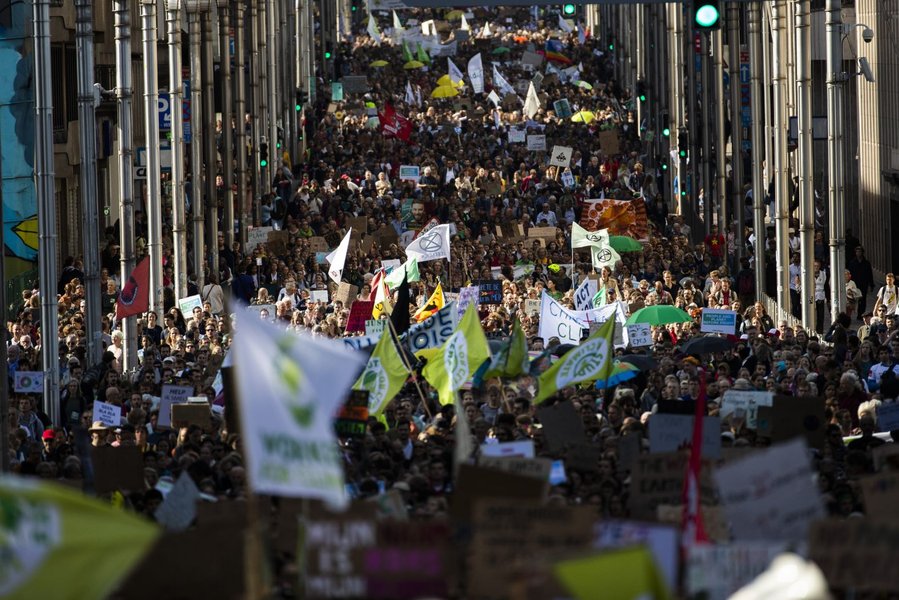
Climate protests demonstrate public engagement and demand for climate action.
Personalizing and Localizing the Message
Climate change often feels distant and abstract, making it difficult for people to connect with the issue on a personal level. To overcome this, climate communication should be personalized and localized, emphasizing the impacts of climate change on local communities and individual lives.
For instance, instead of discussing global sea-level rise, communicators can highlight the potential impact on coastal communities in a specific region. Sharing stories of local residents affected by extreme weather events or air pollution can also create a stronger emotional connection and make the issue more relatable.
Leveraging Trusted Messengers
The credibility of the messenger plays a crucial role in effective climate communication. People are more likely to trust information from sources they perceive as knowledgeable, honest, and relatable. Therefore, it is essential to leverage trusted messengers, such as community leaders, healthcare professionals, and local scientists, to deliver climate messages.
Healthcare professionals, for example, can effectively communicate the health impacts of climate change, such as increased respiratory illnesses and heat-related deaths. Community leaders can advocate for local climate action plans and promote sustainable practices within their neighborhoods.
Simplifying Complex Information
Climate science can be complex and full of jargon, making it difficult for the general public to understand. To improve communication, it is essential to simplify complex information and present it in a clear, concise, and accessible manner. Avoid using technical terms and explain concepts in plain language. Visual aids, such as infographics, charts, and videos, can also help to illustrate complex ideas and make them more engaging.
Using Emotional Appeals
Emotions play a significant role in how people process information and make decisions. Effective climate communication should tap into emotions, such as empathy, hope, and concern, to motivate action. Sharing personal stories, images, and videos that evoke emotional responses can be particularly powerful.
However, it is important to avoid fear-mongering or overly negative messaging, as this can lead to disengagement and a sense of hopelessness. Instead, focus on positive emotions and highlight the potential for a better future through climate action.

Visual communication can effectively convey the urgency of climate action.
Encouraging Participation and Co-creation
Involving the public in climate action planning and decision-making can increase engagement and ownership. Create opportunities for people to participate in community workshops, online forums, and other participatory processes. Encourage co-creation of climate messages and solutions, allowing people to feel like they are actively contributing to the process.
For example, the Rethink Glasgow project partnered with local communities to develop a climate action plan that reflected their needs and priorities. The London Borough of Camden engaged local people in producing their Biodiversity Action Plan, leading to increased community support and participation.
This video explores a literature review on public engagement in climate action, emphasizing adaptability, justice, and complexity.
Building Trust and Addressing Misinformation
Climate science faces skepticism and misinformation, which can undermine public trust and engagement. To address this, communicators should engage in open dialogue, transparently address controversies, and highlight the overwhelming scientific consensus on climate change.
It is also important to combat misinformation by providing accurate information and debunking false claims. Partnering with trusted sources, such as scientists and academic institutions, can help to build credibility and counter misinformation.
Using Appropriate Language and Metaphors
The language used to communicate about climate change can have a significant impact on how the message is received. Using appropriate language, metaphors, and analogies can help to make the issue more relatable and understandable.
For example, framing climate change agreement in terms of risk management, such as comparing it to seeking a second opinion from doctors or rebuilding an unsound bridge, can be effective. Similarly, using metaphors that resonate with people's experiences and values can help to create a stronger connection.
Communicating Urgency and Hope
Effective climate communication should convey a sense of urgency while also offering hope and empowerment. Emphasize that climate action is needed now to avoid the worst impacts of climate change, but also highlight the potential for positive change and a sustainable future.
Focus on the opportunities and benefits of climate action, such as creating jobs, improving public health, and enhancing quality of life. By balancing urgency with hope, communicators can motivate people to take action without feeling overwhelmed or discouraged.
Effective Communication Strategies
Here's a table summarizing effective communication strategies for climate action:
| Strategy | Description | Example |
|---|---|---|
| Focus on Solutions | Highlighting the benefits of climate action rather than just the problems. | Emphasizing job creation through renewable energy projects. |
| Personalization | Connecting climate change to individual lives and local communities. | Sharing stories of local residents affected by extreme weather. |
| Trusted Messengers | Using credible sources like community leaders and healthcare professionals. | Doctors explaining the health impacts of climate change. |
| Simplifying Information | Presenting complex climate science in an easy-to-understand manner. | Using infographics to explain climate concepts. |
| Emotional Appeals | Evoking emotions like empathy and hope to motivate action. | Sharing images of communities coming together to address climate challenges. |
| Participation | Involving the public in climate action planning and decision-making. | Conducting community workshops to gather ideas for climate solutions. |
| Building Trust | Addressing misinformation and promoting scientific consensus. | Partnering with scientists to debunk false claims about climate change. |
| Appropriate Language | Using relatable metaphors and analogies. | Framing climate action as risk management. |
| Urgency and Hope | Balancing the need for immediate action with the potential for positive change. | Highlighting the urgency of climate action while showcasing success stories. |
FAQ: Climate Communication
Why is public engagement important for climate action?
Public engagement is crucial because it fosters understanding, support, and participation in climate action. When people are informed and involved, they are more likely to adopt sustainable practices and advocate for climate policies.
How can I make climate change feel more relevant to my community?
Focus on local impacts, such as changes in weather patterns, increased flooding, or air quality issues. Share stories of community members affected by climate change and highlight local initiatives to address these challenges.
What are some effective ways to combat climate misinformation?
Provide accurate information from trusted sources, such as scientific organizations and academic institutions. Debunk false claims and myths with evidence-based facts. Engage in open dialogue and address concerns with empathy and respect.
How can I encourage my friends and family to take climate action?
Lead by example by adopting sustainable practices in your own life. Share information about the benefits of climate action and the opportunities for a better future. Encourage them to participate in community events and support climate-friendly policies.
What role do governments play in climate communication?
Governments play a critical role in raising awareness, providing information, and promoting climate action. They can develop communication strategies, launch public campaigns, and partner with community organizations to engage the public.
References
Last updated April 13, 2025