
Impulsivity in Sociopaths vs. Psychopaths
Understanding the Core Differences Between Sociopathic and Psychopathic Impulsivity
Key Takeaways
- Sociopaths exhibit higher levels of impulsivity and emotional volatility compared to psychopaths.
- Psychopaths tend to be more calculating, controlled, and methodical in their behavior.
- The underlying causes of impulsivity differ, with sociopaths influenced more by environmental factors.
Introduction
Understanding the distinctions between sociopathy and psychopathy is crucial in the field of psychology, particularly when examining traits such as impulsivity. Both sociopaths and psychopaths fall under the umbrella of Antisocial Personality Disorders (ASPD), yet they exhibit markedly different behavioral patterns and emotional responses. This comprehensive analysis delves into the nuanced differences in impulsivity between sociopaths and psychopaths, exploring the underlying psychological mechanisms, behavioral outcomes, and implications for interpersonal relationships and societal functioning.
Definitions and Core Characteristics
What is a Sociopath?
Sociopathy is characterized by a pervasive pattern of disregard for, and violation of, the rights of others. Individuals diagnosed as sociopaths often display impulsive behaviors, emotional instability, and a limited capacity for forming lasting relationships. Their actions are frequently driven by immediate emotions, leading to unpredictable and erratic conduct.
What is a Psychopath?
Psychopathy is defined by a constellation of traits including superficial charm, high intelligence, manipulativeness, and a profound lack of empathy or remorse. Psychopaths are typically more controlled and methodical in their actions, often planning their behaviors meticulously to achieve desired outcomes without revealing their true intentions.
Impulsivity: A Comparative Analysis
Impulsivity in Sociopaths
Sociopaths are significantly more impulsive than psychopaths. Their behavior is often reactive and driven by immediate emotional responses rather than careful consideration. This impulsivity manifests in various ways:
- Erratic Behavior: Sociopaths may engage in sudden, unplanned actions such as aggressive outbursts or reckless decision-making without regard for long-term consequences.
- Emotional Volatility: They experience intense emotions, which can lead to spontaneous and unpredictable actions.
- Difficulty in Planning: The lack of foresight and poor impulse control hampers their ability to strategize, resulting in inconsistent and often chaotic behavior patterns.
Impulsivity in Psychopaths
In contrast, psychopaths exhibit lower levels of impulsivity. Their actions are typically calculated and deliberate, allowing them to manipulate situations to their advantage effectively. Key aspects include:
- Calculated Decisions: Psychopaths meticulously plan their actions, minimizing the risk of unforeseen consequences and maintaining control over their environment.
- Emotional Detachment: Their inability to deeply feel emotions like fear or guilt contributes to their controlled and strategic behavior.
- Consistency in Behavior: Psychopaths maintain a consistent and controlled demeanor, which aids in their ability to deceive and manipulate others seamlessly.
Underlying Causes of Impulsivity
Psychological Factors
The root causes of impulsivity differ between sociopaths and psychopaths, largely influenced by their psychological makeup:
- Sociopaths: Impulsivity in sociopaths is often a result of emotional instability and a heightened responsiveness to environmental stressors. Their behaviors are reactive, stemming from their inability to regulate emotions effectively.
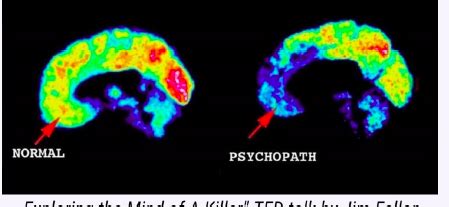
- Psychopaths: In psychopaths, lower impulsivity is linked to structural brain differences, particularly in areas responsible for emotional regulation and moral reasoning. This neurological foundation enables them to suppress impulsive reactions and engage in calculated behaviors.
Environmental Influences
Environmental factors play a more significant role in shaping the impulsivity of sociopaths compared to psychopaths:
- Sociopaths: Often, sociopathy is linked to adverse environmental conditions such as early childhood trauma, neglect, or unstable family life. These factors contribute to their impulsive and often rebellious nature.
- Psychopaths: While environmental factors can influence psychopathy, the trait is more strongly associated with innate characteristics and genetic predispositions, resulting in consistent behavior patterns regardless of external influences.
Behavioral Outcomes and Social Implications
Interpersonal Relationships
The degree of impulsivity between sociopaths and psychopaths significantly impacts their interpersonal relationships:
- Sociopaths: Their impulsive and erratic behavior often leads to tumultuous and unstable relationships. The inability to predict their actions can strain personal and professional relationships, making long-term commitments challenging.
- Psychopaths: Psychopaths can maintain superficial relationships through calculated charm and manipulation. Their controlled behavior allows them to appear trustworthy and reliable, masking their true intentions from others.
Professional Life
Impulsivity also affects the professional realms of sociopaths and psychopaths differently:
- Sociopaths: Impulsive decisions can hinder professional growth and lead to frequent job changes or conflicts in the workplace. Their unpredictable nature makes it difficult for them to adhere to structured environments.
- Psychopaths: Their ability to plan and execute strategies meticulously can facilitate career advancement, especially in competitive fields. However, their manipulative tendencies may undermine genuine professional relationships.
Criminal Behavior
Both sociopaths and psychopaths are prone to engaging in criminal activities, but their motivations and methods differ due to their levels of impulsivity:
- Sociopaths: Their impulsive nature often leads to spontaneous criminal acts, driven by emotional responses such as anger or frustration. This lack of planning increases the likelihood of detection and arrest.
- Psychopaths: Psychopaths typically engage in premeditated crimes, conducting detailed planning and risk assessments to avoid capture. Their calculated approach allows them to execute complex schemes with a higher success rate.
Neurobiological Perspectives
Brain Structure and Function
Neurobiological research has uncovered significant differences in the brain structures of sociopaths and psychopaths, which underpin their respective behaviors:
- Sociopaths: Studies indicate alterations in the prefrontal cortex and amygdala, areas associated with impulse control and emotional regulation. These differences contribute to their heightened impulsivity and emotional instability.
- Psychopaths: Psychopaths exhibit distinct patterns in the ventromedial prefrontal cortex and other regions linked to moral reasoning and empathy. These structural variations facilitate their ability to suppress impulsive reactions and engage in calculated behaviors.
Genetic Influences
Genetic predispositions also play a role in the development of sociopathic and psychopathic traits:
- Sociopaths: Genetic factors may predispose individuals to emotional dysregulation, but environmental influences such as upbringing and life experiences are significant contributors to the manifestation of sociopathic behaviors.
- Psychopaths: A stronger genetic component is observed in psychopathy, with heritable traits contributing to the inherent lack of empathy and heightened ability to manipulate and plan behaviorally complex actions.
Implications for Treatment and Management
Therapeutic Approaches
Addressing impulsivity in sociopaths and psychopaths requires tailored therapeutic strategies:
- Sociopaths: Treatment often involves cognitive-behavioral therapy aimed at improving impulse control and emotional regulation. However, the effectiveness is limited due to the deep-seated nature of their behavioral patterns.
- Psychopaths: Psychopathy is notoriously resistant to traditional therapeutic interventions. Treatment focuses on managing behaviors and mitigating risks, as altering core personality traits remains a significant challenge.
Management Strategies
Effective management of sociopathic and psychopathic individuals requires comprehensive strategies:
- Sociopaths: Structured environments that provide consistent boundaries and consequences can help manage impulsive behaviors. Support systems that address underlying emotional issues are also beneficial.
- Psychopaths: Managing psychopaths involves implementing strict supervision and monitoring to prevent manipulative and harmful behaviors. Rehabilitation efforts are often limited in effectiveness, necessitating a focus on containment and risk reduction.
Social and Legal Implications
Criminal Justice System
The distinctions between sociopaths and psychopaths have significant implications for the criminal justice system:
- Sociopaths: Their impulsive crimes are more likely to result in arrests and legal consequences due to the spontaneous nature of their actions.
- Psychopaths: Psychopaths can evade detection through calculated criminal activities, making it challenging for law enforcement to apprehend them without intricate investigative efforts.
Public Safety and Prevention
Ensuring public safety involves understanding and addressing the behavioral patterns of both sociopaths and psychopaths:
-
Sociopaths: Prevention strategies focus on early intervention and support for at-risk individuals to mitigate the development of impulsive and antisocial behaviors.
-
Psychopaths: Due to their manipulative and controlled nature, prevention efforts are more complex, requiring advanced detection methods and targeted intervention programs.
Conclusion
In summary, while both sociopaths and psychopaths share antisocial traits, their levels of impulsivity and underlying behavioral motivations differ significantly. Sociopaths are markedly more impulsive, exhibiting erratic and emotionally driven behaviors that lead to unpredictable actions. In contrast, psychopaths demonstrate a higher degree of control and calculation, allowing them to execute their plans with precision and minimal emotional disturbance. Understanding these differences is essential for effective management, treatment, and prevention strategies within both clinical and societal contexts.
References
Last updated January 18, 2025