
Global Examples of In-Between Space Activation
Exploring the Transformation of Neglected Urban Areas into Vibrant Hubs
Key Highlights
- Community-Driven Revitalization: Transforming overlooked urban areas into spaces that encourage local interaction and cultural expression.
- Multifunctional Use: Reconfiguring spaces to host art, events, green initiatives, and social engagement activities.
- Global Impact: Diverse examples exist worldwide where innovative design and planning have redefined transitional spaces.
Understanding In-Between Space Activation
Defining the Concept
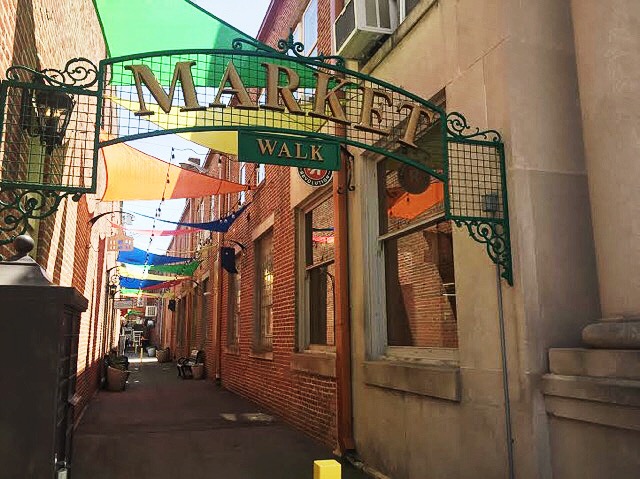
In-between space activation refers to the creative process of transforming underutilized, overlooked, or transitional urban spaces into active, multipurpose venues that foster community engagement and cultural exchange. These spaces, often found in alleyways, vacant lots, spaces beneath infrastructure, or the gaps between traditional urban structures, are reimagined to serve a broad array of purposes — from art installations and performance venues to community gathering areas and urban green spaces.
The activation process is not only limited to physical transformation but also involves strategic programming, curation, and community empowerment. Emphasis is placed on maintaining the organic spontaneity of these spaces while integrating design elements that improve functionality, aesthetics, and accessibility. Across the globe, urban planners and designers are reevaluating the role of these “in-between” spaces, shifting from a mindset of neglect to one of active utilization.
Global Examples and Case Studies
North America
The High Line, New York City
One of the most successful examples of in-between space activation is New York City’s High Line. Once an abandoned elevated rail line, this structure was transformed into a linear park that serves as a community oasis amid the concrete jungle. The High Line not only provides green recreational space but also acts as a venue for public art exhibits, cultural events, and community gatherings. Its success has inspired numerous other urban renewal projects across the globe.
District of Columbia, USA
Washington D.C. has embraced the activation of its public spaces by following a structured approach that includes temporary events and festivals to engage the community. By transforming transitional zones with intermittent programming—such as street performances, art installations, and seasonal markets—the District of Columbia has successfully repositioned these spaces as essential assets for social engagement and cultural exchange.
Europe
House of Vans Park, London
In London, the House of Vans Park exemplifies the ingenuity behind repurposing infrastructure. Situated beneath the tunnels of Waterloo Station, this space has evolved from an overlooked underpass into a dynamic hub for cultural activities, skateboarding, and community engagement. The project demonstrates how transitional and even industrial spaces can be reimagined to support local culture and innovation.
Sheffield, England
Sheffield has undergone a substantial transformation by converting its former industrial spaces into thriving cultural venues. Artists’ studios, concert venues, and communal areas have emerged from previously abandoned factories and warehouses. This activation process has reinvigorated the local art scene and contributed to economic development by attracting tourism and creative industries.
Vienna University for Economic Sciences, Austria
Academic institutions are also key players in in-between space activation. At Vienna University for Economic Sciences, spaces originally meant for passive transit are being repurposed into collaborative hubs where students and faculty interact. By creating multipurpose zones that encourage both formal study and informal exchange, the university exemplifies how educational environments can innovate to support knowledge sharing and community building.
Asia
Alleyway Activations in Taipei
Taipei has been at the forefront of transforming its overlooked alleyways and transitional zones into vibrant public spaces. Efforts in the city emphasize community-driven initiatives that include public art, local installations, and pop-up events. These projects reveal how underutilized spaces can be infused with life and become integral parts of the urban fabric.
Laneways of Melbourne and Singapore
Both Melbourne and Singapore have embraced the activation of narrow alleys and laneways, which have historically been seen as peripheral or utilitarian. In Melbourne, community-led projects have turned these spaces into hubs for cafes, street art, and local performances. The transformation extends to Singapore, where similar initiatives have repurposed these areas to host cultural festivals and enhance local commerce. This transnational movement has underscored the universal appeal of creating welcoming, vibrant urban enclaves.
Other Notable Global Perspectives
Reclaiming Traditional Avenues: Roji in Japan
In Japan, the revitalization of narrow alleys known as "roji" demonstrates a nuanced approach to space activation. The interventions in these areas balance respect for traditional aesthetics with modern functionality. By integrating elements such as street art, small-scale retail, and social seating areas, Japanese cities have ensured that these seemingly inconspicuous spaces contribute to a broader urban landscape that prioritizes pedestrian comfort and cultural heritage.
Digital and Hybrid Public Spaces
The scope of in-between space activation extends beyond physical confines into digital realms. Social media platforms and online forums have become spaces for public discourse and collective action. These digital "in-between" spaces have been particularly significant in political and social movements, providing a platform for grassroots organizing and community mobilization. While distinctly different from physical spaces, the principles of engagement and connectivity remain common threads that tie these two domains together.
Strategies for Successful Activation
Multi-Faceted Design Approaches
The transformation of in-between spaces depends largely on the integration of multifunctional design principles that cater to diverse user needs. Key strategies include:
Curated Programming and Community Involvement
Community participation is paramount in ensuring that transformed spaces resonate with local needs. Curated events, workshops, and public performances transform these zones into active communal spaces. Although top-down planning by city authorities or commercial developers can provide initial structure, sustained community engagement is essential to maintain vibrancy and ownership.
Integration of Natural Elements
Incorporating green infrastructure, such as urban gardens, green walls, and open-air seating areas, can greatly enhance the environmental quality and aesthetic appeal of these areas. Green initiatives not only improve air quality and reduce urban heat but also act as a bridge between the built environment and nature, creating a more balanced urban ecosystem.
Flexible and Adaptive Re-Use
Flexibility is a critical aspect of successful space activation. Designing multipurpose venues that can adapt to changing community needs is a recurring theme across many case studies. Whether it is converting a vacant lot into a temporary festival zone or repurposing an unoccupied alley into a dynamic art installation, adaptive strategies help sustain relevance over time.
Institutional and Policy Support
Institutional backing, particularly from local governments and private stakeholders, reinforces the sustainability of these projects. Comprehensive frameworks and guidelines, such as public space activation and stewardship guides, provide structured approaches to managing and funding such initiatives. In many cities, collaboration between municipal authorities, cultural organizations, and community groups has paved the way for enduring projects that continuously revitalize urban spaces.
Comparative Overview Table
| Region | Example | Description | Key Elements |
|---|---|---|---|
| North America | The High Line, New York City | Elevated park transformed from abandoned rail line | Green space, art exhibitions, cultural events |
| North America | District of Columbia, USA | Public space activation framework for street performances and festivals | Community events, cultural programming, temporary installations |
| Europe | House of Vans Park, London | Revamped tunnel space beneath Waterloo Station | Skate park, event venue, cultural exhibitions |
| Europe | Sheffield, England | Former industrial areas transformed into creative hubs | Artist studios, concert venues, community spaces |
| Europe | Vienna University for Economic Sciences | Collaborative academic spaces repurposed for community interaction | Multipurpose zones, educational and informal meeting spots |
| Asia | Taipei Alleyway Activations | Underutilized alleyways transformed into artistic and cultural locales | Public art, local community events, pop-up installations |
| Asia | Laneway Projects in Melbourne & Singapore | Narrow urban lanes repurposed into lively cultural corridors | Cafes, street art, cultural festivals |
| Global | Digital Public Spaces | Online platforms serving as modern meeting places for community discourse | Social media engagement, digital organizing, virtual community building |
Innovative Concepts and Theoretical Underpinnings
The Role of "Third Spaces"
Often conceptualized as "third spaces," in-between urban areas do not fall within the conventional dichotomies of home and work. Instead, they provide neutral venues where community interaction is fostered without the constraints or formality associated with traditional institutions. This notion of a third space goes beyond mere physical transformation and delves into the psychological and cultural dimensions of urban life.
The literature on urban design highlights several benefits of activating these spaces. Notably, the gradual shift in perception—from disregarded transitional zones to dynamic hubs—underscores the potential for grassroots movements and innovative city planning. Such spaces invite negotiation between various urban functions—commercial, cultural, and social—allowing cities to counteract the effects of overcommercialization while retaining spontaneity and diversity.
Cultural Resonance and Temporality
Another critical element in this transformation process is the concept of temporality. Many of the initiatives involve temporary installations or pop-up events that test the adaptability of a space. This temporary nature not only reduces the financial risks associated with permanent developments but also invites continuous reinvention. Community members and local entrepreneurs have the freedom to experiment with ideas that may eventually lead to more permanent transformations, ensuring dynamism and innovation remain at the heart of the public space.
From transforming neglected alleyways into vibrant art corridors to designing flexible even spaces within academic or corporate contexts, the temporality of space activation fosters creativity and a sense of ownership amongst local populations. This strategy plays a vital role in cementing the connection between people and their physical environments.
Guidelines for Future Implementations
Design and Policy Considerations
Future initiatives aiming to activate in-between spaces should adopt a holistic approach that synergizes design excellence with robust policy support. Essential considerations include:
Community-Centered Design
Projects must begin by consulting with local communities to ensure that the design addresses real needs and aspirations. Involving residents in the planning process encourages a sense of ownership and helps tailor projects to local cultural and social dynamics.
Adaptive Reuse Principles
Adaptive reuse of existing structures and spaces not only conserves resources but also helps preserve historical and cultural narratives embedded in urban fabric. Innovative reconfigurations that honor the past while inviting modern functionalities serve as models for sustainable urban regeneration.
Institutional Partnerships
Collaboration between government bodies, private developers, and community collectives is essential. Well-defined stewardship programs and activation frameworks ensure that the revitalization process remains inclusive and adaptive to evolving urban needs.
Embracing a flexible and community-centric approach provides multiple benefits, including enhanced public safety, increased economic activity, and improved social cohesion. Many global cities have found that the successful activation of in-between spaces directly contributes to the overall well-being and vibrancy of the urban environment.
Interdisciplinary Perspectives
Urban Design Meets Psychology
Academic research has increasingly focused on the intersection of urban design and human behavior. The activation of in-between spaces provides a fertile ground for studying how the design of a physical environment influences community sentiment, creativity, and even mental well-being. Initiatives that consider environmental psychology are better positioned to create spaces that not only function effectively but also promote a sense of belonging and personal well-being.
Integrating Technology
Technology is also playing a significant role in the evolution of activated spaces. The integration of digital tools—for instance, interactive installations and augmented reality experiences—adds an additional layer of engagement. These tools allow citizens to participate actively in programming and management, thereby democratizing space activation and making urban environments more inclusive.
References
- Space Activation and Re-Territorialisation - Urban Transcripts
- Transforming In-Between Spaces - Smart Cities Dive
- Redefining Third Spaces - ULI
- Urban Territory and Space Activation - SpringerOpen
- Data Science in Urban Space Activation - SpringerOpen
Recommended Related Queries
Last updated March 9, 2025