
Revolutionizing Cholesterol Management: Inclisiran vs. Statins – A New Era or Proven Practice?
Unpacking the differences between a novel bi-annual injection and daily oral pills for lowering bad cholesterol.
Lowering "bad" cholesterol, or low-density lipoprotein cholesterol (LDL-C), is a cornerstone in preventing cardiovascular diseases. For decades, statins have been the go-to oral medication. However, the landscape is evolving with newer therapies like Inclisiran, a subcutaneously administered drug offering a different approach. This comparison delves into their mechanisms, efficacy, administration, safety, and more, providing a comprehensive overview as of May 10, 2025.
Key Distinctions at a Glance
Essential Insights into Inclisiran and Statins
- Mechanism of Action: Statins reduce cholesterol production in the liver, while Inclisiran prevents the breakdown of LDL receptors, enhancing cholesterol clearance.
- Administration & Adherence: Inclisiran offers a convenient twice-yearly subcutaneous injection schedule, potentially boosting adherence, whereas statins require daily oral intake.
- Efficacy & Use Cases: Both are effective, but Inclisiran can provide significant additional LDL-C lowering and is often used as an adjunct to statins or for statin-intolerant patients.
How They Work: Unraveling the Mechanisms
Diving Deep into Cellular Actions
Inclisiran: Silencing the Messenger
Inclisiran is a pioneering small interfering RNA (siRNA) therapeutic. Its action is highly targeted within liver cells (hepatocytes). It works through a natural biological process called RNA interference (RNAi).
Specifically, Inclisiran targets the messenger RNA (mRNA) for a protein called proprotein convertase subtilisin/kexin type 9 (PCSK9). PCSK9 normally plays a role in degrading LDL receptors on the surface of liver cells. These receptors are crucial for pulling LDL-C out of the bloodstream. By binding to and causing the degradation of PCSK9 mRNA, Inclisiran effectively "silences" the production of the PCSK9 protein. With less PCSK9 around, more LDL receptors are recycled back to the liver cell surface instead of being broken down. This increased density of LDL receptors leads to a more efficient removal of LDL-C from the circulation, thereby lowering blood LDL-C levels. The GalNAc (N-acetylgalactosamine) conjugate attached to Inclisiran helps deliver the siRNA specifically to liver cells.
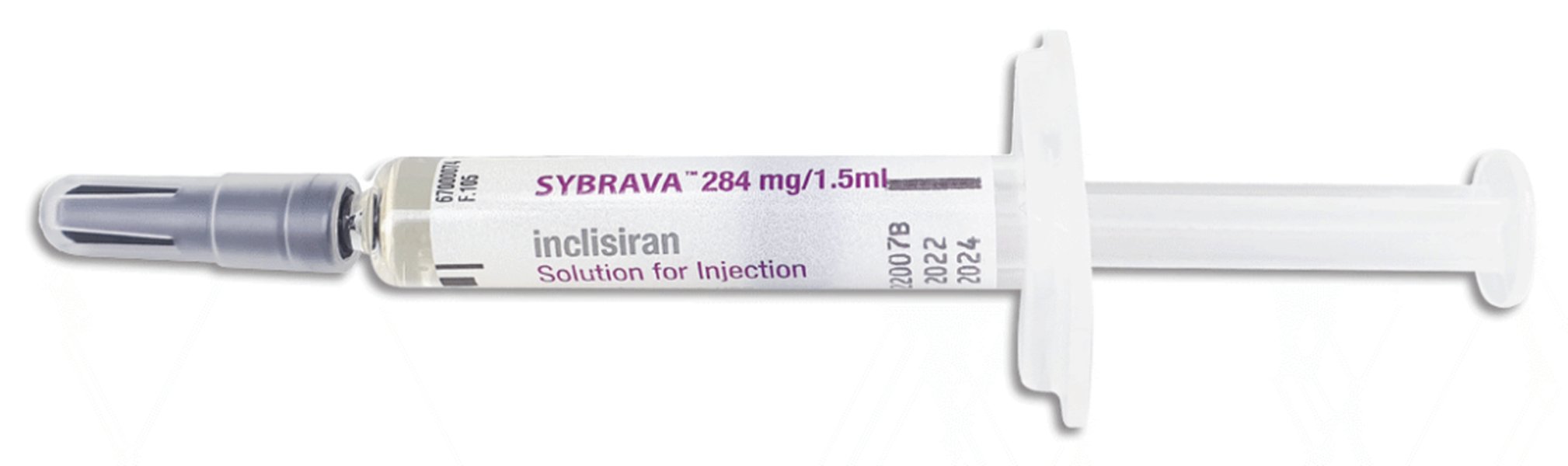
Inclisiran, marketed as Leqvio, is administered via subcutaneous injection.
Statins: Curbing Cholesterol Production
Statins, such as atorvastatin or rosuvastatin, work by inhibiting a key enzyme in the liver's cholesterol manufacturing pathway. This enzyme is HMG-CoA reductase (3-hydroxy-3-methylglutaryl-coenzyme A reductase), which catalyzes a rate-limiting step in cholesterol biosynthesis.
By competitively blocking HMG-CoA reductase, statins decrease the amount of cholesterol produced within liver cells. This reduction in intracellular cholesterol signals the liver cells to increase the number of LDL receptors on their surfaces. More LDL receptors mean that more LDL-C can be taken up from the bloodstream and processed by the liver, ultimately lowering the levels of LDL-C circulating in the blood. Beyond their primary lipid-lowering effect, statins are also known for their "pleiotropic" effects, which include anti-inflammatory properties, improvement in endothelial function, and stabilization of atherosclerotic plaques. These additional benefits contribute to their overall cardiovascular protective effects.

Statins, like Rosuvastatin, are oral medications typically taken daily.
Administration and Dosing Regimens
Comparing How These Medications Are Taken
Inclisiran: Infrequent Injections
Inclisiran is administered as a subcutaneous (under the skin) injection. The dosing schedule is a key feature: an initial dose, followed by a second dose 3 months later, and then maintenance doses every 6 months (twice yearly). This less frequent administration, typically performed by a healthcare professional, is designed to improve long-term patient adherence, a common challenge with daily medications.
Statins: Daily Oral Dosing
Statins are oral medications, usually taken as a pill once a day. The specific dose and type of statin (e.g., low, moderate, or high-intensity) depend on the individual's cholesterol levels, cardiovascular risk, and tolerability. Continuous daily dosing is required to maintain their LDL-C lowering effects.
Efficacy: How Well Do They Lower LDL-C?
Assessing Their Cholesterol-Reducing Power
Both Inclisiran and statins are highly effective in reducing LDL-C levels, though their potency and context of use can differ.
Inclisiran's Impact
Clinical trials (such as the ORION series) have demonstrated that Inclisiran provides significant and sustained LDL-C reductions. When added to maximally tolerated statin therapy or used in patients unable to take statins, Inclisiran typically achieves an LDL-C reduction of around 50-60% compared to placebo. This effect is maintained throughout the 6-month dosing interval. Some studies, like those evaluating an "Inclisiran first" strategy (adding Inclisiran promptly if LDL-C goals aren't met with statins), have shown even greater reductions (e.g., 60% with Inclisiran strategy vs. 7% with usual care).
Statin's Effectiveness
Statins are well-established for their efficacy. Depending on the specific statin and dosage (intensity), they can reduce LDL-C levels by approximately 20% to over 55%. High-intensity statin therapy is a cornerstone for patients with high cardiovascular risk. Decades of research support their role in reducing cardiovascular events.
Network meta-analyses comparing various lipid-lowering therapies often highlight Inclisiran's potent LDL-C lowering, sometimes ranking it highly, even when compared to statins alone or other non-statin therapies like ezetimibe. However, direct head-to-head trials for all combinations are limited.
Safety Profiles and Tolerability
Understanding Potential Side Effects
Inclisiran: Generally Well-Tolerated
Inclisiran has generally demonstrated a favorable safety and tolerability profile in clinical trials, with long-term data extending up to 6 years. The most commonly reported adverse events are injection site reactions, such as redness, pain, or bruising. These are typically mild and transient. Systemic side effects are uncommon. Unlike statins, significant muscle toxicity (myopathy) has not been a notable concern with Inclisiran. There have been rare reports of acute liver injury in real-world usage, but overall, its safety profile is considered good. It does not appear to significantly increase the risk of new-onset diabetes.
Statins: Known Side Effects
Statins are also generally well-tolerated by most patients. However, some individuals experience side effects. The most common are muscle-related symptoms (statin-associated muscle symptoms, SAMS), which can range from mild pain (myalgia) to, rarely, more severe muscle damage (myopathy or rhabdomyolysis). Other potential side effects include an increased risk of developing type 2 diabetes, particularly with high-intensity statins or in individuals already at risk. Abnormal liver enzyme levels can also occur, though clinically significant liver injury is rare. The risk of these side effects can sometimes limit the use of statins or the ability to use them at optimal doses.
Clinical Applications and Patient Suitability
Who Benefits Most from Each Therapy?
Inclisiran: Targeted Use
Inclisiran is approved as an adjunct to diet and exercise for adults with primary hyperlipidemia (including heterozygous familial hypercholesterolemia - HeFH), established atherosclerotic cardiovascular disease (ASCVD), or those at high risk of a cardiovascular event. It is typically used in combination with a statin (and potentially other lipid-lowering therapies) when patients are unable to reach their LDL-C goals with the maximum tolerated dose of a statin. It can also be used alone or with other non-statin therapies for patients who are statin-intolerant. Its infrequent dosing schedule makes it particularly appealing for patients with adherence challenges to daily medications.
Statins: First-Line Foundation
Statins remain the first-line pharmacological therapy for most patients requiring LDL-C reduction for both primary and secondary prevention of cardiovascular disease. Their extensive evidence base, oral administration, and widespread availability (including generic options) make them a foundational treatment. Guidelines consistently recommend statins for patients with elevated LDL-C and/or increased cardiovascular risk.
Combination Strategies
Often, Inclisiran is not seen as a replacement for statins but rather as a powerful additional tool. Many patients with very high LDL-C or very high cardiovascular risk may require combination therapy (e.g., statin + Inclisiran, or statin + ezetimibe + Inclisiran) to achieve stringent LDL-C targets recommended by current guidelines.
Cost-Effectiveness Considerations
Balancing Clinical Benefit and Economic Impact
The cost-effectiveness of these therapies is an important factor in clinical decision-making and healthcare system planning.
Statins, particularly generic versions, are generally highly cost-effective due to their low price and proven benefits in reducing cardiovascular events over the long term.
Inclisiran is a newer, more expensive medication. Cost-effectiveness analyses have yielded mixed results, often depending on the price of Inclisiran, the specific patient population (e.g., very high-risk ASCVD patients, HeFH patients, statin-intolerant patients), and the willingness-to-pay threshold used in the analysis. Some studies suggest that at current prices in certain regions, Inclisiran in combination with statins may not be cost-effective compared to statins alone unless its price is significantly reduced or it's targeted to populations where its benefits are most pronounced and alternative options are limited or less effective.
Comparative Summary: Inclisiran vs. Statins
Key Attributes Side-by-Side
The following table provides a direct comparison of key features between Inclisiran and statins, helping to illustrate their distinct profiles and roles in managing high cholesterol.
| Feature | Inclisiran | Statins |
|---|---|---|
| Primary Mechanism | siRNA inhibiting PCSK9 synthesis in the liver, increasing LDL receptor recycling. | Inhibition of HMG-CoA reductase enzyme, reducing cholesterol production in the liver. |
| Route of Administration | Subcutaneous injection | Oral tablet/capsule |
| Dosing Frequency | Initially at 0 and 3 months, then every 6 months (twice yearly). | Typically once daily. |
| LDL-C Reduction Efficacy (approx.) | Around 50-60% (often as add-on or in specific populations). | Around 20-55+% (depending on type and dose). |
| Common Side Effects | Mild to moderate, transient injection site reactions (e.g., pain, redness, rash). | Muscle pain (myalgia), gastrointestinal upset, potential for elevated liver enzymes, small increased risk of new-onset diabetes. |
| Serious Adverse Events (Rare) | Rare acute liver injury reported in real-world cases. Long-term safety profile still evolving but generally favorable. | Myopathy, rhabdomyolysis, severe liver problems (very rare). |
| Impact on Adherence | Potentially high due to infrequent, healthcare provider-administered dosing. | Variable; daily dosing can be a challenge for some patients. |
| Typical Clinical Use | Adjunct to diet and maximally tolerated statin therapy for ASCVD/HeFH/high CV risk patients not at LDL-C goal; Statin-intolerant patients. | First-line therapy for hypercholesterolemia and cardiovascular risk reduction (primary and secondary prevention). |
| Cost | Higher cost. | Generally lower cost, especially generic versions. |
Visualizing the Differences: A Mindmap Overview
Mapping Key Characteristics of Cholesterol-Lowering Drugs
This mindmap offers a visual summary of the core attributes distinguishing Inclisiran from Statins, highlighting their primary mechanisms, administration routes, and key clinical considerations in the management of hyperlipidemia.
Improved adherence"] id1e["Primary Use: Add-on to statins,
Statin intolerance,
High-risk patients"] id1f["Common Side Effects: Injection site reactions"] id2["Statins"] id2a["Mechanism: HMG-CoA Reductase Inhibitor"] id2b["Administration: Oral Pill"] id2c["Dosing: Daily"] id2d["Key Benefit: Established efficacy,
Pleiotropic effects,
Cost-effective (generics)"] id2e["Primary Use: First-line for hypercholesterolemia,
Primary & Secondary CV prevention"] id2f["Common Side Effects: Muscle symptoms (SAMS),
GI issues,
Risk of new-onset diabetes"]
Comparative Attributes Radar
A Visual Comparison of Key Therapeutic Features
The radar chart below provides an opinionated comparison of Inclisiran and Statins across several key attributes. The scoring reflects general trends based on available evidence: "LDL-C Reduction Efficacy" refers to their power to lower bad cholesterol; "Dosing Convenience" considers the ease and frequency of administration; "Safety Profile (Systemic)" looks at the likelihood of body-wide side effects (lower score indicates more concerns); "Cost (Patient/System)" indicates affordability (lower score means higher cost); "Adherence Potential" relates to how likely patients are to stick to the treatment; and "Established Long-Term Data" reflects the breadth and depth of long-term safety and outcomes evidence.
Expert Insights: Understanding Inclisiran's Role
Mechanism, Benefits, and Clinical Context
The following video provides further details on Inclisiran, discussing its mechanism of action, how it fits into the current landscape of lipid-lowering therapies, and its potential benefits, especially in comparison or combination with existing treatments like statins and ezetimibe. It explores questions around its long-term cardiovascular event reduction data and its overall place in managing high cholesterol.
This discussion highlights Inclisiran's novel approach via RNA interference to target PCSK9, a protein pivotal in LDL receptor degradation. By inhibiting PCSK9 synthesis, Inclisiran leads to more LDL receptors on liver cells, thereby enhancing the clearance of LDL cholesterol from the bloodstream. The video touches upon its administration schedule—typically two injections per year after an initial loading phase—which contrasts sharply with the daily oral regimen of statins. This convenience factor is often emphasized as a significant advantage for patient adherence. Furthermore, the video likely delves into its efficacy, noting the substantial LDL-C reductions observed in clinical trials, often around 50%, even in patients already on maximally tolerated statin therapy or those who are statin-intolerant. The discussion may also cover its safety profile, generally characterized by mild injection-site reactions, and how it compares to the side-effect profiles of statins (e.g., muscle symptoms) or other PCSK9 inhibitors (monoclonal antibodies). The role of Inclisiran in combination therapy, its use in specific patient populations (like those with familial hypercholesterolemia or established cardiovascular disease), and the ongoing research into its long-term impact on cardiovascular outcomes are critical aspects often explored by experts in such discussions.
Frequently Asked Questions (FAQ)
Can Inclisiran completely replace statins for cholesterol management? ▼
Not typically. Statins remain the first-line treatment for most patients due to their extensive evidence base, oral administration, and cost-effectiveness. Inclisiran is often used as an add-on therapy for patients who do not reach their LDL-C goals with maximally tolerated statin therapy, or for those who are statin-intolerant. In some specific cases of statin intolerance, Inclisiran might be considered as an alternative, alone or in combination with other non-statin lipid-lowering therapies.
Who is an ideal candidate for Inclisiran therapy? ▼
Ideal candidates for Inclisiran include:
- Adults with established atherosclerotic cardiovascular disease (ASCVD) who require additional LDL-C lowering despite being on maximally tolerated statin therapy.
- Adults with heterozygous familial hypercholesterolemia (HeFH) needing further LDL-C reduction.
- Adults at high cardiovascular risk who are not achieving their LDL-C targets with statins.
- Adults who are genuinely intolerant to statins and require significant LDL-C lowering.
- Patients who may benefit from a less frequent dosing regimen to improve adherence.
The decision should always be made in consultation with a healthcare provider.
What are the main advantages of Inclisiran's twice-yearly dosing schedule? ▼
The primary advantage is improved patient adherence. Many patients struggle with taking daily medications consistently over the long term. A twice-yearly injection, typically administered by a healthcare professional, ensures that the medication is delivered as prescribed, leading to sustained LDL-C reduction. This can be particularly beneficial for individuals with complex medication regimens or those who find daily dosing burdensome. It also reduces the "pill burden" for patients.
Are there any significant drug interactions to be aware of with Inclisiran or statins? ▼
Inclisiran: Inclisiran has a low potential for drug interactions because it is an siRNA that is primarily metabolized by nucleases and does not significantly interact with common drug-metabolizing enzymes like cytochrome P450. Clinical studies have not identified major clinically relevant drug interactions.
Statins: Statins, on the other hand, can have several significant drug interactions. Many statins are metabolized by cytochrome P450 enzymes (particularly CYP3A4 and CYP2C9). Medications that inhibit these enzymes (e.g., certain antifungals, antibiotics like erythromycin, protease inhibitors, grapefruit juice) can increase statin levels in the blood, raising the risk of side effects like muscle problems. Conversely, drugs that induce these enzymes can lower statin levels, reducing their effectiveness. It's crucial for patients to inform their doctor about all medications and supplements they are taking.
Recommended Further Exploration
Delve Deeper into Lipid Management Strategies
- What are the long-term cardiovascular outcome data for Inclisiran therapy?
- How does ezetimibe compare to Inclisiran when added to statin therapy?
- Are there specific dietary or lifestyle changes that enhance the effectiveness of Inclisiran or statins?
- What is the management approach for patients experiencing statin-associated muscle symptoms (SAMS)?
References
Sources for Further Reading
Last updated May 10, 2025