
Discover the Transformative Potential of Inclusive Dance Therapy
Explore how dance bridges physical, emotional, and social well-being for disabled individuals
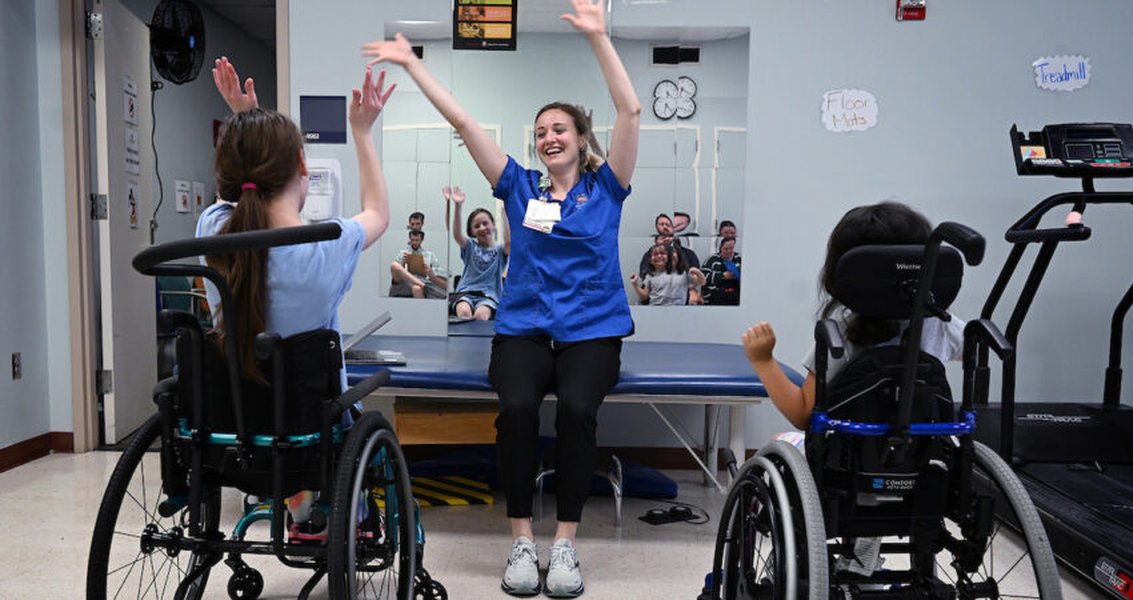
Key Insights
- Holistic Benefits: Inclusive dance therapy enhances physical, mental, and social aspects, promoting overall well-being.
- Adaptive Techniques: Movement modifications and creative improvisations make dance accessible to all abilities.
- Inclusive Environment: Tailored programs and community engagement foster empowerment and self-expression.
Understanding Inclusive Dance Therapy
Inclusive dance therapy is an innovative practice that uses movement as a medium to improve the quality of life for individuals with disabilities. By integrating principles from dance and movement therapy with adaptive techniques, this approach provides physical benefits such as enhanced mobility, strength, and flexibility while also fostering emotional expression and social inclusion.
The intersectionality of dance as both an art form and a therapeutic modality allows participants to break free from traditional communication barriers. This enables disabled individuals—regardless of physical, cognitive, or sensory challenges—to engage, express, and experience transformation through movement. Inclusive dance therapy is not only intended to relieve physical symptoms like chronic pain and limited mobility but also to uplift emotional and mental health by reducing stress, anxiety, and feelings of isolation.
Components and Techniques of Inclusive Dance Therapy
Adaptive Movement and Creative Processes
At its core, inclusive dance therapy emphasizes adaptive practices that make dance accessible to all participants. Techniques such as modified movements, the use of props, and wheelchair-adapted choreography ensure that every individual can participate fully. Instructors in these programs are often trained to provide a safe, inclusive, and supportive environment where spontaneity and creative expression thrive.
Holistic Therapy Integration
Beyond motor skills, inclusive dance integrates emotional and cognitive strategies to promote overall wellness. It recognizes that dance is instrumental in expressing emotions non-verbally, thereby assisting individuals in processing feelings and building confidence. Cognitive benefits are achieved by learning choreography and engaging in coordination activities, which sharpen focus and spatial awareness.
Social and Community Engagement
Central to inclusive dance therapy is the creation of spaces that foster community. By allowing both disabled and non-disabled individuals to come together, these programs encourage mutual understanding and break down social barriers. The shared experience of dance helps build a supportive network, reducing the stigma often associated with disabilities.
Visualizing the Impact: A Radar Chart Overview
The radar chart below represents the various benefits of inclusive dance therapy across key dimensions like physical health, emotional well-being, social inclusion, cognitive development, and adaptability. Each aspect is rated subjectively, reflecting the transformative power of dance in these areas.
Programs and Organizations Promoting Inclusive Dance Therapy
A variety of organizations and initiatives worldwide are dedicated to offering inclusive dance therapy programs. These bodies tailor their practices to meet the diverse needs of participants, ensuring that every session promotes growth, empowerment, and holistic well-being.
Notable Inclusive Dance Programs
| Organization | Description | Focus Area |
|---|---|---|
| Dance for All Bodies | A nonprofit that offers adaptive, inclusive dance classes for participants of all abilities. | Adaptive Techniques & Community Engagement |
| Step Change Studios | Provides dance workshops that incorporate adaptive methods for individuals with varying disabilities. | Physical and Emotional Wellness |
| Axis Dance Company | Integrates disabled and non-disabled artists in its productions, breaking down social barriers. | Inclusive Performances & Social Integration |
| The Dance Ability Movement | Focuses on creating accessible dance programming that results in holistic benefits. | Accessible Dance & Empowerment |
| NDI DREAM Project | Offers programs designed to involve children of various abilities, utilizing structure and creativity. | Cognitive Engagement and Expressive Arts |
The table above summarizes key organizations, explaining how they implement inclusive strategies that combine adaptive techniques with community-driven goals. These entities contribute to a broader movement that confirms the value of inclusion and transformative change through dance.
Mindmap of Inclusive Dance Therapy Concepts
The following mindmap provides a visual representation of the core concepts underpinning inclusive dance therapy. It outlines the interplay among various elements such as physical benefits, emotional upliftment, cognitive stimulation, and social connection.
The mindmap illustrates the interrelationship between various aspects of inclusive dance therapy, highlighting how each component contributes to overall well-being.
Enhancing Learning Through Multimedia
To further understand the practical application and transformative power of inclusive dance therapy, observe the following video which documents adaptive dance classes and personal testimonials from participants. This video provides real-world insights into the dynamic environment of adaptive movement therapy.
FAQ Section
What is inclusive dance therapy?
How does inclusive dance therapy benefit individuals with disabilities?
Who can participate in inclusive dance therapy?
What types of programs exist?
References
- Dance for All Bodies - Dance For All Bodies
- MOVE Inclusive Dance FAQs - MOVE Inclusive Dance
- Step Change Studios Inclusive Dance - Disability Horizons
- Frontiers in Psychology - Inclusive Dance Therapy Benefits
-
Edutopia on Mixed-Ability Dance - Edutopia
- ISTD Inclusive Dance Practice - ISTD
Recommended Queries
Last updated March 31, 2025