
Unlock Your Cognitive Potential: Science-Backed Strategies to Enhance Your IQ
Explore effective methods, from lifestyle changes to cognitive training, to boost your brainpower and problem-solving skills.
Highlights: Key Pillars for IQ Enhancement
- Adopt Brain-Boosting Lifestyle Habits: Regular physical exercise, a nutrient-rich diet, quality sleep, and stress management form the foundation for optimal cognitive function.
- Engage in Continuous Cognitive Stimulation: Challenge your brain consistently through activities like reading, learning new skills (languages, musical instruments), puzzles, and strategic games.
- Embrace Lifelong Learning: Cultivate curiosity and actively seek out new knowledge and experiences to foster cognitive growth and flexibility.
The Malleable Mind: Understanding Neuroplasticity and IQ
Your Brain's Capacity for Growth
Neuroplasticity is the scientific principle underpinning the potential to increase IQ. It refers to the brain's ability to change its structure and function in response to experience, learning, and environmental demands. When you learn something new, practice a skill, or even change your routine, you are essentially rewiring your brain, creating and strengthening neural pathways. This adaptability means that intelligence isn't just about inherent ability; it's also about how effectively you engage and challenge your cognitive faculties.
IQ tests typically measure a range of cognitive skills, including:
- Logical Reasoning: The ability to analyze problems and deduce solutions.
- Working Memory: Holding and manipulating information temporarily.
- Verbal Comprehension: Understanding and using language effectively.
- Visuospatial Skills: Interpreting and manipulating visual information.
- Processing Speed: How quickly you can perform mental tasks.
By targeting these areas through specific activities and lifestyle choices, you can potentially improve your performance on IQ assessments and enhance your overall cognitive functioning.
Lifestyle Adjustments for a Sharper Mind
Fueling Your Brain for Peak Performance
Your daily habits significantly impact your brain health and cognitive abilities. Integrating the following lifestyle changes can create an environment where your intellect can thrive.
 Engaging in physical activity supports brain structure and function.
Physical Exercise: More Than Just Body Benefits
Regular physical activity is consistently linked to improved cognitive function. Exercise enhances blood flow to the brain, delivering vital oxygen and nutrients. It also promotes neurogenesis (the birth of new neurons) and strengthens connections between existing ones. Studies show exercise particularly benefits executive functions – skills like planning, organization, working memory, and multitasking. Aim for at least 30 minutes of moderate-intensity aerobic exercise (like brisk walking, jogging, swimming, or cycling) most days of the week.
Nutrition for Cognition: Eating for Brain Health
What you eat directly affects your brain's structure and function. A balanced diet rich in specific nutrients can support cognitive processes and protect against decline.
- Omega-3 Fatty Acids: Found in fatty fish (salmon, mackerel), walnuts, flaxseeds, and chia seeds, these are crucial for building brain cell membranes and have anti-inflammatory properties.
- Antioxidants: Present in blueberries, dark chocolate, spinach, kale, and other colorful fruits and vegetables, antioxidants combat oxidative stress, which can damage brain cells.
- B Vitamins: Essential for energy production and neurotransmitter synthesis. Found in whole grains, meat, eggs, legumes, and leafy greens.
- Hydration: Dehydration can impair focus and cognitive performance, so ensure adequate water intake.
Some research suggests vegetarian diets might be associated with strong intellectual functioning, possibly due to higher intake of fruits, vegetables, and whole grains. Limiting processed foods, excessive sugar, and unhealthy fats is also beneficial.
 A diet rich in brain-boosting nutrients can enhance cognitive function.
The Power of Sleep: Rest and Cognitive Restoration
Quality sleep is non-negotiable for optimal brain function. During sleep, the brain consolidates memories, clears out metabolic waste products, and processes information learned during the day. Chronic sleep deprivation impairs attention, memory, reasoning, and problem-solving abilities. Aim for 7-9 hours of consistent, restorative sleep per night.
Stress Management: Calming the Mind
Chronic stress floods the brain with cortisol, a hormone that can impair memory formation and damage brain cells over time. Implementing stress-reduction techniques is vital for cognitive health.
- Mindfulness and Meditation: Practices like meditation can improve focus, attention, and emotional regulation, filtering distractions and enhancing cognitive control. Even 10 minutes daily can make a difference.
- Yoga and Deep Breathing: These combine physical movement with mindful breathing, promoting relaxation.
- Spending Time in Nature: Nature exposure has restorative effects on mental fatigue.
Cognitive Training and Mental Stimulation
Exercising Your Brain Muscles
Just like physical exercise strengthens the body, mental exercises strengthen cognitive abilities. Engaging in activities that challenge your brain builds cognitive reserve and enhances specific skills tested by IQ measures.
Lifelong Learning: The Ultimate Brain Workout
Continuously learning new things is one of the most effective ways to keep your brain sharp and adaptable.
- Reading Widely: Reading exposes you to new vocabulary, complex ideas, different perspectives, and enhances comprehension and critical thinking. Regular reading from an early age is strongly linked to cognitive development.
- Acquiring New Skills: Learning a musical instrument, a new language, coding, or any complex skill stimulates various brain regions, enhances memory, and promotes cognitive flexibility. Learning an instrument, for instance, is known to improve working memory.
- Formal Education: Taking courses, attending workshops, or pursuing further education challenges your reasoning and problem-solving skills.
 Engaging in diverse mental activities strengthens cognitive functions.
Brain Games and Puzzles: Sharpening Specific Skills
Targeted activities can hone specific cognitive functions:
- Memory Training: Activities like memory card games (Concentration), learning sequences, or using mnemonic devices challenge and improve working memory.
- Visuospatial Reasoning: Jigsaw puzzles, navigating with maps, playing certain video games, working with 3D models, or solving mazes enhance your ability to visualize and manipulate spatial information.
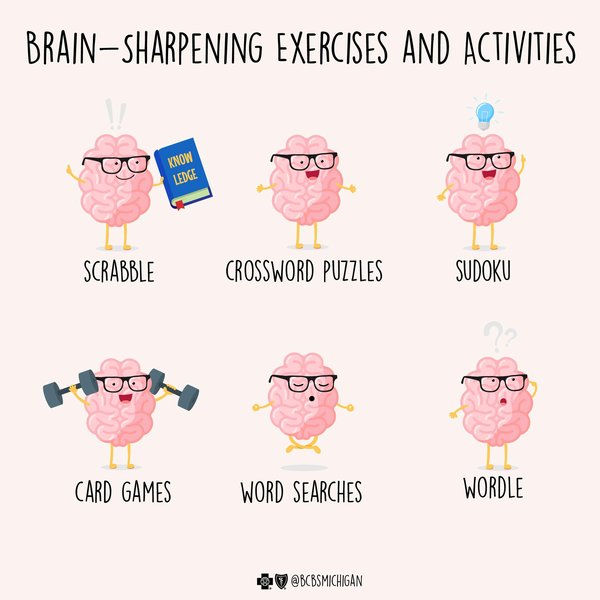
- Executive Control Activities: Strategy games (chess, Scrabble), logic puzzles (Sudoku), crosswords, and problem-solving tasks require planning, decision-making, and flexible thinking.
- Relational Skills Training: Activities involving comparing and contrasting objects or concepts, understanding analogies, or engaging in language learning books can improve relational reasoning, a component of fluid intelligence.
Breaking Routines and Seeking Novelty
Stepping outside your comfort zone and experiencing new things challenges your brain to adapt. Try taking a different route to work, exploring a new hobby, traveling, or engaging in activities that require improvisation and creative thinking.
Visualizing Cognitive Enhancement Efforts
Mapping the Pathways to a Higher IQ
Understanding how different activities contribute to various cognitive domains can help tailor your approach. The following chart provides a conceptual overview of the *potential relative impact* of various IQ-boosting strategies on key cognitive functions. Note that these are illustrative estimates based on synthesized research findings, not precise measurements.
Impact Assessment of IQ-Boosting Activities
This chart illustrates that while some activities like learning a new language or reading broadly impact multiple areas, others like specific puzzles might target logical reasoning more directly. A balanced approach incorporating various strategies is likely most effective.
Mapping Your IQ Enhancement Journey
A Mindmap Overview
To visualize the interconnectedness of these strategies, here is a mindmap outlining the key areas and activities involved in boosting cognitive abilities and potentially increasing IQ.
(Aerobic, Strength)"] id1b["Healthy Diet
(Omega-3s, Antioxidants, Vitamins)"] id1c["Quality Sleep
(7-9 hours)"] id1d["Stress Management
(Meditation, Mindfulness, Yoga)"] id2["Cognitive Training"] id2a["Memory Exercises
(Games, Mnemonics)"] id2b["Visuospatial Tasks
(Puzzles, Maps, 3D Models)"] id2c["Executive Control
(Strategy Games, Logic Puzzles)"] id2d["Relational Skills
(Comparisons, Analogies)"] id3["Learning & Stimulation"] id3a["Reading Widely"] id3b["Learning New Skills
(Music, Language, Coding)"] id3c["Formal Education"] id3d["Seeking Novel Experiences"] id4["Other Factors"] id4a["Social Engagement"] id4b["Maintaining Health
(Blood Pressure, Blood Sugar)"] id4c["Growth Mindset"] id4d["Consistency & Patience"]
This mindmap shows how different categories of activities contribute to the overall goal of enhancing cognitive function. Lifestyle habits form the foundation, while cognitive training targets specific skills, and continuous learning provides broad stimulation.
Summary of Key IQ-Boosting Activities
A Quick Reference Table
The table below summarizes some of the most effective activities discussed, their primary cognitive benefits relevant to IQ, and specific examples.
| Activity Category | Primary Cognitive Benefits | Examples |
|---|---|---|
| Physical Exercise | Executive Function, Memory, Processing Speed | Brisk Walking, Jogging, Swimming, Dancing |
| Healthy Eating | Overall Brain Health, Memory, Focus | Eating fish, nuts, seeds, berries, leafy greens |
| Quality Sleep | Memory Consolidation, Attention, Reasoning | Consistent 7-9 hours sleep schedule |
| Stress Reduction | Focus, Emotional Regulation, Memory | Meditation, Mindfulness, Yoga, Deep Breathing |
| Reading | Verbal Comprehension, Knowledge Acquisition, Reasoning | Books, Articles, Journals |
| Learning New Skills | Cognitive Flexibility, Working Memory, Problem Solving | Musical Instruments, New Languages, Coding |
| Puzzles & Games | Logical Reasoning, Visuospatial Skills, Working Memory | Sudoku, Crosswords, Jigsaw Puzzles, Chess, Scrabble |
| Social Interaction | Verbal Skills, Perspective Taking, Mental Stimulation | Conversations, Group Activities, Debates |
Remember that consistency is key. Integrating these activities into your regular routine provides the best chance for long-term cognitive enhancement.
Exploring Multiple Intelligences
Insights from Jim Kwik
The concept of intelligence extends beyond the traditional IQ score. Expert Jim Kwik discusses various forms of intelligence and how nurturing them contributes to overall cognitive ability and success. Understanding these different facets can provide a broader perspective on intellectual development.
In this video, Jim Kwik explores Howard Gardner's theory of multiple intelligences, suggesting that focusing solely on traditional IQ metrics might limit our understanding of our full capabilities. He touches upon intelligences like linguistic, logical-mathematical, spatial, musical, bodily-kinesthetic, interpersonal, intrapersonal, and naturalist intelligence. Developing skills across these diverse areas can contribute to a more well-rounded and adaptable mind, indirectly supporting the cognitive functions measured by standard IQ tests.
Frequently Asked Questions (FAQ)
Addressing Common Queries About Increasing IQ
References
- 8 Ways to Increase Your IQ Levels - Healthline
- Six Ways to Boost Brainpower - Scientific American
- Foods linked to better brainpower - Harvard Health
- How to Increase Your IQ: 15 Effective & Science-Backed Ways - WikiHow
- 18 Habits to Become Smarter & Improve Your Intelligence - Develop Good Habits
- Boost Your Brain Power - Dartmouth Health
- Can You Naturally Increase Your Intelligence? - Scientific Origin
Recommended Reading
Last updated April 16, 2025