
Comprehensive Strategies to Increase Your Lifespan
Unlocking the Secrets to a Longer, Healthier Life
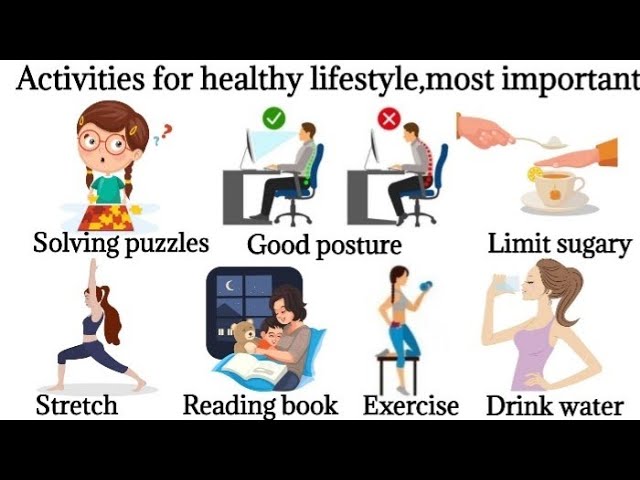
Key Takeaways
- Maintain a Balanced Diet: Emphasize whole, unprocessed foods while limiting harmful substances.
- Stay Physically Active: Incorporate a variety of exercises to enhance overall health and longevity.
- Foster Social and Mental Well-Being: Build strong relationships and engage in activities that stimulate the mind.
1. Adopt a Healthy and Balanced Diet
Nutrient-Dense Foods for Optimal Health
A cornerstone of longevity is maintaining a nutrient-dense diet. Focusing on whole, unprocessed foods provides essential vitamins, minerals, and antioxidants crucial for the body's proper functioning and defense against chronic diseases.
a. Embrace the Mediterranean and Plant-Based Diets
The Mediterranean diet, rich in fruits, vegetables, whole grains, legumes, nuts, and olive oil, is repeatedly linked to reduced risks of heart disease, cancer, and cognitive decline. Similarly, plant-based diets emphasize the consumption of plant-derived foods, which are high in fiber and low in unhealthy fats, contributing to better health outcomes.
b. Incorporate Superfoods for Enhanced Longevity
Superfoods such as berries, leafy greens, nuts, and seeds are packed with antioxidants and anti-inflammatory properties. Including these in your diet can combat oxidative stress and reduce inflammation, both of which are associated with aging and various diseases.
c. Practice Portion Control and Mindful Eating
Adopting portion control techniques, like the Okinawan principle of eating until 80% full, can prevent overeating and support a healthy weight. Mindful eating encourages paying attention to hunger and satiety cues, enhancing the overall relationship with food.
d. Limit Processed Foods and Harmful Substances
Minimizing the intake of processed foods, sugary beverages, and excessive red meats is crucial. These foods often contain unhealthy fats, high levels of sodium, and added sugars, which can lead to obesity, hypertension, and metabolic disorders.
2. Engage in Regular Physical Activity
Building a Comprehensive Exercise Routine
Physical activity is essential for maintaining cardiovascular health, muscle mass, bone density, and overall mobility. A well-rounded exercise regimen includes various types of activities to address different aspects of fitness.
a. Aerobic Exercise for Cardiovascular Health
Engaging in activities such as walking, running, cycling, or swimming for at least 150 minutes of moderate-intensity or 75 minutes of vigorous-intensity per week can significantly improve heart health, endurance, and metabolic efficiency.
b. Strength Training for Muscle and Bone Maintenance
Incorporating muscle-strengthening activities at least twice a week helps maintain muscle mass, enhance bone density, and increase metabolic rate. Exercises like weightlifting, resistance band workouts, or body-weight exercises are effective choices.
c. Flexibility and Balance Exercises
Practices such as yoga, tai chi, or Pilates improve flexibility, balance, and coordination, reducing the risk of falls and enhancing overall mobility, especially as one ages.
d. Incorporate Movement into Daily Activities
Simple activities like walking or gardening can contribute to overall physical activity levels, ensuring consistent movement throughout the day and minimizing sedentary behavior.
3. Maintain a Healthy Weight
Balancing Body Mass for Longevity
Achieving and maintaining a healthy weight is pivotal in reducing the risk of various chronic diseases, including diabetes, hypertension, and cardiovascular diseases. Monitoring Body Mass Index (BMI) is a practical approach to assessing weight status.
a. Understanding and Monitoring BMI
BMI is calculated using the formula:
BMI = \frac{weight (kg)}{height^2 (m^2)}A BMI between 18.5 and 24.9 is considered healthy. Maintaining a BMI within this range helps mitigate risks associated with both underweight and obesity.
b. Sustainable Weight Management Strategies
Combining a balanced diet with regular physical activity promotes sustainable weight management. Avoiding fad diets and focusing on long-term lifestyle changes ensures better adherence and health outcomes.
4. Avoid Harmful Habits
Eliminating Risk Factors for a Longer Life
Reducing or eliminating harmful habits significantly impacts overall health and lifespan. Key areas include smoking cessation, moderating alcohol consumption, and avoiding substance abuse.
a. Quit Smoking
Smoking is a leading cause of preventable diseases, including various cancers, heart disease, and respiratory conditions. Quitting smoking at any age can drastically reduce these health risks and improve life expectancy.
b. Moderate Alcohol Consumption
Excessive alcohol intake is linked to liver disease, cardiovascular problems, and increased cancer risk. Limiting alcohol to one drink per day for women and two for men is recommended to minimize these risks.
c. Avoid Substance Abuse
Substance abuse, particularly opioids and other illicit drugs, can lead to severe health complications and significantly shorten lifespan. Seeking professional help to overcome addiction is crucial for long-term health.
5. Prioritize Quality Sleep
Restorative Sleep for Health and Longevity
Quality sleep is essential for physical repair, cognitive function, and emotional well-being. Consistently achieving adequate sleep supports various bodily functions and reduces the risk of chronic diseases.
a. Establish a Consistent Sleep Schedule
Aiming for 7-9 hours of sleep per night and maintaining consistent sleep and wake times enhances sleep quality. Regular sleep patterns regulate the body's internal clock, promoting better rest.
b. Create a Restful Sleep Environment
Optimizing the sleep environment by reducing noise, controlling room temperature, and minimizing light exposure can significantly improve sleep quality. Avoiding screens before bedtime also aids in falling asleep faster.
c. Incorporate Short Daytime Naps
Short naps, or siestas, can provide additional rest without disrupting nighttime sleep cycles. Limiting naps to 20-30 minutes helps maintain alertness and energy levels.
6. Manage Stress Effectively
Reducing Stress for Better Health and Longevity
Chronic stress has been linked to numerous health issues, including heart disease, depression, and weakened immune function. Effective stress management techniques are vital for maintaining mental and physical health.
a. Practice Mindfulness and Meditation
Mindfulness practices and meditation help in reducing stress levels by promoting relaxation and enhancing emotional regulation. Regular practice can lead to long-term mental resilience.
b. Engage in Breathing Exercises
Deep breathing exercises, such as diaphragmatic breathing or the 4-7-8 technique, can quickly reduce stress and promote a sense of calm.
c. Pursue Relaxing Hobbies
Engaging in hobbies like reading, gardening, or creative arts provides a mental break from daily stressors, enhancing overall well-being.
7. Foster Strong Social Connections
Building Relationships for a Longer, Happier Life
Strong social ties are closely associated with increased longevity and psychological well-being. Nurturing relationships with family, friends, and the community provides emotional support and a sense of belonging.
a. Maintain Meaningful Relationships
Investing time and effort into building and maintaining strong relationships fosters emotional support, reduces feelings of loneliness, and contributes to mental health.
b. Participate in Community Activities
Engaging in community events, volunteer work, or group activities enhances social interactions, builds networks, and provides a sense of purpose.
c. Nurture Family Bonds
Spending quality time with family members strengthens interpersonal connections, offering a reliable support system during challenging times.
8. Engage in Mental Activities
Stimulating the Mind for Cognitive Health and Longevity
Keeping the mind active through various mental activities helps maintain cognitive function and reduces the risk of cognitive decline and dementia.
a. Pursue Lifelong Learning
Engaging in continuous learning, whether through formal education, reading, or skill development, stimulates the brain and promotes cognitive flexibility.
b. Participate in Brain-Stimulating Games
Activities like puzzles, chess, or memory games challenge the brain, enhancing problem-solving skills and memory retention.
c. Maintain a Sense of Purpose
Having a sense of purpose, such as through volunteering, hobbies, or career goals, fosters mental resilience and motivation, contributing to overall longevity.
9. Regular Health Checkups and Preventive Care
Early Detection and Management for a Longer Life
Proactive healthcare practices, including regular medical checkups and preventive screenings, play a vital role in identifying and managing potential health issues before they become severe.
a. Schedule Regular Medical Screenings
Routine screenings for conditions like hypertension, diabetes, high cholesterol, and certain cancers enable early detection and more effective treatment.
b. Stay Updated with Vaccinations
Maintaining up-to-date vaccinations protects against preventable diseases, contributing to overall health and reducing the risk of complications.
c. Engage in Preventive Healthcare Practices
Adopting preventive measures such as maintaining a healthy lifestyle, managing stress, and avoiding harmful substances complements medical interventions in promoting longevity.
10. Environmental and Lifestyle Factors
Optimizing Your Surroundings for Better Health
Your environment significantly impacts your health and lifespan. Creating a healthy living space and minimizing exposure to harmful substances can enhance overall well-being.
a. Ensure Good Air Quality
Living in areas with clean air reduces the risk of respiratory diseases and cardiovascular problems. Avoiding polluted environments and using air purifiers can improve air quality indoors.
b. Limit Exposure to Toxins
Reducing contact with environmental toxins, such as pesticides, heavy metals, and industrial chemicals, lowers the risk of various health issues, including cancer and hormonal imbalances.
c. Optimize Sunlight Exposure
Moderate sunlight exposure facilitates vitamin D production, essential for bone health and immune function. However, it's important to balance this with protection against overexposure to prevent skin cancer.
d. Create a Healthy Home Environment
Maintaining cleanliness, reducing clutter, and ensuring proper ventilation in your living spaces contribute to better mental and physical health.
11. Additional Tips for Enhancing Longevity
Supplementary Strategies to Boost Lifespan
Beyond the primary strategies, several additional practices can further support a longer, healthier life.
a. Stay Hydrated
Consuming adequate water is essential for bodily functions, including digestion, circulation, and temperature regulation. Aim for at least 8 glasses of water daily, adjusting based on activity levels and climate.
b. Consider Intermittent Fasting
Intermittent fasting involves alternating periods of eating and fasting, which may improve metabolic health, reduce inflammation, and promote cellular repair processes, potentially extending lifespan.
c. Cultivate Conscientiousness
Being organized, efficient, and goal-oriented fosters a structured lifestyle that can reduce stress and improve overall health management.
d. Engage in Long-Lived Hobbies
Activities like gardening, painting, or playing a musical instrument not only provide enjoyment but also contribute to physical activity, mental stimulation, and emotional well-being.
e. Prioritize Mental Resilience
Developing the ability to cope with life's challenges enhances emotional stability and reduces the impact of stress on physical health, promoting a longer, happier life.
Recap and Conclusion
Integrating Healthy Habits for a Longer Life
Increasing lifespan is a multifaceted endeavor that involves adopting comprehensive lifestyle changes. By maintaining a balanced diet, engaging in regular physical activity, managing stress, fostering social connections, and prioritizing preventive healthcare, you can significantly enhance both the quality and quantity of your years. Consistency and dedication to these practices are key, as gradual, sustainable changes are more effective than temporary efforts.
References
- Harvard Health Publishing: https://www.health.harvard.edu/staying-healthy/longevity-lifestyle-strategies-for-living-a-healthy-long-life
- Healthline: https://www.healthline.com/health-news/healthy-ways-to-improve-longevity
- Johns Hopkins Medicine: https://www.hopkinsmedicine.org/health/wellness-and-prevention/4-top-ways-to-live-longer
- Medical News Today: https://www.medicalnewstoday.com/articles/8-healthy-longevity-habits-add-24-years-to-lifespan
- Healthline Nutrition: https://www.healthline.com/nutrition/13-habits-linked-to-a-long-life
- National Institutes of Health: https://newsinhealth.nih.gov/2016/06/can-you-lengthen-your-life
- WebMD: https://www.webmd.com/healthy-aging/ss/slideshow-longer-life-secrets
- New York Times: https://www.nytimes.com/2024/01/04/well/live/live-longer-health.html
- CNN Health: https://www.cnn.com/2023/07/24/health/habits-live-longer-wellness/index.html
- NPR Health Shots: https://www.npr.org/sections/health-shots/2023/09/09/1198047149/blue-zones-health-centenarians-healthy-habits
Last updated January 27, 2025