
Unlocking India's Green Future: How Strategic Project Management Fuels Renewable Energy Goals
Discover the innovative approaches driving India's ambitious solar and wind energy targets, ensuring resource efficiency and long-term sustainability.
Key Highlights of India's Renewable Energy Project Management
- India's Renewable Surge: Solar generation leads with a 64% share, propelling installed capacity beyond 102 GW by February 2025.
- Global Leadership: India became the third-largest wind and solar power generator globally in 2024, surpassing Germany and more than doubling its solar capacity.
- Ambitious Targets: India is on track to meet its goal of 500 GW of non-fossil fuel-based energy capacity by 2030, driven by policy interventions and financial support.
India's Renewable Energy Revolution: A Project Management Perspective
India is undergoing a significant transformation towards renewable energy, driven by the imperative to meet its growing electricity demand sustainably while diminishing reliance on fossil fuels. This transition is propelled by ambitious targets and strategic project management approaches focused on optimizing resources and ensuring long-term sustainability. As of January 2025, India's non-fossil fuel-based energy capacity reached 217.62 GW, positioning the nation as a global leader in renewable energy. The country aims to achieve 500 GW of non-fossil fuel capacity by 2030, necessitating meticulous project management strategies across various renewable energy sectors.
Strategic Initiatives Driving Renewable Energy Growth
Several strategic initiatives are fueling India's renewable energy growth, including policy interventions, financial support, and manufacturing expansion in solar PV and wind turbines. Key policies and initiatives include:
- Jawaharlal Nehru National Solar Mission (JNNSM): Introduced in 2010, this mission significantly boosted India's solar energy journey.
- Production-Linked Incentive (PLI) Scheme: This scheme has encouraged both domestic and international companies to invest in the clean energy space.
- International Solar Alliance (ISA): India initiated the ISA, an alliance of 121 countries, to promote and develop solar power and mobilize $1 trillion of investment by 2030.
These initiatives, coupled with financial support and infrastructure development, are crucial for achieving India's ambitious renewable energy targets.
The Role of Project Management in Achieving Renewable Energy Targets
Effective project management is paramount in achieving India's renewable energy targets. This involves careful planning, resource allocation, risk management, and monitoring to ensure projects are completed on time and within budget. Key aspects of project management in the renewable energy sector include:
- Resource Optimization: Efficiently managing resources such as land, materials, and finances is critical.
- Stakeholder Coordination: Coordinating with various stakeholders, including government agencies, private companies, and local communities, is essential for smooth project execution.
- Technology Adoption: Embracing innovative technologies to improve project efficiency and reduce costs.
- Risk Management: Identifying and mitigating potential risks, such as regulatory hurdles, financial constraints, and technological challenges.
Resource Optimization Strategies in Renewable Energy Projects
Optimizing resources is crucial for the success of renewable energy projects. This involves efficient use of land, materials, and financial resources.
Land Use Optimization
Large-scale renewable energy projects, such as solar parks and wind farms, require significant land. Optimizing land use involves:
- Site Selection: Choosing locations with high renewable energy potential and minimal environmental impact.
- Land Acquisition: Streamlining the land acquisition process to avoid delays and conflicts with local communities.
- Innovative Designs: Implementing designs that maximize energy generation per unit of land.
For instance, combining solar and wind projects in the same location can optimize land use and energy generation.
Material Efficiency
Efficient use of materials is essential for reducing costs and environmental impact. Strategies include:
- Local Sourcing: Sourcing materials locally to reduce transportation costs and support local economies.
- Recycling: Using recycled materials to minimize waste and reduce environmental footprint.
- Advanced Materials: Employing advanced materials that are more durable and efficient.
Investing in research and development to create more sustainable and efficient materials is also crucial.
Financial Management
Effective financial management is critical for attracting investments and ensuring project viability. Key strategies include:
- Public-Private Partnerships (PPPs): Utilizing PPPs to leverage private sector expertise and capital.
- Green Financing: Accessing green bonds and other financial instruments to fund renewable energy projects.
- Risk Mitigation: Implementing risk mitigation strategies to attract investors and reduce financial uncertainties.
Government-backed non-banking financial institutions (NBFIs) play a vital role in bridging the funding gap for large-scale renewable energy projects.
Sustainability Metrics and Growth in India's Renewable Energy Sector
Tracking sustainability metrics and monitoring growth are essential for assessing the progress of India's renewable energy sector and ensuring long-term viability.
Key Sustainability Metrics
Several key metrics are used to measure the sustainability of renewable energy projects:
- Carbon Emissions Reduction: Measuring the reduction in carbon emissions compared to fossil fuel-based energy generation.
- Energy Efficiency: Assessing the efficiency of energy generation and distribution.
- Water Usage: Monitoring water usage in renewable energy projects, particularly in hydropower and biomass.
- Social Impact: Evaluating the social and economic benefits of renewable energy projects, such as job creation and improved access to electricity.
Regular monitoring and reporting of these metrics are crucial for ensuring the sustainability of renewable energy projects.
Growth Trends in Renewable Energy
India has experienced significant growth in renewable energy capacity in recent years. Key trends include:
- Solar Power Dominance: Solar power leads renewable energy generation, with a 64% share in February 2025.
- Wind Energy Expansion: Wind energy capacity is also increasing, with significant contributions from states like Tamil Nadu, Gujarat, and Karnataka.
- Diversified Portfolio: India is investing in other renewable sources such as hydro, biomass, and green hydrogen to build a diversified energy portfolio.
The following table illustrates the growth in renewable energy capacity in India:
| Renewable Energy Source | Capacity (GW) as of January 2025 |
|---|---|
| Solar Energy | 90.76 |
| Wind Energy | 42.00 |
| Hydro Power | 46.00 |
| Biomass and Other Sources | 38.86 |
| Total Non-Fossil Fuel Capacity | 217.62 |
Future Outlook for Renewable Energy in India
The future of renewable energy in India looks promising, with ambitious targets and supportive policies driving growth.
Targets for 2025 and Beyond
India is on track to meet its goal of 500 GW of non-fossil fuel-based energy capacity by 2030. Key targets include:
- 500 GW Renewable Energy by 2030: Achieving this target requires significant investments and strategic project management.
- Net-Zero Emissions by 2070: India aims to achieve net-zero emissions by 2070, with renewable energy playing a crucial role.
- Increased Solar and Wind Capacity: Significant additions to solar and wind capacity are planned, with tenders for 50 GW of renewable energy capacity annually for the next 5 years.
Technological Advancements
Technological advancements will play a critical role in achieving these targets. Key areas of innovation include:
- Energy Storage: Developing advanced energy storage solutions to address the intermittency of solar and wind power.
- Smart Grids: Implementing smart grid technologies to improve the integration and management of renewable energy.
- Green Hydrogen: Investing in green hydrogen production to decarbonize various sectors of the economy.
Challenges and Opportunities
Despite the promising outlook, India faces several challenges in its renewable energy journey. These include:
-
Regulatory Hurdles: Addressing regulatory and policy challenges to facilitate project development.
-
Financial Constraints: Attracting sufficient investments to fund renewable energy projects.
-
Infrastructural Gaps: Upgrading and expanding transmission infrastructure to integrate renewable energy.
However, these challenges also present significant opportunities for innovation and growth. By addressing these challenges and leveraging its strengths, India can solidify its position as a global leader in renewable energy.
Visualizing India's Renewable Energy Journey
The images below showcase various aspects of India's renewable energy sector, from solar farms to wind turbines, illustrating the country's commitment to a sustainable energy future. These projects represent significant investments and strategic initiatives aimed at achieving ambitious renewable energy targets.
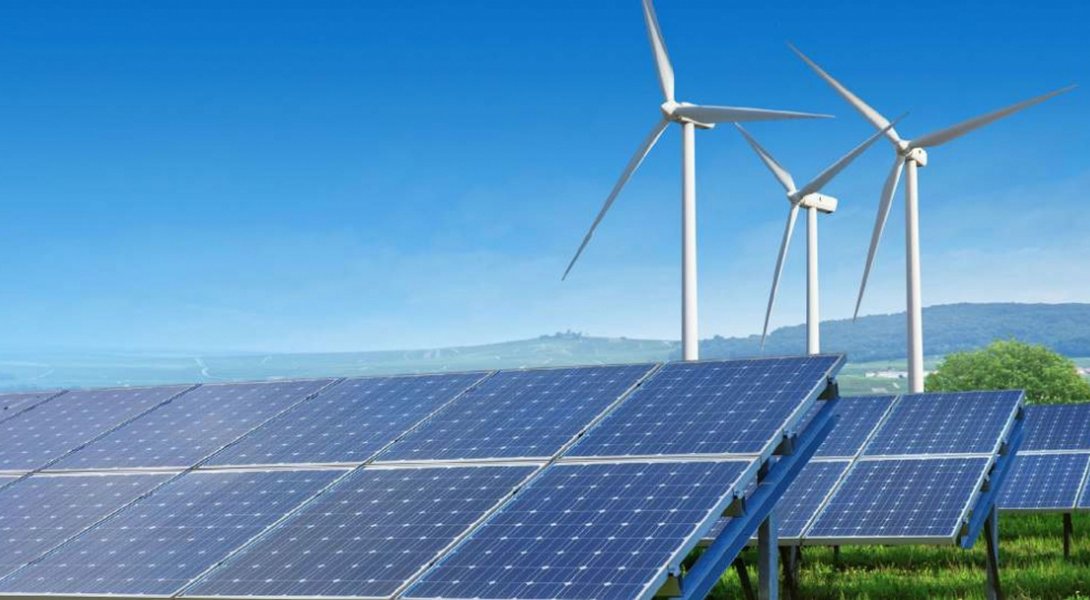


India's renewable energy sector is rapidly evolving, with continuous advancements in technology and increasing investments. These images reflect the tangible progress and the potential for further growth, highlighting the importance of strategic planning and effective project management in realizing India's renewable energy ambitions. The visual representation of these projects underscores the scale and impact of the renewable energy transition in India.
India's Rise as a Global Renewable Energy Leader
India's transition to renewable energy is not just a national endeavor but a significant contribution to global sustainability efforts. The country's achievements in solar and wind energy have positioned it as a key player in the global clean energy market.
This video, "How Did India Double It's Solar And Wind Power Capacity...", highlights India's remarkable progress in expanding its renewable energy capacity. It emphasizes that in 2024, India became the world's third-largest electricity producer from wind and solar energy, overtaking Germany. The video underscores the country's commitment to clean energy and its impact on the global energy transition. India's success in more than doubling its solar capacity in 2024 demonstrates its strong focus on renewable energy and its ability to grow clean power faster than fossil fuels with the right policies, investments, and public support.
Frequently Asked Questions (FAQ)
References
Last updated April 10, 2025