
Future Trends in India's Space Sector
Exploring the next frontier of India’s space industry
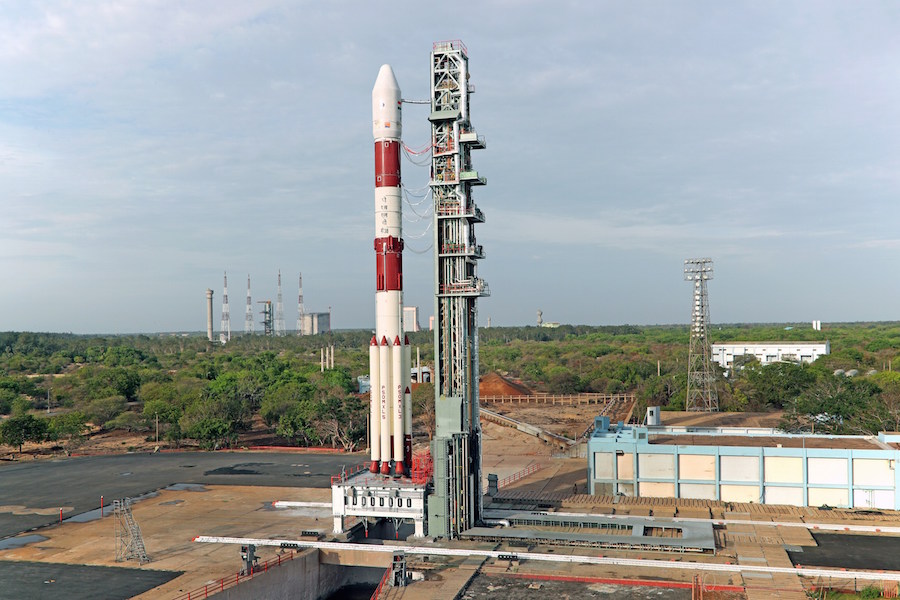
Key Highlights
- Robust Economic Growth: Projections indicate that India's space economy could surge to nearly $44 billion by 2033.
- Private Sector & Policy Reforms: Strategic government initiatives are catalyzing private innovation and public-private partnerships.
- Technological and Mission Advancements: From reusable launch vehicles to ambitious lunar and interplanetary missions, technological innovation is at the core.
Introduction
India's space sector has increasingly become a beacon of innovation and growth in the global arena. Over the past decades, the nation has transformed its space capabilities through remarkable achievements driven by government policy reforms, accelerating investments, and a surge in private sector participation. This transformative journey began with early satellite launches and has now evolved into a comprehensive ecosystem that encompasses commercial, scientific, and exploratory dimensions.
With aspirations to capture a significant share of the global space economy and to establish itself as a key player in outer space endeavors, India is currently witnessing an amalgamation of advancements. Future trends predict a rapid growth in the sector with expanding opportunities in satellite services, human spaceflight, and deep space exploration. In this article, we will provide an in-depth look at these trends by integrating various strategic themes, including economic growth targets, policy reforms, technological advancements, and collaborative international efforts.
Economic Growth and Investment Trends
Growing Market Prospects
The economic landscape of India's space sector is on a steep upward trajectory. With projections of reaching a market size of $44 billion by 2033, the country aims to secure around 8% of the global space economy. This ambitious goal is facilitated by increasing international demand for space-based solutions and enhanced governmental support. Currently, estimates suggest that the space economy could be valued at approximately $8.4 billion or greater in the early 2020s, with expectations of exponential growth in the coming years.
Investment in space technology is rising as both public and private players recognize the value of satellite applications and launch services. The Union Budget allocations have frequently prioritized the space sector, ensuring that both new missions and technology incubation receive robust financial backing. Government initiatives, such as a dedicated funding pool targeted towards startups and commercial ventures, have further galvanized private investment, creating a robust financial ecosystem for these high-tech endeavors.
Government Initiatives and Policy Reforms
A major driver behind the sector’s promising future is the paradigm shift within India's policy framework. The Indian Space Policy of 2023 marked a turning point by opening the space domain to private enterprises. This policy recalibration supports a more dynamic regulatory framework aimed at fostering innovation. Institutions such as the Indian National Space Promotion and Authorization Center (IN-SPACe) and New Space India Limited (NSIL) are designed to streamline the integration of commercial activities within the space sector.
Additionally, the proposed space activities bill promises to establish regulatory clarity and boost investor confidence. The establishment of incubation centers and dedicated research facilities further solidify India's commitment to developing a comprehensive and competitive space industry. As a result, the alignment of financial, regulatory, and technological strategies is set to propel the Indian space venture toward achieving an integrated ecosystem for space exploration and commercialization.
Technological Advancements and Mission Milestones
Innovative Launch Capabilities and Satellite Services
One of the most exciting trends predicted for the Indian space sector is the evolution in launch technology and satellite services. The development of reusable launch vehicles (RLVs) such as the RLV-TD and advanced systems like the SSLV and ULV denotes a strong commitment to lowering launch costs. The focus on cost-effective access to space is essential for creating a sustainable and competitive market, highlighting how technology innovation is at the forefront of these endeavors.
Satellite services remain integral to India’s space plans. The nation is strategically enhancing its capabilities in earth observation, communication, and navigation systems. With the increasing utility of satellite data in urban planning, disaster management, and agricultural monitoring, these services are anticipated to form a major revenue stream, potentially constituting almost half of the contribution to the space economy by 2030.
Human Spaceflight and Deep Space Missions
India’s ambitions are not only focused on satellite technology but also extend into human spaceflight and deep space exploration. The nation has been preparing for ambitious projects such as the Gaganyaan crewed mission, showcasing its intent to join the elite club of human space travelers. The technological prowess required for human spaceflight paves the way for subsequent projects and demonstrates the maturity and confidence of India’s space program.
Furthermore, planned lunar missions like Chandrayaan-5 and interplanetary explorations signify a broader scientific vision. These distant missions are set to expand the boundaries of knowledge while positioning India as a significant exploratory force on the global stage. As these missions progress, the accompanying technological innovations, breakthroughs in robotics, and advanced scientific instrumentation will likely become benchmarks for future space endeavors.
Emerging Trends in Space-Based Solar Power and Sustainable Space Technologies
Sustainability is a growing emphasis within the global space community, and India is no exception. There is increased interest in exploring space-based solar power, a technology that could offer a clean and constant energy source. Although still under conceptual and experimental stages, advancements in this area reflect India's commitment to integrating sustainability with high-tech space innovations.
Additionally, the integration of space technology in disaster management, healthcare, and environmental monitoring underscores a broader societal impact. These applications not only offer practical benefits but also underscore how space technology can transform public services and contribute to sustainable development goals.
Public-Private Collaborations and International Partnerships
Strengthening Public-Private Networks
A defining trend in India's space policy is the ever-growing emphasis on public-private partnerships (PPPs). Previously dominated by governmental agencies like ISRO, now the landscape is rapidly evolving to include over 400 private enterprises that actively invest in and drive space innovation. This integration is not just a national-level reform; it represents a strategic pivot that utilizes the agility of startups with the stability of established institutions.
Collaboration among industry players, academic institutions, and government agencies is fostering an ecosystem where innovative technologies can rapidly transition from concept to operation. These partnerships are particularly critical in areas like satellite manufacturing, launch services, and space logistics, where the collective expertise and combined resources significantly accelerate project timelines and enhance technological sophistication.
International Collaboration and Global Outreach
As the Indian space sector matures, international collaboration becomes an indispensable element of its strategic growth. The nation’s outreach initiatives aim to build partnerships with leading space-faring countries for joint missions, shared research, and resource pooling. These collaborations are vital for leveraging global expertise, which in turn provides India with access to advanced technologies and broader markets.
International partnerships not only offer technical and financial support but also create an avenue for knowledge exchange. Such cooperative engagements have strategic implications, improving the country’s geopolitical standing while also positioning its space programs as both nationally significant and internationally relevant.
Emerging Opportunities In Commercial Space Activities
Commercialization of Space Ventures
The emergent market forces in India’s space sector have encouraged a shift toward commercialization, with the private sector now playing a critical role across several segments. Commercial space activities such as satellite manufacturing, launch vehicle services, and various space-based applications have opened up new revenue streams, propelling the economy toward previously uncharted heights.
In this ecosystem, startups are emerging as significant contributors, each carving out a niche in niche markets such as data analytics for earth observation, precision agriculture, and smart infrastructure. The commercial potential of these sectors is being recognized by investors and policymakers alike, creating a positive feedback loop of innovation, investment, and increased public interest in space technology.
Aerospace Manufacturing and Technology Incubators
Complementary to the commercialization efforts is the growth in aerospace manufacturing. With advanced facilities and incubation centers such as the Space Technology Incubation Center (STIC), numerous startups and private firms are receiving the technical and financial support required to innovate in satellite fabrication and related technologies. These measures are not only fostering a more resilient space economy but also ensuring that the country remains at the forefront of aerospace innovation.
This confluence of private investment, manufacturing capabilities, and supportive government policies is generating far-reaching effects. It is reshaping the industry and creating robust, integrated clusters that are able to compete with global giants and attract foreign investment.
Comparative Overview: Trends and Statistics
Sector Trends and Projections
For a consolidated overview, the table below captures the key trends along with corresponding milestones and initiatives anticipated over the coming years.
| Category | Key Trend/Initiative | Timeframe | Impact |
|---|---|---|---|
| Economic Growth | Space Economy to Reach $44 Billion | 2033 | Global Market Share Expansion |
| Policy & Regulation | Introduction of Space Activities Bill & IN-SPACe | 2023 onward | Enhanced Private Sector Participation |
| Technological Innovation | Reusable Launch Vehicles, SSLV/ULV | 2024-2027 | Reduced Launch Costs and Increased Launch Frequency |
| Human and Deep Space Missions | Gaganyaan and Chandrayaan-5 | 2025-2027 | Advancement in Human Spaceflight & Interplanetary Research |
| Commercial Activities | Growth of Private Startups and Satellite Services | 2024 onward | Economic Diversification and Innovation |
| Sustainability Initiatives | Space-Based Solar Power & Eco-friendly Applications | Exploratory | Environmental and Social Benefits |
Strategic Implications and Forward-Looking Insights
Future Challenges to Anticipate
While the prospects are indeed promising, the journey ahead is not devoid of challenges. First, as the sector grows, maintaining sustainable practices while adhering to international regulatory standards becomes paramount. Issues like space debris and environmental footprints of launches are increasingly significant. Addressing these challenges requires robust international collaborations and refined technological solutions.
Secondly, while policy reforms have opened the market to private players, ensuring a level playing field demands clear regulatory guidelines and conflict resolution mechanisms among stakeholders. The success of this endeavor hinges on the government's ability to balance competitiveness with collaboration.
Finally, sustaining innovation over the long term means the educational system and research institutes must continually supply a cadre of skilled professionals. Investment in STEM education and cross-disciplinary research remains a crucial pillar for future advancements.
Emerging Opportunities for Global Leadership
Despite the challenges, India's space future is rich with opportunity. With strategic investments, public-private synergies, and forward-thinking policies, the nation is well-poised to transition from an emerging space player to one of the global leaders in space exploration and technology. The integration of new technologies – from reusable launch mechanisms to sophisticated satellite applications – reinforces the vision of not just serving domestic needs but also offering cost-effective, reliable solutions on a global scale.
Furthermore, by aligning policy reforms with economic strategies and technological innovations, India is likely to attract international investors and foster collaborations that could redefine space commerce worldwide. In the near future, India's initiatives in areas such as space-based solar power not only show commitment to sustainable technologies but also hint at a diversified energy future as space resources become an integral part of the commercial economy.
References
- Shaping the Future of India's Space Sector - Drishti IAS
- India's Space Economy Set for a Quantum Leap - The Week
- India's Space Policy and Startups - Satellite Today
- India's Space Sector: A Transformational Year Ahead - Financial Express
- Space Economy Market Analysis - Global Market Insights
Recommended Queries for Further Exploration
Last updated March 22, 2025