
Indian Traditional Knowledge for Treatment of Dandruff
Exploring Ayurvedic and Natural Remedies for a Healthier Scalp
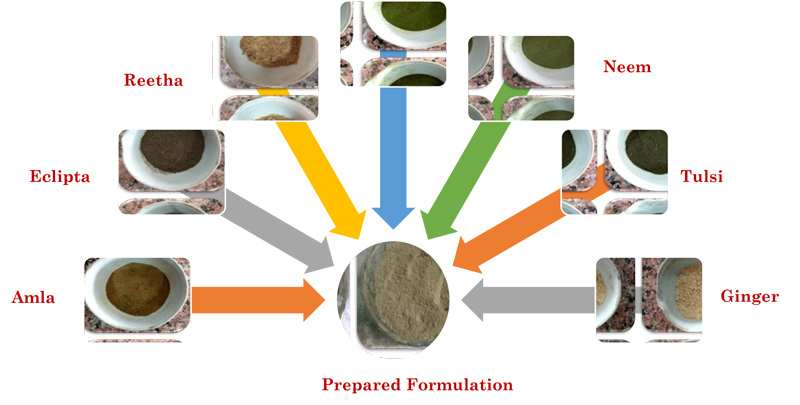
Key Highlights
- Ayurvedic Foundations: Focus on balancing doshas using natural herbal formulations and lifestyle adjustments.
- Herbal Remedies: Incorporation of techniques using neem, amla, fenugreek, aloe vera, and other local herbs.
- Holistic Approach: Emphasizes dietary changes, stress management, and traditional oil treatments for overall scalp health.
Understanding Ayurvedic Concepts
Indian traditional knowledge related to the treatment of dandruff is deeply rooted in Ayurveda—a holistic system of medicine that aims at maintaining balance between the body's three doshas: Vata, Pitta, and Kapha. In Ayurveda, dandruff is primarily attributed to imbalances, particularly involving dryness or an excess of heat and oil on the scalp. Such imbalances can lead to flaking skin, irritation, and an overall unhealthy scalp environment. Ayurvedic practitioners believe that restoring harmony among these doshas not only treats the dandruff but also promotes overall wellness.
The Role of Doshas
The enhancement or depletion of various bodily energies is crucial in Ayurveda. For example, an excess of Pitta—a dosha associated with heat—can lead to inflammation and irritation, while an imbalance in Vata may contribute to dryness and scaling. Dietary modifications, herbal remedies, and lifestyle practices are therefore recommended to restore the natural balance and support the body's self-healing mechanisms.
Herbal and Natural Remedies
Many traditional treatments for dandruff involve the use of natural ingredients known for their antimicrobial, anti-inflammatory, and soothing properties. These remedies have been passed down through generations and continue to be effective in modern applications.
Neem
Neem (Azadirachta indica) is known for its potent antifungal and antibacterial properties. Traditionally, neem oil or decoctions made from neem leaves are used as a rinse or applied directly to the scalp. This helps in eliminating the fungi and bacteria that contribute to dandruff, while also calming inflammation.
Amla (Indian Gooseberry)
Amla is prominently featured in Ayurvedic treatments due to its rich vitamin C content and high antioxidant properties. It is believed to enhance scalp health by reducing oxidative stress and reinforcing immunity. Amla can be used in its fruit form, as a juice, or as a powder mixed with oils like coconut for a nourishing hair mask.
Fenugreek (Methi)
Fenugreek seeds are well-regarded as a natural remedy for dandruff. When soaked overnight and ground to a paste, the seeds can be applied to the scalp to reduce oil production and combat microbial growth. This natural approach helps limit the buildup of flaky skin.
Lemon Juice and Ginger
Lemon juice, which acts as a natural astringent and antifungal agent, is traditionally applied to the scalp to control dandruff-causing bacteria. When combined with ginger extract and olive oil, it helps soothe irritated skin while regulating scalp oil levels.
Aloe Vera and Curd
Aloe vera is celebrated for its soothing and hydrating qualities. Application of fresh aloe vera gel to the scalp can alleviate itching and reduce flakiness. Similarly, curd (yogurt), with its probiotic content, is used to restore the scalp's moisture balance, preventing excessive dryness.
Oil Massages and Formulations
Ayurvedic treatments often include warm oil massages that stimulate blood circulation and nourish the scalp. Oils such as coconut oil, bhringraj oil, and specialized herbal formulations (e.g., Neelibringadi Keram) are applied to help combat dandruff while promoting hair strength and regrowth. These oils are sometimes pre-infused with additional herbs like basil or tulsi to enhance their properties.
Comparative Table of Traditional Remedies
| Remedy | Key Ingredients/Properties | Method of Application |
|---|---|---|
| Neem | Antifungal, Antibacterial | Neem oil or decoction as a rinse |
| Amla | Rich in Vitamin C, Antioxidants | Used as juice, powder, or mixed with coconut oil |
| Fenugreek (Methi) | Anti-inflammatory, Reduces oil production | Soaked and ground into a paste for hair masks |
| Lemon Juice & Ginger | Astringent, Antifungal | Applied directly or mixed with olive oil |
| Aloe Vera & Curd | Soothing, Moisturizing | Direct application on the scalp |
| Herbal Oils (Bhringraj, Tulsi, Coconut) | Nourishing, Increases circulation | Warm oil massage and overnight treatments |
Integrating Diet, Lifestyle, and Scalp Hygiene
The efficacy of traditional treatments lies not only in the application of herbal remedies but also in a holistic approach that includes dietary and lifestyle adjustments. Ayurvedic customs advocate for a balanced diet rich in fruits, vegetables, and whole grains to support the body's natural defenses. Avoiding excessively spicy or oily foods can help maintain an optimal balance of doshas.
Dietary Considerations
Integrating foods that are cooling and light on the digestive system, such as cucumbers, leafy greens, and herbal teas, can assist in alleviating Pitta imbalances. Additionally, incorporating antioxidants and healthy fats from fruits like amla or nuts supports overall scalp health.
Stress Management and Exercise
Regular physical activity and stress reduction practices like yoga and meditation form part of the traditional approach to health in Ayurveda. Stress is recognized as a contributing factor to many skin conditions, including dandruff. By managing stress through mindful practices, individuals can significantly mitigate scalp irritation and flakiness.
Scalp Hygiene and Regular Maintenance
Maintaining a regular regimen that includes gentle cleansing and periodic oil massages is essential. While harsh chemicals in commercial shampoos may exacerbate the condition, natural cleansers derived from herbal extracts offer a more balanced approach that supports both cleansing and nourishing the scalp.
Combining Traditional Knowledge with Modern Insights
Although the principles of Ayurveda have been time-tested, modern research supports many of its claims regarding natural remedies for dandruff. For instance, studies have validated the antifungal properties of neem and the antioxidant benefits of amla. Nonetheless, practitioners recommend consulting with an expert in Ayurvedic medicine to tailor treatments according to individual needs and to complement conventional treatments, especially in persistent cases.
References
- 12 Home Remedies to Fight Dandruff - Be Bodywise
- Ayurveda for Dandruff - NDTV Food
- Ayurveda for Dandruff - Adyanta Ayurveda
- Ayurvedic Home Remedies for Dandruff - Dabur
-
Ayurvedic Remedies to Treat Dandruff - Times of India
Recommended Queries
Last updated March 12, 2025