
Exploring the Heritage, Traditions, and Local Identity of Nagsincaoan's Indigenous Peoples
A comprehensive study into the cultural richness and traditional practices in Cabugao, Ilocos Sur
Key Highlights
- Cultural Continuity: Indigenous practices such as bamboo handicrafts, music, dance, and traditional rituals maintain a strong connection to ancestral heritage.
- Distinct Local Identity: The community’s unique traditions, shaped by both historical and environmental factors, celebrate their identity through festivals and arts like "Gaynek Ta Cabiga-O."
- Preservation and Adaptation: Ongoing initiatives, including cultural documentation and local government support, underscore the commitment to preserving this rich heritage amidst modern challenges.
Introduction to Nagsincaoan's Cultural Landscape
The barangay of Nagsincaoan, located in Cabugao, Ilocos Sur, is a pivotal example of indigenous heritage in the Philippines. With a recorded population of 418 in the 2020 Census, this small community embodies intricate layers of history, traditions, and local identity that continue to be celebrated and preserved. Historically a remote and forested region, Nagsincaoan gained its name from the indigenous term "sincao," a reference to the yokes once vital for working with carabaos and bull carts. Over time, this once isolated community has developed a vibrant cultural tapestry woven through everyday practices, artistic expressions, and environmental harmony.
Historical Context and Development
The Roots of Indigenous Heritage
The history of Nagsincaoan is intimately connected to its geographical setting, lying at the edge of a lush and resource-abundant landscape. Originally, the region functioned as a source of essential agricultural tools and farm implements, notably yokes crafted from local woods. This early economic activity set the stage for a community where resourcefulness and craft were paramount to daily survival.
The Evolution of Tradition
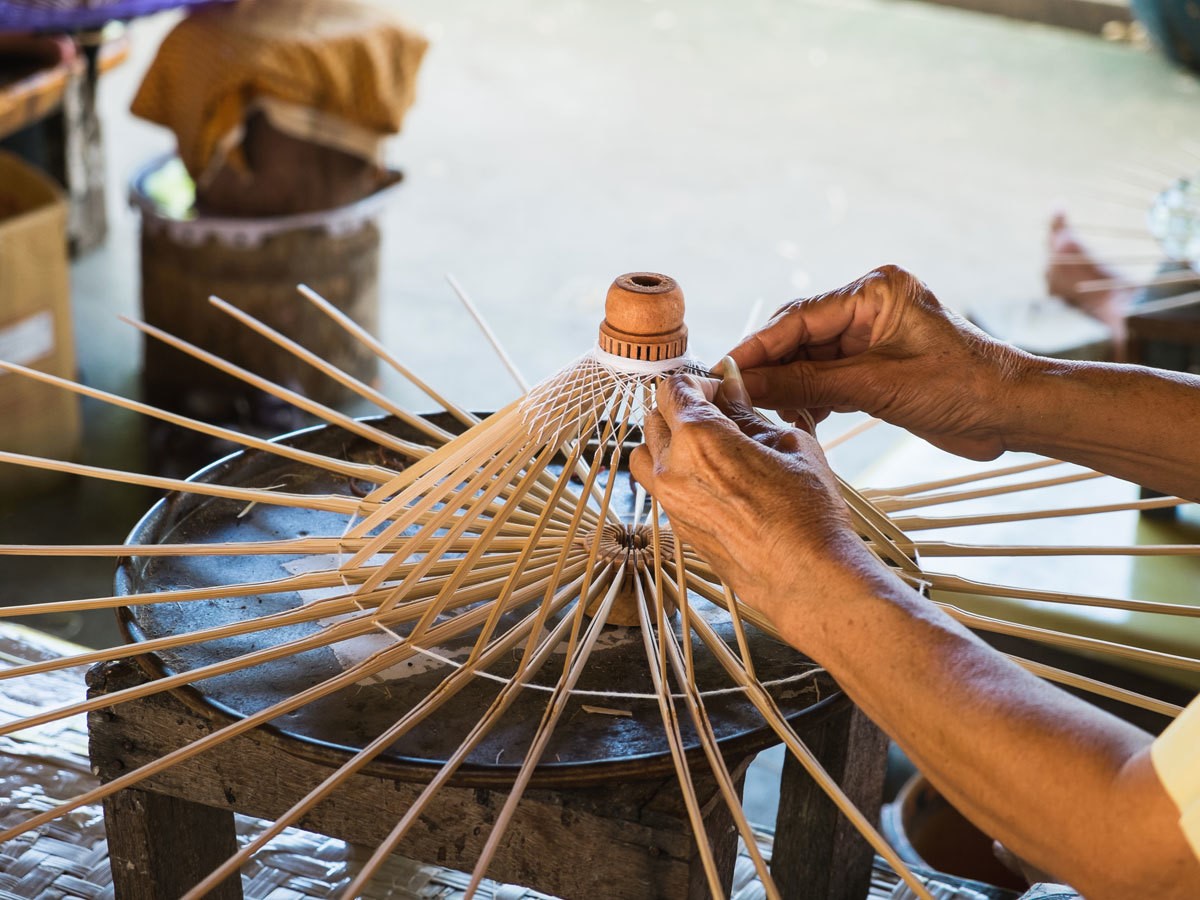
As generations passed, the initial utilitarian needs of early inhabitants gave way to more refined cultural expressions. This evolution is seen in the transition from simple craft production to the sophisticated art of bamboo handicraft, locally known as "Panaglaga ti Bigao." This traditional craftsmanship not only served as a means of livelihood but also as a symbolic representation of the community’s connection to nature and their ancestral practices. In tandem with these crafts, indigenous dances, most notably the "Gaynek Ta Cabiga-O," emerged as a living form of storytelling and cultural celebration.
Cultural Practices and Traditional Expressions
Art Forms, Dance, and Rituals
Central to the community's heritage are its dynamic artistic expressions. The "Gaynek Ta Cabiga-O" dance stands as a visual and performative testament to the indigenous narrative of Nagsincaoan. This dance, inspired by the intricate movements involved in the creation of winnowing baskets, is both a celebration of beauty and a practical reflection of the local way of life. Each performance links the past with the present, using movement to articulate the skills, stories, and the collective memory of the indigenous peoples.
Bamboo Handicrafts and Economic Integration
The "Panaglaga ti Bigao" is more than an economic activity; it is a cultural practice steeped in history. Bamboo weaving and the art of crafting winnowing baskets have been passed down through generations, representing not only the ingenuity but also the sustainable practices deeply rooted in indigenous belief systems. In a community where sustainability is a way of life, these traditional crafts ensure that local resources are used wisely and with respect, reinforcing the close connection indigenous peoples have with their environment.
Festivals, Community Gatherings, and Local Identity
Festivals like the "Begnas Di Ilocos Sur" serve as important platforms where cultural heritage is celebrated and community bonds are strengthened. Through local events and social gatherings, the indigenous peoples of Nagsincaoan articulate their local identity via traditional attire, music, dance, and culinary practices. These celebrations not only provide a space for community unity but also act as a counterbalance to external influences, ensuring that indigenous voices continue to resonate strongly within the broader Philippine narrative.
Socioeconomic and Environmental Interactions
Sustainable Practices and Agricultural Techniques
Integral to the identity of indigenous peoples is the intertwining of cultural practices with sustainable agriculture. The residents of Nagsincaoan have maintained traditional farming methods that utilize indigenous knowledge of local ecosystems. Their agricultural practices are passed through oral traditions and hands-on training, ensuring that methods which promote soil fertility, biodiversity, and ecological balance are preserved.
Environmental Stewardship through Traditional Knowledge
The environmental practices in Nagsincaoan are a blend of utility and spirituality. Indigenous methods of land use, harvest timing, and crop diversity reflect a deep understanding of ecological balance. These traditional practices not only secure food sustainability but also help in conserving biodiversity. In this respect, every element – from the crafting of bamboo tools to the communal farming practices – underscores a commitment to living in harmony with nature.
Integration with Modernity and Government Initiatives
While modernity poses challenges, it also presents opportunities for the preservation of indigenous heritage. In recent years, local governments and cultural institutions have recognized the value of preserving traditional practices. In Cabugao, initiatives have been launched to document and promote indigenous culture through festivals, academic research, and community workshops. Projects supported by national agencies, such as the National Commission for Culture and the Arts, have also contributed resources towards the maintenance of cultural sites and the revitalization of fading traditions.
Methodologies in Documenting Indigenous Heritage
Ethnographic Approaches and Data Collection
To explore and document the heritage, traditions, and local identity of the indigenous people in Nagsincaoan, qualitative research methods such as ethnography play a critical role. Researchers often use unstructured interviews, participant observation, and focus group discussions to gather first-hand insights. These methods allow for deep immersion into the community, ensuring that multiple perspectives – from elders to youth – are accurately captured.
Analytical Framework and Grounded Theory
The use of grounded theory in analyzing the gathered data ensures that observations are systematically classified, leading to the development of themes that accurately reflect the community’s lived experiences. Themes such as resilience, adaptability, and the intertwining of tradition with modernity emerge from the rich qualitative data. This analytic method provides a coherent structure, linking historical practices to contemporary cultural expressions.
Documenting Oral Histories and Cultural Narratives
Oral history is a bedrock of indigenous culture in Nagsincaoan. The stories shared by elders and community leaders encompass both historical accounts and symbolic expressions of cultural identity. Capturing these narratives is vital for preserving intangible cultural heritage. These oral traditions provide context for local customs and rituals, bridging the gap between the past and present, and ensuring that the essence of indigenous wisdom is passed on to future generations.
Comparative Analysis Table: Key Aspects of Indigenous Heritage in Nagsincaoan
| Aspect | Description | Significance |
|---|---|---|
| Cultural Practices | The community engages in crafts like Panaglaga ti Bigao, folk dances such as Gaynek Ta Cabiga-O, and traditional rituals. | Preserves ancestral memories and reinforces community identity. |
| Historical Roots | Nagsincaoan's name and historical economic practices emerged from the early use of local natural resources like wood and bamboo. | Highlights the evolution from utilitarian needs to art and culture. |
| Sustainable Agriculture | Traditional farming practices based on indigenous ecological knowledge. | Ensures environmental stewardship and supports local food security. |
| Community Festivities | Local festivals and gatherings serve as celebrations of indigenous art, music, and dance. | Strengthens social bonds and reinforces the community's unique identity. |
| Preservation Initiatives | Efforts by local government and cultural agencies to document and promote indigenous heritage. | Mitigates the impact of modernization and cultural erosion. |
Challenges and Future Directions
Modernization vs. Tradition
As globalization and modernization continue to impact indigenous communities, those in Nagsincaoan face unique challenges. The rapid spread of modern technology and urban influences can sometimes erode traditional practices. However, these challenges also prompt a renewed drive to document and celebrate indigenous heritage. Leaders within the community, along with cultural advocates, are increasingly integrating modern methods, such as digital archiving and social media promotion, to ensure that their cultural narratives reach wider audiences.
Policy and Educational Interventions
Government agencies and non-profit organizations are playing pivotal roles in creating frameworks for cultural preservation. Policies that safeguard indigenous lands, promote traditional education, and support community-based heritage projects are instrumental. Education initiatives that incorporate indigenous history into school curriculums help foster a sense of pride among younger generations, ensuring that the rich traditions of Nagsincaoan continue to thrive.
The Role of Research and Community Engagement
Research is essential to understanding and sustaining the cultural heritage of indigenous communities. Collaboration between academic institutions and the local community has led to in-depth studies that articulate the complex relationship between cultural practices and modern influences. These studies not only highlight the strengths of indigenous traditions but also provide actionable recommendations to address ongoing challenges. Engaging the community through participatory research methods ensures that the inherent knowledge systems are accurately represented and respected.
Implications for Broader Cultural Narratives
Contributions to National Identity
The indigenous heritage of Nagsincaoan contributes significantly to the broader cultural landscape of the Philippines. By showcasing distinct local identities and unique artistic expressions, the community adds a critical dimension to the national narrative. Cultural diversity, as evidenced in their traditional farming techniques, indigenous crafts, and rich oral histories, provides an alternative framework for understanding development and progress in a rapidly modernizing society.
Interconnections with Other Indigenous Communities
Beyond local contributions, the traditions observed in Nagsincaoan resonate with indigenous practices found throughout the Philippines and across Southeast Asia. Shared themes of environmental stewardship, collective memory, and community solidarity create interconnections that strengthen indigenous voices regionally. This interconnectedness offers a valuable perspective on how cultural heritage can foster community resilience and sustainable development amid global challenges.
The Future of Indigenous Cultural Studies
Future research in indigenous cultural studies will continue to be essential in navigating the intersection between traditional lifestyles and modern economic and social pressures. By leveraging both qualitative and quantitative research methods, communities can document their evolving traditions while advocating for their rights and maintaining their autonomy. Increasing dialogue between policymakers, cultural practitioners, and academics will be central to shaping inclusive frameworks that celebrate and protect the heritage of Nagsincaoan and similar communities.
References
- Nagsincaoan, Cabugao, Ilocos Sur Profile – PhilAtlas
- Development of Gaynek Ta Cabiga-O Dance – Vector University
- Barangay Profiles – Bayan ng Cabugao
- Indigenous Cultural Communities in Ilocos Sur – Ilocos Sur MIS
- Preserving Cultural Heritage – Mustaqim
Recommended Related Queries
 lgucabugao.blogspot.com
Last updated March 5, 2025