
The Interplay of Individual and Environmental Factors in Academic Performance
Deep insights into how personal traits and surroundings shape academic success
Key Takeaways
- Holistic Influence: Both individual attributes and environmental settings collectively determine academic outcomes.
- Synergistic Interactions: Positive personal traits can be enhanced by supportive environments; conversely, optimal school conditions can uplift students facing individual challenges.
- Systematic Integration: Multifaceted factors ranging from home life to classroom conditions interact dynamically to influence learning and academic progress.
Understanding the Factors: Individual and Environmental Influences
Academic performance is the result of a complex interplay between a range of individual characteristics and environmental factors. These factors are not isolated; instead, they interact dynamically over time, influencing a student’s ability to learn, retain, and apply knowledge. This intricate relationship means that academic achievement is rarely the result of a single cause, but rather the product of multiple contributing elements that work together.
Individual Factors
Individual factors encompass a wide array of personal attributes that impact academic success. These include, but are not limited to, cognitive abilities, motivation, resilience, self-efficacy, learning styles, and health. Each of these characteristics plays a crucial role in how a student engages with their academic endeavors.
Cognitive Abilities and Learning Styles
Cognitive abilities such as intelligence, memory, and processing speed are often highlighted as key determinants in academic performance. However, it is not merely the raw ability that counts but how these abilities interact with a student's learning style. Whether a student is a visual, auditory, or kinesthetic learner can determine the efficacy of certain teaching methods. For example, a student who absorbs information best through visual cues may excel in environments that make ample use of visual aids and natural lighting.
Motivation, Self-Efficacy, and Resilience
Personal motivation and self-belief are essential components of academic success. A highly motivated student with a strong sense of self-efficacy will pursue challenging tasks with persistence. Resilience further contributes to success by enabling students to bounce back from setbacks and persist despite obstacles. Students who exhibit these traits tend to use feedback constructively and are more likely to employ effective study habits.
Psychological Well-being and Health
Beyond cognitive traits, a student’s mental and physical health also significantly impacts academic performance. Factors such as stress management, sleep quality, and overall emotional state shape a student's ability to concentrate and retain new information. Mental health challenges can negatively affect learning, while wellness and balanced lifestyles contribute to better academic outcomes.
Environmental Factors: The Role of Surroundings in Education
The environment in which a student learns comprises not only the physical classroom but also the broader social and familial contexts. Environmental influences range from the quality of school facilities to the dynamics of peer interactions and even socioeconomic conditions at home. These elements collectively create a setting that can either nurture or hinder academic growth.
Physical Learning Environments
The physical conditions within which education takes place are crucial. Optimal classroom environments can enhance concentration and stimulate learning whereas inadequate facilities may contribute to distractions and reduced performance.
Classroom Design and Infrastructure
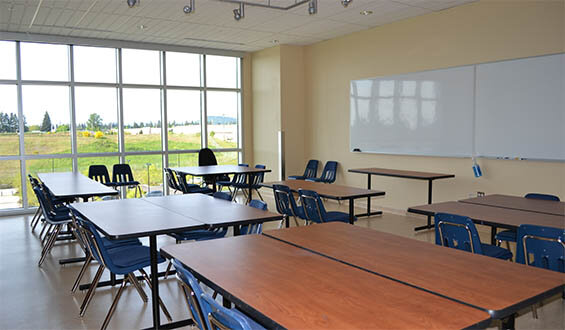
Features such as lighting, acoustics, and seating arrangements have all been shown to directly impact academic performance. Studies indicate that classrooms with ample natural light can result in academic improvements of up to 25% compared to those with poor lighting conditions. Additionally, factors such as a comfortable temperature and minimal background noise are essential in creating a conducive learning space.
Technological and Learning Resources
Access to quality resources, including modern technology, well-equipped libraries, and updated textbooks, provides students with the tools they need for effective learning. Educational institutions that invest in advanced learning environments have seen notable improvements in academic performance, particularly in subjects that rely heavily on interactive learning and research.
Social and Emotional Climate
Equally important are the social and emotional aspects of the learning environment. A school that fosters strong teacher-student relationships, peer support, and inclusivity creates a positive atmosphere that encourages learning. A supportive social climate not only enhances academic performance but also contributes to the overall well-being of students.
School Culture and Climate
The overall culture of a school, which includes the values, behaviors, and attitudes that are promoted, can significantly drive students' engagement and success. A positive school climate is characterized by mutual respect, a sense of security, and an encouraging academic environment. Such conditions make students more likely to participate actively in class and feel confident in their abilities.
Family and Community Support
The influence of a supportive home environment should not be underestimated. Family background, parental education, and active involvement in a child's academic life play a substantial role in shaping educational outcomes. Beyond the family, community support, including local resources and neighborhood safety, also contributes significantly to a student’s academic journey.
Interaction Between Individual and Environmental Factors
The interplay between individual characteristics and environmental conditions forms a complex network of influences that collectively shape academic success. Rather than acting as isolated silos, these factors dynamically interact and often create feedback loops that reinforce both positive and negative trends in academic performance.
Synergistic Dynamics
A student’s natural abilities and personal traits can be significantly amplified or undermined by the environmental context. For instance, a highly motivated student may still fall short if they are placed in an environment that lacks the necessary resources or supportive social structures. Conversely, even a student with modest innate abilities can achieve remarkable academic results if they benefit from a nurturing environment, complete with qualified teachers, adequate facilities, and a culture of encouragement.
The Role of Feedback Loops
Feedback loops are central to the interaction between individual and environmental factors. For example, a student who experiences success due to excellent classroom conditions is likely to develop greater self-confidence, leading to increased participation and further academic achievements. This loop ensures that positive environmental inputs continually reinforce and enhance individual performance, promoting a cycle of academic success.
Similarly, negative feedback loops can also occur. A student facing academic challenges might experience additional stress, which could further impede their performance if the environment does not provide the necessary support mechanisms. Recognizing the potential for both types of feedback loops is essential for educators and policymakers when designing interventions aimed at improving academic performance.
A Comprehensive Table: Individual and Environmental Influencing Elements
| Factor Category | Components | Impact on Academic Performance |
|---|---|---|
| Individual Factors |
|
Determines a student's capacity to learn, process information, and overcome academic challenges. |
| Physical Environment |
|
Enhances concentration, provides comfort, and supports modern educational methods. |
| Social & Emotional Climate |
|
Fosters a sense of belonging, reduces stress, and bolsters motivation and engagement. |
| External Socioeconomic Conditions |
|
Influences access to educational resources and overall support mechanisms beyond school. |
Applications of the Interplay in Educational Policy and Practice
Recognizing the intertwined nature of individual and environmental factors is critical in shaping effective educational policies and classroom practices. At the heart of many successful educational interventions is the understanding that multiple elements interact to influence student outcomes.
Policy Implications and Educational Strategies
Policymakers need to adopt a holistic approach by addressing both individual needs and environmental shortcomings. This could involve investing in infrastructure improvements, teacher training programs, and initiatives designed to raise community engagement. When policies are structured to improve both personal development and learning environments, they provide a fertile ground for academic excellence.
School Infrastructure and Resource Allocation
A well-funded school with state-of-the-art facilities and adequate resources can significantly reduce academic disparities. For instance, schools that invest in natural lighting, modern learning tools, and effective classroom layouts are better equipped to enhance the student experience. Policies aimed at equalizing resource distribution are especially effective in overcoming socioeconomic disparities, ensuring that every student, regardless of background, has access to an optimal learning environment.
Teacher Training and Student Engagement
Professional development programs that focus on modern pedagogical techniques and sensitivity to the social emotional needs of students have proven to be highly beneficial. Teachers who are adept at creating inclusive and engaging classrooms foster environments where students are not only academically stimulated but also emotionally supported. Continuous teacher training ensures that educators are well-prepared to implement strategies that maximize the benefits of both individual abilities and environmental supports.
The Role of Longitudinal Research and Data Analysis
Longitudinal studies have underscored the complex interdependencies between individual and environmental influences. Data collected over extended periods reveal that improvements in one domain can produce lasting, positive feedback in another. For example, enhancements in classroom lighting and facilities consistently correlate with better academic performance, particularly when these changes are synchronized with efforts to increase student motivation and self-confidence.
Robust data analysis is crucial for translating these research insights into practical interventions. Educational institutions and governments benefit from monitoring progress over time and adjusting strategies based on observed outcomes. Such evidence-based policies ensure that interventions remain dynamic and responsive to the evolving needs of the student population.
Interconnected Factors: Case Studies and Research Insights
Several case studies and scholarly research projects have underscored the essential nature of the interaction between individual and environmental factors in education. These studies typically explore how specific changes in the learning environment lead to measurable improvements in academic performance. For instance, longitudinal studies have demonstrated that students in schools with improved physical environments not only enjoy better academic results but also tend to exhibit higher levels of engagement and motivation.
Research Highlights
Detailed research has consistently shown that individually tailored educational approaches significantly improve academic outcomes. Innovations such as differentiated instruction acknowledge that students benefit from learning environments that adapt to their unique needs. In practice, this means that educators are being trained to recognize diverse learning styles and implement methods designed to support varied cognitive profiles.
Natural Light and Classroom Settings
Studies have quantified the impact of natural light in classrooms, with some suggesting improvements in academic performance as high as 25% when compared to artificially lit environments. These findings are not only indicative of the importance of physical conditions but also underscore the need for well-considered architectural designs in educational spaces.
Peer Interactions and Social Support
Research also points to the importance of social dynamics in schools. Positive peer relationships and supportive networks contribute substantially to learning, as these factors help reduce stress, increase feelings of belonging, and improve overall academic engagement. Schools that emphasize social-emotional learning (SEL) often see broad improvements across multiple aspects of student development.
Practical Strategies for Educators and Stakeholders
For educators and academic stakeholders, the fusion of individual and environmental insights provides practical strategies to elevate academic performance. The key is to create an ecosystem where educational interventions address both personal development and environmental optimization.
Enhancing Classroom Environments
Improving the physical aspects of the learning space can have immediate benefits. Simple changes such as ensuring ample natural light, maintaining comfortable temperatures, and minimizing unnecessary noise can produce significant improvements in student concentration and overall academic performance. By investing in classroom upgrades, schools lay the groundwork for a more productive learning atmosphere.
Holistic Classroom Management
In addition to physical improvements, educators can adopt classroom management strategies that foster a positive and inclusive culture. Techniques that encourage student collaboration, active participation, and clear communication can help build a strong educational community. When teachers are equipped with the skills to manage both the academic and emotional needs of their students, the resultant environment is one where learning can flourish.
Fostering Individual Growth
Tailoring interventions to the needs of individual students is equally important. Programs that support mental and physical health, develop resilience, and nurture a positive self-image can make an enormous difference in academic achievement. Educators and counselors should work together to identify individual challenges early and create personalized learning plans that address these needs while leveraging the strengths of a supportive school environment.
Integrating Technology With Personalized Learning
The integration of technology in personalized learning approaches has opened new avenues for customization in education. Adaptive learning systems and interactive platforms can monitor a student's progress in real-time and adjust the difficulty of tasks accordingly. This technology-driven approach ensures that students remain challenged without becoming overwhelmed, striking a balance that promotes sustained academic success.
Long-Term Benefits and Broader Implications
The influence of the synergy between individual and environmental factors extends well beyond immediate academic performance. Over the long term, students who benefit from this holistic approach are often more successful in higher education and demonstrate better career prospects. The ability to thrive academically due to the interplay of well-developed personal characteristics and supportive learning environments leads to a more resilient and adaptable workforce.
Societal Impact
Academically successful students contribute positively to society. They bring their enhanced skills, robust work ethic, and innovative thinking to diverse fields, driving social and economic progress. Educational systems that invest in both the individual and their environment help reduce inequality, as these integrated strategies ensure that every student is given an equitable opportunity to succeed.
Economic and Social Equity
By addressing disadvantages in both personal development and resource availability, policymakers can pave the way for more equitable educational outcomes. Studies analyzing the long-term impact of improved school infrastructure and supportive family environments suggest that these changes benefit society at large by reducing crime rates, increasing employment opportunities, and fostering innovation.
Bringing It All Together
The comprehensive interplay between individual and environmental factors in academic performance is a testament to the complex nature of education. It reminds educators, policymakers, and families that academic success is not merely a matter of intelligence or hard work alone; it is the outcome of supportive systems, efficient resource allocation, and the nurturing of each student's unique potential.
By embracing a holistic approach that integrates attention to both personal and environmental dimensions, educational stakeholders can refine strategies that maximize student achievement. Whether through classroom redesign, personalized learning plans, or community engagement initiatives, the goal remains the same: to create environments where every student can thrive academically and personally.
References
- BMC Women's Health - BioMed Central
- Frontiers in Psychology - Frontiers
- UCAS Connect - UCAS
- NASBE - National Association of School Business Officials
- SCIRP Journals - Scientific Research Publishing
Recommended Search Queries
Last updated March 5, 2025