
Phases of Indo-China Relations
A Comprehensive Analysis of Historical and Contemporary Dynamics
Key Takeaways
- Historical Foundations: Indo-China relations are rooted in over two millennia of cultural exchanges and trade.
- Strategic Conflicts and Cooperation: The relationship has oscillated between periods of intense conflict and strategic cooperation.
- Economic Interdependence and Rivalry: Despite ongoing tensions, economic ties have deepened, reflecting mutual dependencies amid strategic rivalries.
1. Ancient and Early Modern Periods
Historical Background and Cultural Exchanges
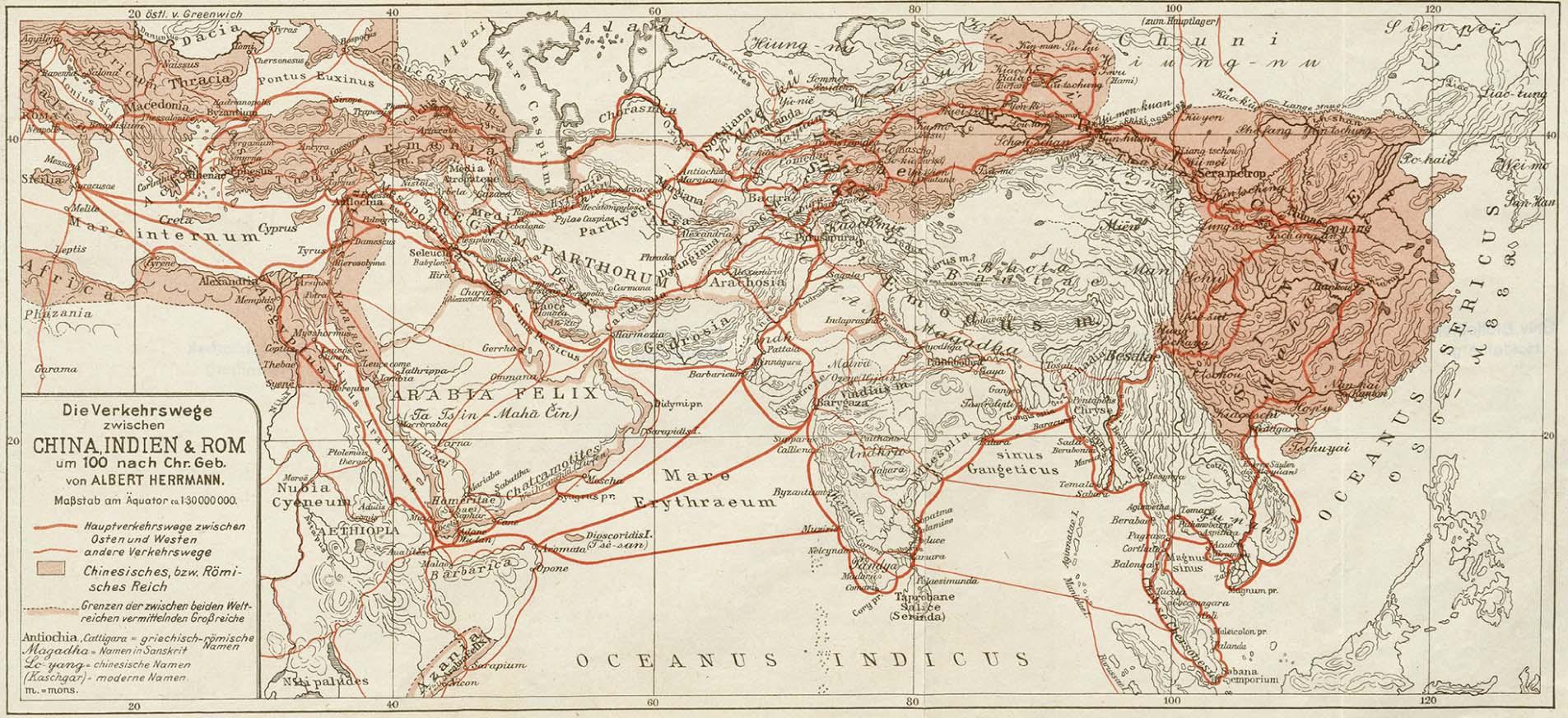
The relationship between India and China dates back to at least the 2nd century BCE, with the Silk Road serving as a pivotal trade route that facilitated not only the exchange of goods but also the transmission of ideas and cultures. Buddhism played a crucial role in these early interactions, as Indian monks traveled to China to spread Buddhist teachings, while Chinese pilgrims ventured to India to study at renowned Buddhist learning centers like Nalanda.
During the 19th century, the opium trade became a significant aspect of Indo-China relations, with the British East India Company exporting opium grown in India to China. This period also saw increased economic interactions across the Himalayan region, fostering strong cultural and economic ties that persisted for over two millennia.
2. Early 20th Century – Shared Anti-Colonial Sentiments
Renewed Interactions Amidst Struggles for Independence
The early 20th century marked a resurgence in India-China relations, influenced by both nations' struggles against colonial powers. Indian thinkers like Rabindranath Tagore engaged with Chinese intellectuals, fostering a sense of solidarity through shared anti-imperialist sentiments. Significant events during this period include the contribution of Indian medical teams, such as Dr. Kotnis’ mission during the Sino-Japanese War, which exemplified the mutual support between the two countries in times of crisis.
These interactions were instrumental in strengthening diplomatic and cultural ties, laying the groundwork for future cooperation despite differing political ideologies.
3. Post-Independence: "Hindi-Chini Bhai Bhai" Era (1947–1959)
A Period of Camaraderie and Strategic Alliance
Following India's independence in 1947 and the establishment of the People's Republic of China (PRC) in 1949, the two nations embarked on a period characterized by friendship and cooperation, popularly encapsulated by the slogan "Hindi-Chini Bhai Bhai" (Indians and Chinese are brothers). This era was marked by the signing of the Panchsheel Agreement in 1954, which outlined five principles of peaceful coexistence, including mutual respect for sovereignty and territorial integrity.
During this period, high-level visits and increased economic interactions underscored the optimism for Asian solidarity and collective progress. However, underlying tensions, particularly concerning border disputes, began to surface, signaling the ephemeral nature of this harmonious phase.
4. Conflict and Estrangement Phase (1960-1976)
Border Disputes and Military Confrontations
The decade of the 1960s was pivotal in transforming Indo-China relations from cooperation to conflict. Territorial disputes, especially over regions like Aksai Chin and Arunachal Pradesh, escalated tensions. These disagreements culminated in the Sino-Indian War of 1962, where China emerged victorious, leading to the occupation of strategic areas and a significant downturn in bilateral relations.
The aftermath of the war was characterized by mutual distrust and limited diplomatic engagement. China's support for Pakistan during subsequent conflicts further strained ties, embedding a deep-seated skepticism between the two nations that would persist for decades.
5. Limited Re-engagement and the Border Crisis Era (1970s–1988)
Cold War Alignments and Gradual Diplomatic Overtures
The period from the 1970s to 1988 was marked by Cold War dynamics that further polarized Indo-China relations. China's strategic alliance with Pakistan and India's partnership with the Soviet Union deepened the geopolitical divide. Border skirmishes and a lack of effective communication channels perpetuated mistrust and hostility.
Despite these challenges, the 1980s saw the inception of formal talks aimed at confidence-building and managing border tensions. These diplomatic efforts, though cautious and incremental, laid the foundation for the eventual normalization of relations.
6. Normalization and Economic Cooperation (1988–2008)
Diplomatic Milestones and Growing Economic Ties
A significant milestone in Indo-China relations was Prime Minister Rajiv Gandhi's visit to China in 1988, symbolizing a renewed commitment to normalizing bilateral ties. This era witnessed the establishment of various agreements, including the 1996 Confidence-Building Measures (CBMs) on the Line of Actual Control (LAC), aimed at preventing large-scale confrontations.
Economic cooperation flourished during this period, with bilateral trade expanding substantially. By the early 2000s, China had become one of India's largest trading partners. Additionally, both nations engaged cooperatively within multilateral organizations such as BRICS and the Shanghai Cooperation Organization, highlighting a multifaceted relationship balancing economic interdependence with strategic rivalry.
7. Rising Rivalry and Tensions (2008–2020)
Economic Shifts and Strategic Competitions
The global financial crisis of 2008 catalyzed China's expansive global ambitions, including initiatives like the Belt and Road Initiative (BRI), which India perceived as a threat to its regional influence. This period saw a shift from cooperation to strategic rivalry, underscored by a series of flashpoints and policy differences.
Key events such as the 2017 Doklam standoff and China's opposition to India's membership in the Nuclear Suppliers Group exacerbated tensions. India's strategic partnerships with the United States, exemplified by the Indo-Pacific strategy and participation in the Quad, further highlighted the competing geopolitical interests.
Despite these challenges, economic ties continued to grow, with China maintaining its status as a major trade partner for India even amidst increasing political friction.
8. Recent Era of High Tensions (2020–Present)
Continued Border Skirmishes and Strategic Rivalry
The 2020 Galwan Valley clash in Ladakh marked a significant escalation in Indo-China tensions, resulting in the first deadly confrontation between the two countries' troops in decades. This incident underscored the fragility of the Line of Actual Control (LAC) and the persistent volatility of border disputes.
Subsequent border skirmishes, particularly around Pangong Lake, have led to increased militarization along the LAC, complicating diplomatic efforts to restore pre-2020 status quo. Concurrently, economic measures such as India's bans on Chinese apps and restrictions on Chinese investments reflect the broader strategic competition and a pivot towards reducing economic dependence on China.
While both nations continue to engage in economic activities and maintain a degree of interdependence, the strategic rivalry and unresolved territorial disputes pose significant challenges to stabilizing relations. Diplomatic and military dialogues remain ongoing, but substantial progress in resolving core issues has been limited.
Future Outlook
Prospects for Détente and Ongoing Challenges
The future of Indo-China relations is poised at a complex juncture, defined by a balance of competition and cooperation. Key factors influencing this trajectory include strategic alignments, economic interdependence, and the ability to manage and resolve border disputes effectively.
Potential areas for détente encompass collaboration on global challenges such as climate change, strengthening participation in multilateral frameworks like BRICS, and sustained dialogues to address and mitigate border tensions. However, entrenched trust deficits and continued military posturing present formidable obstacles to achieving lasting stability.
Additionally, the evolving geopolitical landscape, including India's growing partnerships with Western nations and China's assertive regional policies, will significantly shape the dynamics of future Indo-China relations. Navigating these complexities will require sustained diplomatic efforts, strategic foresight, and a willingness to engage in constructive dialogue.
Phases Summary
| Phase | Time Period | Key Characteristics |
|---|---|---|
| Ancient and Early Modern Periods | 2nd Century BCE – Early Modern Period | Cultural exchanges, Silk Road trade, spread of Buddhism |
| Early 20th Century | Early 1900s | Shared anti-colonial sentiments, solidarity in independence movements |
| Post-Independence: "Hindi-Chini Bhai Bhai" | 1947–1959 | Friendship era, Panchsheel Agreement, initial cooperation |
| Conflict and Estrangement Phase | 1960–1976 | Border disputes, Sino-Indian War, mutual distrust |
| Limited Re-engagement and Border Crisis | 1970s–1988 | Cold War alignments, cautious diplomatic overtures |
| Normalization and Economic Cooperation | 1988–2008 | Rajiv Gandhi's visit, CBMs, expanding trade |
| Rising Rivalry and Tensions | 2008–2020 | Strategic competition, flashpoints like Doklam, economic shifts |
| Recent Era of High Tensions | 2020–Present | Galwan Valley clash, increased militarization, economic measures |
Conclusion
Indo-China relations embody a multifaceted interplay of historical legacies, strategic rivalries, and economic interdependencies. From ancient cultural exchanges to contemporary geopolitical tensions, the evolution of this bilateral relationship reflects broader regional and global dynamics. While economic ties have deepened, strategic competition and unresolved territorial disputes continue to impede the path towards enduring cooperation and stability. The future trajectory of Indo-China relations will hinge on the ability of both nations to navigate these complexities, engage in constructive dialogue, and address the root causes of mistrust and conflict.
References
- Political Relations - Embassy of India, Beijing
- India–China relations under the Modi 3.0 government
- A Historical Evaluation of China's India Policy: Lessons for India
- Three Things to Know About China-India Tensions
- Ministry of Foreign Affairs of the People's Republic of China
- India-China Relations Are Unlikely to See Much Progress
- Status and Trajectory of India-China Relations
- India-China Bilateral Brief
- Indo China Relations - The Economic Times
- China–India Relations – Wikipedia
- India-China Relations At Most Difficult Phase - Al Jazeera
- Road from Galwan - Carnegie Endowment
- A Big-Picture Look at India-China Relations - Brookings
- INDO-CHINA RELATIONS-An Overview
- Ministry of Foreign Affairs of the PRC
- India-China Relations
Last updated January 27, 2025