
Seminar on the Intersection of Indology and Commerce
Exploring Historical Roots and Modern Business Innovations
Key Takeaways
- Interdisciplinary Exploration: The seminar bridges the traditional study of Indian culture, history, and philosophy with contemporary issues in commerce and trade.
- Historical Continuity: It highlights how ancient trade routes, ethical principles, and cultural narratives continue to shape current business practices.
- Collaborative Insights: The event encourages dialogue among academics, business professionals, and policymakers to enhance mutual understanding and promote innovative strategies.
Introduction
The evolution of commerce in India is deeply intertwined with its cultural and intellectual heritage. With a history marked by flourishing trade routes, sophisticated governance systems, and rich philosophical traditions, the business practices of today can find their origins in ancient texts, ethical codes, and cultural norms. A seminar that integrates Indology and commerce is designed to explore how historical narratives and cultural ethos impact modern economic endeavors. This seminar provides an opportunity to re-examine traditional economic thrusts from a contemporary perspective by bridging the gap between historical scholarship and business innovation.
Seminar Overview
The seminar is envisioned as a comprehensive forum bringing together experts from various fields who share a common interest in understanding how Indian cultural heritage informs modern commerce. It aims to delve into the interplay between traditional business ethics, ancient trade practices, and modern economic models. By exploring these themes, the event aspires to provide valuable insights for academics, industry leaders, and policymakers.
Objectives of the Seminar
The primary objectives of the seminar include:
- Historical Insight: To examine key periods in Indian history – from the Mauryan and Gupta empires to the colonial era – that have shaped economic practices and trade systems.
- Ethical Governance: To analyze ethical frameworks derived from ancient texts, such as the Arthashastra, and understand their relevance in today’s corporate governance and strategic decision-making.
- Cultural Integration: To highlight how philosophical and religious traditions, including Hindu, Buddhist, and Jain teachings, continue to influence modern approaches to sustainability, ethical business practices, and corporate social responsibility.
- Modern Commerce: To draw parallels between historical trade routes, such as the Silk Road and Spice Route, and today’s globalized trade networks, thus offering a continuum between the past and present.
- Interdisciplinary Dialogue: To foster cross-disciplinary conversations among scholars, business leaders, students, and policymakers, encouraging a collaborative approach to integrating ancient wisdom with contemporary commerce.
Detailed Seminar Structure
The seminar is organized into several thematic sessions, each addressing different aspects of the intersection between Indology and commerce. The sessions are designed to provide both in-depth academic insights and practical business applications.
Session 1: Historical Foundations of Indian Commerce
Ancient Trade Networks
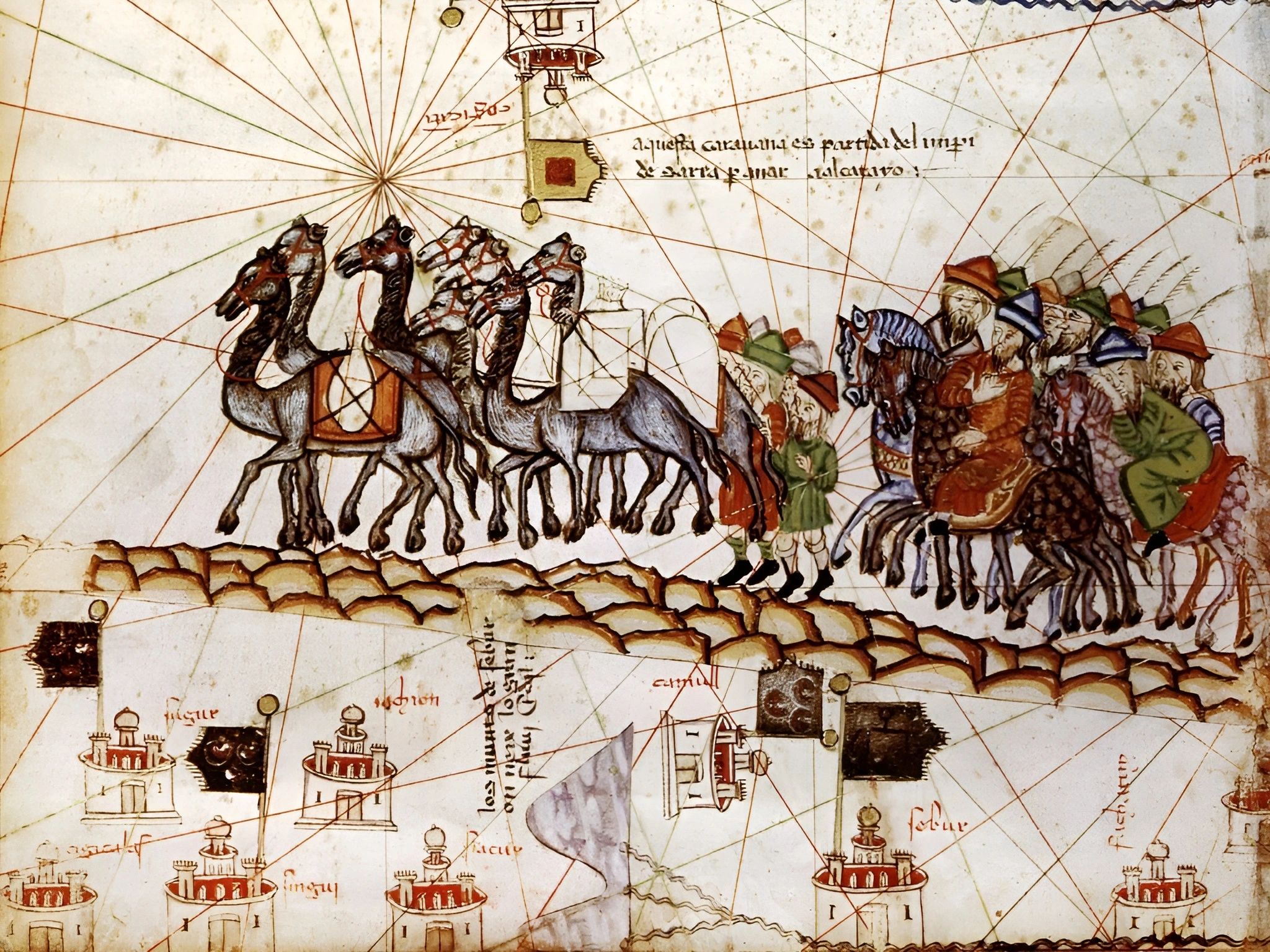
This session will provide an overview of India’s ancient trade routes and their impact on global commerce. It will examine historical networks such as the Silk Road, Spice Route, and maritime trade pathways, illustrating the exchange of goods, ideas, and technologies. Discussions will revolve around how these routes fostered not only economic prosperity but also cultural and intellectual interactions that have influenced modern business practices.
Economic Policies of the Maurya and Gupta Empires
The seminar will delve into the economic strategies and governance mechanisms of ancient empires, illustrating how administrative efficiencies and patronage of arts and education contributed to thriving trade and commerce. This session aims to draw lessons from historical economic management that can be applied to modern fiscal practices.
Session 2: Indological Perspectives on Business Ethics and Governance
Ancient Ethical Frameworks
Business ethics in India have deep historical roots derived from a blend of moral philosophies and pragmatic governance. This session will explore traditional texts like the Arthashastra and other indigenous scriptures that prescribed ethical conduct in business and government. Attendees will learn about the ancient concepts of Dharma—pertaining to duty, righteousness, and moral order—and their influence on modern corporate ethics.
Philosophical Influences on Modern Commerce
Beyond texts, the philosophical underpinnings of Hindu, Buddhist, and Jain traditions have provided foundational ideologies for community organization, resource management, and ethical business behavior. Speakers will discuss how these ancient philosophies continue to inspire current practices in sustainability, corporate responsibility, and ethical leadership.
Session 3: Evolution from Historical Commerce to Contemporary Markets
Colonial and Post-Colonial Trade Dynamics
This session will chart the transformation of Indian commerce from ancient times through the colonial period to the modern era. It will contrast the foundational trade principles of ancient India with the imposed colonial structures, and then highlight the resurgence and reinvention of indigenous trading practices in the post-colonial context. The session provides historical context essential for understanding the contemporary economic policies in India.
Modern Business Case Studies
Focusing on today’s leading companies such as major IT firms and innovative start-ups, this segment will analyze how traditional management practices and cultural narratives are integrated into modern business strategies. The case studies will demonstrate how historical insights can enrich product positioning, brand identity, and market expansion strategies.
Session 4: Global Business and the Indian Diaspora
Impact of the Indian Diaspora
The Indian diaspora plays a critical role in global commerce by acting as cultural ambassadors and economic connectors. This session will explore how the diasporic networks leverage Indological cultural heritage to influence international trade, remittances, and cross-border business ventures. The discussion aims to underline the global impact of Indian culture on business practices outside the subcontinent.
Future Trends and Innovations
Looking forward, the seminar will discuss emerging trends that blend technological innovation with centuries-old wisdom. Topics such as digital transformation informed by traditional market structures and sustainable business practices inspired by ancient ethics will be explored. Experts will offer predictions on how commerce can evolve by integrating these diverse insights.
Interactive Elements and Engagement
To ensure active participation and facilitate robust discussions, the seminar will incorporate several interactive components:
- Panel Discussions and Q&A: Sessions will include interactive panel discussions with historians, business leaders, and industry experts. Participants will have opportunities to pose questions and share their perspectives.
- Workshops and Breakout Sessions: Attendees will engage in small group discussions and workshops. These sessions are designed to solve modern business dilemmas by applying ancient ethical principles and historical economic strategies.
- Digital Engagement Tools: The seminar will utilize digital platforms such as live polling and interactive discussion boards, ensuring that even participants who are not physically present can contribute meaningfully.
Seminar Schedule and Event Format
Below is a sample schedule for the seminar, which can be adapted based on the availability of speakers and attendees:
| Time | Session | Description |
|---|---|---|
| 09:00 - 09:30 | Opening Remarks | Welcome address, overview of seminar goals, and introduction to keynote speakers. |
| 09:30 - 10:30 | Historical Foundations | Presentation on ancient trade routes and economic policies of the Mauryan and Gupta empires. |
| 10:30 - 11:00 | Break | Coffee break and networking. |
| 11:00 - 12:30 | Ethical and Philosophical Dimensions | Exploration of influences from ancient texts like the Arthashastra and their relevance today. |
| 12:30 - 13:30 | Lunch Break | Buffet lunch and informal networking session. |
| 13:30 - 15:00 | Modern Business Case Studies | Discussion on contemporary companies and the integration of historical insights into current business practices. |
| 15:00 - 15:30 | Break | Tea break and short discussions. |
| 15:30 - 17:00 | Global Impact and Future Innovations | Panel discussion on the role of the Indian diaspora and emerging trends in ethical business practices. |
| 17:00 - 17:30 | Closing Session | Summary of key insights, open forum discussion, and concluding remarks. |
Marketing and Outreach Strategies
The success of the seminar will depend largely on effective promotion and outreach. A multi-pronged marketing strategy is essential to attract a diverse audience that includes:
- Academic Institutions: Leverage university networks and academic departments specializing in history, cultural studies, and business management.
- Professional Associations: Collaborate with business councils, industry associations, and cultural organizations to reach professional audiences.
- Social Media Campaign: Utilize digital marketing platforms such as LinkedIn, Twitter, and Facebook to promote the seminar. Engaging content, such as speaker interviews and historical business anecdotes, can attract public interest.
- Press Releases and Newsletters: Distribute press releases to academic journals, newspapers, and newsletters to further boost visibility and credibility.
Innovative Elements and Future Directions
As business paradigms continue to evolve, the integration of historical insights with contemporary practices provides a unique avenue for exploring novel approaches to commerce. Future directions inspired by the seminar could include:
- Regular Interdisciplinary Forums: Establishing annual or bi-annual conferences that continually explore the intersections between culture, history, and business.
- Digital Archives and Online Portals: Developing online resources to archive seminar talks, panel discussions, and workshops, making them accessible to a global audience.
- Collaborative Research Projects: Fostering partnerships between historians and business professionals to conduct research on sustainable commercial practices inspired by traditional wisdom.
- Policy Advocacy: Using insights gathered from historical trade practices and ethical governance, the seminar could produce policy recommendations aimed at promoting sustainable business development in emerging economies.
Potential Speakers and Collaborators
A diverse group of speakers and panelists is critical for a well-rounded exploration of the seminar’s themes. Potential contributors include:
- Scholars of Indology: Academics who specialize in ancient Indian texts, historical trade practices, philosophical traditions, and cultural studies.
- Business Historians and Economists: Experts who can provide insights into the evolution of trade networks and how historical economic principles translate into modern commerce.
- Industry Leaders: Business professionals from sectors such as technology, finance, and manufacturing; particularly those with experience in bridging traditional practices with modern operational strategies.
- Cultural Policy Makers: Government officials and policymakers involved in cultural preservation, international trade, and sustainable development.
- Emerging Entrepreneurs: Young business leaders who integrate cultural heritage into innovative and disruptive business models.
Supporting Elements and Resources
To enrich the seminar experience, organizers can provide various resources to participants. Some recommended supporting elements include:
-
Reading Materials and Pre-seminar Packets: Curated lists of books, articles, and digital resources on topics related to ancient trade, ethics, and modern business strategies.
-
Interactive Digital Platforms: Dedicated websites and mobile applications where participants can view presentations, share insights, and engage in real-time discussions.
-
Visual Aids: Incorporation of maps, timelines, and diagrams illustrating historical trade routes, cultural exchanges, and the evolution of economic practices.
-
Post-seminar Documentation: Availability of video recordings, summaries, and a compendium of the keynote addresses and panel discussions to facilitate continued learning and future reference.
Implementation and Follow-Up
The effective execution of this seminar requires careful planning, robust coordination among various stakeholders, and a commitment to follow-up engagements. Key implementation steps include:
- Pre-Event Coordination: Establishing an organizing committee comprising academics, industry professionals, and event management experts. Early planning of logistics, venue selection, and speaker invitations is crucial.
- Feedback Mechanism: Implementing structured feedback forms and surveys during and after the seminar to gather participants' insights and recommendations for future events.
- Post-Seminar Publications: Consider compiling the discussions and insights from the seminar into a special issue or an edited volume, which could serve as a reference for further interdisciplinary research.
- Continuing the Dialogue: Organizing follow-up webinars, workshops, or discussion panels to continue exploring the themes addressed during the seminar and foster long-term collaboration between participants.
Case Example: A Hypothetical Seminar Itinerary
To illustrate how the seminar might be structured in practice, consider this hypothetical itinerary that incorporates varied sessions and interactive elements:
| Time Slot | Activity | Details |
|---|---|---|
| 08:30 - 09:00 | Registration & Networking | Participants register and enjoy a light breakfast while networking. |
| 09:00 - 09:30 | Opening Ceremony | Welcome remarks, introduction to the seminar’s themes, and overview of the agenda. |
| 09:30 - 10:30 | Keynote Address | "Bridging Ancient Wisdom and Modern Commerce" speech by a renowned expert on Indological studies. |
| 10:30 - 10:45 | Break | Coffee break and informal networking session. |
| 10:45 - 12:15 | Session 1: Historical Foundations | Presentations on ancient trade routes, intra-Asian commerce, and case studies from the Mauryan and Gupta eras. |
| 12:15 - 13:15 | Lunch | Buffet lunch with opportunities for one-on-one discussions. |
| 13:15 - 14:45 | Session 2: Ethical Business Practices | Seminar on ancient ethical frameworks and their implications for modern corporate governance. |
| 14:45 - 15:00 | Break | Short tea break and networking. |
| 15:00 - 16:30 | Session 3: Modern Trade and Economic Evolution | Discussion on transition from colonial trade systems to modern global business practices, featuring case studies. |
| 16:30 - 17:00 | Interactive Panel Discussion | Engage with panelists via live Q&A and digital interaction platforms. |
| 17:00 - 17:30 | Closing Session | Summary of key takeaways, open feedback session, and declarations of future collaborations. |
Conclusion and Final Thoughts
In summary, a seminar that explores the intersection of Indology and commerce represents a multifaceted approach to understanding how age-old cultural and economic practices continue to shape modern business strategies. It provides a platform for in-depth discussions that honor the rich legacy of Indian cultural heritage while addressing contemporary challenges in the dynamic field of global commerce. By fostering interdisciplinary dialogue, this seminar not only bridges historical perspectives with modern innovation but also serves as a catalyst for future research and policy development.
Ultimately, such a forum offers participants the opportunity to rethink business practices through the lens of history and ethics—paving the way for more sustainable, culturally integrated, and innovative approaches in commerce.
References
20th Annual India Business Conference
India Conference 2025
Conclusion
This seminar model stands as an innovative bridge linking the enduring legacy of India's cultural and intellectual traditions with the exigencies of modern economic practices. It demonstrates that historical insights remain vital in guiding ethical, sustainable, and progressive business strategies for the future.
Last updated February 17, 2025