
Exploring the Intersection of Indology and Commerce
A comprehensive look into integrating rich Indian heritage with modern business practices
Key Takeaways
- Bridging Historical Insights and Modern Markets – Understanding how India's ancient cultural, economic, and philosophical heritage can inform today's business practices.
- Interdisciplinary Approaches – Integrating the study of Indology with commerce enables a unique perspective that highlights ethical leadership, innovative business models, and sustainable economic strategies.
- Transformative Educational and Networking Opportunities – Seminars and conferences in this field offer a platform for scholars, industry leaders, and policymakers to exchange ideas and foster collaborations that drive both cultural preservation and modern business advancements.
Introduction
The convergence of Indology and commerce provides an extraordinary opportunity to explore how ancient wisdom and cultural knowledge can influence and transform modern business practices. Indology, with its deep exploration of India's literature, languages, philosophies, and traditions, offers valuable insights into the historical context of trade, ethical business practices, and cross-cultural exchanges that continue to impact the commerce sector today.
In recent years, interest in bridging the gap between humanities and contemporary economic studies has grown. This approach not only redefines our understanding of historical trade and cultural influences but also paves the way for innovative and resilient business strategies founded on sustainability and ethical practices. The integration is seen as particularly vital in a globalized world where traditional values often inform modern decision making.
Historical Foundations of Indian Commerce
Ancient Trade Systems and Cultural Exchange
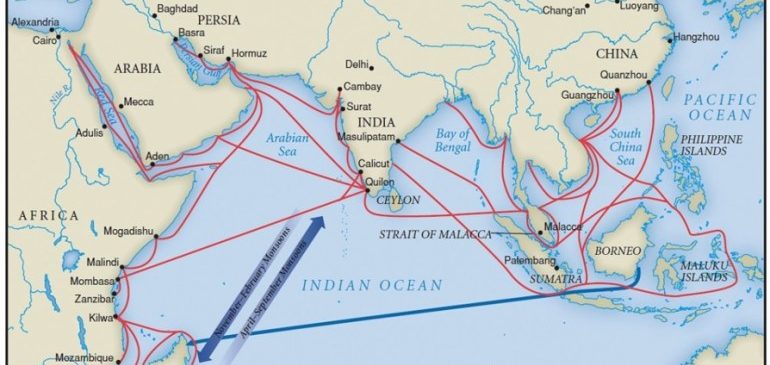
Ancient India was home to some of the world’s earliest and most sophisticated trade networks. Trade routes like the Silk Road and the Spice Route not only facilitated the exchange of goods but also ideas, cultural practices, and economic strategies across vast regions. Merchants, traders, and scholars exchanged not only tangible commodities such as spices, textiles, and precious metals, but also intellectual wealth that included religious teachings, philosophical discourses, and technological innovations.
Maritime Trade and Economic Infrastructure
The coastal regions of India, particularly along the Malabar Coast, were integral to maritime trade routes. Indian ports were thriving nodes of commerce where traders established complex networks that connected local economies with global markets. The role of maritime trade was further enhanced by the development of port towns and sophisticated navigation techniques. These advancements not only improved the efficiency of trade but also left a lasting legacy that continues to influence modern logistics and international commerce.
Economic Policies and Governance in Ancient India
Ancient texts such as the Arthashastra by Kautilya provide insights into the economic policies and governance structures of early Indian empires. These treatises highlighted principles of taxation, regulation, and ethical governance that were surprisingly advanced for their time. The emphasis on moral and ethical considerations in business practices, as found in these texts, has implications for contemporary debates on corporate governance, ethical leadership, and sustainable business practices.
Contemporary Relevance of Indology in Commerce
Modern Business Ethics and Cultural Competence
In today's globally interconnected world, cultural competence is a crucial asset for any business. Indology provides a framework for understanding the complexities of Indian traditions, values, and ethical considerations, which can be directly applied to modern business contexts. For instance, the traditional principles of dharma (duty and righteousness) can be paralleled with corporate social responsibility, guiding firms to adopt ethical practices, fair trade, and sustainable development.
Ethical Business Practices
Many ancient Indian texts emphasize the importance of ethical behavior, social responsibility, and the welfare of the community. These principles are particularly relevant in today’s business environment where consumer and stakeholder expectations extend beyond profit to include accountability, sustainability, and ethical integrity. By integrating these age-old ethical frameworks, modern businesses can cultivate trust and foster long-term relationships with customers and communities.
Innovative Business Models Influenced by History
There is a growing trend among contemporary business leaders to draw inspiration from historical practices. Concepts originating from traditional guild systems, family-run businesses, and other forms of indigenous commercial practices are increasingly being reimagined to suit the challenges of the modern economy. These models are often more flexible, resilient, and grounded in community values, which can be critical in times of economic volatility.
This interdisciplinary approach not only adds depth to strategic planning and market analysis but also benefits sectors such as social entrepreneurship and corporate sustainability. By studying how early trade networks were established and maintained, today’s businesses are better equipped to innovate, adapt, and implement strategies that secure competitive advantage while remaining sensitive to cultural heritage.
Designing a Seminar on Indology and Commerce
Objectives and Themes
When planning a seminar that bridges Indology and commerce, it is essential to outline clear objectives. Such an event should seek to:
-
Foster an understanding of the historical evolution of commerce in the Indian context.
-
Highlight how ancient Indian practices and philosophical thought underpin modern business ethics and models.
-
Create an interdisciplinary dialogue that brings together historians, economists, business leaders, and cultural theorists.
-
Promote collaborative research and innovative thinking that addresses current global challenges while rooted in heritage.
Incorporating Diverse Perspectives
A well-structured seminar should invite experts from various domains including history, cultural studies, economics, and business management. By ensuring a mix of academic lectures, panel discussions, and interactive workshops, the seminar can address the following themes:
- Historical Trade Systems: Delving into ancient marketplaces, trade routes, and governance that supported commerce in early India.
- Ethics and Governance: Examining the ethical dimensions of commerce through frameworks provided by seminal texts like the Arthashastra and their relevance today.
- Cultural Competence: Understanding how cultural narratives and traditional values influence modern business strategies and consumer behavior.
- Innovative Commercial Models: Exploring case studies of family-owned businesses and guilds, and how these models are being adapted in today’s globalized economy.
Structure and Format of the Seminar
A successful seminar on this interdisciplinary topic should be structured to maximize participant engagement and knowledge exchange. An example structure might include:
| Session | Description | Potential Speakers |
|---|---|---|
| Opening Keynote | An overview of the historical intersections between Indology and commerce, setting the stage for the day. | Esteemed Indologists and Business Historians |
| Panel Discussion | Experts debate on “Cultural Roots of Modern Business Practices”, highlighting ethical frameworks inherited from ancient traditions. | Business Leaders, Cultural Historians, Academicians |
| Case Study Workshops | Breakout sessions focusing on specific historical trade networks, traditional business models, and their contemporary applications. | Researchers, Industry Experts, Policy Makers |
| Interactive Q&A | Open forum for participants to engage with speakers, ask questions, and discuss insights. | All Participants |
| Closing and Networking | A session to summarize insights and facilitate networking among participants, fostering future collaborations. | Organizers and Guest Experts |
This table presents a sample structure, demonstrating a balanced combination of theoretical insights and interactive, practical sessions. Event organizers can tailor each element according to the audience's interest and the availability of experts.
Interdisciplinary Benefits and Practical Outcomes
Academic and Research Advancements
A seminar that marries Indology and commerce serves as a bridge between academia and the corporate world. It provides scholars with new frameworks for multidisciplinary research, notably in the fields of economic history, cultural studies, and ethical business practices. By examining historical documents, interpreting ancient texts, and correlating them with modern practices, researchers gain fresh perspectives that can lead to innovative publications and more informed academic discourse.
Collaborative Projects and Future Research
The seminar can catalyze future research projects that examine further intersections between ancient economic practices and contemporary business models. Collaborative projects may include comparative studies of traditional Indian guilds versus modern cooperative business models, or an analysis of ancient trade regulation mechanisms as precursors to modern financial systems. These projects not only enrich academic literature but also inform policy-making and commercial strategies that aim for sustainable growth.
Practical Implications for Business Leaders
Modern businesses are increasingly turning to historical and cultural insights to navigate complex market dynamics. Emphasizing lessons from India's long tradition of commerce, leaders can reinterpret age-old principles to drive innovation in areas such as corporate governance, ethics, and sustainability. For instance, by revisiting the integrative approaches seen in ancient trade networks, companies can develop more resilient business models that are adaptive and sensitive to economic fluctuations.
Building Sustainable and Inclusive Business Models
Many ancient business practices were inherently sustainable, built on principles of community welfare and environmental balance. The seminar can thus serve as a forum for exploring how these traditions can be implemented to create modern business models that prioritize long-term sustainability over short-term gains. Topics such as socially responsible investing, green technologies, and inclusive growth strategies resonate well with the ethical imperatives drawn from Indological studies.
Global Perspectives and Future Opportunities
Integrating Local Heritage with Global Business
In an increasingly interconnected world, understanding local cultural heritage is essential for success in global markets. The seminar offers an international platform where diverse perspectives can converge to discuss how traditional wisdom informs modern commerce across borders. Business leaders from multinational corporations, along with scholars specializing in Indology, can jointly analyze global trends, market dynamics, and how incorporating traditional values into business strategies can be a decisive competitive advantage.
Innovative Case Studies
Real-world case studies form an integral part of this seminar. For example, an examination of family-run Indian businesses demonstrates how traditional management practices and ethical business values have paved the way for significant competitive advantages not only within India but also internationally. These case studies exemplify that integrating cultural competence results in refined branding, improved customer loyalty, and robust long-term growth.
Furthermore, a comparative analysis of historical commerce practices in India with those in other ancient civilizations highlights how each culture’s unique approach to commerce contributed to their lasting economic legacies. This comparative approach allows participants to glean ideas that can be adapted to suit current international business strategies.
Strategies for Organizing an Effective Seminar
Audience and Stakeholder Engagement
One of the critical elements in ensuring the success of a seminar that covers the intersection of Indology and commerce is to design an agenda that appeals to a diverse audience. Stakeholders might include academicians specializing in Indian studies, economists, business professionals, policymakers, and students interested in interdisciplinary research. Creating a balanced program that caters to the needs and interests of these varied groups is paramount.
Marketing and Outreach
Effective promotion is crucial to attract the right mix of participants. Use of targeted emails, social media campaigns, academic networks, and professional associations will play a pivotal role in outreach. Engaging potential speakers and thought leaders from reputed institutions and establishing partnerships with entities that specialize in Indological studies and commerce can bring credibility and dynamism to the event.
Leveraging Technology in Seminar Delivery
Incorporating modern technological aids can enrich the learning experience during the seminar. Digital maps displaying ancient trade routes, interactive multimedia presentations of historic manuscripts, and visualizations of economic data from ancient Indian texts provide a richer, more immersive learning experience. Attendees can be provided with digital resources, including e-booklets and video recordings, that further elaborate on the themes discussed during the seminar.
Engagement Through Interactive Sessions
An effective approach is to allocate segments for interactive sessions, where participants engage in breakout discussions and collaborative workshops. These sessions encourage the sharing of ideas and foster a community of learning that extends beyond the seminar itself. This form of engagement can serve as a catalyst for future collaborations between academic researchers and business practitioners.
Conclusion and Final Thoughts
The interdisciplinary integration of Indology and commerce offers immense potential for enriching both academic inquiry and practical business strategies. By delving into India's rich cultural heritage and its historical economic practices, participants in a seminar can gain valuable insights into sustainable business models, ethical governance, and innovative leadership. This synergy not only broadens the intellectual horizons of scholars and practitioners alike but also establishes a framework for addressing modern economic challenges through the lens of time-tested traditions.
Summarily, the seminar discussed herein is envisioned as a dynamic confluence of thought leadership, historical insight, and practical strategies that bridge the past with the present. It encourages critical thinking and creative exploration of how the timeless principles codified in ancient Indian knowledge systems can be harnessed to foster resilient, inclusive, and forward-thinking business practices.
As the world navigates the complexities of globalization, technological evolution, and environmental sustainability, drawing on the deep reservoirs of Indological wisdom can provide a strategic edge. By bringing together diverse perspectives at a single conference, the initiative not only honors the rich legacy of Indian commerce but also sets the stage for transformative dialogue that propels future innovation and sustainable economic growth.
References
https://sbmconferencencr.christuniversity.in/
https://indologyacademy.org/
Final Thoughts
In conclusion, the proposed seminar on Indology and commerce presents a robust platform for the exchange of ideas that integrate historical insights with modern business acumen. It leverages interdisciplinary thinking to foster an environment where traditional ethical structures can inform and transform contemporary commerce. By embracing such a holistic approach, the event is poised to influence future academic research and practical business strategies, ultimately contributing to the development of resilient and sustainable economic models.
Last updated February 17, 2025