
The Shocking Truth: Why Electrical Safety is Non-Negotiable in Industry
Understanding the critical role of electrical safety protocols and the statistical reality of incidents in manufacturing environments.
Key Insights on Industrial Electrical Safety
- Worker Protection is Paramount: Preventing severe injuries like shocks, burns, arc flashes, and fatalities is the foremost reason for stringent electrical safety measures.
- Operational Continuity & Compliance: Adherence to standards (OSHA, NFPA 70E) prevents costly equipment damage, downtime, and legal penalties, ensuring smooth operations.
- Significant Risk in Manufacturing: While overall electrical fatalities show a downward trend, manufacturing remains a high-risk sector, with many incidents involving non-electrical personnel.
The Spark Behind the Machine: Electricity in Industry
Electricity is the lifeblood of modern industrial operations, powering everything from intricate assembly lines and heavy machinery to control systems and lighting. Factories, manufacturing plants, and other industrial facilities rely heavily on complex, often high-voltage electrical systems. However, this essential energy source carries inherent dangers if not managed with the utmost care and respect. Mishandled electricity can lead to devastating consequences, making robust electrical safety protocols not just a recommendation, but an absolute necessity.

Industrial settings rely heavily on electrical power for operations.
Understanding the Hazards
Industrial electrical systems present unique hazards due to their power levels and complexity. The primary risks include:
- Electric Shock: Direct contact with live electrical components can cause muscle contractions, respiratory arrest, cardiac arrest, and death.
- Burns: Electrical currents passing through the body can cause severe internal and external burns. Arc flashes generate intense heat, leading to thermal burns.
- Arc Flash & Arc Blast: An arc flash is a sudden release of electrical energy through the air when a high-voltage gap exists or insulation fails. It produces intense heat (up to 35,000°F), bright light, pressure waves (arc blast), and molten metal shrapnel, causing severe burns, eye damage, hearing loss, and potential fatalities.
- Electrical Fires & Explosions: Faulty wiring, overloaded circuits, or sparks from electrical equipment can ignite flammable materials present in industrial environments.
Why Prioritize Electrical Safety?
Implementing and enforcing comprehensive electrical safety measures is crucial for multiple interconnected reasons, impacting everything from human lives to financial stability.
Protecting Human Lives and Health
The most critical reason for electrical safety is the protection of workers, visitors, and anyone present in the industrial facility. Electrical incidents can cause life-altering injuries or fatalities in an instant. Safeguarding personnel from shocks, burns, and other electrical injuries is a fundamental ethical and legal responsibility of employers.
Preventing Equipment Damage and Downtime
Electrical faults, surges, fires, or explosions can cause catastrophic damage to expensive machinery, control systems, and the facility infrastructure itself. Such incidents lead to significant financial losses due to costly repairs or replacements, prolonged operational downtime, and lost production, impacting business continuity and profitability.
Ensuring Regulatory Compliance
Regulatory bodies like the Occupational Safety and Health Administration (OSHA) in the U.S. mandate strict adherence to electrical safety standards. Key standards include the National Electrical Code (NEC) for installations and NFPA 70E, "Standard for Electrical Safety in the Workplace," which addresses safe work practices, maintenance, and personal protective equipment (PPE). Non-compliance can result in hefty fines, legal action, and forced shutdowns.
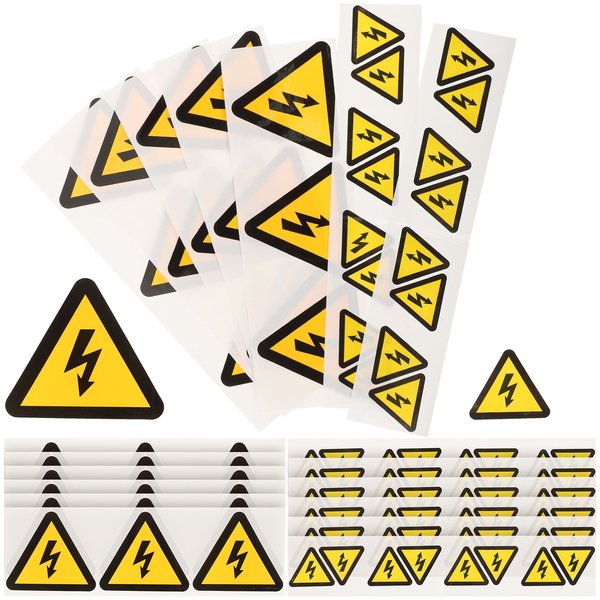
Warning labels are crucial components of electrical safety compliance.
Fostering a Positive Safety Culture and Reputation
A strong commitment to electrical safety fosters a workplace culture where safety is valued, enhancing employee morale and confidence. Conversely, frequent incidents or a poor safety record can severely damage a company's reputation among employees, customers, and the public.
Visualizing Safety Priorities
The following chart illustrates the relative importance attributed to various facets of industrial electrical safety programs, based on common industry perspectives. Protecting workers consistently ranks as the highest priority, followed closely by regulatory compliance and preventing costly downtime. Effective training and robust maintenance procedures are foundational supports for these primary goals.
Mapping the Landscape of Electrical Safety
Industrial electrical safety is a multi-faceted domain encompassing hazards, preventive measures, regulations, and the overarching goal of protecting people and assets. This mindmap provides a visual summary of the key elements involved.
(Life & Health)"] id1b["Equipment Protection"] id1c["Operational Continuity
(Prevent Downtime)"] id1d["Regulatory Compliance"] id1e["Financial Savings"] id1f["Company Reputation"] id2["Hazards"] id2a["Electric Shock"] id2b["Burns (Electrical & Thermal)"] id2c["Arc Flash / Arc Blast"] id2d["Fires & Explosions"] id2e["Faulty Equipment"] id3["Key Practices & Measures"] id3a["Risk Assessment"] id3b["Lockout/Tagout (LOTO)"] id3c["Personal Protective Equipment (PPE)"] id3d["Regular Inspections & Maintenance"] id3e["Proper Grounding & Guarding"] id3f["Employee Training & Qualification"] id3g["Safe Work Procedures"] id4["Regulations & Standards"] id4a["OSHA (Occupational Safety & Health Administration)"] id4b["NFPA 70E (Standard for Electrical Safety in the Workplace)"] id4c["NEC (National Electrical Code)"] id4d["IEC Standards"] id5["Incident Statistics"] id5a["~150 Electrical Fatalities/Year (US, All Industries)"] id5b["Manufacturing = High-Risk Sector"] id5c["74% Fatalities = Non-Electrical Workers"] id5d["Downward Trend in % of Total Fatalities"] id5e["Significant Non-Fatal Injuries (Burns)"]
Core Safety Practices in Industry
Effective electrical safety programs rely on a combination of engineering controls, administrative procedures, and personal protective measures. Consistent application of these practices is essential for mitigating risks.
Key Safety Measures Explained
The following table outlines some of the most critical safety practices and their purpose within an industrial electrical safety program:
| Safety Practice | Purpose | Description |
|---|---|---|
| Lockout/Tagout (LOTO) | Energy Control | Procedures to ensure machinery is properly shut off and cannot be re-energized during maintenance or service work. Involves isolating energy sources and applying locks/tags. |
| Personal Protective Equipment (PPE) | Worker Protection | Specialized gear designed to protect workers from specific electrical hazards. Includes insulated gloves, footwear, flame-resistant clothing, face shields, hard hats, and insulating mats. PPE requirements are determined by risk assessment (often based on NFPA 70E). |
| Regular Inspections & Maintenance | Hazard Prevention | Scheduled checks of electrical systems, wiring, and equipment to identify wear, damage, or potential faults before they cause incidents. Includes preventive and predictive maintenance. |
| Risk Assessment | Hazard Identification | Systematic evaluation of electrical tasks and equipment to identify potential hazards (like shock and arc flash), assess the level of risk, and determine appropriate protective measures. |
| Employee Training & Qualification | Competency & Awareness | Ensuring workers understand electrical hazards, safe work practices, emergency procedures, LOTO, and proper use of PPE. Distinguishes between qualified electrical workers and non-qualified personnel. |
| Guarding & Grounding | Exposure Prevention & Fault Protection | Using barriers or enclosures to prevent contact with live parts (Guarding). Establishing a safe path for fault current to flow to the earth, preventing shock hazards (Grounding). |
Statistical Snapshot: Electrical Incidents in the Workplace
Understanding the statistics surrounding electrical incidents provides crucial context for the importance of safety measures, particularly within manufacturing.
Overall Trends and Figures
Data compiled by the Electrical Safety Foundation (ESFI) from the U.S. Bureau of Labor Statistics (BLS) paints a picture of electrical risks in the American workplace:
- Between 2011 and 2023, there were 1,940 workplace fatalities attributed to electrical contact across all industries in the United States. This averages to roughly 150 electrical fatalities per year.
- While electricity is a major hazard, work-related electrical fatalities have generally followed a downward trend over the past few decades. Data from the National Fire Protection Association (NFPA) indicates that electrical fatalities dropped from constituting 8% of all workplace deaths in 1980 to around 3% in more recent years. This suggests that improved safety standards, awareness, and technology are having a positive impact.
- A concerning statistic is that 74% of workplace electrical fatalities involved workers whose primary job was *not* electrical work. This highlights the risk to machine operators, maintenance staff, and other personnel who may interact with energized equipment incidentally in industrial and manufacturing settings.
Focus on Manufacturing
While the available statistics often cover all industries or focus on construction (which typically has the highest number of electrical fatalities), manufacturing is consistently identified as a high-risk sector:
- Manufacturing, along with construction and trade/transportation, ranks among the industries with high rates of electrical incidents and fatalities.
- The heavy reliance on complex machinery, automated systems, motor control centers, and high-power equipment inherent to manufacturing processes contributes significantly to this risk profile.
- Common incidents in manufacturing include contact with energized parts during maintenance or operation, arc flash events, and electrical fires resulting from equipment malfunction or poor maintenance.
- Beyond fatalities, non-fatal electrical injuries, particularly burns, are a significant concern in manufacturing, often leading to temporary or permanent disability.
The data underscores the critical need for continuous vigilance, robust training (especially for non-electrical workers), strict adherence to LOTO procedures, and proper use of PPE within manufacturing environments.
Deep Dive: NFPA 70E and Industrial Safety
The NFPA 70E standard is central to electrical safety practices in industrial facilities. This webinar recording provides valuable insights into its application alongside NFPA 79 (Electrical Standard for Industrial Machinery) to enhance safety and productivity.
This video discusses the relationship between these key standards, emphasizing how compliance helps mitigate risks like arc flash and electric shock, crucial elements covered in NFPA 70E. It details requirements for risk assessments, establishing electrically safe work conditions, selecting appropriate PPE, and maintaining electrical systems—all vital components of a comprehensive safety program in manufacturing and other industrial settings.
Frequently Asked Questions (FAQ)
What is NFPA 70E?
NFPA 70E, titled "Standard for Electrical Safety in the Workplace," is a standard developed by the National Fire Protection Association. It provides guidelines for safe work practices to protect personnel from electrical hazards such as electric shock, arc flash, and arc blast. It covers safety-related work practices, maintenance requirements, and special equipment requirements, and is considered the industry benchmark for electrical safety in the United States, often referenced by OSHA.
What is Lockout/Tagout (LOTO)?
Lockout/Tagout (LOTO) refers to specific practices and procedures to safeguard employees from the unexpected energization or startup of machinery and equipment, or the release of hazardous energy during service or maintenance activities. It involves placing locks (lockout) or tags (tagout) on energy isolation devices, following a documented procedure, to ensure the equipment cannot be operated until the maintenance work is complete and the devices are removed by the authorized person.
What is an Arc Flash?
An arc flash is a dangerous event where electric current leaves its intended path and travels through the air from one conductor to another, or to ground. It results in a sudden release of energy characterized by extremely high temperatures (up to 35,000°F), intense light, pressure waves (arc blast), and sound. Arc flashes can cause severe burns, blindness, hearing damage, shrapnel injuries, and fatalities. Proper risk assessment and appropriate PPE are crucial for protection against arc flash hazards.
Why is training so important for electrical safety?
Training is vital because it equips employees with the knowledge and skills to recognize electrical hazards, understand safe work procedures (like LOTO), know how to use PPE correctly, and respond appropriately in emergencies. Since many electrical incidents involve non-electrical workers, awareness training for all employees who might work near electrical equipment is crucial. Qualified electrical workers require more in-depth training specific to their tasks and the voltages they work with.
References
- Workplace Injury & Fatality Statistics - Electrical Safety Foundation (ESFI)
- Workplace Injury & Fatality Statistics 2011-2023 - IAEI Magazine
- Fatal Electrical Injuries at Work - National Fire Protection Association (NFPA)
- Electrical Standards Overview - Occupational Safety and Health Administration (OSHA)
- Electrical Safety - SafetyCulture
- The Importance of Electrical Safety - Industrial Electrical Co.
- Electrical Safety in the Workplace - Centers for Disease Control and Prevention (CDC/NIOSH)
Recommended Reading
Last updated April 18, 2025