
Industrial Applications of Oxalic Acid
Exploring the diverse roles and benefits of oxalic acid in various industrial sectors
Key Highlights
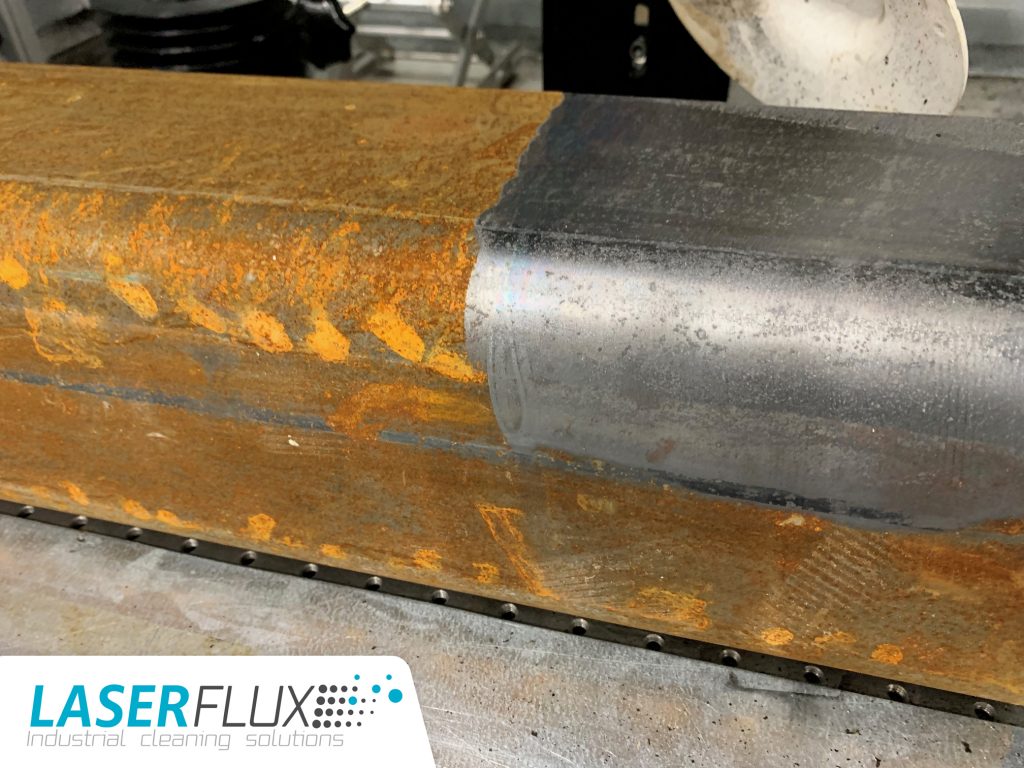
- Versatile Cleaning and Rust Removal: Oxalic acid effectively removes rust, scale, and other impurities from metal surfaces.
- Essential in Bleaching and Textile Processing: It improves fabric brightness and purity by removing dyes and stains.
- Wide-Ranging Industrial Integration: It is a crucial component in applications from metal processing to pharmaceutical manufacturing and even electronics.
Overview of Oxalic Acid
Oxalic acid, also known as ethanedioic acid, is a dicarboxylic acid that stands out for its versatile chemical properties. Thanks to its ability to chelate metal ions and its effective reducing properties, it is employed in numerous industrial processes. Its solubility in water and relative stability make it a favored choice in sectors ranging from cleaning and surface treatment to manufacturing and chemical synthesis.
Applications in Various Industries
1. Cleaning and Rust Removal
Metal Surface Treatment
One of the most common uses of oxalic acid is in cleaning applications, particularly for removing rust and scale from metal surfaces. Due to its strong chelating properties, oxalic acid can form water-soluble complexes with ferric ions, making it incredibly effective at dissolving rust deposits on metals such as stainless steel, copper, brass, and aluminum. This makes it a crucial component for maintaining the integrity and longevity of equipment in the automotive, construction, and aerospace industries.
Industrial Equipment Cleaning
In addition to rust removal, oxalic acid is used to clean industrial equipment like boilers, heat exchangers, pumps, valves, and pipes. Its ability to break down mineral deposits and corrosion products not only ensures the optimal performance of machinery but also extends the lifespan of equipment by preventing further degradation.
2. Textile Applications
Bleaching Agents
Within the textile industry, oxalic acid plays an important role as a bleaching agent. It is effective in removing natural colorants, stains, and impurities from fibers like cotton, linen, and silk. The process leads to a lighter and brighter fabric, which is then more amenable to further dyeing or finishing treatments. Its use as a bleaching agent is particularly valued in natural fiber processing, where achieving consistent color and brightness is essential.
Mordanting Agent
Besides its bleaching capability, oxalic acid also functions as a mordant in textile dyeing. By aiding in the adhesion of dyes to fabric, it improves color fastness and results in more vibrant and durable hues. This dual role underscores its significance in both the aesthetic quality and functional durability of textile products.
3. Pharmaceutical and Chemical Synthesis
Drug Formulation and Buffering
In the pharmaceutical industry, oxalic acid is utilized for several roles including acting as a buffering, chelating, and cleaning agent. Its ability to enhance the solubility of certain compounds makes it valuable in drug formulations. When used as a chelating agent, it helps in sequestering metal ions that could otherwise interfere with the purity and efficacy of pharmaceutical products.
Chemical Precursor and Reagent
Furthermore, oxalic acid serves as an intermediate in the synthesis of various chemical compounds and pharmaceuticals, such as certain types of pain relievers and salicylates. Its chemical stability and reactivity with other compounds facilitate controlled chemical reactions essential for manufacturing complex pharmaceuticals.
4. Metal Processing and Surface Finishing
Pickling and Metal Preparation
In metal finishing and manufacturing, oxalic acid is often used as a pickling agent. In this process, the acid helps remove oxide layers and other impurities from metal surfaces before further processing such as electroplating, anodizing, or painting. By preparing the metal surface, oxalic acid ensures improved adhesion of subsequent coatings and better overall durability.
Electroplating and Corrosion Resistance
Its application extends into the realm of electroplating where oxalic acid is added to plating solutions to improve the deposition and bonding of the metal coating. In anodizing, particularly for aluminum, it aids in forming a corrosion-resistant oxide layer that significantly increases the metal’s longevity and resistance to environmental factors.
5. Electronics and Semiconductor Manufacturing
Planarization Processes
In the electronics and semiconductor industry, oxalic acid is employed during the electrochemical-mechanical planarization (ECMP) process. This process is critical in producing integrated circuits with extremely flat surfaces, which are necessary for the high density and performance of modern chips. Oxalic acid contributes to removing impurities and creating a smooth finish, essential for optimal circuit function.
6. Leather and Tanning Processes
Tanning and Finishing
The leather industry benefits from the use of oxalic acid through its role in tanning and finishing processes. Oxalic acid helps in fixing dyes to leather and enhancing the texture of the final product. By adjusting the pH and improving the penetration of tanning agents, it ensures that leather goods are not only aesthetically pleasing but also more durable and resistant to wear.
7. Pulp, Paper, and Wood Industries
Bleaching in Pulp and Paper
In the pulp and paper industry, oxalic acid is used as a bleaching agent. It helps in lightening pulp and paper products by removing colorants and contaminants, thus producing brighter and cleaner final products. This application is essential for high-quality paper manufacturing and for ensuring the removal of impurities that can affect the printing process.
Wood Cleaning and Preservation
Wood preservation also sees the benefits of oxalic acid. It is employed to clean and brighten wood surfaces, especially in cases where wood is affected by mineral stains or weathering. Additionally, it can aid in the treatment of wood used outdoors, such as in decking and fencing, by reducing decay and wood degradation.
8. Agricultural and Food Industries
Food Additive and Preservative
In the food industry, oxalic acid is sometimes employed as a preservative or additive to maintain the freshness and appearance of food products. Its antimicrobial properties help in extending the shelf life of certain foods, particularly fruits, vegetables, and meats.
Agricultural Applications
Additionally, in agriculture, oxalic acid is used in soil treatment processes and occasionally as part of pest management strategies. Its insecticidal properties can assist in controlling pests, thereby protecting crop yields and ensuring a healthier agricultural output.
9. Dye, Pigment, and Adhesive Industries
Fixative in Dyeing Processes
Oxalic acid functions as a mordant in dyeing processes, helping to fix dyes and pigments onto various substrates such as fabric, paper, and plastics. This ensures that the colors remain vibrant and resistant to washing or fading.
Component in Adhesive Formulations
In adhesives and sealants, oxalic acid is sometimes included to enhance bonding strength and improve water resistance. This property is highly valued in the manufacture of products where stability and durability are key requirements.
Summary Table of Oxalic Acid Applications
| Industry | Application | Benefits |
|---|---|---|
| Metal & Equipment Cleaning | Rust removal and descaling | Extends equipment life; reduces corrosion |
| Textile | Bleaching and mordanting | Enhances fabric brightness and dye adhesion |
| Pharmaceutical | Buffering, chelating, cleaning, synthesis | Improves solubility; ensures purity |
| Metal Processing | Pickling and surface finishing | Prepares metal for plating and anodizing |
| Electronics | Planarization in semiconductor devices | Produces smooth surfaces; enhances chip performance |
| Leather | Tanning and dye fixation | Improves texture and durability |
| Pulp & Paper | Bleaching and cleaning | Brightens products; removes contaminants |
| Wood Treatment | Cleaning and preservation | Prevents decay; improves appearance |
| Agricultural & Food | Preservative and pest control | Extends shelf life; enhances crop protection |
| Dyes & Adhesives | Mordant and adhesive additive | Enhances color fixation; improves bonding |
Additional Insights into Oxalic Acid Applications
Environmental and Safety Considerations
While oxalic acid is highly effective in industrial processes, it is important to handle it with care. Despite its relatively low toxicity compared to other strong acids, safety precautions must be observed when using concentrated solutions in industrial and laboratory settings. Proper protective equipment and measures should always be implemented to reduce exposure risks, and waste disposal must comply with all regulatory guidelines to minimize any environmental impact.
Integration into Modern Manufacturing Techniques
Modern manufacturing and industrial procedures increasingly rely on chemicals that combine efficiency with environmental responsibility. Oxalic acid offers a balance by being both cost-effective and efficient across many commercial applications. Its role in cleaning, surface treatment, and chemical synthesis makes it an indispensable tool in modern manufacturing, particularly in scenarios where precision and material integrity are paramount.
Research and Development Trends
Continuous improvements in production and application methods have further expanded oxalic acid’s utility. Research in green chemistry and sustainable manufacturing has led to new methods that maximize the compound's benefits while reducing its environmental impact. Innovations in industrial processes, such as the enhancement of electrochemical planarization techniques in semiconductor manufacturing, showcase the ongoing evolution of oxalic acid’s applications.
References
- Industrial Applications of Oxalic Acid - Knowde
- Uses of Oxalic Acid - BYJU'S
- Oxalic Acid Overview - Wikipedia
- Ultimate Guide to Oxalic Acid - Fland Chemical
- Understanding the Uses and Hazards of Oxalic Acid - Tradesafe
Recommended Queries
Last updated March 23, 2025