
U.S. Industrial Production Momentum and What Lies Ahead
Analyzing the recent surge and exploring future trends in industrial growth
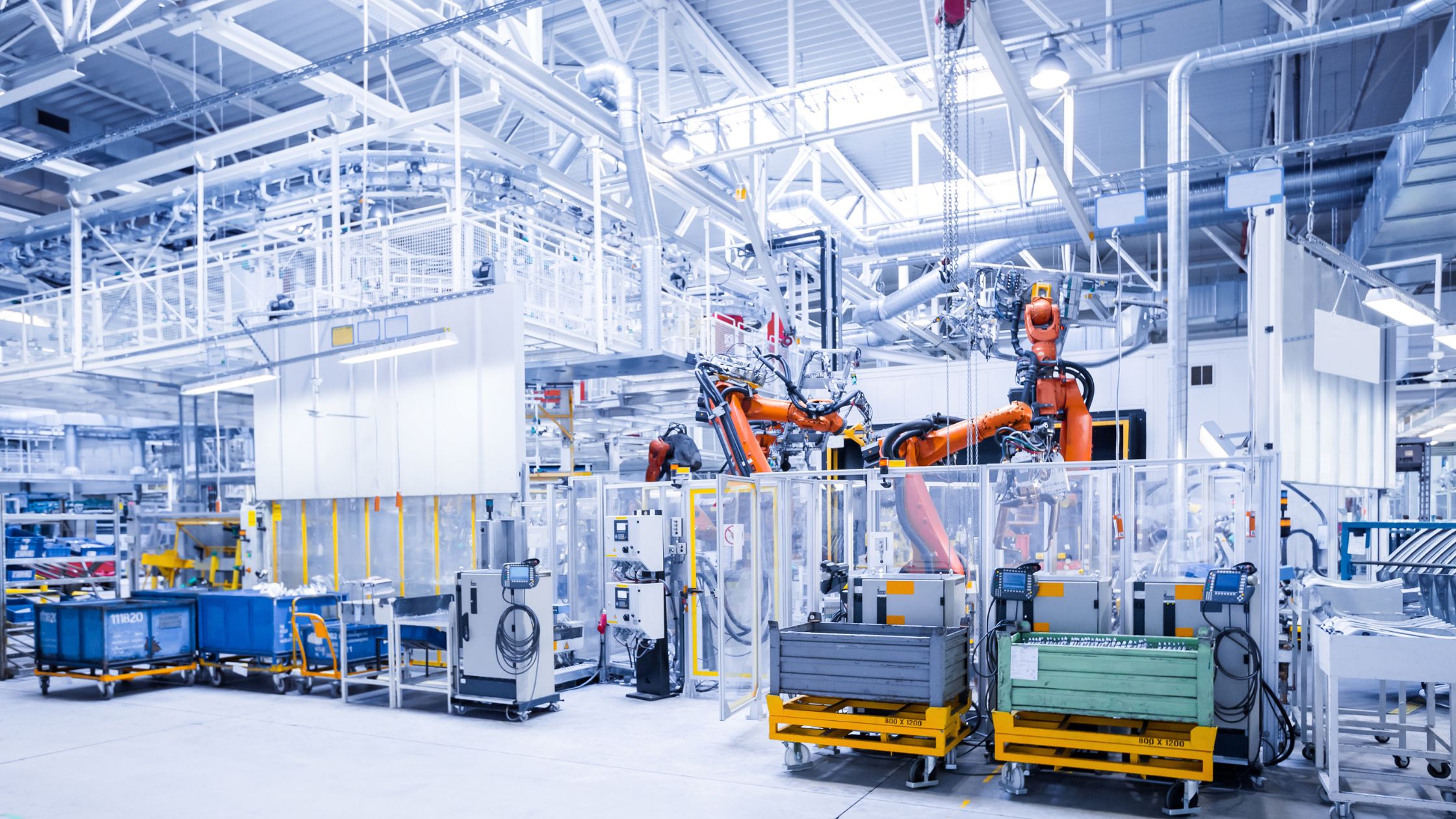
Key Highlights
- Steady Growth Trend: Three consecutive months of rising industrial production indicate emerging momentum.
- Surpassing Expectations: A 0.7% increase in February 2025 exceeded market expectations by 0.2%, driven in part by strong automotive performance.
- Government and Policy Impact: Future trajectory will depend on evolving trade policies, technological adoption, and continued government initiatives on reshoring and supply chain resilience.
Overview of Recent Developments
The U.S. industrial sector has recently experienced a noticeable improvement, with industrial production rising by 0.7% in February 2025. This marks the third consecutive month of growth, signaling momentum toward the government's desired outcome of bolstering domestic manufacturing and strengthening supply chains.
Exceeding market expectations by 0.2%, this surge was notably supported by significant growth in manufacturing output, particularly with an 8.5% jump in the automotive sector. Increased activity in vehicle production has contributed decisively to this overall rise, reflecting strong underlying demand and robust performance in key areas of the economy.
Pathways for Future Growth
With this encouraging trend, several critical factors and policy considerations will determining the sustainability and direction of industrial production in the U.S.
1. Policy Adjustments and Trade Considerations
Tariff Policies and Trade Relations
Tariff policies remain a central theme as they continue to influence production costs, pricing strategies, and the global competitive landscape. The present uptick in production suggests that many manufacturers are already adjusting their operations to mitigate the impacts of trade uncertainties. While tariffs may pose challenges, they also encourage domestic firms to ramp up production to secure competitive advantages in the local market. Monitoring developments in trade negotiations and any adjustments in tariffs will be critical for anticipating future shifts in industrial production.
Federal Reserve Actions and Monetary Policy
The role of the Federal Reserve cannot be understated as its actions on interest rates and balance sheet adjustments directly affect economic activity. With recent developments indicating that the Fed may begin to wind down its balance sheet run-off by July, the potential easing of monetary policy could provide an extra boost to industrial production. However, even as policymakers focus on supporting growth, they remain cautious of inflationary pressures, which may influence their decisions in the near term.
2. Technological Advancements and Domestic Investment
Digital Transformation in Manufacturing
Technological innovation is reshaping the manufacturing landscape. The increased integration of automation, AI, and robotics in production processes is driving efficiency improvements and reducing operational costs. Smaller manufacturers are also gaining access to advanced tools like 3D printing, thereby enhancing their competitive capacity. Continued investments in these areas not only speed up production timelines but also improve product quality. Moreover, enhanced cybersecurity is becoming essential as industrial systems digitize, providing further impetus for technology-driven transformation.
Reshoring Initiatives and Supply Chain Resilience
The COVID-19 pandemic illuminated vulnerabilities in global supply chains, prompting a strategic pivot towards reshoring and strengthening domestic supply lines. Efforts to incentivize local production have intensified, with government programs aimed at bolstering industrial real estate developments and supporting advanced manufacturers. These reshoring initiatives not only create more robust and reliable supply chains but also contribute to job creation and regional economic development. As manufacturers adapt to these changes, the resulting improvements in supply chain resilience will play a vital role in sustaining production levels.
3. Economic Indicators and Future Outlook
Capacity Utilization and Output Trends
An important indicator to watch is capacity utilization, which recently edged up to 78.2%. While still below the long-run average, this increase suggests that industrial facilities are operating closer to their potential, driven by higher demand. Maintaining or even boosting this level of utilization will be critical if the momentum continues. As industries expand production capacity through investments in technology and additional infrastructure, the broader economic benefits may include improved efficiency, reduced costs, and an uptick in job creation.
Sector-Specific Growth
The automotive industry, a major contributor to the overall increase in industrial production, appears poised for continued growth. Surge in vehicle production, particularly with the rise of electric vehicles, is a key indicator of shifts in consumer behavior and regulatory support. Beyond the automotive sector, industries such as aerospace, electronics, and clean energy are also likely to experience selective growth fueled by targeted government incentives and evolving market demand.
Additional Considerations for Manufacturers
Manufacturers will need to balance several dynamic factors in navigating the future landscape:
| Factor | Potential Impact | Key Considerations |
|---|---|---|
| Tariff Regulations | Influences production cost and pricing | Adjust operational strategies to mitigate external pressures |
| Technological Innovation | Boosts efficiency through automation and digital tools | Invest in modern technologies and cybersecurity measures |
| Federal Reserve Policy | Impacts borrowing costs and economic stimulus | Stay updated on interest rate changes and monetary policies |
| Reshoring Initiatives | Strengthens domestic supply chains | Capitalize on government incentives and local investment opportunities |
| Capacity Utilization | Measures industrial output efficiency | Expand production capabilities to meet rising demand |
Anticipated Next Steps
Following the current positive trend in industrial production, several expected next steps could further reinforce the upward trajectory:
Monitoring Economic Data and Market Signals
Officials and market analysts will continue to scrutinize data releases related to industrial production, capacity utilization, and manufacturing output. This ongoing analysis will help refine economic forecasts, adjust policy tools, and ensure that momentum is not lost. Key economic indicators such as employment rates, consumer spending, and even global economic conditions will play a significant role. For instance, rising capacity utilization may signal that further expansion investments are warranted, while shifts in consumer demand can lead to adjustments in production scheduling.
Strategic Investment in Automation and Innovation
As technological advancements rapidly transform manufacturing, strategic investments in automation and robotics are anticipated to rise. These investments will likely be bolstered by both private sector initiatives and public policy incentives aimed at retaining competitive advantages domestically. The resulting efficiency gains are expected to reduce production costs and open new avenues for incremental product improvements.
Enhancing Workforce Capabilities
Training and Reskilling
A significant shift towards automation and technology integration will naturally necessitate a simultaneous evolution in the workforce. To maintain productivity levels and leverage new technologies fully, manufacturers and policymakers will focus on training and reskilling workers. Enhanced educational programs and vocational training initiatives could become pillars of this transformation, ensuring that employees are well-prepared to operate advanced industrial equipment and respond proactively to changing market demands.
Labor Market Dynamics
Despite the technological shifts, labor remains a critical component. Addressing labor shortages through targeted immigration policies and incentivizing domestic talent development can provide a buffer against production constraints. As manufacturers increase output, tailored workforce strategies will be essential to maintain competitive efficiency while meeting quality standards.
Leveraging Government Support and Incentives
Government policies continue to underscore the importance of domestic production through various forms of support—from tax incentives and grants for technological upgrades to regulations fostering a stable trading environment. Strengthened incentives for reshoring, coupled with initiatives aimed at diversifying supply sources, are expected to provide a dual boost by stabilizing production and ensuring resilience against global disruptions.
Strategic Outlook for U.S. Industrial Production
In synthesis, the current upward movement in industrial production serves as both a positive indicator and a catalyst for future growth. Factors such as evolving trade policies, technological investment, and proactive government support are interlinked to create an environment where domestic manufacturing can thrive. However, it remains essential to remain agile as market conditions evolve, ensuring that the momentum can be translated into sustained economic growth.
Looking ahead, the industry is likely to face periodic challenges – from fluctuations in global trade dynamics to shifts in consumer demand – but the overall outlook is cautiously optimistic. The focus will be on converting short-term gains into long-term structural improvements that can significantly enhance the productivity and resilience of the U.S. industrial sector.
References
- Industrial Production Rose in February – ABA Banking Journal
- US Industrial Production Increase on Vehicle Output – Bloomberg
- February Industrial Production Jumps on Factory Output – MDM
- US GDP Forecast Declined to 1.7% – CNBC
- Better-Than-Expected Industrial Production Data – Yahoo Finance
Recommended Further Queries
Last updated March 19, 2025